9 Most Welcoming Towns In Louisiana's Countryside
In Louisiana's countryside a stranger rarely stays a stranger through one meal. Show up in Abbeville each November and the cooks hand you a plate off a 5,000-egg omelet made in the open street. Homer packs its courthouse square for the Louisiana Legends Festival every year. Crowley throws a parade around a pot of rice. The welcome here runs on food and nobody waits for an invitation. These eight towns feed you first and ask your name second.
Opelousas

Opelousas draws visitors with Cajun and Creole food, Zydeco music, and a district that reflects one of Louisiana's oldest communities. Known as the "Spice and Music Capital of Louisiana," the city is closely tied to the birth of Zydeco music. Its downtown history also stands out through the Opelousas Historic District, added to the National Register of Historic Places in 1989. The district includes Classical Revival and Italianate buildings on Court Street and Landry Street. French, Spanish, Italian, and German influences shape the city's food, architecture, and community events. Le Vieux Village Heritage Park adds another stop, with some of the town's oldest buildings, including an old schoolhouse and a Methodist church. The park offers free tours Tuesday through Friday.
Crowley

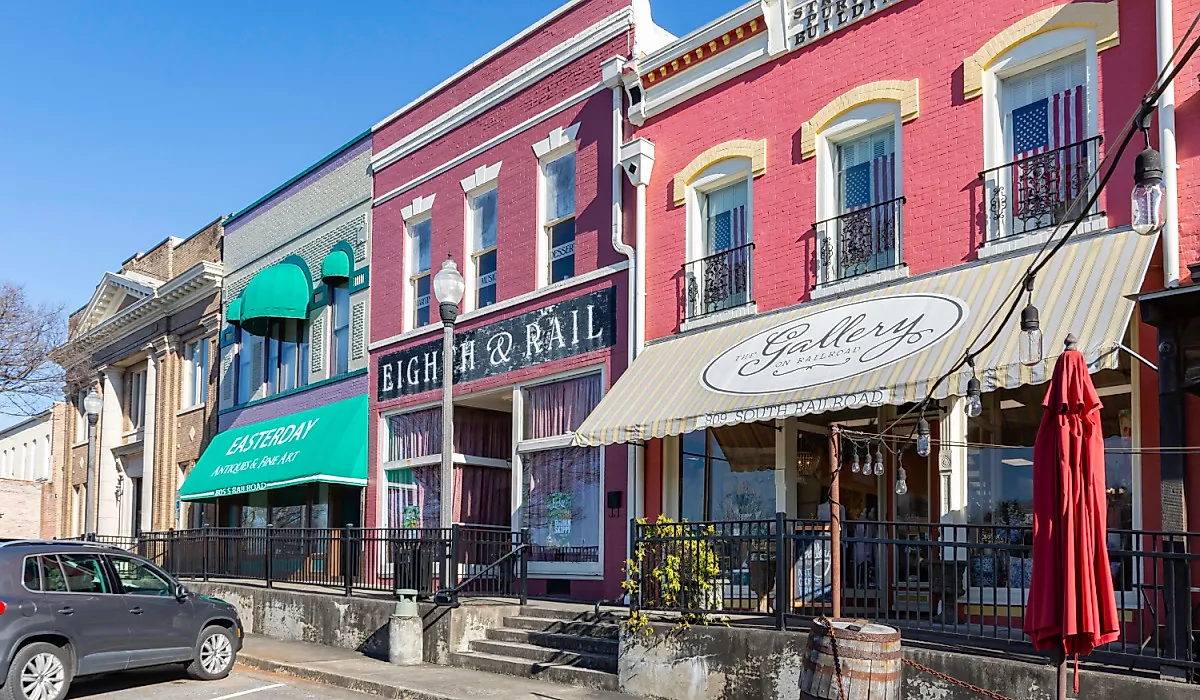
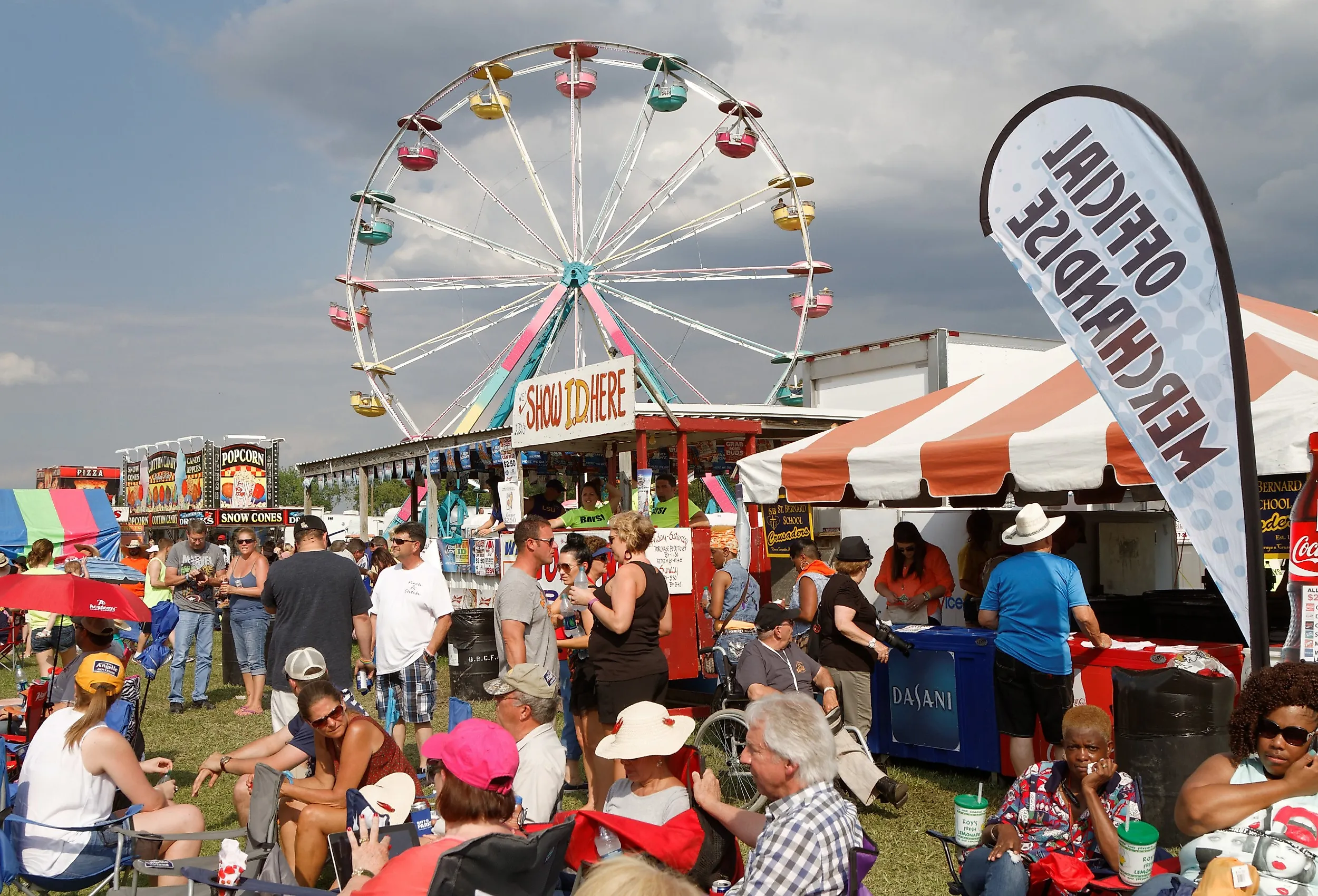
According to its popular slogan, "Where Life is Rice and Easy," Crowley puts rice culture at the center of its small-town identity. With a population of about 11,000, the town has older streets lined with 19th-century Victorian storefronts and live oak trees. Known as the "Rice Capital of America," Crowley hosts the annual International Rice Festival, which draws over 150,000 attendees. The festival is one of Louisiana's largest and oldest agricultural festivals, with a rice-cooking parade, eating contests, the Queen's Ball, and live Cajun and Zydeco music. The Grand Opera House of the South, a 33,000-square-foot venue, has been a downtown landmark since it resumed operations in 2008 after closing in 1940. Crowley is also designated a Louisiana Main Street community for its downtown preservation efforts.
Franklin

Franklin's countryside setting centers on Main Street, Bayou Teche, and a National Register Historic District. The district includes preserved antebellum townhouses, Greek Revival blocks, Creole cottages, and plantation homes such as the Oaklawn Manor. These cottages and grand homes reflect the sugar wealth that once shaped St. Mary Parish. The Grevemberg House Museum, at 407 Sterling Road, is an 1851 raised cottage with Civil War artifacts and period furniture. Bayou Teche is a 125-mile waterway that once served as a trade and cultural lifeline through Cajun Country. Today, the Bayou Teche Paddle Trail lets visitors launch kayaks and canoes from downtown. Franklin also lends itself to self-guided walking tours among historic homes and bayou landmarks.
Washington

Located in St Landry Parish and with a population of around 700, Washington, Louisiana punches well above its size. Established in 1720 along Bayou Courtableau, the town is the third-oldest settlement in Louisiana. More than 80 percent of Washington is listed on the National Register of Historic Places. Washington's Old Schoolhouse Antique Mall & Cafe brings shoppers into a 40,000-square-foot former school building for antique browsing across six acres. At the Steamboat Warehouse Restaurant, visitors can sit down to Cajun Country cuisine inside a 19th-century steamboat warehouse. For time outdoors, the Washington-Breaux Bridge Trail gives cyclists a route through Cajun Country scenery.
Breaux Bridge

Breaux Bridge calls itself the "Crawfish Capital of the World," and the whole St. Martin Parish town leans into the claim. The Breaux Bridge Crawfish Festival takes over downtown each May with boiled and fried crawfish, étouffée cook-offs, and dance floors that stay busy well past dark. La Poussière has kept Cajun two-steppers on the floor for decades, one of the oldest working dance halls in the area. Weekend mornings, the tables at local cafés fill up with regulars who wave newcomers over to join them. Just outside town, Lake Martin spreads across the Atchafalaya Basin, where guided swamp tours slip past cypress knees, wading herons, and sunning alligators.
Minden

Minden is widely celebrated as "The Friendliest City in the South," a title supported by its walkable downtown, restored architecture, and active festival calendar. The red-brick downtown is lined with boutiques and cafés such as The Broken Bean. More than 70 residences in the surrounding Historic Residential District are listed on the National Register. Many are in antebellum and Victorian styles, dating from the 1830s and later.
The Germantown Colony Museum, just north of town, tells the story of a utopian Christian community established in 1835 by German immigrants. The settlers were followers of Count Leon who had broken away from Pennsylvania's Harmony Society before heading south to Louisiana. Minden's cultural calendar includes events such as the German-Louisiana Minden Mardi Gras Fasching Parade and the spring Scottish Tartan Festival. The town also sits within reach of Lake Bistineau and the Caney Lakes Recreation Area.
Homer

Homer is a close-knit small town in the rolling hills of North Louisiana. The town began as the seat of Claiborne Parish after the Old Athens courthouse burned in 1849. Its history still centers on the 1861 Greek Revival Claiborne Parish Courthouse, one of the oldest operating courthouses in the state and now listed on the National Register of Historic Places. Around the courthouse square, a small district of mid-19th-century brick buildings gives downtown a tight historic core. Main Street adds cozy eateries and antique shops within an easy walk of the square.
The Louisiana Legends Festival brings the community together each year with live music, food, car shows, art, and sports competitions tied to Claiborne Parish culture and history. The Herbert S. Ford Memorial Museum on South Main Street covers the history of North Louisiana, including Indigenous settlement, the oil boom, and the Great Depression. Lake Claiborne State Park sits beside a 6,400-acre reservoir for fishing, swimming, waterskiing, birdwatching, and camping.
Abbeville

Abbeville was founded in 1843 by Père Antoine Désiré Mégret. Its downtown still carries a French-village feel thanks to its 19th-century architecture. As the parish seat of Vermilion Parish, the town centers on Magdalen Square. Mature oak trees, a historic gazebo, a fountain, and St. Mary Magdalen Church frame the public space. Abbeville also received the Community Achievement Award for Outstanding Community Improvement for its downtown revitalization efforts, which included brick plazas, pedestrian-friendly traffic-calming measures, and historic crosswalks.
Food and festivals give Abbeville much of its visitor appeal. The town has over 22 local restaurants, including places like Shucks, which serves Cajun and Creole dishes featuring crawfish. In November, the Giant Omelet Celebration brings chefs together outdoors to cook a 5,000-egg omelet. A.A. Comeaux Park offers recreational facilities, including baseball, softball, and soccer fields, as well as a tennis court.
Jennings

Jennings sits between Lafayette and Lake Charles. The Zigler Museum features art and natural history pieces, including William Tolliver's The Reader, Newcomb College Pottery, sculptures, and wildlife exhibits. The Strand Theatre, a 1930s-era movie house, now hosts performing arts events, including a long-running monthly live country music variety show. The Gator Chateau gives visitors an up-close look at alligators in a protected habitat. The W.H. Tupper General Merchandise Museum preserves a mid-century country store setting with exhibits that include the history of the telephone.
The Welcoming Side of Louisiana
Opelousas keeps Zydeco history close to its downtown, Washington preserves its steamboat-era character, and towns such as Crowley, Franklin, Homer, Abbeville, Jennings, and Breaux Bridge turn local history into everyday stops. Nowhere is the Cajun and Creole habit of building a festival around food clearer than at Crowley's International Rice Festival, where a rice-cooking parade and 150,000 visitors fill the streets each year.