9 California Towns With A Slower Pace Of Life
California's coast and wine country are home to towns where folks can slow down. Cambria invites visitors to stroll the Boardwalk at Moonstone Beach. Dunsmuir is home to the Dunsmuir Botanical Gardens along the upper Sacramento River. Some of the towns ahead provide quiet coastal views such as those along Carmel-by-the-Sea's Scenic Road. What they all share is a pace that ensures a restful afternoon whether on vacation or as a local.
Carmel-by-the-Sea

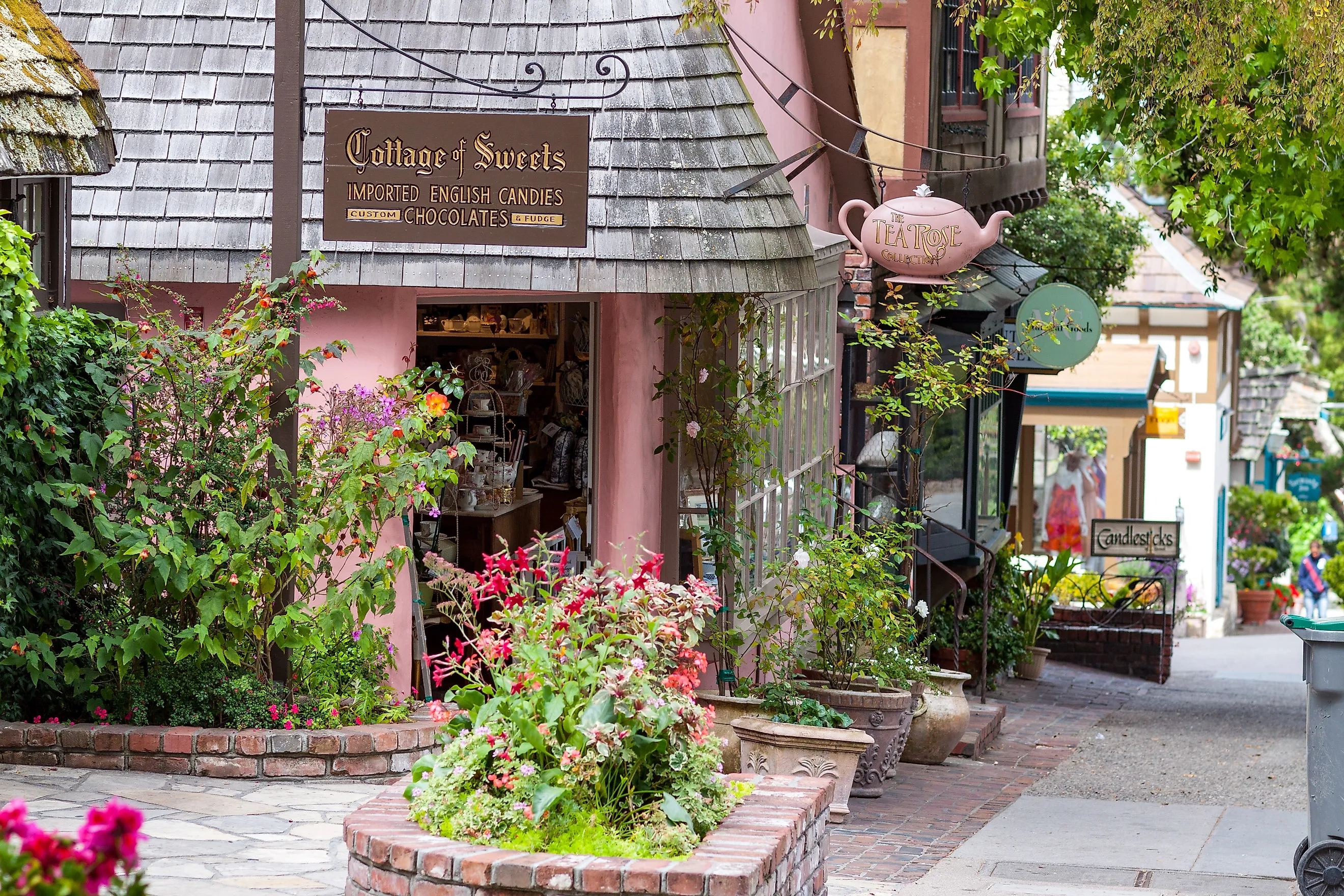
Carmel-by-the-Sea feels like a village even though it has one of the most recognizable coastlines in California. The town had just over 3,000 residents in recent population data. It is not a place built around rushing from one big attraction to the next. It instead allows residents and visitors to slow down, walk the side streets, and let the town's odd little details show up on their own.

Carmel Beach is the obvious place to start, with white sand, cypress trees, and one of the town's best views of the Pacific. Carmel Mission Basilica adds a deeper historic stop with mission grounds, museums, art, and religious artifacts tied to California's Spanish colonial past. The town's Comstock cottages, designed by Hugh Comstock in the 1920s, give the residential streets a distinctive character, while Scenic Road offers a quieter way to take in the coast without turning the visit into a checklist. Carmel can be expensive and refined, but its slower pace still comes from simple things including walking the side streets, stopping for a meal, and spending time near the water.
Ojai

Ojai's setting does a lot of the work, with mountains surrounding the valley and a downtown at its center. With a population of around 7,600, it has enough restaurants, galleries, lodging, and events to feel active, but the setting keeps it from feeling overbuilt. The town has long been associated with wellness, art, local agriculture, and outdoor recreation without turning Ojai into a wellness cliché.

Visitors do not have to go far to understand Ojai's appeal. Libbey Park offers a shaded downtown stop, while Bart's Books has been part of the town's literary personality since the 1960s. Ojai Valley Museum adds local history and art, and the surrounding trail network gives hikers a way to see the valley from above. Ojai is still close enough to draw weekend crowds, but it keeps a slower rhythm of its own.
Cambria

Cambria is one of the better Central Coast choices for travelers who want ocean scenery without the busier feel of a larger beach town. Its population sits below 6,000, and the town's layout helps preserve the slower feel, with shops and galleries set along Main Street and the coast just a short drive away.

Moonstone Beach is the signature stop, especially along the boardwalk, where visitors can take in the water, tide pools, and broad coastal views. Fiscalini Ranch Preserve gives Cambria its strongest outdoor piece, with coastal bluffs, grassy meadows, forested ridges, and trails open dawn until dusk. Cambria Historical Museum gives visitors something different than the usual coastal stop. With enough local texture to keep the town from feeling like only a beach stop, Cambria feels relaxed without being empty.
Mendocino

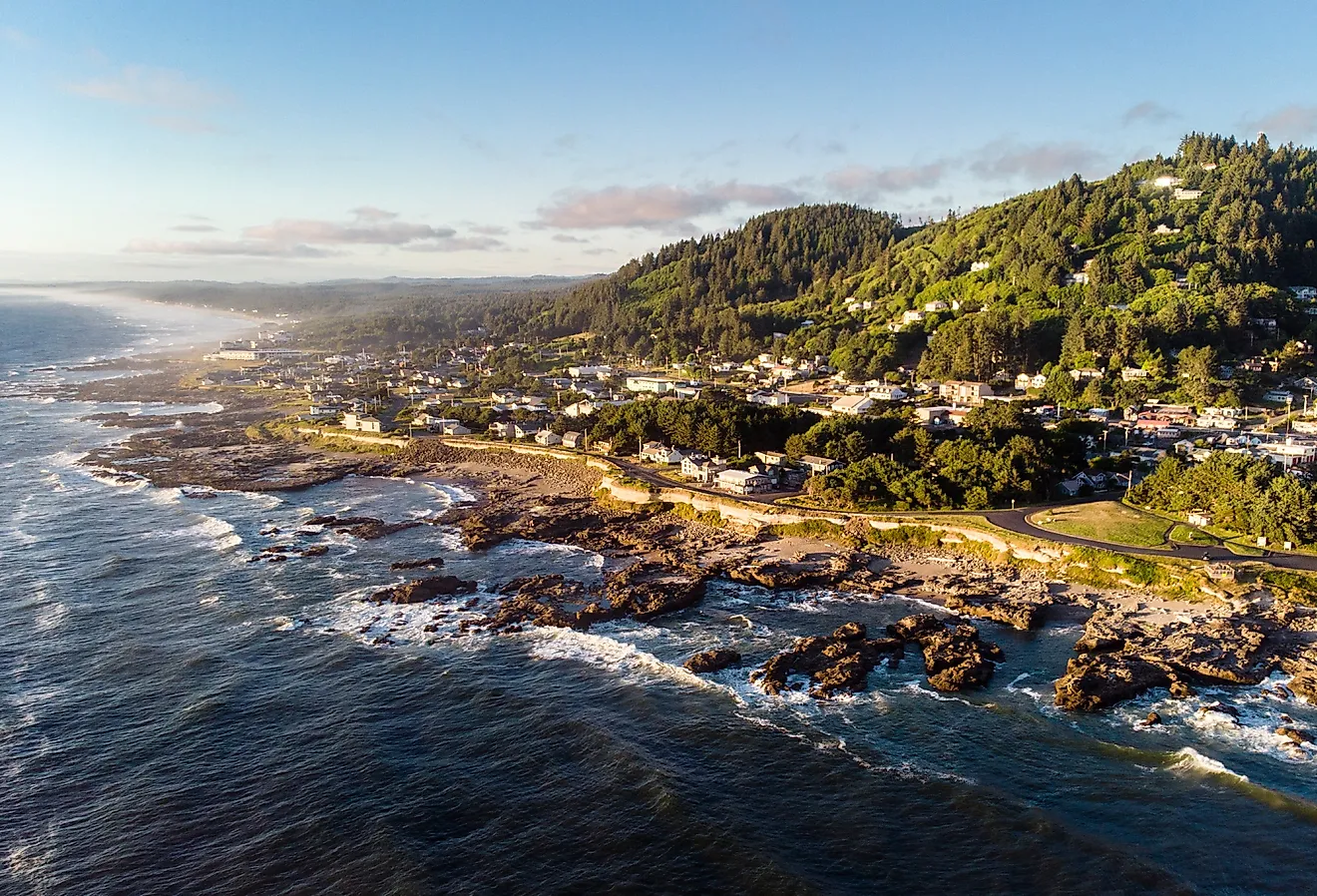
Mendocino is a community of well under 1,000 residents, with that scale part of the appeal. Perched along the north coast, the town combines preserved 19th-century buildings with a dramatic Pacific setting.

The town's slower pace comes from both the ocean and the preserved streets. Mendocino Headlands State Park wraps around the village with blufftop trails and wide Pacific views. Kelley House Museum, built in 1861, gives visitors a look at Mendocino's logging-era history and offers walking tours through the historic preservation district. The Ford House Visitor Center and Museum adds another preserved 19th-century stop. Just outside town, Point Cabrillo Light Station adds lighthouse history and another stretch of rugged coastline. Mendocino does not need much added to feel memorable. Its setting, preserved buildings, and coastal trails already do most of the work.
Nevada City

Nevada City has Gold Rush history, foothill scenery, and a downtown that feels lived-in rather than staged for visitors. Its population is a little over 3,000, which keeps the scale manageable even when events bring more people into town.

The center of town is the main attraction with preserved 19th-century buildings, shops, restaurants, and theaters giving Nevada City a lived-in historic feel. South Yuba River State Park is the strongest natural landmark nearby with river scenery, seasonal wildflowers, historic bridges, and trails tied to Gold Rush-era crossings and mining sites. Nevada Theatre adds a long-running cultural piece, while Empire Mine State Historic Park in nearby Grass Valley helps explain why this region became so important in the first place. Nevada City is not sleepy, but it does move at a more manageable pace, with a downtown, river access, and historic sites that reward a slower visit.
Ferndale

Ferndale is one of California's most visually distinct towns, with a population of about 1,500 and a Main Street that looks almost improbably preserved. Ferndale grew from dairy wealth, a history still visible in the ornate Victorian homes and commercial buildings known as "Butterfat Palaces."

Ferndale Main Street Historic District is the heart of the visit, with galleries, shops, and 19th-century architecture doing most of the work. Ferndale Museum gives the town's dairy and local history more context. Russ Park provides forested walking trails close to town. Centerville Beach County Park sits a few miles away, adding a rugged coastal option and keeping Ferndale from feeling like only a preserved Victorian showcase. The town is photogenic, but the slower pace comes from the fact that it still feels tied to its own local life.
Julian

Julian sits in the Cuyamaca Mountains, about an hour from San Diego, where the elevation, pine trees, and mountain roads give the town a different feel from the coast. The community has fewer than 2,000 residents, and its best-known story begins with the 1870s gold rush. Today, most visitors know Julian for apple pie, a reputation that grew out of the town's orchard history, which took hold after the Gold Rush as apple trees proved well-suited to the area's cooler mountain climate.

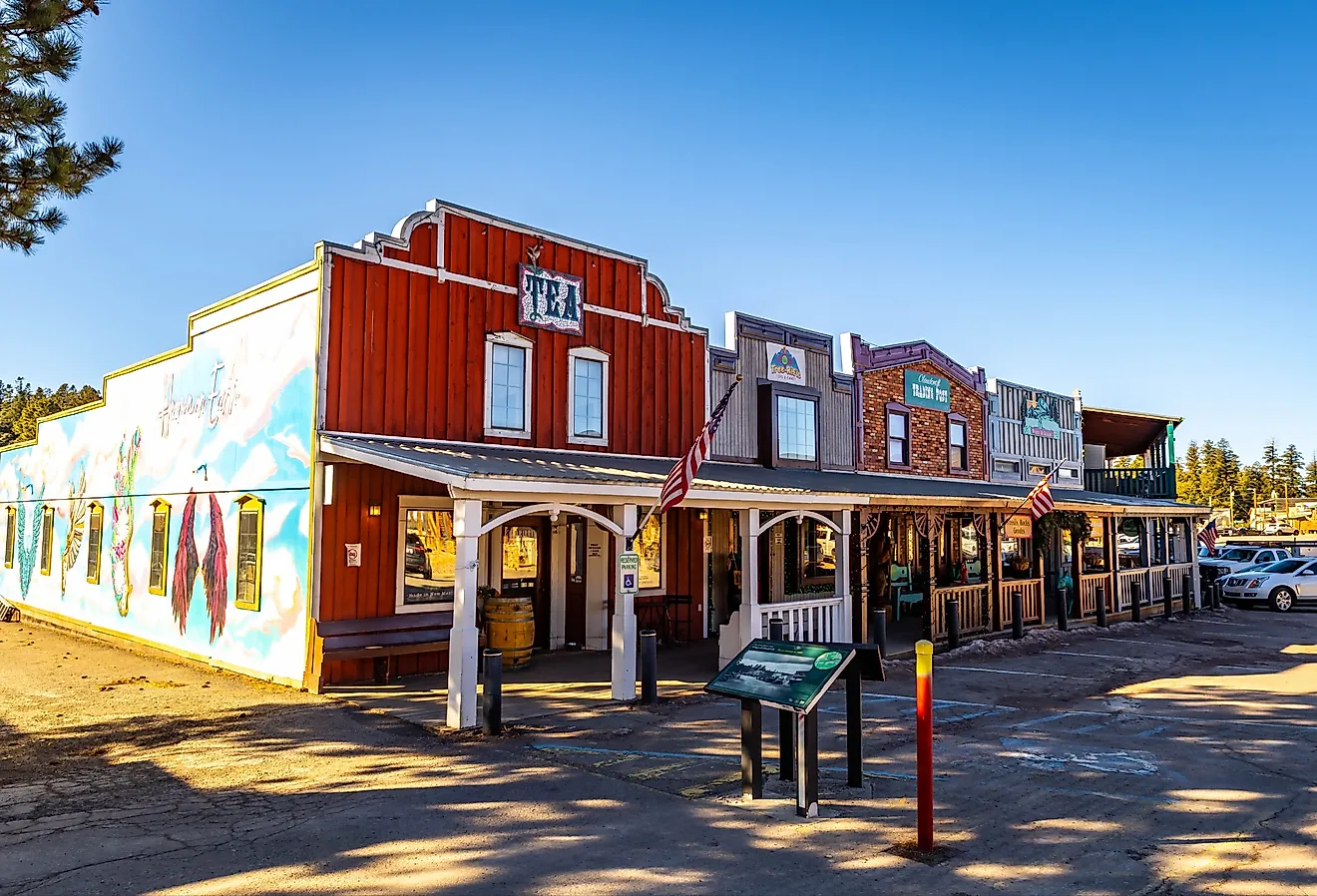
Julian Historic District gives visitors the old storefronts, shops, and cafés that make the town easy to walk. Eagle Mining Co. keeps the gold-rush story accessible with a guided look inside restored tunnels and the mining work that shaped Julian's early years. Volcan Mountain Wilderness Preserve offers hiking and views across the backcountry. Cuyamaca Rancho State Park is close enough to make Julian a natural base for a slower mountain weekend. Julian's appeal is clear with a walkable historic center, a strong apple-pie tradition, and mountain scenery nearby.
Los Alamos

Los Alamos has a population of a little above 1,000, but it has developed a reputation that is larger than the town itself. Set along Highway 135 in Santa Barbara County, it gives visitors access to wine country while feeling more relaxed than some of the area's busier stops.

The town's slower pace is centered on Bell Street, where old buildings, tasting rooms, restaurants, and small shops line the main drag. Bob's Well Bread Bakery has become one of the most recognizable commercial stops, while Skyview Los Alamos preserves a mid-century motel feel above town. Nearby vineyards have helped Los Alamos grow into a more noticeable wine-country stop, but it still feels compact, casual, and centered around one main street.
Dunsmuir

Dunsmuir sits along the upper Sacramento River, with Mount Shasta country rising around it. The town's population is roughly 1,400, and its history is closely tied to the railroad, fishing, and the mountain corridor that still shapes travel through the region. The Sacramento River shapes much of Dunsmuir's slower pace. Hedge Creek Falls is one of the town's easiest natural stops, with a short trail leading to a waterfall and a cave-like space behind it. Dunsmuir Botanical Gardens adds a quiet park setting along the water, while Tauhindauli Park and Trail follow part of the river corridor. The town's railroad history still shows in its downtown and Amtrak stop, tying Dunsmuir to the rail corridor that helped shape its growth along the upper Sacramento River.
Nine Different Versions Of Slow
A slower pace looks different across California. Carmel-by-the-Sea and Cambria use the coast to quiet things down. Ojai leans into valley light, trails, and a downtown that stays manageable. Mendocino and Ferndale preserve history in ways that feel specific rather than staged. Julian and Dunsmuir bring the mountains into the picture, while Nevada City and Los Alamos show how a small downtown can still give visitors plenty to do without crowding the day. None of these places requires a packed schedule to make the trip feel worthwhile. The slower pace of these towns is not about the absence of things to do but the freedom to enjoy them without rushing.