7 Most Scenic Drives in Tasmania
Known for its 6,100-square-mile (15,800-square-kilometer) Tasmanian Wilderness World Heritage Area, Tasmania is rich in wildlife and distinctive landscapes. With glacier-carved mountain peaks, lush rainforests, deep caves, and countless lakes and rivers in the area, Tasmania is no stranger to scenic drives. The following seven most-scenic drives in Tasmania will take you through just about every type of landscape the Australian state has to offer.
Bass Highway

The Bass Highway (National Highway 1) is the artery that connects the major cities and towns in Northern Tasmania. The route begins in Launceston, running about 170 miles (278 kilometers) along the coast through Devonport, Burnie, and all the way to Marrawah. The drive can be enjoyed in a single day or spread out across a multi-day road trip for maximum enjoyment. Keep in mind that traffic can be heavier near Devonport and Burnie, especially during peak travel periods.
Beginning in Launceston, take the Bass Highway toward Devonport. Driving through Devonport, you will cross the Mersey River and continue on your way toward the coast. In Lillico, you can stop at the viewing platform to see the penguins on the beach during their nesting season. The highway continues, crossing the Leith Bridge over the River Forth. The highway winds its way through coastal towns, like Heybridge, where you can visit Tioxide Beach, or travel further up the highway to South Burnie Beach in South Burnie.
Tamar Valley Wine Route

As one of the world’s premium cool climate wine regions, the Tamar Valley is no stranger to a wine tour. The Tamar Valley Wine Route is a scenic drive that encompasses over 30 vineyards and wineries. Between the lush views of the orchards from the rows, and the ample opportunities to stop in for wine tasting this drive is worth the trip.
The route starts in Beauty Point and follows the River Tamar on the W Tamar Highway. The road winds along the river, with breathtaking views of water before you reach wine country, where the environment shifts from waterside to greenery. The Moores Hill Estate is the first winery you will see from the road, the first of many within proximity on this stretch of the highway.
Continuing along the highway toward Rosevears, you can stop at Bradys Lookout State Reserve, with plenty of overlook areas to view the Tamar Conservation Area. Continuing on your journey toward Launceston. Here, there are several wine stops to see, like the Highclare Estate Wine Room.
Huon Valley Day Drive

The Huon Valley Day Drive winds through Huonville to the southernmost point of the country reachable by car.. The drive winds around the foothills of Mount Wellington and offers incredible scenery, from lush forestry, mountain ranges, winding rivers, and fields of fruit orchards, there are plenty of breathtaking sights to see.
Starting in Huonville, take the Huon Highway southbound toward Geeveston. Following the Huon River, you will pass through the towns of Franklin, Castle Forbes Bay, and Port Huon on the way to Geeveston. In Geeveston, you can stop and enjoy the local wildlife, including a stop at the Platypus Viewing Platform. Continuing on the highway toward Dover, you can stop at the Dover Museum and Gallery, or see historical landmarks, like the Old Brick Kiln, from the road.
Continuing south, you will make a detour to Highway C636 near Southport toward Hastings. Follow the Lune River for a stretch and drive until you reach Cockle Creek Road. This road will take you to Cockle Creek, the southernmost point of Australia that can be accessed by vehicle.
Cradle Mountain Day Drive

The Cradle Mountain Day Drive is a full-day adventure ending at Cradle Mountain-Lake St. Clair National Park. The drive follows Mole Creek Road on the way to the park, with a winding road and a wide range of topographical feats to admire on your journey.
Starting in Deloraine, take Mole Creek Road toward the town of Mole Creek. On the way, you can enjoy views of Lobster Falls and visit Trowunna Wildlife Sanctuary, with its giant statue of a Tasmanian devil marking the entrance. Mole Creek is home to several natural caves, with guided tours available for those looking to make an excursion. Continue on Highway B12 until the road becomes Olivers Road. This winding road is surrounded by bushland.
Cross the Mersey River and continue driving toward Cradle Mountain. Along the way, you can see Olivers Falls and stop at the Mersey Valley Scenic Lookout to enjoy the views of the lush bushland and treetops. Olivers Road will continue to snake through the valley until you reach the intersection at C136 Claude Road. Take a left and follow the signage leading to Cradle Mountain until you reach the gates of the park. At the park, you can enjoy walks along the trails and learn about the topography and wildlife of the area.
Tasman Peninsula

Listed as one of the best attractions in Australia, the Tasman Peninsula is a top spot for your road trip destinations. Just a short drive through the backroads from Hobart, the Peninsula is home to geological wonders, wildlife habitats, and historical ruins. Starting in Hobart, cross the Tasman Bridge and stop to enjoy views of the Royal Tasmanian Botanical Gardens and the Hobart Floating & Tasman Bridge. Take the B31 Cambridge Road and continue when the road changes to B51 Richmond Road with views of the Observatory Hill Wines winery on the way.
Continue through Richmond toward Dunalley, enjoying views of the Brinktop Bushland Reserve and Rayburn Farm while you drive. From Dunalley, head toward Eaglehawk Neck. The road follows the coastline of Dunalley Bay, with excellent views of the water from the road. Near Eaglehawk Neck, you can stop at Tasman National Park, with multiple lookout spots to enjoy the scenery. From here, you will take Arthur Highway to Port Arthur, a world heritage-listed location with plenty of opportunities to learn about the history of the area.
Highland Lakes Road

Highland Lakes Road is a lower traffic option for those looking for a peaceful drive. With multiple possible routes and stops to make along the way, this drive has plenty of road trip sightseeing potential. Starting in Golden Valley, follow Highland Lakes Road toward Breona. On the way, the road will snake through the Quamby Bluff and Liffey forest reserves, with nearby walking trails and views of Liffey Falls to enjoy. Just before Breona is the Great Lakes Lookout for a breathtaking view over the water.
Continue on the road toward Miena, with potential stops at Rainbow Point Conservation Area, and Great Lake Point. In Miena, the road follows along Haddens Bay and passes by Shannon Lagoon. Continue on Highland Lakes Road to the Steppes Conservation Area, where you can spend time enjoying the natural beauty and historical landmarks that mark the area.
Great Eastern Drive (Tasman Highway A3)

The Great Eastern Drive is a multi-day drive with roads lined by beaches and forest land. This choose-your-own-adventure drive features the East Coast Wine Trail, bare granite peaks, and the picturesque Wineglass Bay, allowing you to make the most of your journey. Starting in Buckland, take the Tasman Highway heading toward Triabunna. You will pass by Three Thumbs State Reserve, before the road curves to follow Prosser Bay, with multiple stops to enjoy the beach. Continue on the highway toward Little Swanport and enjoy the view of the rocks and water from Saltworks Historic Site.
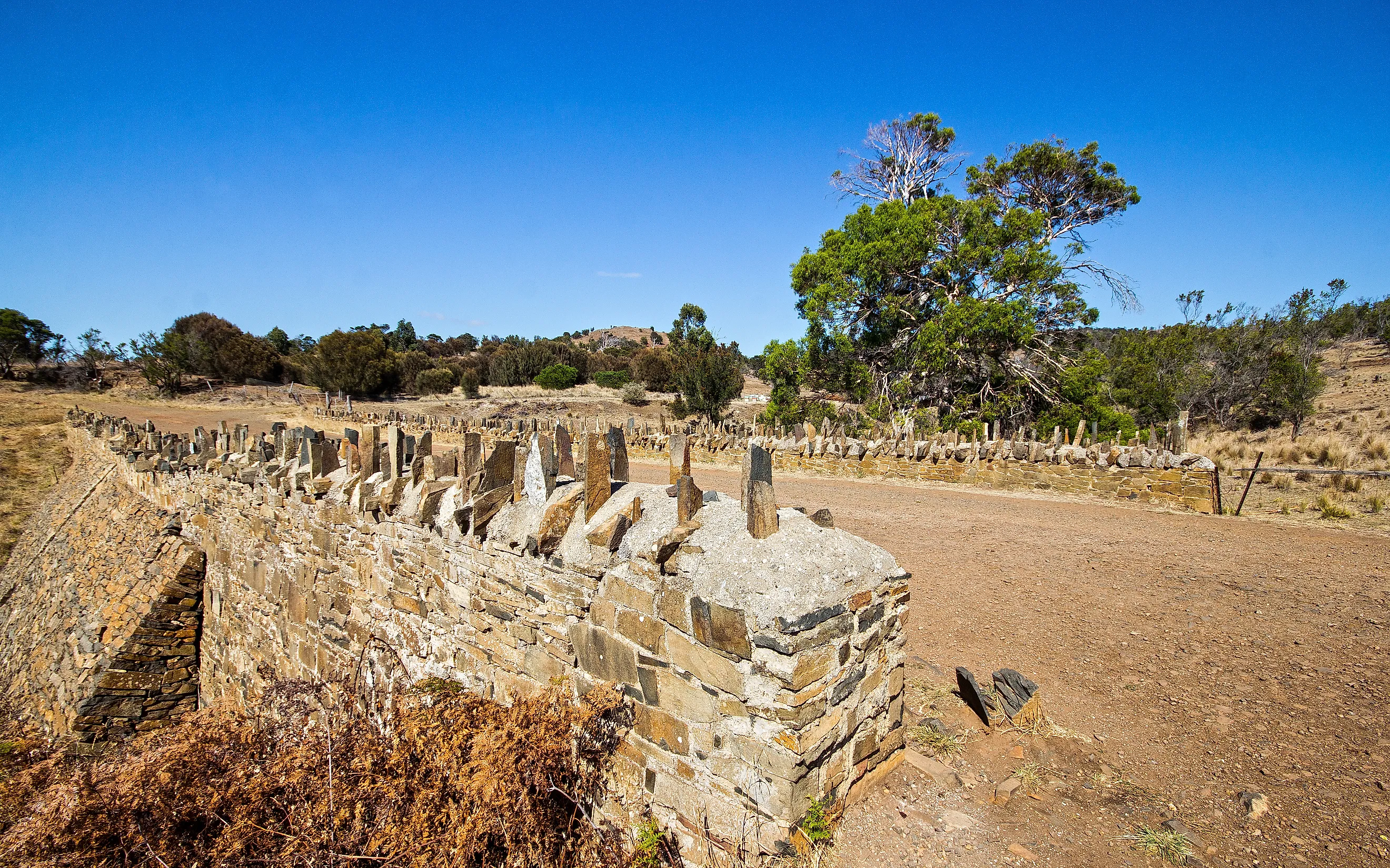
Continue toward Swansea where you can see the historic Spiky Bridge near Spiky Beach; convicts constructed the bridge in the mid-1800s. Here you can also find opportunities to whale watch on the National Whale Trail. The highway continues through Swansea along the coast, offering views of Great Oyster Bay and the surrounding coastline, before heading toward Freycinet National Park, home to the famous Wineglass Bay. Continue on the Tasman Highway until you reach Douglas-Apsley National Park to enjoy the natural beauty of the area.
Tasmanian Tourist Travel Tips
Driving in Tasmania is generally straightforward, with well-maintained roads connecting even its more remote regions, though many routes are narrow and winding. Weather conditions can change quickly throughout the day, particularly in alpine and coastal areas, so drivers should be prepared for rain, fog, and cooler temperatures even in summer.
The best time for scenic drives is typically from November through April, when days are longer and conditions are milder. Wildlife is common across the island, especially at dawn and dusk, so extra caution is advised during these times. Fuel stops can be limited in rural areas, making it important to plan ahead on longer drives.
Whether you’re looking to explore the rainforests and national parks, spot local wildlife from the road, or journey to the southernmost point of the country, Tasmania has a route for you to follow. From the coastal beauty of the Great Eastern Drive and the wildlife-rich Tamar Valley Wine Route to the rugged wilderness surrounding Cradle Mountain and the remote stretches leading to Cockle Creek, each drive showcases a unique side of the island.