8 Unsung Small Towns in Massachusetts
Massachusetts often brings to mind the busy streets of Boston, the witch trials of Salem, or the sandy stretches of Cape Cod during peak season. However, the spirit of the Bay State also lives in quieter corners. Beyond the major highways and well-known cities, a collection of overlooked communities offers a slower, more grounded New England experience. From the misty peaks of the Berkshires to the salty air of the North Shore, these places provide history, art, and nature without the heavy crowds.
Visitors who venture off the beaten path will find distinct local identities shaped by history and geography. Some towns have transformed old red-brick mills into art spaces, while others preserve colonial streetscapes and working harbors. Together, these eight destinations show how much of Massachusetts unfolds away from its most familiar stops.
Shelburne Falls

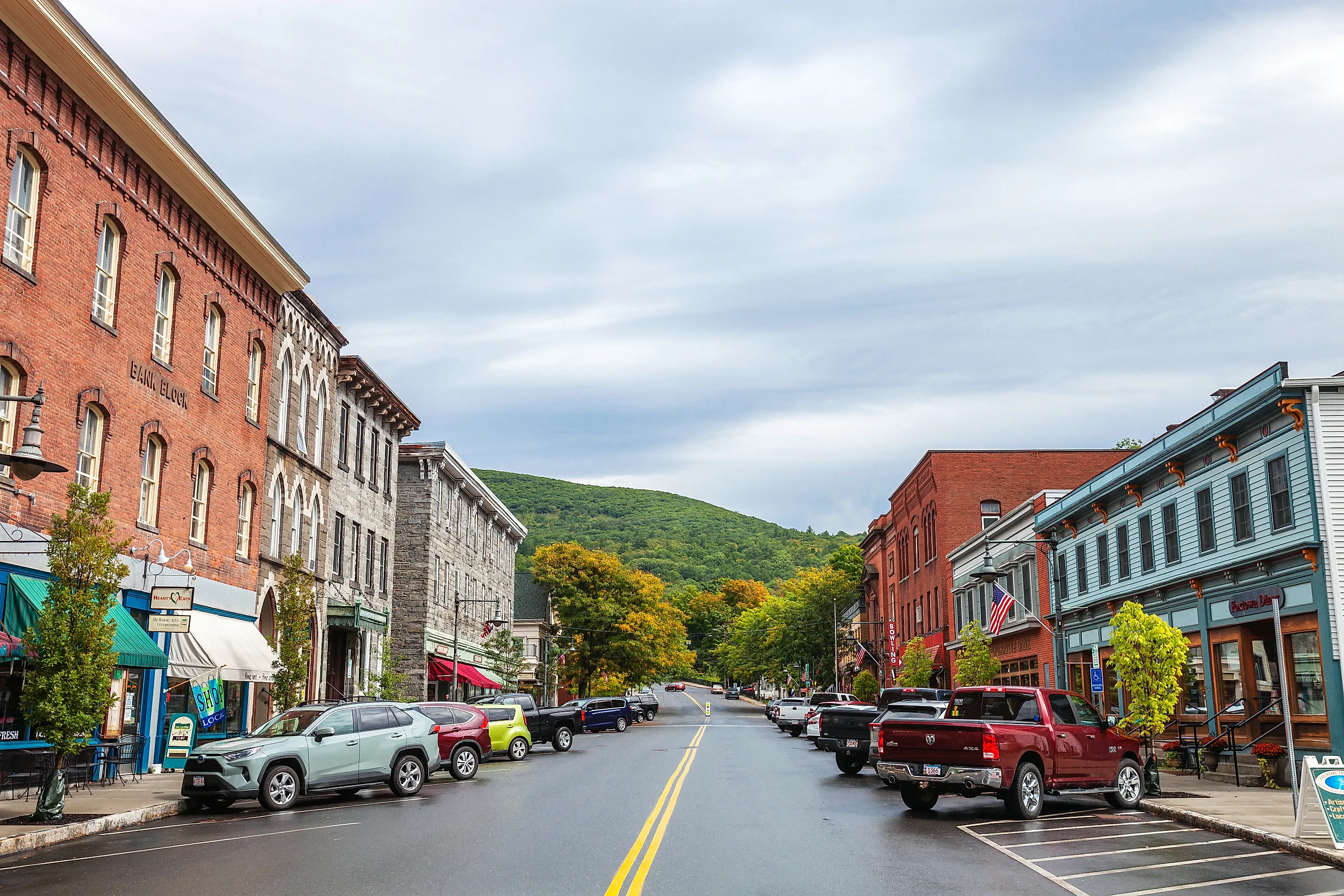
The Deerfield River runs through the center of Shelburne Falls, but the way locals connect the two sides is unusual. When the old trolley tracks shut down, residents did not tear down the bridge; they planted a garden on it. Today, the Bridge of Flowers is a walkway covered in tulips, vines, and shrubs that bloom from spring to fall. It is a one-of-a-kind spot where visitors can stroll across the water, surrounded by color instead of traffic, open annually from April 1 to October 31, weather permitting.

Below the bridge, the river reveals a natural feature known as the Glacial Potholes. These are smooth, circular holes in the rock, some as wide as a house, carved by swirling water and stones during the Ice Age. Nearby, Trolley No. 10 sits at the local museum. The restored 1896 car offers a short ride that reflects how people once traveled through the area more than a century ago.
North Adams

North Adams once centered on manufacturing and industry, but today it is shaped by creative reuse. Rather than removing its old brick buildings, the community has given them a new purpose. The most visible example is Mass MoCA, a large art museum housed inside a former factory complex. The expansive rooms allow for installations on a scale that would not fit in traditional galleries, creating an experience that feels exploratory even for visitors who do not usually seek out art museums.

The surrounding landscape is as notable as the cultural sites. At Natural Bridge State Park, visitors can walk to see the only natural white marble arch in North America. Carved by melting ice thousands of years ago, the bridge spans a deep opening in the bedrock. Nearby, Western Gateway Heritage State Park presents the history of the workers who dug the Hoosac Tunnel through the mountains to connect Boston with upstate New York.
Stockbridge

Stockbridge appears much as it did in the paintings that made it widely recognizable. The town was home to artist Norman Rockwell, who used local streets and residents as subjects for his work. Many of his original pieces are displayed at the Norman Rockwell Museum, which sits on a landscaped property overlooking the valley. The setting offers context for how the surrounding area influenced images familiar to many Americans.

The town also reflects a broader cultural history. The Naumkeag estate is a Gilded Age home with formal gardens, including the well-known Blue Steps. Nearby, Tanglewood serves as the summer home of the Boston Symphony Orchestra. During the season, visitors can listen to performances from the lawn, where music carries across the grounds on warm evenings.
Hudson

Hudson was once known for shoe manufacturing, but after the factories closed, the town developed a strong food and drink scene. That shift has brought new life to its compact downtown. Walking along Main Street, visitors pass brick buildings that now house places such as New City Microcreamery and Medusa Brewing Company, both of which draw steady local crowds.

The Assabet River Rail Trail runs directly through the center of town. The paved path supports walking and biking and crosses the river on a former train trestle. For a different kind of visit, the American Heritage Museum displays a large collection of tanks and military vehicles. The exhibits allow visitors to view the machinery up close and place it within a broader historical context.
Newburyport

Newburyport is a coastal city shaped by its long connection to the sea. In the 19th century, it was a major center for shipbuilding, and that period of prosperity left behind a downtown filled with brick commercial buildings. Market Square sits at the center, surrounded by streets that have changed little over time. To better understand the city’s maritime role, the Custom House Maritime Museum presents artifacts from an era when local captains traveled widely to trade goods.

A short drive from downtown leads to Plum Island, a narrow barrier island facing the Atlantic Ocean. Much of the island falls within the Parker River National Wildlife Refuge, an area of dunes and marshes. The refuge supports more than 300 bird species, including resident and migratory birds. In summer, the beaches draw visitors, while boardwalks offer views of the landscape in every season.
Rockport

Rockport, located at the tip of the Cape Ann peninsula, has drawn painters for more than a century. Motif No. 1, the iconic red shack on Rockport’s waterfront, is frequently called the most painted building in America. The building you see today is a reconstruction, rebuilt after the Blizzard of 1978. It sits near Bearskin Neck, a narrow stretch lined with former lobster shacks that now house shops and galleries. The area reflects the town’s shift from a working harbor to an arts-centered village.

Beyond the harbor, the landscape changes at Halibut Point State Park. Once a large granite quarry, the site supplied stone used to pave streets in Boston and New York. Today, the quarry pit is filled with water, and trails circle the rim. From the paths, visitors can see remnants of the quarry and open views of the Atlantic.
Sandwich

Sandwich is the oldest town on Cape Cod, settled in 1637. While many travelers pass through on the way to outer Cape beaches, the town has a distinct history tied to glassmaking. During the 1800s, it gained international recognition for its glass production. That legacy is preserved at the Sandwich Glass Museum, where glassblowers continue to shape molten glass in view of visitors.
Heritage Museums & Gardens offers a different perspective on the town’s past. The grounds include an extensive collection of rhododendrons and a working antique carousel. For time outdoors, the Sandwich Boardwalk stretches across the salt marsh to a quieter beach. The walk provides open views of the surrounding landscape without the activity found in busier parts of the Cape.
Oak Bluffs

Oak Bluffs presents a setting unlike anywhere else in New England. The town began as a religious summer retreat in the 1800s, where canvas tents were gradually replaced by small, brightly painted wooden cottages. Known as the Gingerbread Cottages, these houses feature ornate trim and narrow lanes that form the heart of the Martha’s Vineyard Camp Meeting Association. Walking through the area feels distinctly different from the surrounding neighborhoods.

Near the harbor, the Flying Horses Carousel, which has been open since 1884, currently operates on weekends during the Spring and daily during the Summer. It is the oldest platform carousel in the country, and riders still reach for the brass ring during each rotation. Nearby, Inkwell Beach remains an important gathering place with a long history as a vacation destination for African American families. Today, it remains a popular spot for swimming during the summer months.
Quiet Corners Worth the Detour
Massachusetts offers more than its well-known cities and seasonal beach towns. Across the state, smaller destinations reflect local history, creative reuse, and everyday life away from the busiest routes. Together, these eight places show how varied the Bay State can be beyond its most familiar names.
Whether the draw is a flower-lined bridge, a former factory repurposed for art, or a long-standing carousel near the water, each destination offers a different way to experience the state. For travelers willing to take a short detour, these towns provide a quieter view of Massachusetts shaped by place rather than crowds.