8 Off-The-Beaten-Path Towns In Oregon
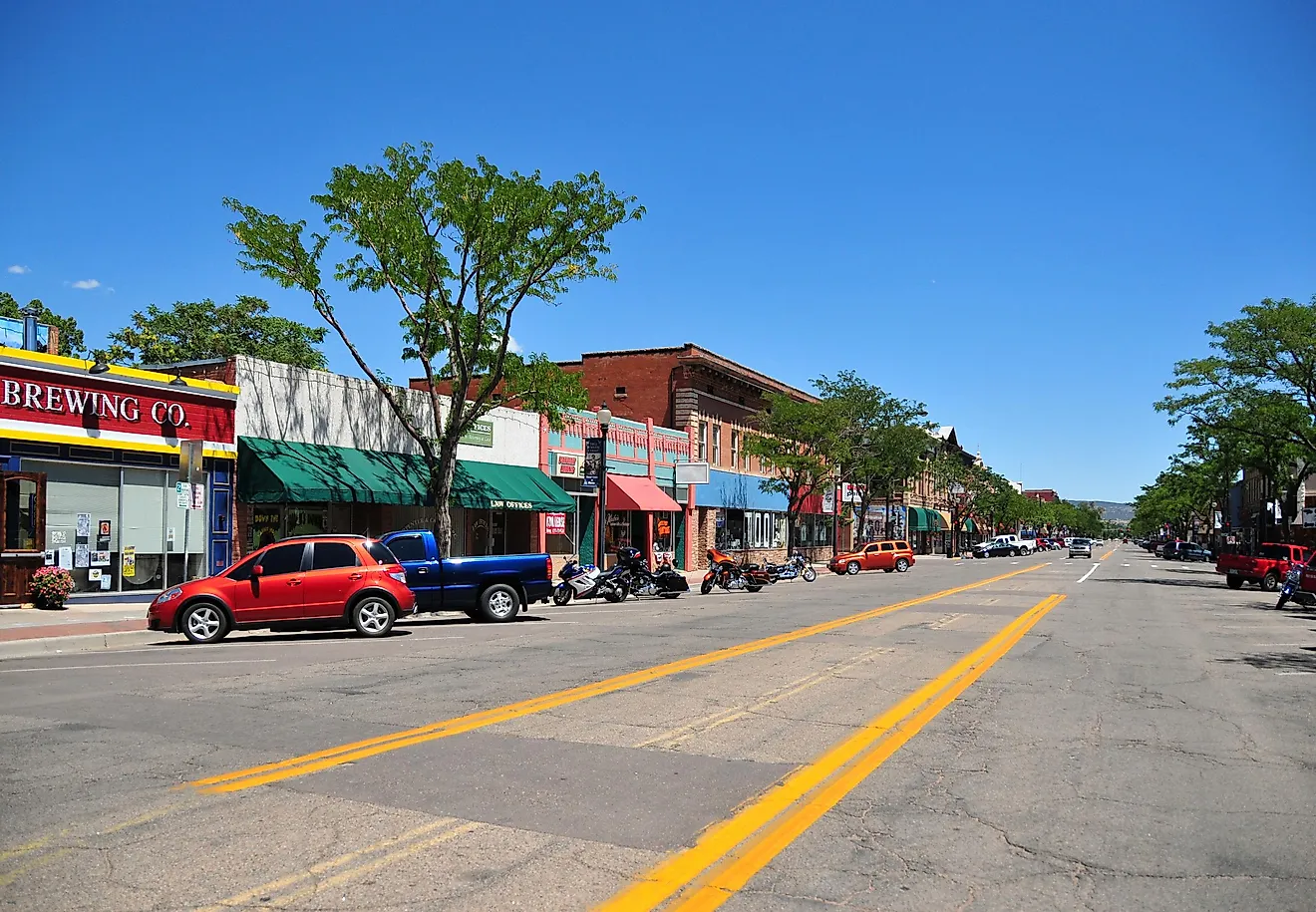
Oregon has plenty of memorable, off-the-beaten-path towns for you to explore. Silverton has the Trail of Ten Falls, Cottage Grove boasts historic covered bridges, and Jacksonville's downtown storefronts are still standing from the 1850s gold rush. On the coast, Yachats sits next to Thor's Well and Devil's Churn at Cape Perpetua, and Florence is home to the famous Heceta Head Lighthouse and Sea Lion Caves. Farther inland, Sisters looks out at the Three Sisters volcanoes, Camp Sherman surrounds the spring-fed headwaters of the Metolius River, and Prairie City sits at the base of the Strawberry Mountain Wilderness.
Silverton

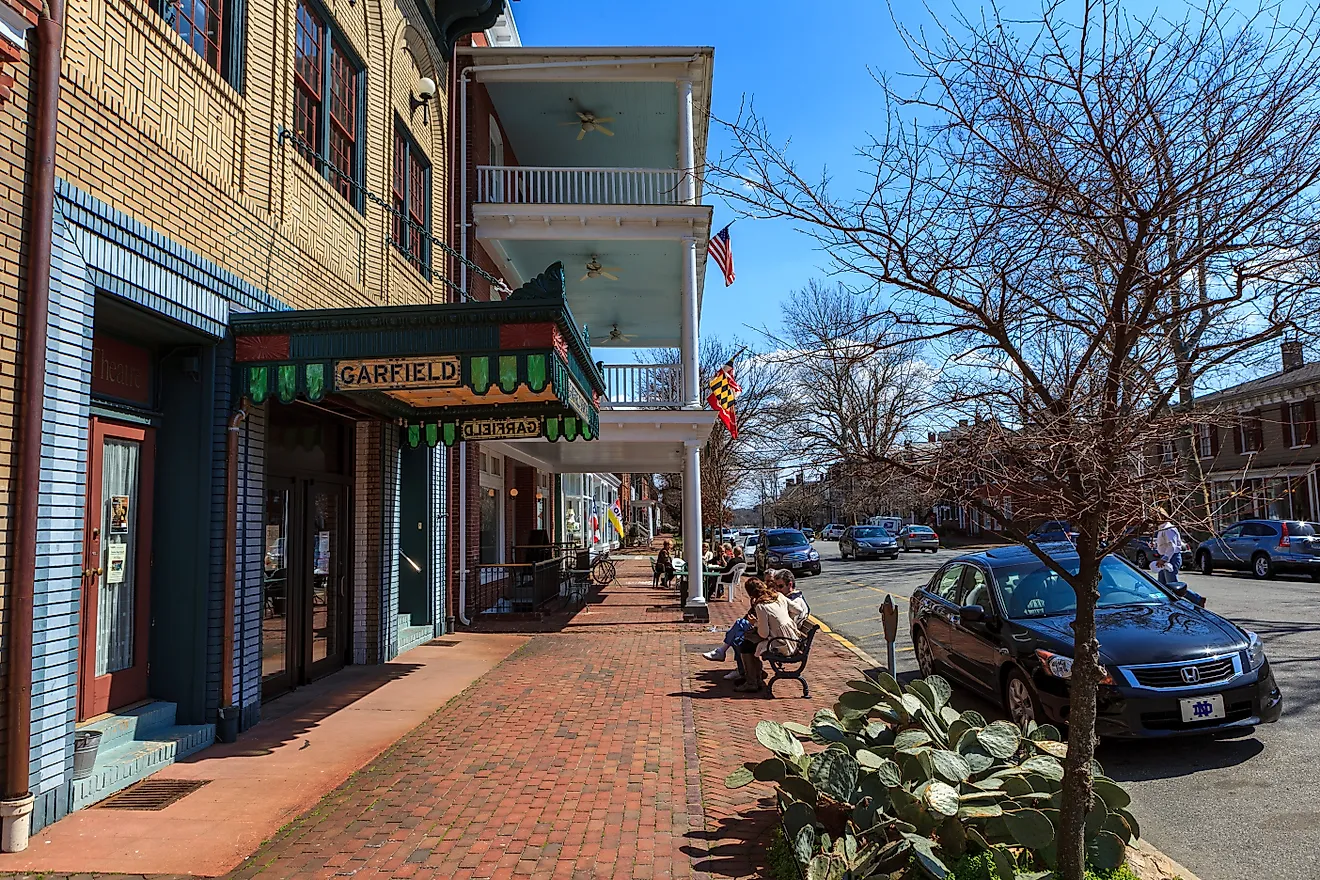
Silverton serves as a gateway to Silver Falls State Park, where the Trail of Ten Falls threads a 7.2-mile loop past ten waterfalls. One of many, South Falls drops 177 feet in a single curtain that hikers can walk directly behind. Closer to downtown, more than 30 murals painted across brick storefronts give the town its own open-air gallery, a project the Silverton Mural Society has carried on since 1992 and mapped out in a free walking app. A short drive from downtown, the Oregon Garden spans 80 acres of themed plantings. It sits beside the Gordon House, Frank Lloyd Wright's only design built in Oregon, which was saved from demolition and relocated to Silverton in 2001.
Cottage Grove

Cottage Grove is about 95 miles south down the valley from Silverton. Six covered bridges stand in and around Cottage Grove along a 20-mile driving route, although current pedestrian and vehicle access varies by bridge. The Mosby Creek Covered Bridge was built in 1920 and remains Lane County's oldest covered bridge still open to traffic. The Chambers Railroad Covered Bridge is believed to be the only surviving covered railroad bridge west of the Mississippi River. Its restoration was completed in November 2011, and it now carries walkers and cyclists over the Coast Fork Willamette River. Ten murals along Main Street add a second layer of history, including one honoring Buster Keaton's 1926 silent film "The General," which was filmed in part on a rail line near town. East of downtown, Dorena Lake covers 1,840 acres and 13 miles of shoreline, offering paddlers and swimmers a retreat surrounded by conifer forest.
Jacksonville

Jacksonville is another 144 miles south. Its downtown was named a National Historic Landmark in 1966, the first such designation in Oregon. Visitors will have the chance to walk among storefronts from the 1850s gold rush still standing along California Street. The Beekman House was built in the 1870s for banker Cornelius Beekman and opens for costumed living-history tours on select summer Saturdays, its rooms still furnished with the family's own belongings. On the east edge of downtown, Britt Gardens occupies the historic site of photographer and horticulturist Peter Britt's former home and formal garden, added to the National Register of Historic Places in 2020. The grounds include the Jacksonville Woodlands trailhead and host the Britt Music and Arts Festival each summer on an outdoor hillside stage.
Florence

Florence is roughly 190 miles from Jacksonville, on the coast at the mouth of the Siuslaw River. About twelve miles north of town, Heceta Head Lighthouse has stood on a two-hundred-foot bluff above Cape Creek since it was first lit in March 1894, its beam still visible twenty-one miles out to sea. A short drive south of the lighthouse, Sea Lion Caves has operated as a private wildlife preserve since 1932. An elevator drops visitors into America's largest sea cave, home to wild Steller sea lions. South of town, the Oregon Dunes National Recreation Area holds the largest expanse of coastal sand dunes in North America. Some rise 500 feet above sea level, and the dunes are open for hiking and sandboarding. In town, Old Town Florence runs along the Siuslaw River with galleries, bookstores, and riverfront dining beneath the 1936 Siuslaw River Bridge.
Yachats

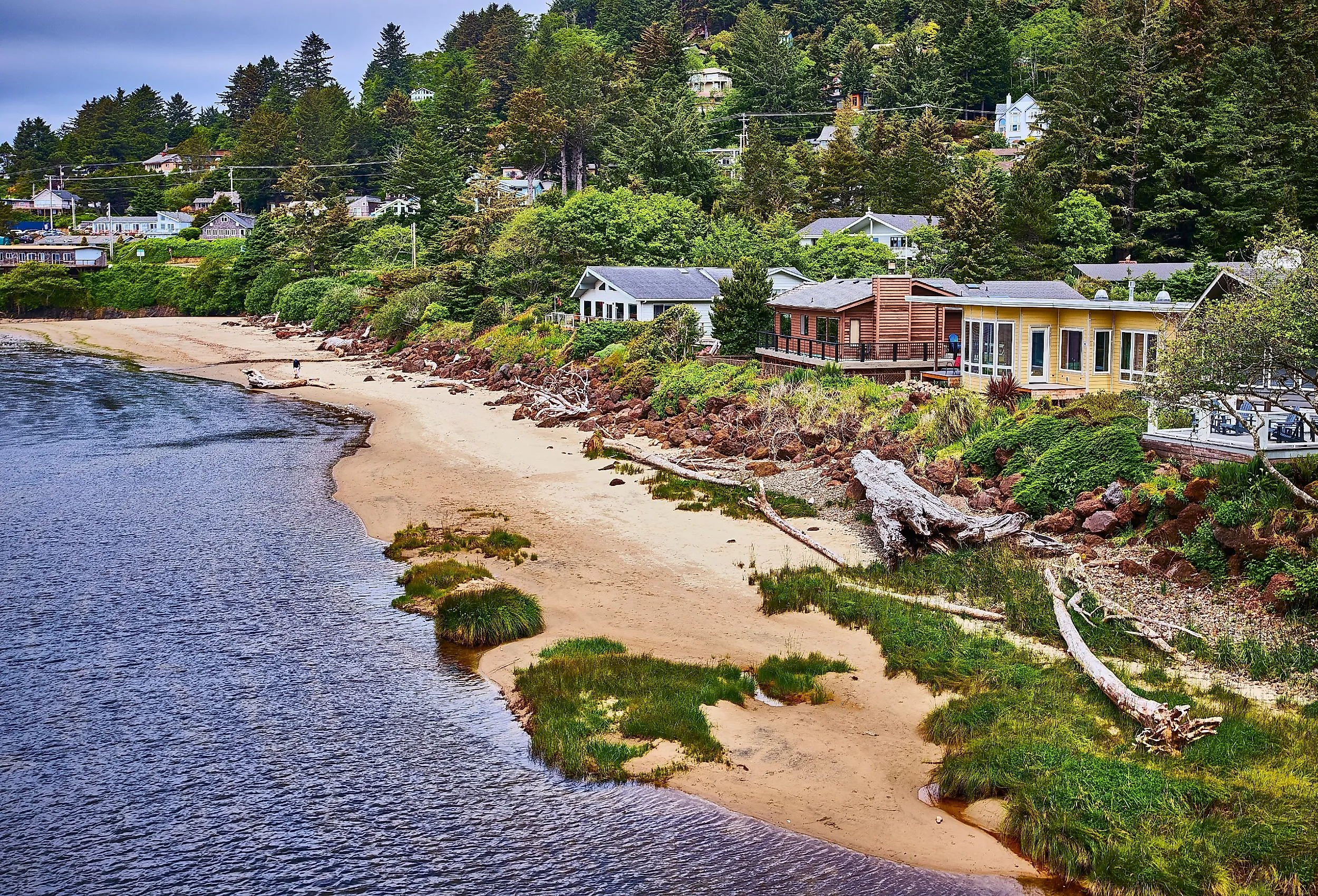
Yachats sits 25 miles north of Florence on Highway 101. Cape Perpetua Scenic Area lies just south of town, where Thor's Well drains and refills with each incoming wave at Cook's Chasm. Devil's Churn, a short walk down the same stretch of shoreline, sends spray into the air as waves push through a narrow rock channel. Inland from the Visitor Center, the Giant Spruce Trail covers two miles round trip through old-growth forest to a Sitka spruce more than 500 years old. In town, the 804 Trail follows the waterfront north from Yachats State Park through Smelt Sands State Recreation Site before reaching seasonal stairs to a long sandy beach. Luna Sea Fish House, on Highway 101 in Yachats, is open daily and serves locally harvested seafood, including fish caught from the owner's boat.
Sisters

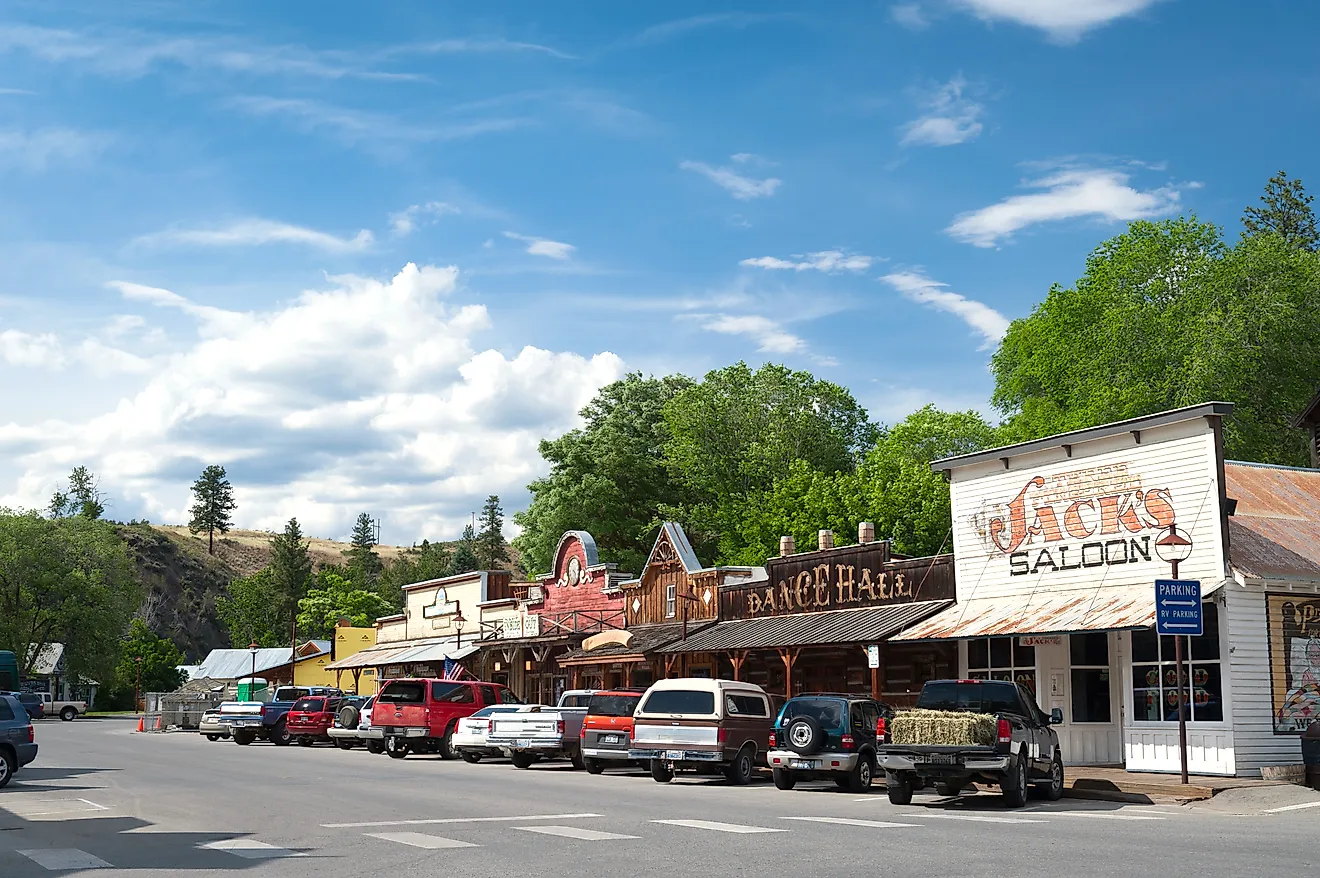
Sisters is roughly 177 miles east of Yachats across the Cascades on Highway 20. The town takes its name from three volcanic peaks to the west: North Sister, Middle Sister, and South Sister, once known as Faith, Hope, and Charity. Each peak climbs over 10,000 feet and is visible from viewpoints around town. Downtown storefronts are styled with false fronts and wood awnings after the town's 1880s frontier days. On the second Saturday of July, the Sisters Outdoor Quilt Show displays more than 1,000 quilts on buildings, fences, and public spaces throughout downtown for one day. The Peterson Ridge Trail system covers more than 20 miles of single track on the edge of downtown, with its main trailhead a short walk south of Main Street.
Camp Sherman

Camp Sherman is about 15 miles northwest of Sisters, surrounding the headwaters of the Metolius River. A spring at the base of Black Butte feeds the river with water clear enough to see trout swimming through it. The Head of the Metolius observation site is an easy walk from the parking area and stays open all year with no entrance fee. Downstream, the West Metolius River Trail runs 5.5 miles round trip between Lower Canyon Creek Campground and the Wizard Falls Fish Hatchery, where visitors can watch kokanee salmon and rainbow trout being raised for release. The Camp Sherman Store and Fly Shop was established in 1918 by farmers from Sherman County and still sells groceries, deli food, and fishing gear from its riverside building.
Prairie City

Prairie City is roughly 168 miles east of Sisters in the Strawberry Mountains. The town developed from a former mining camp named Dixie and has kept the stone buildings its miners built along Front Street. The DeWitt Museum, inside a 1910 railway depot added to the National Register of Historic Places in 1981, displays railroad artifacts and household tools from the town's early years. It opens Friday and Saturday afternoons from May through September. Just south of town, the Strawberry Mountain Wilderness climbs to a summit of 9,038 feet, its slopes covered in the wild strawberries that gave the range its name. A loop of a little over a mile circles Strawberry Lake, reached by a climb of about 1.3 miles on the Strawberry Basin Trail, which carries on toward the wilderness's falls and high lakes. The trail is best hiked from July through October, once the snowpack has cleared.
Oregon's Quieter Corners
Oregon’s back roads lead to waterfall trails in Silverton, covered bridges in Cottage Grove, and gold-rush storefronts in Jacksonville. Along the coast, Florence and Yachats offer lighthouses, sea caves, and other ocean landmarks. Sisters, Camp Sherman, and Prairie City complete the journey with volcanic peaks, the Metolius River, and trails into the Strawberry Mountains.