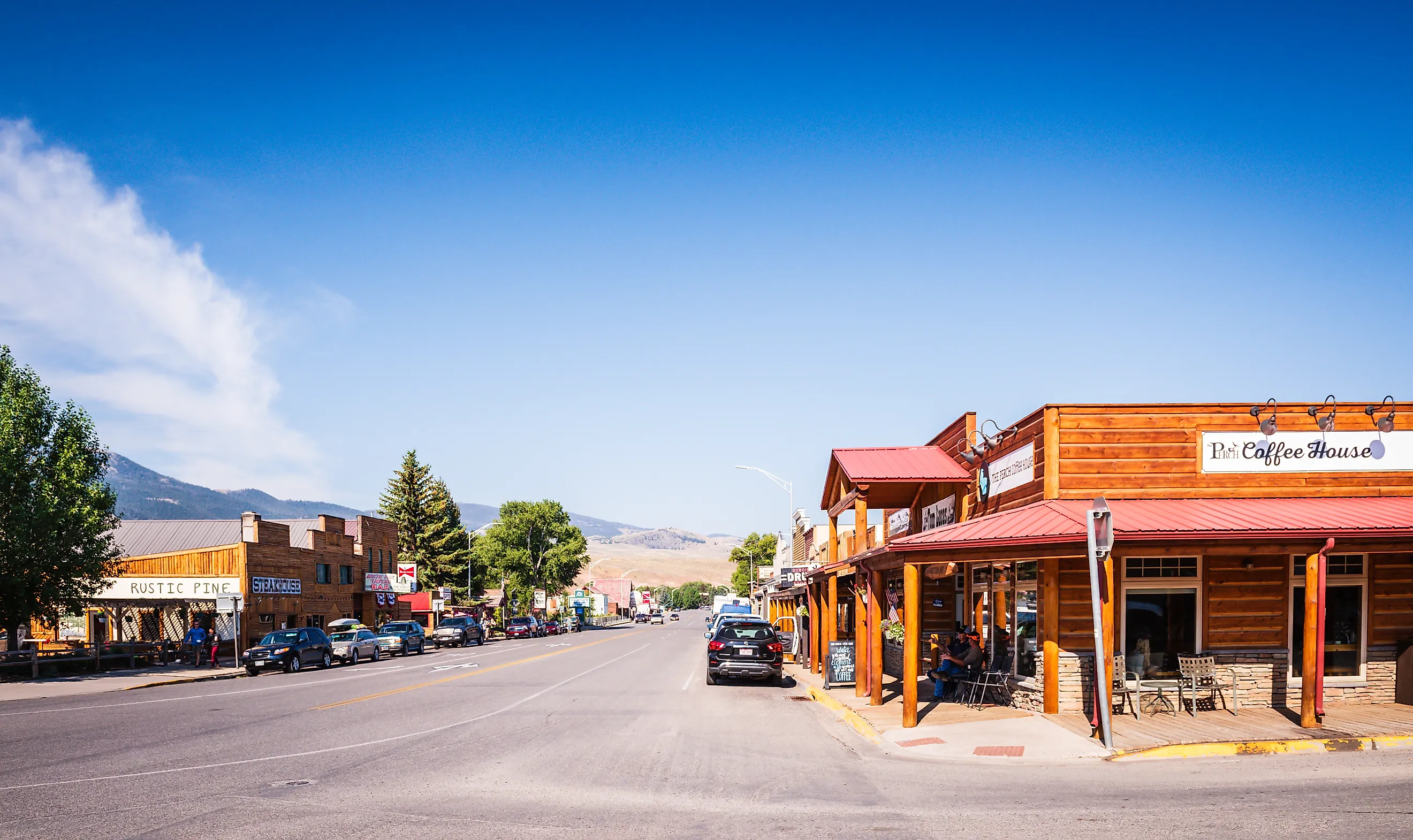
8 Of The Quietest Rockies Towns
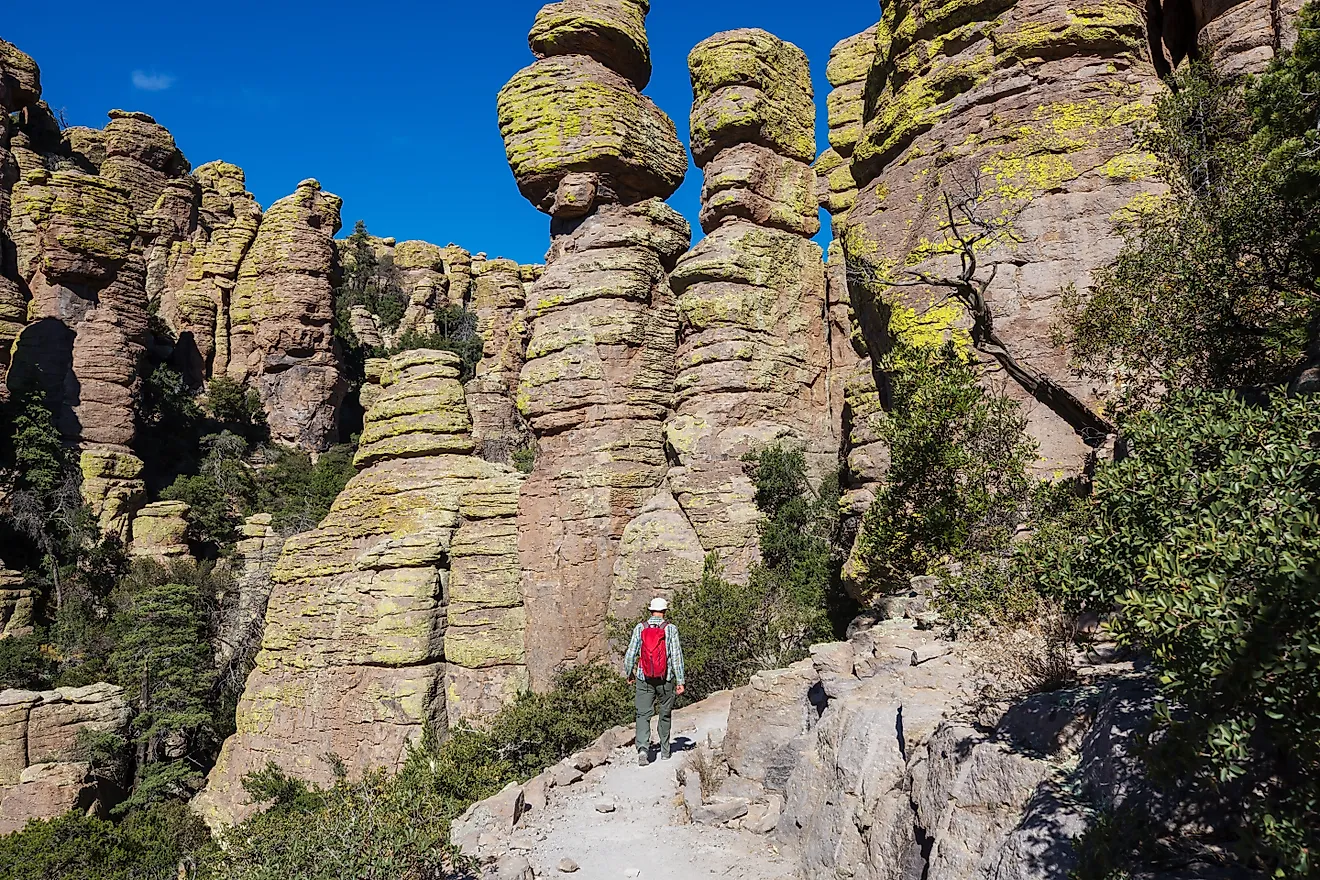
Hikers in Dubois, Wyoming, can climb a trail like Whiskey Mountain and never pass another person. That solitude is the appeal of the quietest towns in the Rockies. Lake City, Colorado, has a single paved road in or out, and Waterton, Alberta, lies inside a national park with no ski resort or nightlife to speak of. Crested Butte has no major highways or chain stores, and Driggs, Idaho, is on the empty side of the Tetons, away from Jackson. What is left is open trail and very little traffic.
Driggs, Idaho

In the Teton Valley on the western slope of the Teton range, Driggs is the place for anyone looking to avoid cities like Jackson, Wyoming, just over the mountain pass. With a population of just over 2,200, the town has a surprising amount to see and do. The historic Spud Drive-In Theater still shows films outdoors, the Royal Wolf is a local favorite for a bite to eat, and the Teton Scenic Byway makes for a peaceful drive.

Outdoor activity is the central goal for most who come here. Hiking and camping make for classic fun in the great outdoors, and the Teton River is a favorite for kayakers. In fall and winter, bird enthusiasts arrive to watch the annual migration of sandhill cranes undisturbed.
The surrounding landscape also offers easy access to Grand Teton National Park via the less-traveled Teton Canyon and Darby Canyon trailheads, both within 20 minutes of Driggs.
Red Lodge, Montana

Red Lodge lies at the edge of the Beartooth Mountains, serving as the northeastern gateway to Yellowstone National Park via the Beartooth Highway. Though known to some for its scenic byway, the town itself remains fairly quiet outside peak summer months.
Red Lodge's downtown core is lined with early 20th-century brick buildings, giving it a nice historic touch. Its distance from major cities and lack of large-scale development have preserved its small-town scale, a practical option for those seeking solitude in the Rockies without giving up modern amenities. Accommodations like The Pollard Hotel can be found in the middle of town, and numerous shops and restaurants, including the longstanding Bogart's Restaurant, are just steps away down the street.

The Yellowstone Wildlife Sanctuary, just outside of town, provides a low-key opportunity to learn about regional species in a non-zoo setting. Hiking trails into the Absaroka-Beartooth Wilderness also begin a short drive from downtown, including access to Lake Fork and Glacier Lake Trail, both notable natural landmarks in this part of Montana.
Ouray, Colorado

Between deep canyon walls in the heart of the San Juan Mountains (a southern part of the more extensive Rocky Mountain range), Ouray is appropriately referred to as the "Switzerland of America." Ouray stands out with its public hot springs, which are fed by geothermal activity. What really adds to the experience in these springs are the 360-degree views of the mountains around town, a perfect place to relax and take in the area's outstanding natural scenery.

In winter, the Ouray Ice Park brings in ice climbers, and summer and fall bring hikers and campers to local trails, including the Perimeter Trail, a 5.6-mile loop with elevated views that connects to waterfalls and former mining sites. One other easy-to-reach natural landmark, accessible from downtown, is Box Cañon Falls Park, which features a boardwalk and trails that go deeper into the canyon, leading to backcountry campgrounds and more viewpoints along Canyon Creek.
Even with all it offers, this town of fewer than 1,000 residents maintains a laid-back pace practically all year long, without the crowds seen in other San Juan towns like Durango or Ridgway.
Lake City, Colorado

With only one paved road in or out and a year-round population under 500, Lake City is one of the most isolated towns in the Colorado Rockies. The quiet here is not curated. It is a byproduct of geography, limited access, and a community more invested in preservation than growth. Lake City lies deep within the San Juan Mountains, surrounded by five fourteeners (mountains over 14,000 feet) and over a million acres of national forest in all directions.
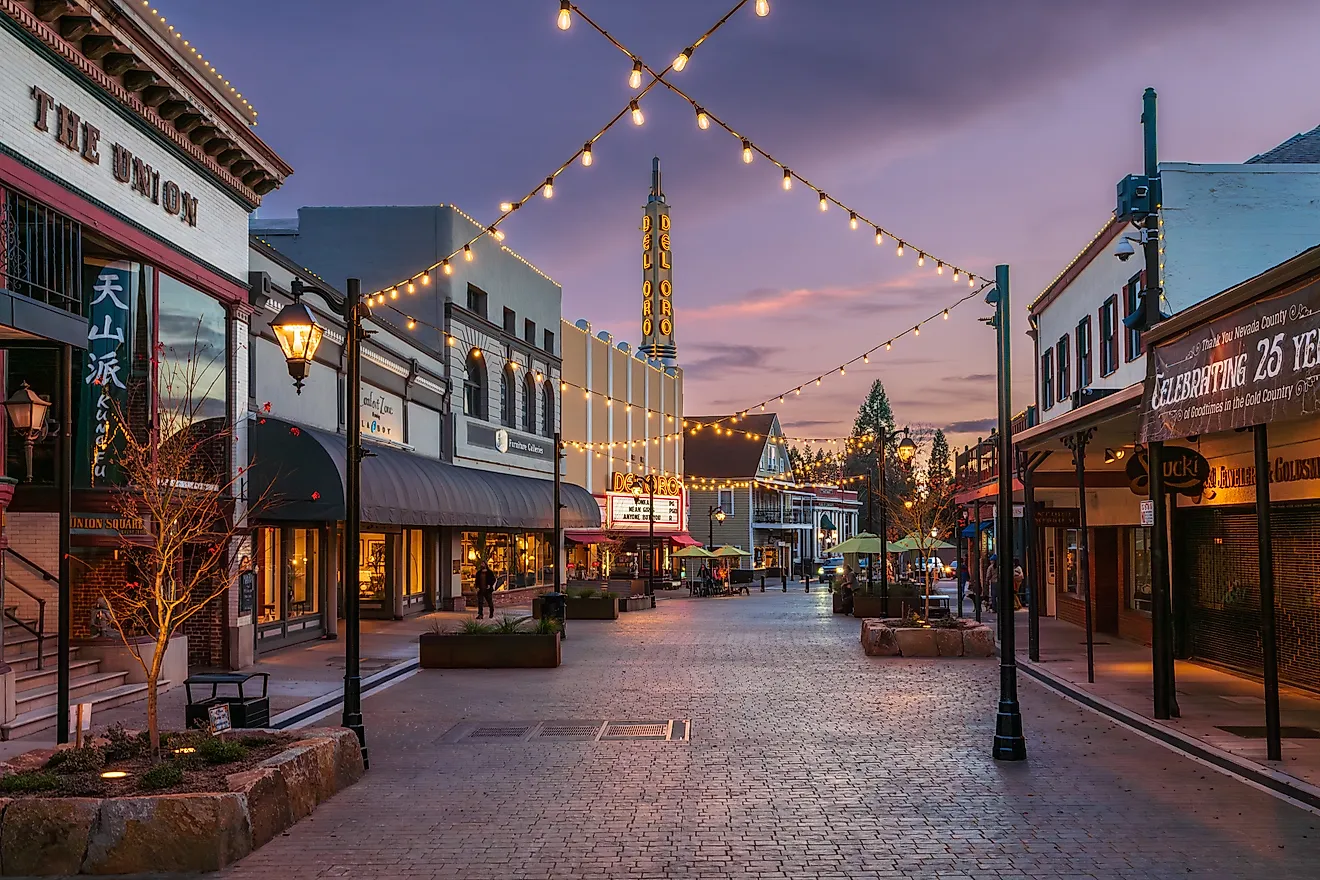
This undeveloped town has a downtown that still has many buildings leftover from its silver mining days, dating back to its founding in the 1870s. In what is now Lake City's designated historic district, there are no stoplights, chain stores, or large developments, just a handful of locally owned businesses and residential areas.

A few historic hotels in Lake City, like the Matterhorn Mountain Lodge and The North Face Lodge, continue to host guests. Busy spots like the Packer Saloon and Cannibal Grill serve hearty food and drink in a setting straight out of the Wild West.
For an extended outing in the wilderness or a simpler road trip through the Rockies, the Lake San Cristobal Overlook makes a good stop, an amazing vista just south of Lake City above the calm waters of Lake San Cristobal. The nearby Slumgullion Pass and the Alpine Loop provide seasonal backcountry routes for true off-grid exploration.
Dubois, Wyoming

Unlike many Rocky Mountain towns shaped by ski traffic or national park tourism, Dubois' economy remains rooted in its working ranches and those seeking solitude in its remote high-desert landscapes. Between the Wind River and Absaroka ranges, it lies in an interesting geological transition zone where red rock badlands meet the dense pine forests often found in the Rockies.
The National Bighorn Sheep Center in town documents one of North America's largest herds, which migrates through the nearby Torrey Valley. Dubois also borders Shoshone National Forest, with access to backcountry lakes and little-traveled trailheads like Whiskey Mountain, often explored without passing another hiker.

Dubois functions more as a base for long-term immersion than a quick visit, appealing to people who value real calm and quiet, like artists, wildlife researchers, and experienced outdoor adventurers. Still, there are a number of amenities for those passing through the area, like hotels, restaurants, and shops in its small downtown core. The Twin Pines Lodge & Cabins is a particularly fun accommodation, with its log cabins and rustic mountain man aesthetics.
Waterton, Alberta

The town of Waterton (also called Waterton Park) is within Waterton Lakes National Park in the southwest corner of Alberta, near the Montana border. The absence of ski resorts, nightlife, or major highways distinguishes Waterton from the spots in the Canadian Rockies, like Banff and Jasper.
It lies entirely within the national park's boundary, which means the community implements rules restricting expansion and commercial development. Because of this, the layout of the townsite itself is pretty compact and walkable, with minimal infrastructure beyond a few lodges, restaurants, and park facilities, and outside the summer season, the area is largely unoccupied, with a permanent population of just over 150.

Even so, one of the best-known mountain lodges in Canada rests on a hill overlooking Waterton. The Prince of Wales has been a mainstay in the area since its construction in 1927 and continues to host visitors outside of the winter season, with historic guests including British royalty and other celebrities throughout the years.
Waterton Lake, Upper Waterton Lake, and nearby Red Rock Canyon are some of the region's best-known natural landmarks. The lake can be explored on foot around its shores or on the water by tour cruise or canoe. Red Rock Canyon lies a short drive away and is accessible by car only in summer, and the seasonal Akamina Parkway leads to Cameron Lake, a glacial basin that remains quiet even in peak months.
Cloudcroft, New Mexico

Cloudcroft is a mountain village in the Sacramento Mountains, part of the far southern edge of the Rockies in New Mexico. At an elevation of 8,676 feet, it is one of the highest towns in the American Southwest, and its position within the Lincoln National Forest gives it an incredible range of scenery, with pine forests and snow-covered peaks.

The town was originally established as a railroad resort in the late 1800s and retains its original grid and small-scale infrastructure. A stroll down Burro Ave passes many historic storefronts and old-school attractions like the Western Bar. The historic Lodge Resort on the other side of downtown Cloudcroft, completed in 1911, is still in operation and remains the tallest structure in the area.
Nearby trails, such as the Osha Trail and Trestle Recreation Area, feature forested ridges with views into the Tularosa Basin. For travelers coming from or heading to neighboring Alamogordo, the Tunnel Vista Observation Site is another worthwhile roadside stop to appreciate this region's High Desert beauty.
Crested Butte, Colorado

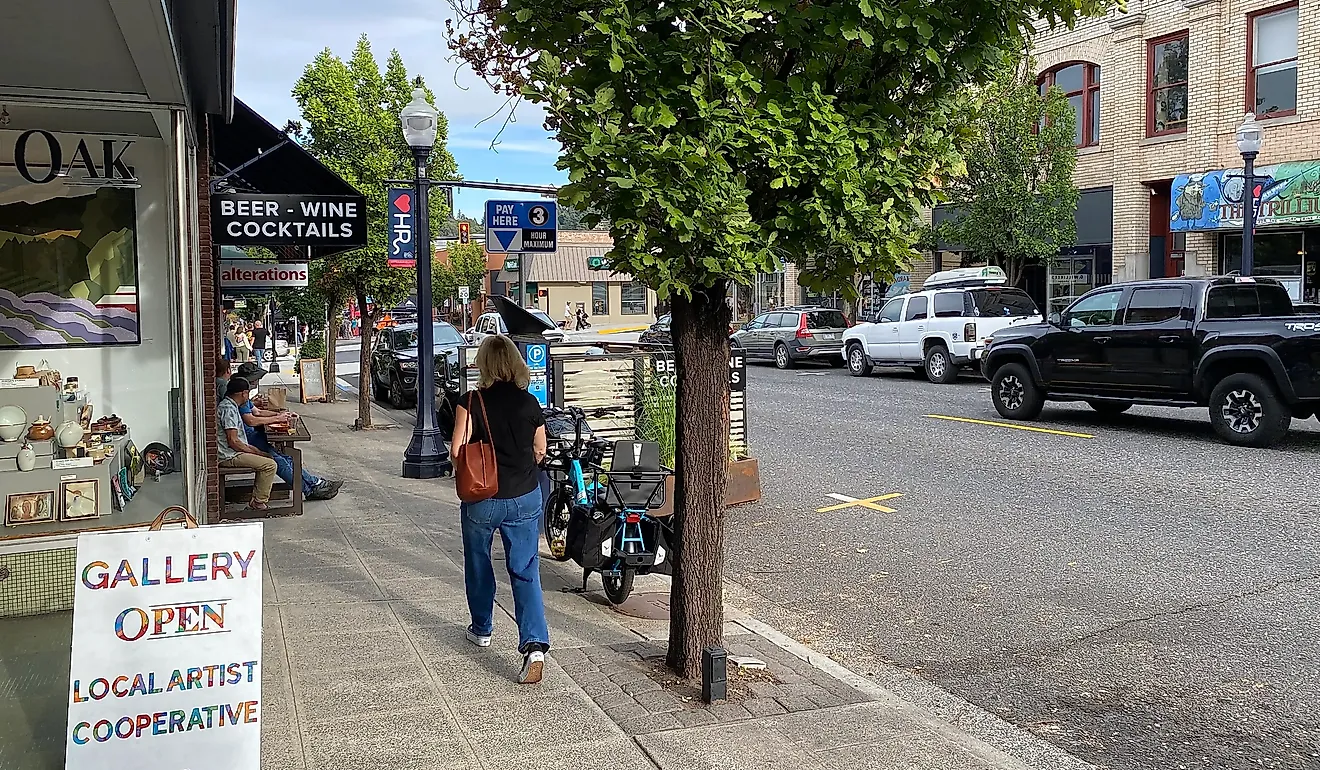
Set in the Elk Mountains at nearly 9,000 feet, Crested Butte maintains a leisurely pace and remote location compared to some of Colorado's more commercialized resort towns. With no major highways and few chain businesses, it is a genuine escape from big-city life.
Once a coal mining settlement, its National Historic District now preserves rows of 19th-century false-front buildings that give the community a distinctly western, old-timey feel. The Crested Butte Mountain Heritage Museum outlines the region's mining and ranching roots, and a short drive north leads to Gothic, a former silver camp now serving as a field research station in the Rockies.

Though fairly well-known for skiing in winter, summer, and fall, the town is far less crowded and better suited to travelers who want to hike local trails and see its alpine scenery up close. Some highly recommended trailheads even begin directly from town, including access to the 401 Trail and Snodgrass Mountain, both offering viewpoints without the heavy foot traffic of the parks near busier towns like Aspen or Vail.
Find Peace and Quiet in the Rockies
Many mountain communities along this famous range have shifted toward heavy development and tourism. These eight have maintained their scale, character, and relaxed rhythm over the years. Each reflects a different version of what quiet can mean, be it remoteness, a lack of crowds, or a laid-back culture.
For travelers who value solitude over activity and place over novelty, these locations provide a more straightforward experience of the Rocky Mountain region that stands out from the rest.