8 Of The Friendliest Towns In Connecticut
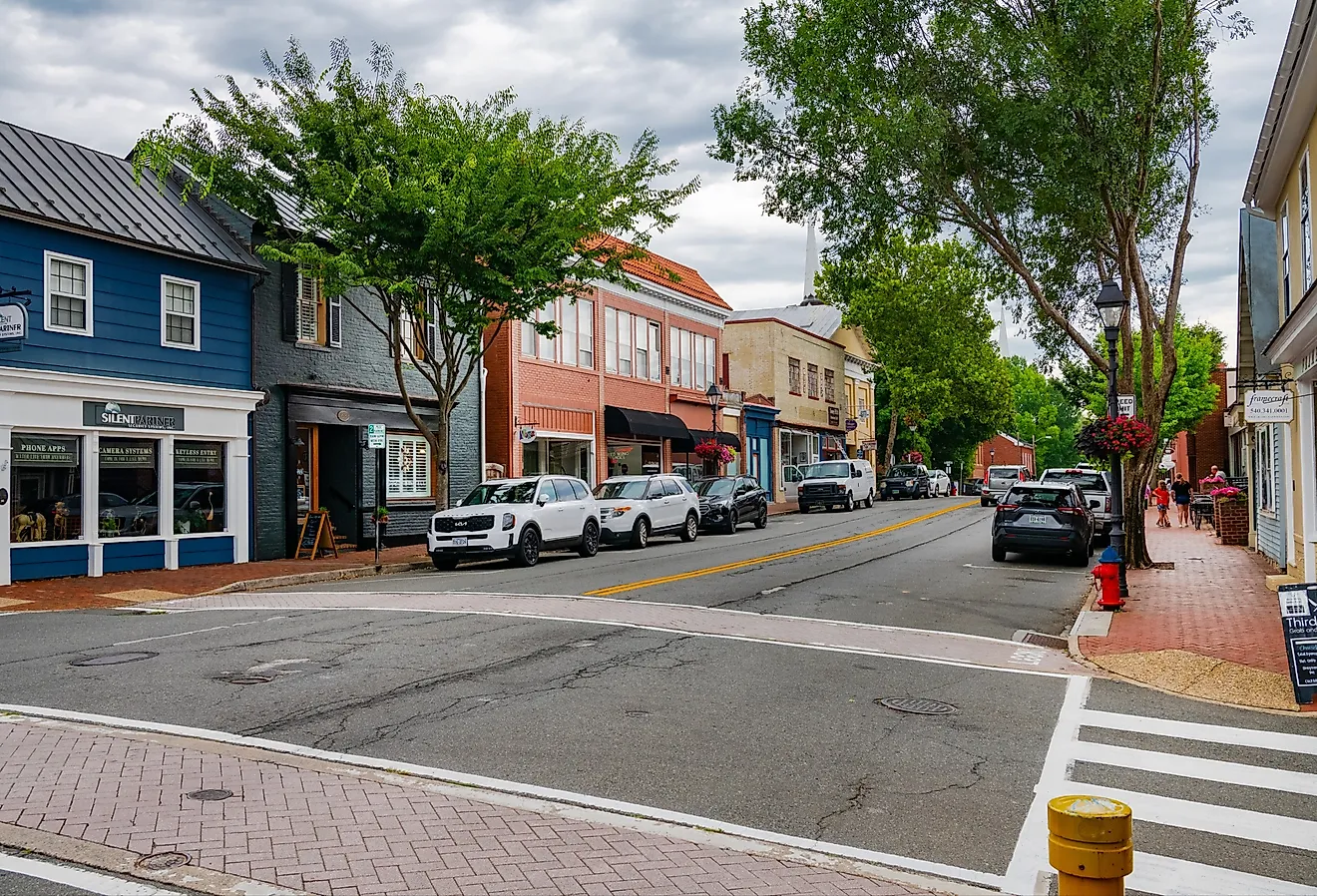
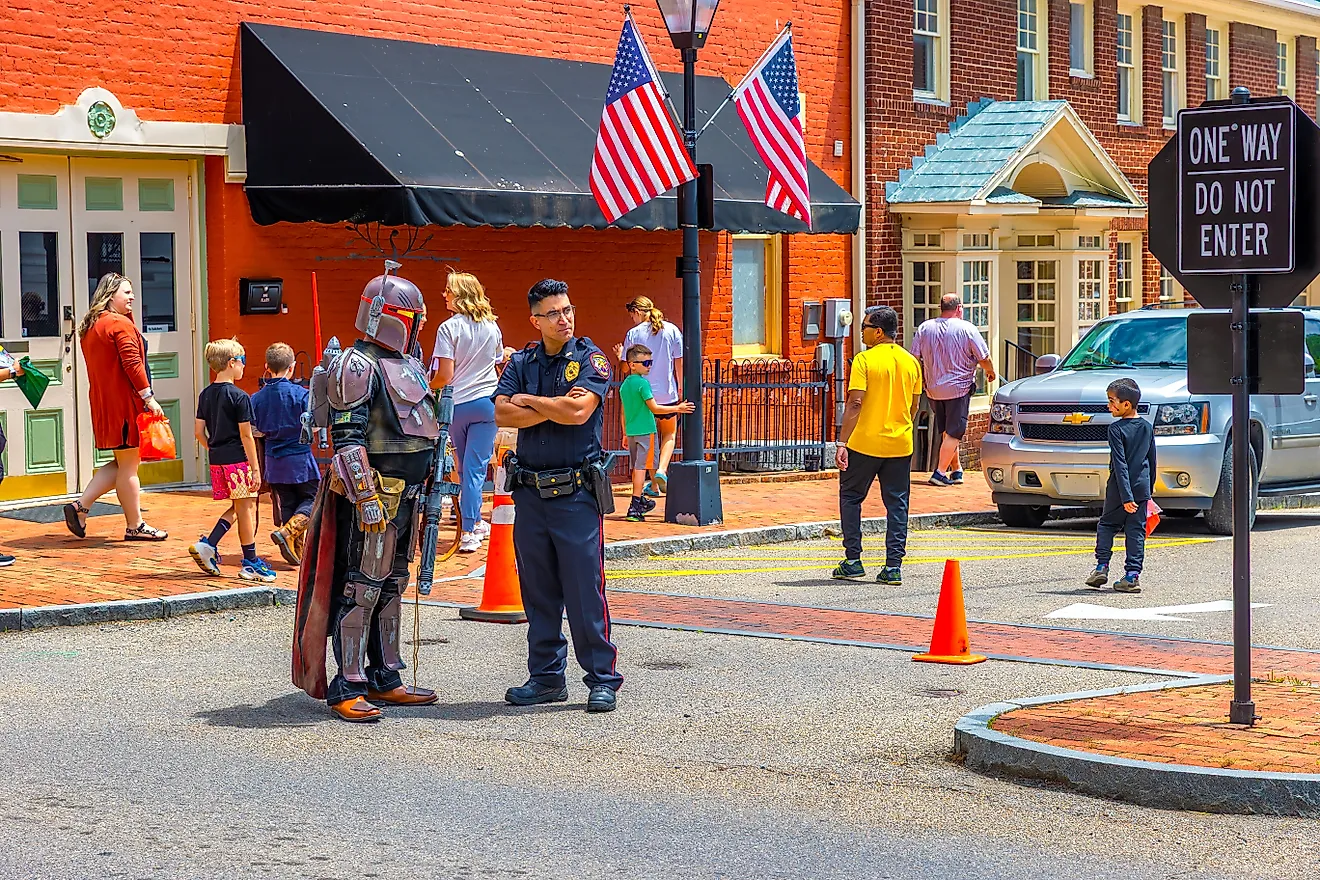
Connecticut's friendliest towns earn the label through public spaces and long-running institutions, not slogans. The eight below all run active community calendars, walkable downtowns, and the kind of small-town fixtures (independent bookstores, local theaters, family farms, neighborhood beaches) where residents recognize one another. Ridgefield's Books on the Common has been running on Main Street since 1980. Old Greenwich's Beach House Café is built around a regulars' bar. New Canaan still holds Memorial Day and Halloween parades down Elm Street. These are places where a hello on the sidewalk is the rule, not the exception.
Ridgefield

Ridgefield is a Fairfield County town of about 25,000 with a Main Street that has stayed largely independent of chain retail. The Keeler Tavern Museum was built in 1713 and still has a British 6-pound cannonball lodged in a corner post from the 1777 Battle of Ridgefield, the only Revolutionary War land battle fought on Connecticut soil. The Aldrich Contemporary Art Museum, two blocks from the tavern, is the only museum in Connecticut dedicated entirely to contemporary art and has free admission on Tuesdays. Weir Farm National Historical Park, on the Wilton line, was redesignated from a National Historic Site in 2021 and preserves the studio of American Impressionist J. Alden Weir.
Books on the Common, an independent bookstore that has anchored the south end of Main Street since 1980, runs author readings most weeks and is one of the longer-running indie bookstores in the state. The Aldrich and the Ridgefield Playhouse together draw the cultural foot traffic that keeps the downtown busy on weeknights, not just weekends.
Simsbury

Simsbury is a Hartford County town of about 25,000, with the Farmington River cutting through the middle of it. Talcott Mountain State Park sits on the eastern ridge and holds the 165-foot Heublein Tower, built in 1914 as a summer home for Gilbert Heublein, with a 1.25-mile trail to the top and a long view across the Farmington Valley. Stratton Brook State Park covers paved paths and a swimming pond at the western edge of town and was the first fully wheelchair-accessible state park in Connecticut.
The Simsbury Meadows Performing Arts Center on Iron Horse Boulevard is a 10,000-capacity outdoor venue that runs the summer concert calendar, including the long-running Talcott Mountain Music Festival put on by the Hartford Symphony Orchestra. Carbone's Kitchen on Hopmeadow Street handles the standing Italian dinner option, and Flamig Farm on West Mountain Road is a working farm with a small zoo that has run pumpkin season for local families since the 1980s.
Old Greenwich

Old Greenwich is one of seven villages that make up the town of Greenwich, sitting on Long Island Sound at the southwestern corner of Connecticut. The village has its own Metro-North station on the New Haven Line, putting it about 45 minutes from Grand Central. Sound Beach Avenue is the commercial spine, with a few blocks of shops and restaurants built around the post office and the train station.
Greenwich Point Park, locally called Tod's Point, covers 147 acres at the end of a peninsula and includes a beach, a marina, a 1.5-mile shoreline loop, and the Innis Arden Cottage that houses the Sound Beach Maritime Center. Binney Park sits a few blocks inland with a small pond and the Perrot Memorial Library on its eastern edge, founded in 1905. The Beach House Café on Sound Beach Avenue runs a regulars' bar and serves dinner late by Greenwich standards. Back 40 Mercantile across the street stocks small-batch home goods and runs a steady community-event calendar.
Newtown

Newtown is a Fairfield County town of about 27,000 covering 60 square miles, with several distinct villages including Sandy Hook, Hawleyville, Botsford, and Dodgingtown. The town flagpole at the intersection of Main Street and Glover Avenue stands 100 feet in the middle of the road and has been a Newtown landmark since 1876, replaced several times but always rebuilt in the same spot. The flagpole is a long-running source of local pride, and traffic still routes around it.
The EverWonder Children's Museum at Fairfield Hills runs hands-on science and engineering exhibits for younger kids. Blue Jay Orchards on Plumtrees Road is a working pick-your-own apple farm with a cider mill and a fall corn maze. DiGrazia Vineyards in nearby Brookfield was one of Connecticut's first commercial wineries (founded in 1978) and runs tastings on weekends.
Portland

Portland sits on the east bank of the Connecticut River across from Middletown, with a population of about 9,500. The town's name comes from its 19th-century brownstone quarries, which supplied the brownstone for thousands of New York City row houses before the quarries flooded in 1936. Brownstone Exploration & Discovery Park reopened the flooded quarries as a recreation venue in 2007, with cliff jumping, zip lines, water slides, and seasonal swimming.
Arrigoni Winery on Marlborough Street is a family-run vineyard that opened its tasting room in 2009 and grows a mix of Vitis vinifera and hybrid varieties suited to Connecticut's climate. The Air Line State Park Trail, a former rail bed, passes through the eastern edge of town and connects to a longer multi-use trail running across eastern Connecticut.
Darien

Darien is a small Fairfield County coastal town of about 22,000, with Long Island Sound on its southern border and Metro-North service on the New Haven Line. The town runs two municipal beaches: Weed Beach (about 22 acres with tennis courts and a paddle complex) and Pear Tree Point Beach (a smaller stretch on a quieter cove). Both are open to residents and to non-residents with a daily pass during the summer.
Tilley Pond Park on Tilley Pond Road covers about three acres in the middle of downtown with a small pond, a playground, and a walking loop. The Mather Homestead, a 1778 saltbox house, is open as a museum and runs an active calendar of community events. The Salt Cave of Darien runs halotherapy sessions in a salt-walled room. Lock City Brewing Company across the line in Stamford is the closest microbrewery for a regular taproom evening.
Weston

Weston is a Fairfield County town of about 10,000 with no commercial downtown to speak of, just a small town center at the intersection of Norfield Road and Weston Road. The town has consistently appeared on safest-towns-in-Connecticut lists for decades, helped by zoning that requires two-acre minimum residential lots and bans most commercial development.
The Lucius Pond Ordway Devil's Den Preserve, owned and managed by The Nature Conservancy, covers 1,756 acres and is the largest nature preserve in southwestern Connecticut, with about 21 miles of trails. The Great Ledge overlook reaches about 530 feet and has a long view east across the Saugatuck Reservoir. The Aspetuck Land Trust manages additional preserve land on the Weston-Easton border, including the 130-acre Trout Brook Valley Preserve. The Weston Historical Society in the 1772 Coley Homestead runs a small local-history museum.
New Canaan

New Canaan is a Fairfield County town of about 20,600 known for mid-century modern residential architecture: the Harvard Five (Marcel Breuer, Landis Gores, John M. Johansen, Philip Johnson, and Eliot Noyes) built more than 80 modernist houses here between the 1940s and 1970s. The Philip Johnson Glass House, completed in 1949, sits on a 49-acre property at 199 Elm Street and is open for guided tours from May through November.
The Silvermine Arts Center, a 1908 mill building on the Norwalk-New Canaan line, runs a year-round school of visual arts and rotates exhibitions of regional artists. Elm Street holds the standing downtown lineup, anchored by the New Canaan Library (which moved into a new 42,650-square-foot building in 2022) and a long stretch of independent shops and restaurants. The Pop Up Park on South Avenue closes a side street to traffic for spring through fall and runs free music and family events most weekends.
The eight towns above are friendly because of how they are built: walkable centers, year-round civic calendars, public beaches and trails open to residents and their guests, and locally-owned anchors that have outlasted national retail. Pick a weekend, pick a town, and the rest takes care of itself.