8 Alaska Towns Where Time Stands Still
Sitka still has Russian Orthodox architecture standing in its downtown. Wrangell has petroglyphs that only appear at low tide. Skagway's gold rush storefronts on Broadway Street are largely unchanged from the 1890s. These eight Alaskan towns have histories that most places would struggle to invent, let alone preserve. Tlingit culture runs through many of them, visible in the totem poles at Sitka National Historical Park, the Chief Shakes Tribal House in Wrangell, and the Totem Heritage Center in Ketchikan. Others were built around industries that still define them: Cordova and its Copper River fishery, Seward as a port and railroad terminal, Talkeetna as a supply hub that became a base for Denali climbers.
Sitka

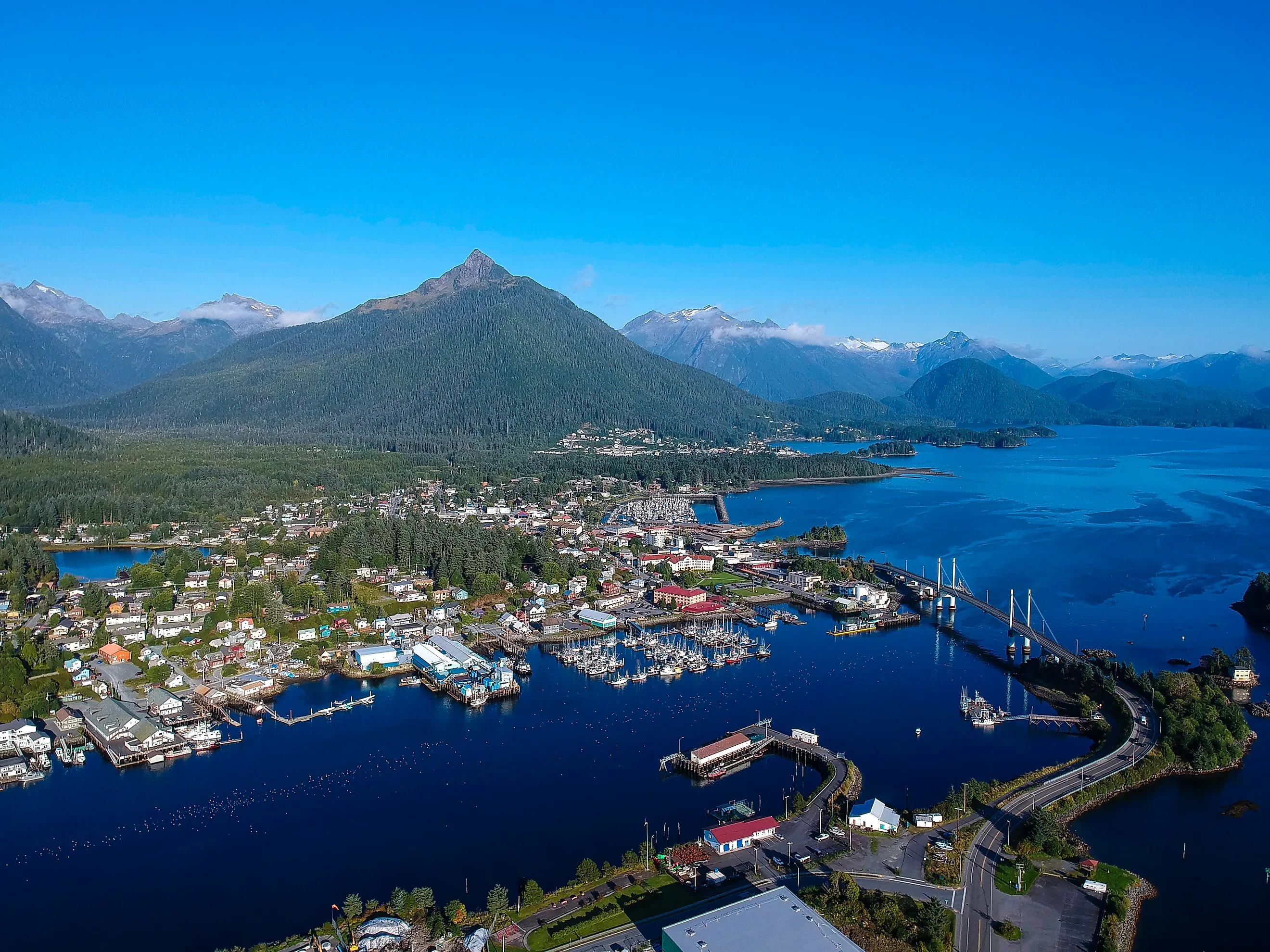
Sitka sits on the outer coast of Baranof Island and was the capital of Russian America until 1867. That history is still visible throughout the town, especially in its architecture and cultural institutions. When in the town, you have to check out Sitka National Historical Park, where forest trails lined with totem poles highlight Indigenous history and the 1804 conflict between the Tlingit people and Russian settlers. Right in downtown Anchorage, St. Michael’s Cathedral stands as a lasting symbol of Russian Orthodox influence in Alaska.
Beyond its historic sites, Sitka offers a wide range of outdoor experiences. Visitors can kayak through Sitka Sound or take boat tours to explore nearby islands like Kruzof Island or Japonski Island, as well as coastal waters rich with marine life. Hiking in and around the city is also a central activity, thanks to the extensive trail system that passes waterfalls and leads to scenic mountain viewpoints.
Skagway

Few towns in Alaska feel as closely tied to a single moment in history as Skagway. During the Klondike Gold Rush of the late 1890s, thousands of prospectors passed through this small settlement on their way to the Yukon. Much of Skagway's historic district remains preserved from that period.
The Klondike Gold Rush National Historical Park has restored buildings and exhibits detailing the journey of gold seekers. Visitors can walk along Broadway Street, where original storefronts still stand, or ride the White Pass and Yukon Route Railway, which follows the steep mountain route once used during the gold rush. Trails such as the Chilkoot Trail provide access to historic routes once traveled by prospectors, often under harsh and demanding conditions.
Ketchikan

Ketchikan sits at the edge of the Tongass National Forest and has long been shaped by both the fishing industry and Indigenous culture. It lies within the biggest national forest in the United States.
The historic Creek Street boardwalk features wooden buildings built on pilings over the water during the gold rush era. The Totem Heritage Center museum preserves original totem poles and provides insight into their cultural meaning and craftsmanship. Visitors can also explore Tongass National Forest, which spans nearly 17 million acres of temperate rainforest, or travel to Misty Fjords National Monument, where steep cliffs, waterfalls, and glacial valleys define the landscape.
Haines

Surrounded solely by mountains and water, Haines offers a quieter and more remote atmosphere than many other towns in southeastern Alaska.
The Chilkat Bald Eagle Preserve attracts thousands of bald eagles each year, particularly during the fall salmon runs, creating one of the largest eagle gatherings in the world. Visitors can explore traditional art and carving at the Alaska Indian Arts Center or visit Chilkoot Lake State Recreation Site, which offers fishing, kayaking, and hiking opportunities. The surrounding Chilkat Valley also supports a wide range of wildlife and scenic viewpoints.
Talkeetna

Talkeetna began as a supply hub during Alaska’s early railroad construction in the 20th century and has retained its historic character to this day. It now serves as a gateway for visitors heading toward Mount Denali.
The Talkeetna Historic District features preserved buildings with local shops and galleries. Visitors often take flightseeing tours over Denali National Park and Preserve, which offers views of North America’s tallest peak and surrounding glaciers. The nearby Susitna River supports fishing and river excursions, while the town itself serves as a base for climbers preparing for nearby expeditions.
Seward

Seward was founded in 1903 as a port and railroad terminal and continues to play a key role in connecting Alaska’s interior with coastal regions. Its location along Resurrection Bay defines both its economy and its scenery.
Seward visitors can explore Kenai Fjords National Park, where glaciers flow from the Harding Icefield into the ocean and marine wildlife is commonly seen. The Alaska SeaLife Center offers exhibits focused on marine conservation and local species. Just outside town, Exit Glacier offers accessible trails that let visitors view glacial ice up close, making it one of the most visited glacier sites in Alaska.
Wrangell

Wrangell’s long history sets it apart as one of Alaska’s oldest continuously inhabited communities, with a history that includes Tlingit settlement, Russian occupation, and later American control.
At Petroglyph Beach State Historic Site, ancient rock carvings become visible at low tide, offering insight into early Indigenous life. Chief Shakes Tribal House serves as a cultural center that reflects Tlingit governance and traditions. The nearby Stikine River provides access to wildlife-rich environments. Don't forget to visit the Anan Wildlife Observatory, known for bear viewing during salmon runs.
Cordova

Cordova developed as a railroad and fishing town in the early 20th century and remains closely tied to the surrounding natural environment, particularly the Copper River Delta.
The Copper River Delta is one of North America’s most important wetland ecosystems and supports millions of migratory birds each year. Visitors can learn about the town’s development at the Cordova Historical Museum or visit Childs Glacier, where large sections of ice regularly break into the river. The surrounding region offers extensive opportunities for kayaking, hiking, and wildlife viewing.
Press Pause In Alaska
From coastal communities shaped by Indigenous traditions to former gold rush hubs nd settlements tied to the land and water, each of these Alaska towns offers a unique window into the past. A visit to any of these eight cities is less about checking off landmarks and more about experiencing the way life has endured for centuries. Travelers looking to slow down will find plenty to marvel at in these beautiful Alaskan locations.