7 Best Places to Live in New England
Living in New England in 2026 means a different financial calculus than even five years back. Boston-area median home sales cleared $880,000 in late 2025. That pricing has pushed serious money outward into Worcester and Quincy. Maine's tax-on-everything structure now competes with New Hampshire's no-income-tax structure for the same retirees. Hartford has spent two decades convincing buyers it is a real option. The seven cities ahead each fit a different working life.
Boston, Massachusetts

Boston runs about 675,000 inside the city limits and roughly 4.9 million across the metro area, making it the largest metropolitan economy in New England by a wide margin. The job mix is what holds people here: hospitals (Massachusetts General, Brigham and Women's, Boston Children's), universities (Harvard, MIT, BU, Northeastern, BC), and the biotech cluster around Kendall Square that ties the two together. Bloomberg ranks the city among the top three life-sciences hubs in the country every year, and roughly 80,000 people work in that one sector alone within a few miles of the river.
The downside is price. The Greater Boston median home sale ran about $880,000 in late 2025, and rent on a one-bedroom in most desirable neighborhoods clears $3,000. What buyers get in return is a transit system that actually goes places (the MBTA's Green, Red, Orange, and Blue lines), an unusually walkable urban core, and a year of weather that includes real four seasons. Beacon Hill, the South End, Jamaica Plain, and Charlestown each have distinct personalities; the recovering Seaport District has more glass than character.
Cambridge, Massachusetts

Cambridge sits directly across the Charles River from Boston and runs about 118,000 residents in roughly seven square miles. Two facts drive everything else: Harvard and MIT are both here, and the city's commercial corridor at Kendall Square has become the densest biotech cluster on the planet. More than 250 pharmaceutical and biotech companies operate within a one-mile radius of MIT, including Moderna, Biogen, and the U.S. headquarters of Novartis. Median household income sits near $128,000, well above the Boston metro figure.
Housing is the catch. Median home sale prices ran about $1.05 million in 2025, and tenant turnover is high because so many residents are graduate students and postdocs. The city compensates with a tight Red Line connection to downtown Boston, dedicated bike infrastructure on most major streets, and a public school system that consistently ranks in the top ten in Massachusetts. Harvard Square and Central Square are the main pedestrian districts; Cambridgeport and Inman Square offer a quieter residential feel.
Hartford, Connecticut

Hartford earned the nickname "Insurance Capital of the World" by housing Aetna, Travelers, The Hartford, and Cigna's regional headquarters within a single downtown core. Insurance, healthcare, and financial services still account for roughly a third of the metro economy of 1.2 million people. The city proper holds about 120,000 residents, and the cost of getting in is dramatically lower than Boston: the Hartford-area median home sale ran around $325,000 in late 2025.
The cultural anchors include the Wadsworth Atheneum, the oldest continuously operating public art museum in the United States, founded in 1842, and the Mark Twain House and Museum, where Twain wrote The Adventures of Huckleberry Finn and The Adventures of Tom Sawyer during his 17 years in the city. Bushnell Park, designed by Frederick Law Olmsted's firm, was the first publicly funded park in the country. The downside is the city's documented poverty rate (around 28%) and uneven school district performance. Most middle-class buyers choose the surrounding towns of West Hartford, Glastonbury, or Simsbury instead.
Manchester, New Hampshire
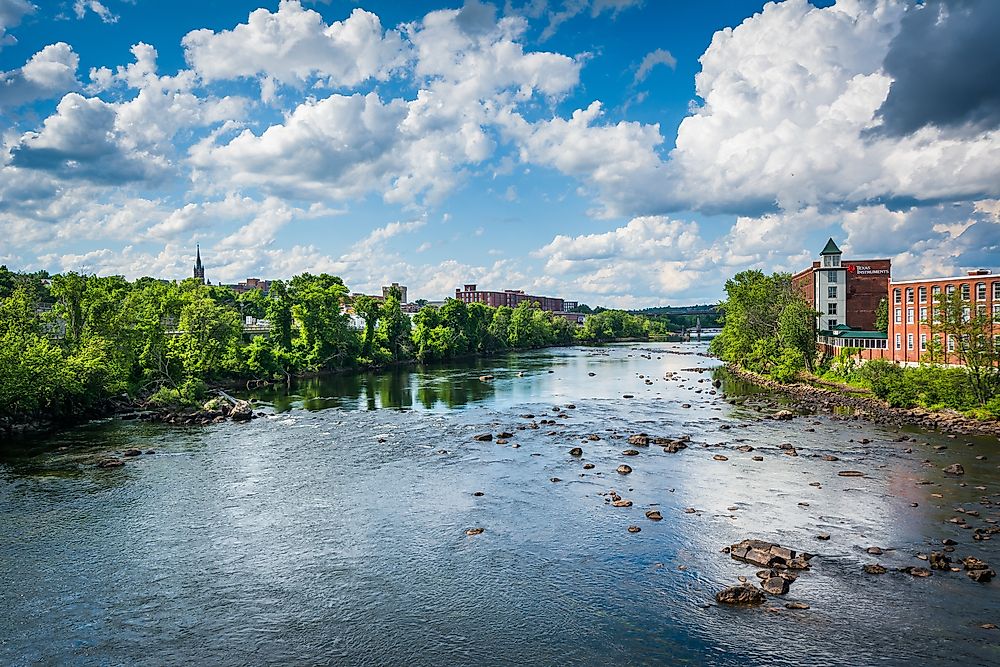
Manchester is the largest city in New Hampshire at about 115,000 residents, sitting on the Merrimack River about an hour north of Boston. The state has no income tax and no general sales tax, which is the main financial draw for people relocating from Massachusetts. Property taxes are higher in compensation, but the net result for most middle-income households is still a meaningful tax cut.
The economic anchor is the Amoskeag Millyard, a mile-long stretch of red-brick mill buildings that once housed the largest textile mill complex in the world. The mills closed in 1935. They now hold the University of New Hampshire at Manchester campus, the Millyard Museum, several biotech startups, and Dyn (acquired by Oracle in 2016). The Currier Museum of Art owns a respectable Monet and a small Picasso, and the museum operates the only Frank Lloyd Wright house in New England that is open to the public, the Zimmerman House from 1950.
Portland, Maine

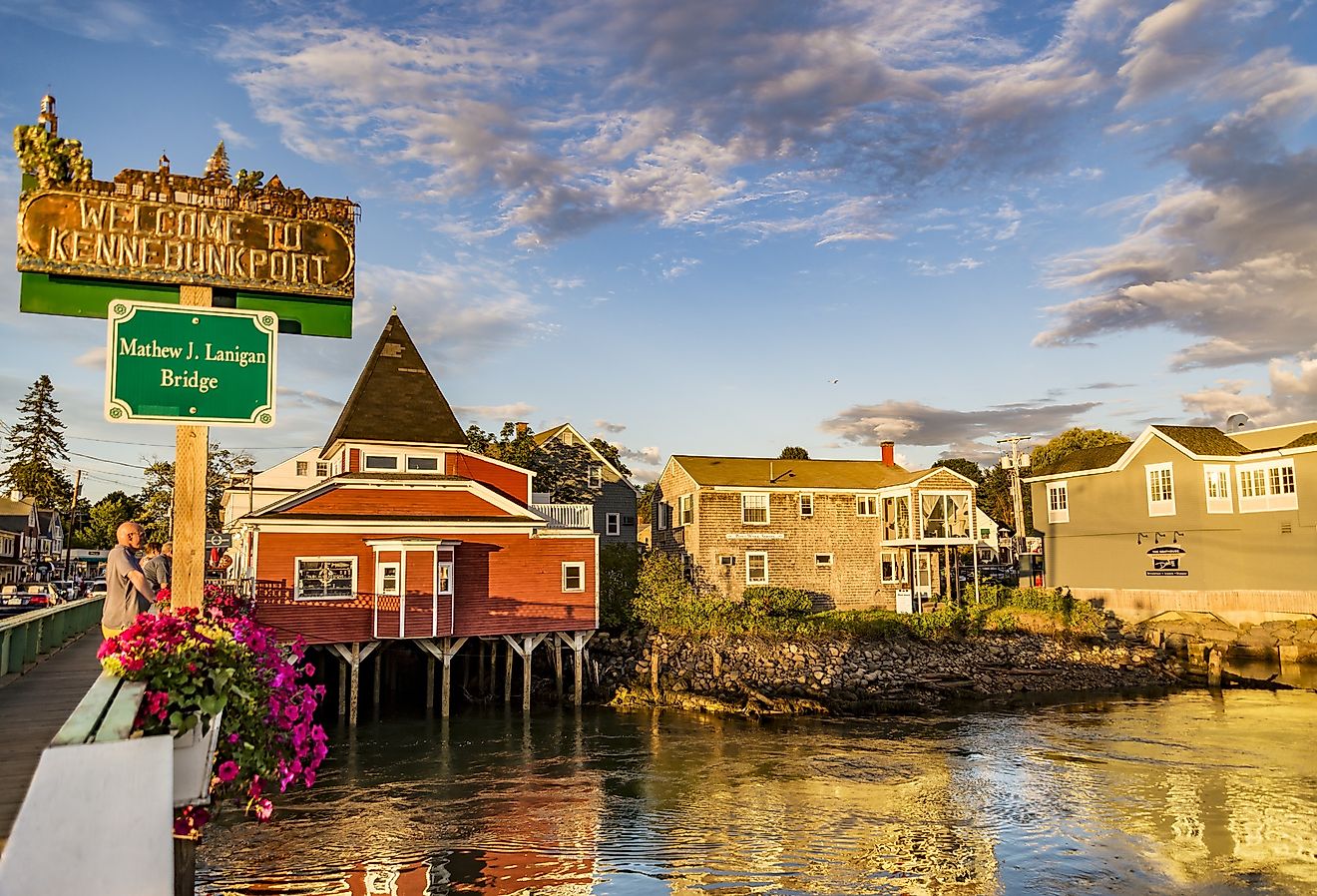
Portland runs about 68,000 inside the city limits and 555,000 across the metro area, making it the largest population center in Maine. The food scene is what put the city on national maps over the past decade: Bon Appétit named it Restaurant City of the Year in 2018, and the James Beard Awards have recognized Portland chefs in five different years since 2014. The Old Port district, with cobblestone streets dating to the 1860s rebuild after the Great Fire of 1866, holds most of the destination restaurants.
The catch is that home prices have caught up. The Portland metro median was about $510,000 in 2025, roughly double what it was in 2018. Property taxes in Maine are also among the highest in the country relative to home values. What buyers get is a working harbor (lobster boats still off-load at Commercial Street every morning), a small but serious art museum with Wyeths and Homers, and a two-hour drive to either the White Mountains or Acadia National Park.
Quincy, Massachusetts

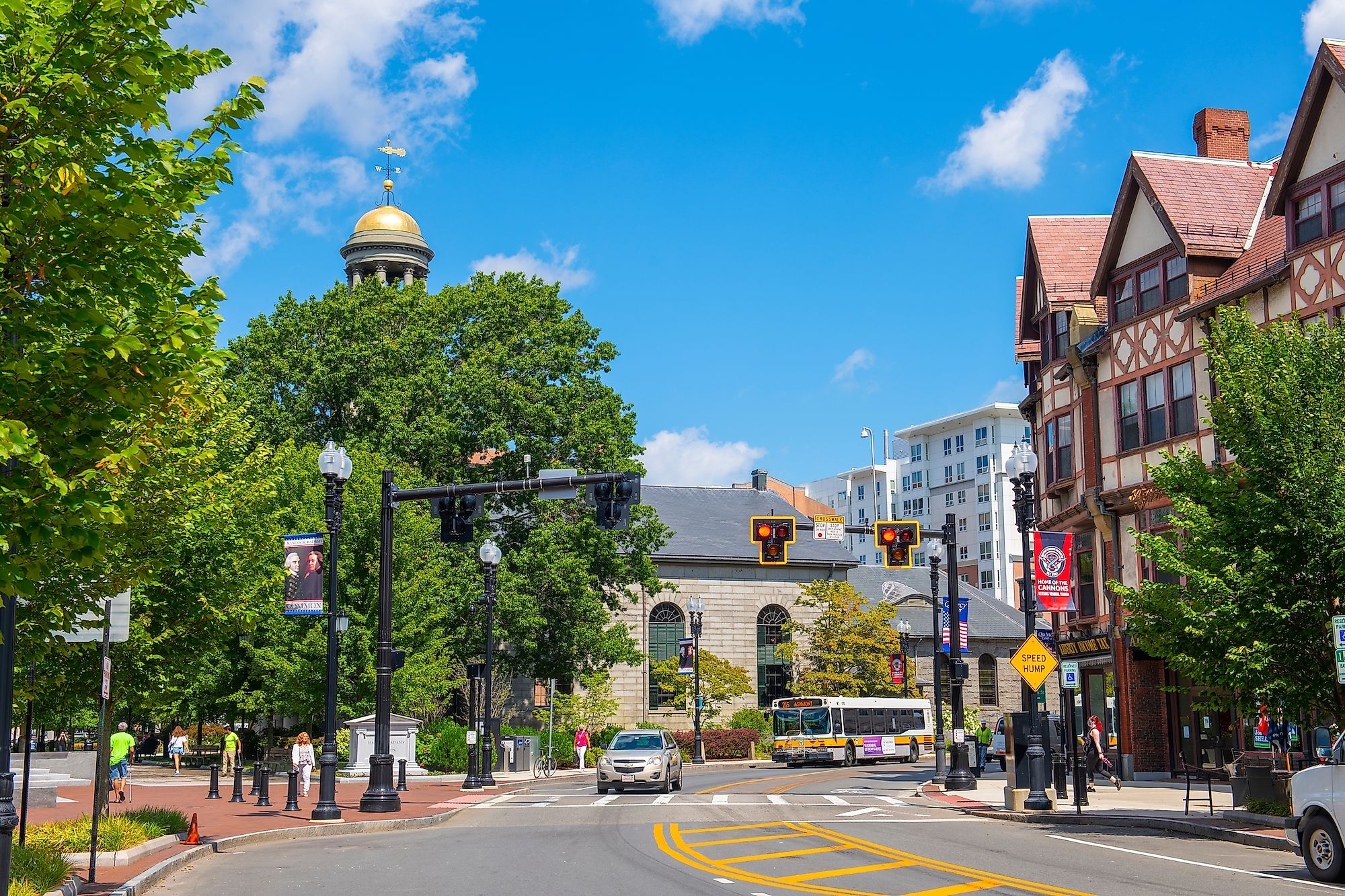
Quincy gave the country two presidents, John Adams and his son John Quincy Adams, both born here within a few hundred feet of each other. The Adams National Historical Park preserves both birthplaces and the family's later home at Peacefield. The city of about 101,000 sits eight miles south of downtown Boston along the Red Line, which makes it the most affordable Boston-commute option that still has actual subway service.
Median home sale prices ran about $675,000 in 2025, which sounds high until compared to Boston or Cambridge. Quincy's other distinguishing feature is the largest Asian-American population share of any city in Massachusetts, around 31%, with Chinatown North along Hancock Street running a parallel commercial corridor to the older Irish-American downtown. The Marina Bay area on the eastern waterfront has converted the former Naval Air Station Squantum into a walkable district of restaurants and condos.
Worcester, Massachusetts

Worcester is the second-largest city in New England at about 207,000 residents, an hour west of Boston along the Mass Pike. The city has spent the past 15 years in active second-act mode after losing its manufacturing base in the late 20th century. The Polar Park ballpark, opened in 2021 for the Triple-A WooSox (the Red Sox affiliate that relocated from Pawtucket), anchored a $250 million Canal District redevelopment that has brought restaurants and breweries to formerly empty blocks.
The Worcester Art Museum holds one of the better encyclopedic collections in the country for a city this size, with a respected Roman mosaic collection and a 1936 Polish gallery. The American Antiquarian Society holds the country's largest collection of pre-1820 American printed material, including the only known copy of the first book printed in colonial America. Housing is the practical draw. Worcester's median home sale ran about $440,000 in 2025, about half the Boston metro figure, and the regional commuter rail connects to South Station in about 75 minutes.
Where Each City Fits
Boston and Cambridge are the high-cost, high-amenity end of the region. Portland matches them for food and walkability at a lower price but with smaller job market. Hartford and Manchester both offer real affordability at the cost of needing a car for most things. Worcester is the bet that the second-act narrative continues. Quincy is the workaround for people who want Boston jobs without Boston prices. None of the seven is the right answer for everyone, but every one of them is the right answer for someone.