7 Best Connecticut Towns For Retirees
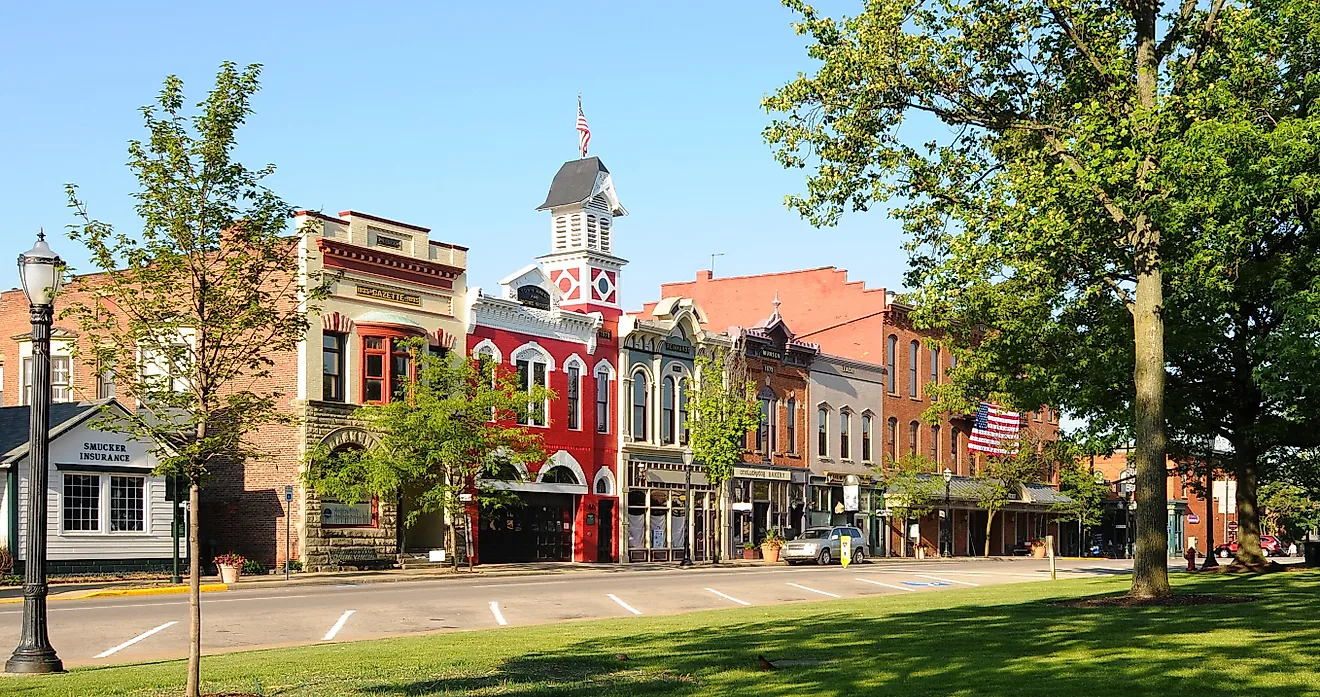
Retirement in Connecticut tends to mean one of two things: a village within walking distance of Long Island Sound, or a quieter town set back in the hills of the northwest corner. The seven towns below cover both. Each has a downtown you can run errands in on foot, a calendar of things to do that does not require driving to Hartford or New Haven, and enough history in the streetscape to make a daily walk worth taking. None of them is large. That is the point.
Mystic

The Mystic River Bascule Bridge still lifts on the half hour in season, stopping foot and car traffic in the middle of downtown while a boat passes through. That rhythm sets the pace of Mystic. A morning here can run from the shops and cafes along Main Street to the Mystic Seaport Museum, a working maritime village with rigged ships you can board, then up the river to the Mystic Aquarium, which keeps regular hours year-round. The waterfront walks are flat and short, which matters if a daily loop is part of the plan. Seasonal events fill the calendar without overwhelming it.
Essex

Essex sits on the Connecticut River, and its main street is still lined with the colonial buildings that housed merchants and shipbuilders when the town's business was the water. Downtown is a short walk from the river itself. The Connecticut River Museum lays out that history at the waterfront, and the Essex Steam Train & Riverboat runs excursions that pair a vintage rail trip with a stretch on the river. For a longer outing, the trails along the valley lead out to the Canfield-Meadow Woods Preserve. The town has been named among the state's nicest small towns more than once, and the draw is consistent: a tight community and a downtown built to human scale.
Madison

Hammonasset Beach State Park anchors Madison on the shoreline, with the longest public beach in the state and miles of boardwalk for an easy walk in any season. The downtown is the other half of the appeal: independent shops, a handful of restaurants, and R.J. Julia Booksellers, a well-known independent bookstore that draws authors for regular readings and events. For local history, the Deacon John Grave House dates to the seventeenth century and stays open for tours. Beach access and a walkable center in the same town is a rare pairing on this coast.
Old Saybrook

The Connecticut River meets Long Island Sound at Old Saybrook, and the Lynde Point Lighthouse marks the west side of the river mouth. Saybrook Point and Harvey's Beach both make for an unhurried afternoon on the water. The Katharine Hepburn Cultural Arts Center, named for the actress who spent much of her life at nearby Fenwick, runs film screenings, live performances, and other events through the year. Fort Saybrook Monument Park preserves the site of one of the state's earliest fortified settlements, dating to the 1630s. The town remains one of the busier and more established communities on the shoreline, which keeps services close at hand.
Stonington

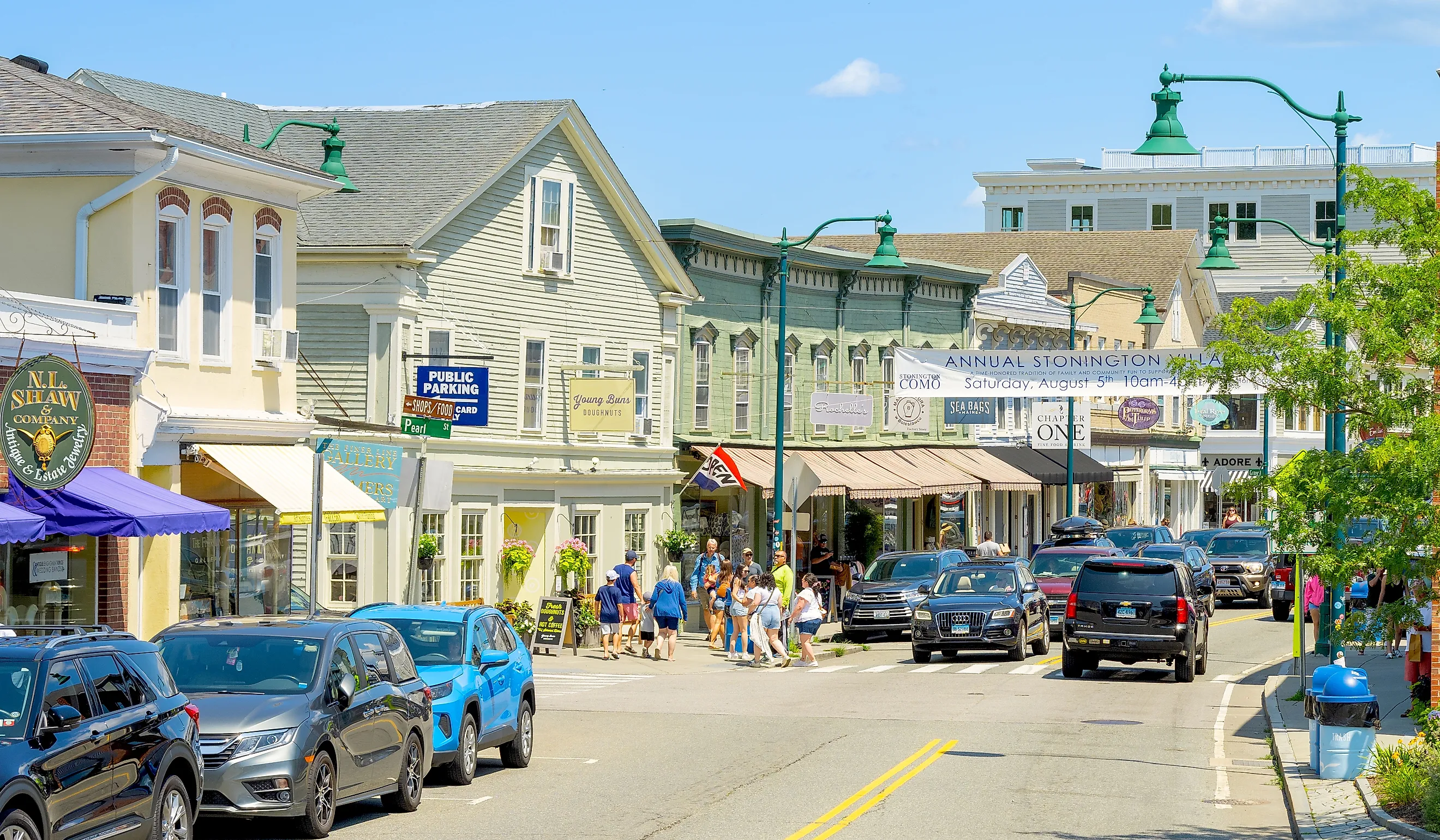
Stonington Borough occupies a narrow peninsula near the Rhode Island line, and the layout does most of the work: the streets are short, the colonial houses are well kept, and the water is visible from most of them. A walk through the borough takes in galleries and the harbor without much effort. Stonington Vineyards, just outside the village, runs tastings and tours. At the tip of the point, the Old Lighthouse Museum sits in the granite light tower built in 1840 and tells the story of the town's fishing and seafaring past. The flat, compact streets and the water on three sides make the borough an easy place to get around on foot.
Kent

Kent trades the coast for the Litchfield Hills, and the surrounding land is the main attraction. Kent Falls State Park protects a series of cascades that drop roughly 250 feet over a quarter mile, with a trail running alongside. The town center is small and walkable, with cafes and shops like the Heron, and the studios and galleries that have given Kent a long-standing reputation as an arts town. Macedonia Brook State Park offers steeper hiking and ridge views to the west, and the Eric Sloane Museum displays the painter's collection of early American tools. For a town this size, the mix of art, water, and woods is unusual.
Woodbury

Woodbury calls itself the Antiques Capital of Connecticut, and the claim holds up along Main Street, where a mile-long row of historic buildings houses one antique dealer after another. The town of about 9,700 keeps a steady stream of collectors and browsers moving through. Hollow Park gives residents open green space for weekend walks and town gatherings. History sits close by at the Glebe House Museum & Garden, an eighteenth-century parsonage with a garden designed by the English horticulturist Gertrude Jekyll, while the Flanders Nature Center & Land Trust keeps trails and wildlife within reach. Day-to-day errands are easy, with Waterbury and its full range of services about ten miles east.
Where These Towns Differ
The choice among these seven comes down to what a retirement day should look like. Mystic, Essex, Madison, Old Saybrook, and Stonington put the water at the center, whether that means a working harbor, a river museum, or the longest beach in the state. Kent and Woodbury trade the coast for the hills, with state parks, antique shops, and arts collections filling the same role the shoreline plays elsewhere. What the towns share is scale. Each keeps its services, its culture, and its history within a short walk, which is the practical case for retiring in a small Connecticut town rather than a larger one.