7 Best Cities To Retire In Scotland
The best Scottish cities for retirement are not necessarily the ones with the most tourist spots. These cities are the places where ordinary days are rooted in history and beauty: a walk beside the Clyde before lunch in Glasgow, an errand in Edinburgh that turns into wandering along the Water of Leith, or maybe a day spent in Aberdeen surrounded by the sea air and the nearby fishing quarter. Retirement in Scotland is not about slowing to a halt; it's about finding a city or town that lets you discover and explore at your own pace.
Glasgow, Edinburgh, Aberdeen, Dundee, Dunfermline, Paisley, and Inverness each offer a distinct retirement experience. Whether you prefer waterfront museums and historic quarters or gardens, theatres, and leisurely riverside paths, there's a Scottish city that could help fulfill your retirement dreams.
Glasgow

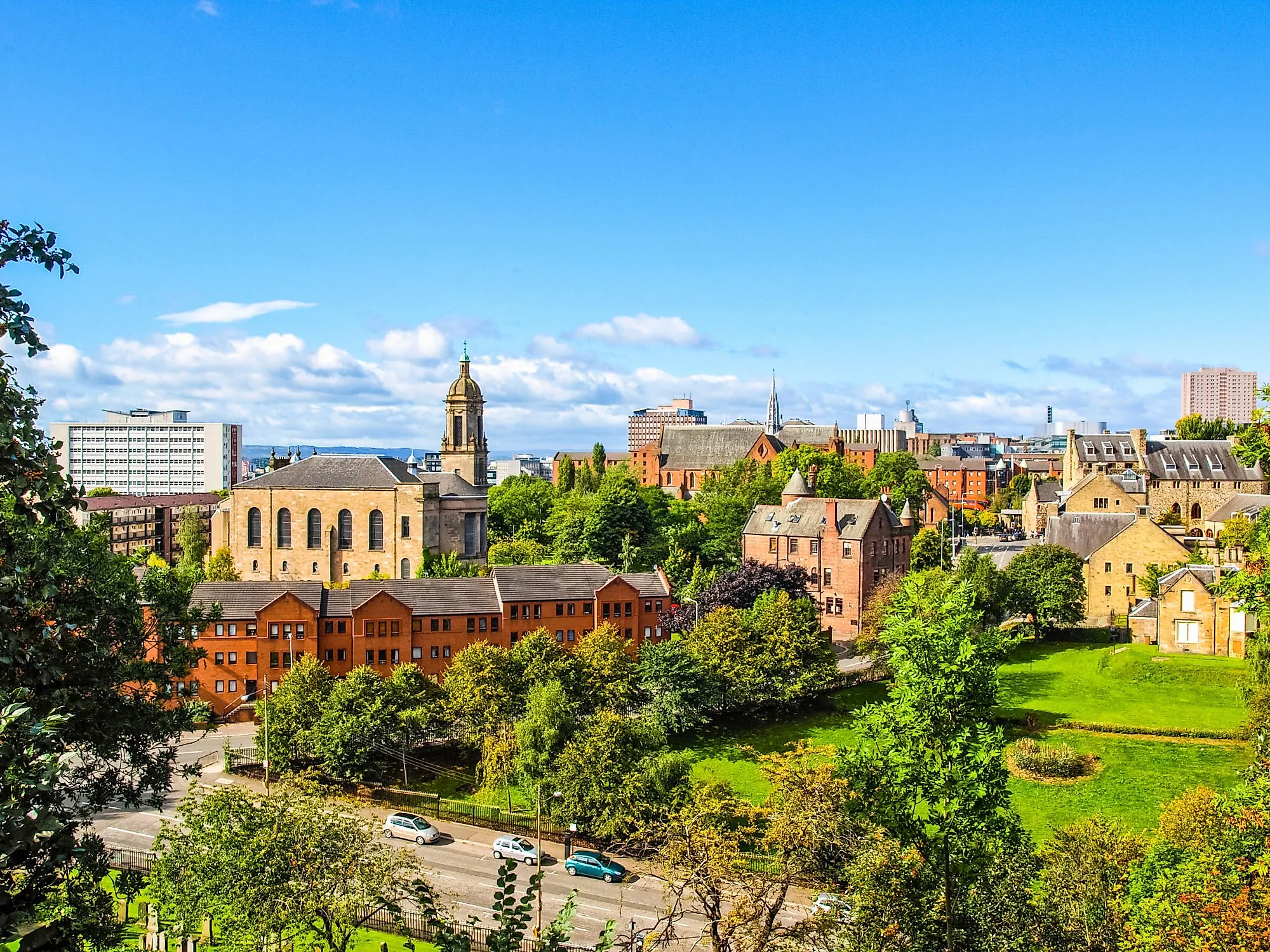
Glasgow works especially well for retirees who want a city that still feels social, energetic, and easy to keep exploring. The day-to-day appeal is not only about big museums, though the city has plenty of those. Kelvingrove Art Gallery and Museum, the Burrell Collection, Glasgow Botanic Gardens, and the West End give retirees a steady mix of indoor culture, green space, cafes, and manageable walking routes. Glasgow Botanic Gardens covers 50 acres in the West End and includes Kibble Palace, a Victorian glasshouse filled with exotic tree ferns.
The city offers activities in every season, not just on good-weather days. Glasgow also has a practical affordability advantage for a major Scottish city, with the Scottish Office for National Statistics (ONS) listing the average house price at £184,000 in March 2026, which is slightly below the Scottish average of £187,000.
Edinburgh
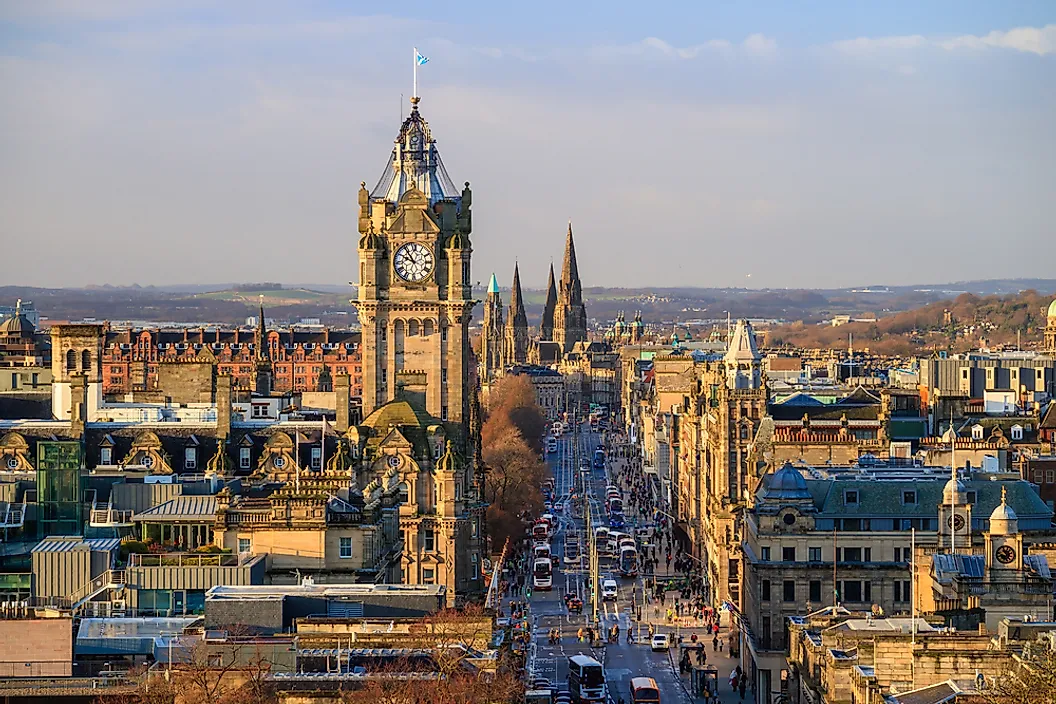
Edinburgh is the ideal retirement option for people who want daily life to feel layered with history, walking routes, libraries, galleries, gardens, and neighborhoods that each have their own pace. The obvious landmarks are here, but retirement in Edinburgh is just as much about the smaller routines, such as a quiet morning in the Royal Botanic Garden Edinburgh, a walk along the Water of Leith Walkway, an afternoon at the National Galleries of Scotland, or lunch around Leith Shore.
Leith is in Edinburgh’s historic port district, once Scotland’s main gateway for global trade, now shaped by maritime heritage, dining, independent shops, and cultural attractions. The Water of Leith river adds a calmer side to the city, with Edinburgh’s official tourism site describing it as a peaceful place to step away from the city’s busier areas. Edinburgh comes in at a higher price point than the other Scottish cities on this list, with the ONS listing the city’s average house price at £290,000 in March 2026, but what retirees get in return is one of Scotland’s richest everyday settings, with gardens, galleries, walking routes, historic neighborhoods, and waterfront dining close enough to shape daily life.
Aberdeen

Aberdeen offers retirees a coastal city with more open space and better housing value than many might expect from a major Scottish city. The ONS listed Aberdeen’s average house price at £134,000 in March 2026, well below the Scottish average of £187,000, which makes the city stand out for affordability. The retirement appeal is also tied to the way Aberdeen balances indoor culture with sea air.
Duthie Park and the David Welch Winter Gardens offer residents one of the city’s best low-stress outings, with the winter gardens often described as among the largest indoor gardens in Europe. Footdee adds a historic fishing-quarter walk near the harbor. Aberdeen Art Gallery and the beach area give retirees several ways to shape a slower day without leaving the city. Aberdeen is ideal for retirees who want coastal scenery, granite architecture, gardens, and a city that does not require Edinburgh-level housing costs.
Dundee

Dundee is one of Scotland’s better retirement cities for people who want waterfront culture without a huge-city pace. The affordability case is unusually strong with the ONS listing Dundee’s average house price at £134,000 in March 2026, far below the Scottish average of £187,000. The city also has a distinctive leisure mix that feels specific to Dundee.
V&A Dundee and RRS Discovery bring design and Antarctic exploration together on the waterfront. The McManus Art Gallery & Museum sits in a Victorian Gothic building with art, history, and environmental galleries. Dundee’s waterfront walks also give residents a way to connect the city’s long history with the River Tay setting. For retirees, Dundee offers a comfortable balance: lower housing costs, a walkable cultural core, a major waterfront, and enough museums and cafes to make ordinary weeks feel less repetitive.
Dunfermline

Dunfermline offers retirees a small-city feel with royal history, green space, theatre, and Edinburgh within easy reach for day trips, without making retirement feel swallowed by the capital. The city’s retirement appeal starts with Dunfermline Abbey and Palace, but it does not end there. Pittencrieff Park, known locally as “The Glen,” was gifted to the people of Dunfermline by Andrew Carnegie in 1902 and remains one of the city’s most useful everyday spaces, with woodland walks, gardens, and the Glen Pavilion.
The Andrew Carnegie Birthplace Museum gives retirees a specific way to connect with Dunfermline’s history, from Carnegie’s childhood in the city to his later work as an industrialist and philanthropist. Alhambra Theatre provides the city with a regular performance venue for music, comedy, dance, musicals, and pantomime. Dunfermline is a good retirement fit for people who want heritage and parks close to home, with enough cultural life to avoid feeling like a commuter edge of Edinburgh.
Paisley

Paisley suits retirees who want a historic Scottish town with city-scale services, lower housing costs, and easy access to Glasgow without living in the city itself. Renfrewshire’s average house price was £159,000 in March 2026, according to the ONS, which keeps the area below Scotland’s average. Paisley’s leisure life is specific enough to stand on its own.
Paisley Abbey gives the town its most recognizable historic landmark, while Sma’ Shot Cottages and Sma’ Shot Day connect retirement life to the town’s weaving history. Renfrewshire Council describes Sma’ Shot Day as Paisley’s famous celebration of a historic victory for the weavers with events around Abbey Close, children’s activities, live entertainment, and a tea dance. Coats Observatory offers another unusual local feature as Scotland’s oldest surviving public observatory, even though it has been tied to the wider Paisley Museum redevelopment. Paisley is best for retirees who want affordability, heritage, easy access to Glasgow, and a local calendar that still feels rooted in the town’s own story.
Inverness

Inverness offers retirees a slower Highland city rhythm without giving up the basic comforts of a city base. ONS listed the average house price in Highland at £212,000 in March 2026, giving retirees a useful housing benchmark for the wider area. VisitScotland calls Inverness the capital of the Highlands and describes it as a compact city with a slower way of life, while still offering interesting things to do and events. Victorian Market provides the city with a central indoor space for independent retailers, food, and local services.
The Ness Islands and riverside paths make it easy to build gentle walking into ordinary days. Eden Court Theatre offers film, theatre, galleries, food, and performance close to the river, and Inverness also serves as a base for Loch Ness, castles, and Highland scenery, without requiring retirees to live in a rural village. Inverness is best for retirees who want city convenience with Highland access, especially if daily retirement life should include river walks, markets, performances, and scenery close enough to use often.
Scottish Cities That Make Retirement Feel Lived-In
The best Scottish retirement cities offer more than a familiar skyline or a list of tourist stops. Glasgow and Dundee give retirees major culture with more approachable housing costs, while Aberdeen adds coastal living and unusually good value for a city of its size. Edinburgh offers the richest everyday setting for retirees who prioritize galleries, gardens, walking routes, and historic neighborhoods, while Dunfermline, Paisley, and Inverness provide smaller-city rhythms with parks, heritage, theatres, markets, and strong local identity. These are the places where retirement can be built around ordinary pleasures, including a walk by the river, a museum visit, a market lunch, a show, a garden, or a neighborhood that still feels easy to return to.