6 of the Quirkiest Towns in Indiana
Indiana sits squarely in the Midwest with a string of towns that lean hard into their quirks. Madison runs along the Ohio River with 133 blocks of buildings on the National Register of Historic Places and a Greek Revival mansion that the wealthy 19th-century financier James Lanier built in 1844. Beverly Shores holds five experimental homes from a 1933 World's Fair, barged across Lake Michigan and dropped onto the dunes where they still stand today. Oldenburg goes by the Village of Spires for the half-dozen church and convent towers that mark its village grid. The six towns ahead each carry a quirk worth showing up for.
Oldenburg

Oldenburg sits in Franklin County in southeastern Indiana, settled in 1837 by German Catholic immigrants under the leadership of Alsatian-born priest Father Franz Joseph Rudolph. Most historic buildings in the village date to before 1900, with the Holy Family Catholic Church built in 1862 ranking as the architectural centerpiece. The town earned the Village of Spires nickname from the towers of its churches, convent, and religious schools.
The Oldenburg Historic District covers the village's nineteenth-century German-American architectural character, with cafes and shops including Wagner's Village Inn, Brau Haus, and Pearl Street Pub serving traditional German cooking and beer. The fire hydrants painted to look like Franciscan nuns add a quirk that pulls visitors who came for the architecture. The Sisters of St. Francis convent on the edge of the village is one of the oldest Franciscan motherhouses in the United States.
Shipshewana

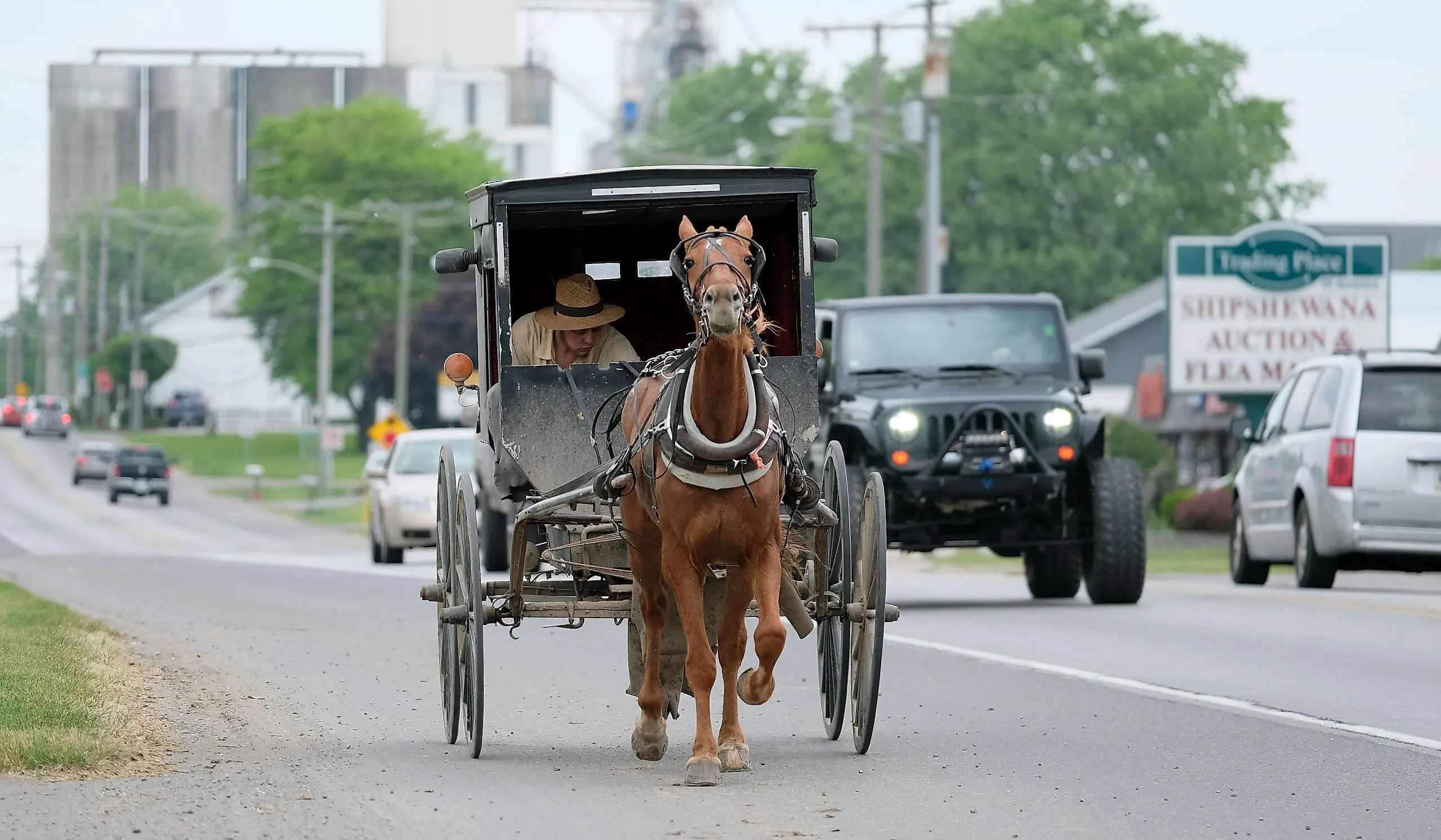
Shipshewana sits in LaGrange County in the northern Indiana Amish country, with around 650 residents and one of the largest Old Order Amish populations outside Pennsylvania. The Shipshewana Flea Market, billed as the Midwest's largest, runs every Tuesday and Wednesday from May through September with more than 700 vendors covering antiques, produce, baked goods, and crafts.
Horse-and-buggy tours take visitors through the surrounding countryside past working farms, with stops at Amish-owned shops, bakeries, and cheese houses. The Blue Gate Restaurant and Bakery downtown serves traditional Amish-Mennonite cooking alongside a craft and performance venue that hosts Broadway-style shows. Dutch Creek Farm Animal Park covers the family corner with hands-on animal encounters. The barn quilt trail through LaGrange and Elkhart counties handles the scenic drive for visitors who want to see the regional folk art tradition.
Beverly Shores

Beverly Shores holds around 600 residents along Lake Michigan in Porter County, surrounded by Indiana Dunes National Park. Five Century of Progress Homes from the 1933 Chicago World's Fair were barged across Lake Michigan to Beverly Shores after the fair closed, and all five still stand today as a living architectural museum operated through a National Park Service lease program.
The town earned an International Dark-Sky Community designation in 2018, the only one of its kind in Indiana, with municipal lighting designed to protect night-sky viewing. The Indiana Dunes National Park beaches and trails surround the town with 15 miles of Lake Michigan coastline, dune climbs to Mount Baldy, and forested paths through the dune ecosystem. Town residents share streets with the park, which creates the quirky village-inside-a-national-park character that few other places in the U.S. match.
French Lick

French Lick sits in Orange County in southern Indiana, named for the salt and mineral licks where 18th-century French traders set up shop. The town has held its identity as a mineral-springs resort for more than 150 years, with the French Lick Springs Hotel and the nearby West Baden Springs Hotel both operating as historic landmarks restored by the Cook family in the early 2000s.
The French Lick Resort and Casino combines the hotel, casino, and conference facilities with golf, dining, and entertainment under one resort umbrella. The French Lick Scenic Railway runs heritage rail trips through southern Indiana past a log cabin from the 1850s, through the 2,200-foot Burton Railroad Tunnel, and into the Hoosier National Forest. The French Lick West Baden Museum covers the area's history as a Gilded Age mineral-springs destination that pulled celebrities, gangsters, and politicians for decades.
Goshen

Goshen serves as the Elkhart County seat in the Michiana region of northern Indiana, known locally as the Maple City for the maple trees that line the historic downtown. The Elkhart County Courthouse with its Neptune Fountain centers the downtown square, surrounded by gift shops, boutiques, breweries, and restaurants.
Downtown Goshen dining includes Venturi for certified Neapolitan wood-fired pizza, Goshen Brewing Company for craft beer, the South Side Soda Shop featured on Diners, Drive-Ins, and Dives, and Olympia Candy Kitchen for hand-dipped chocolate turtles. The Millrace Canal Trail handles in-town walking and cycling, and the Goshen Theater hosts live productions and concerts. First Fridays bring local artisans and live music to downtown every month, with the Elkhart County 4-H Fair every July at the county fairgrounds as the regional annual event.
Madison

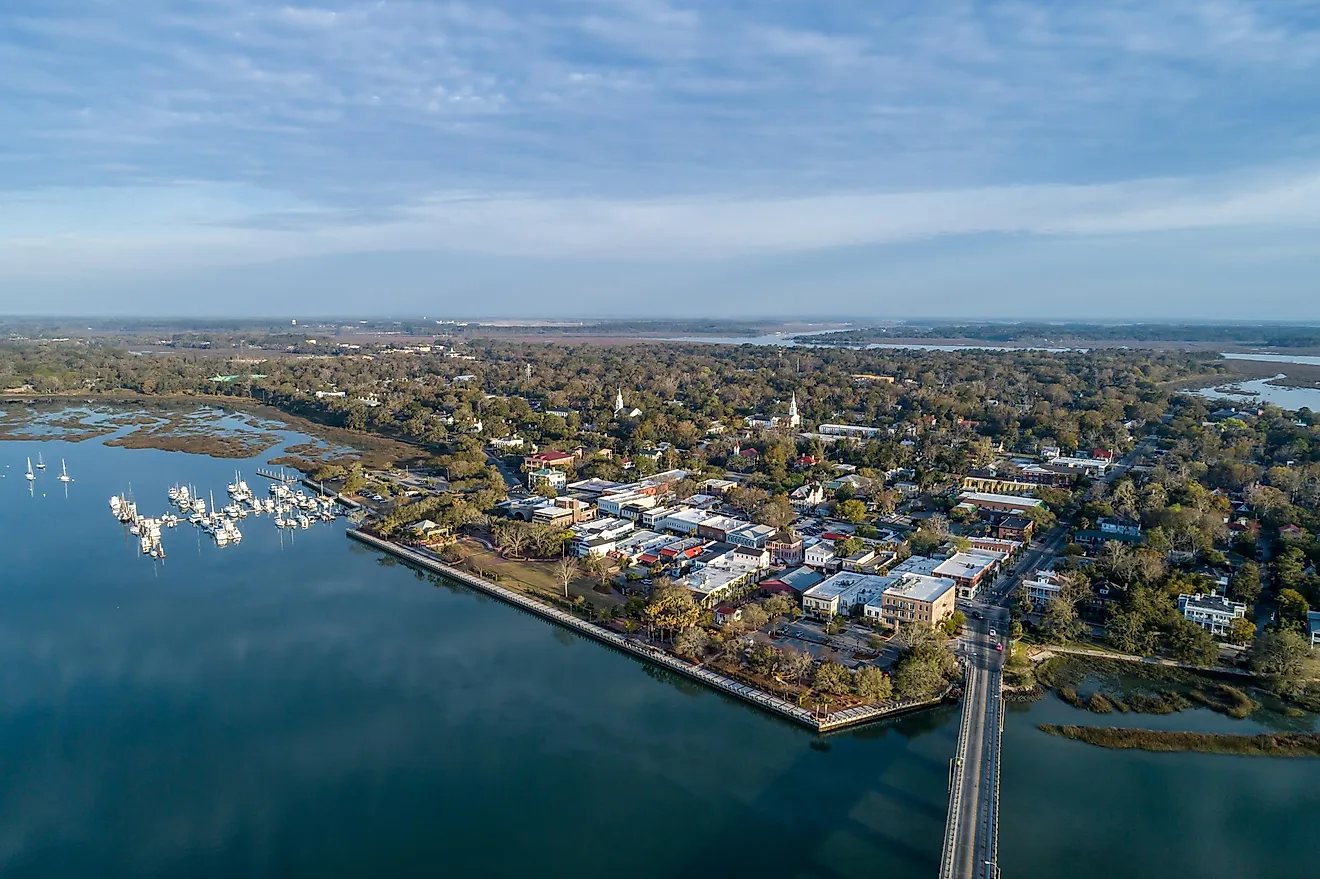
Madison sits along the Ohio River in southeastern Indiana, founded in 1809 and predating Indiana statehood by seven years. The Madison Historic District covers 133 blocks of buildings on the National Register of Historic Places, ranking as one of the largest concentrations of historic architecture in the United States. Architectural styles in the district include Federal, Greek Revival, Italianate, Second Empire, Gothic Revival, and Arts and Crafts.
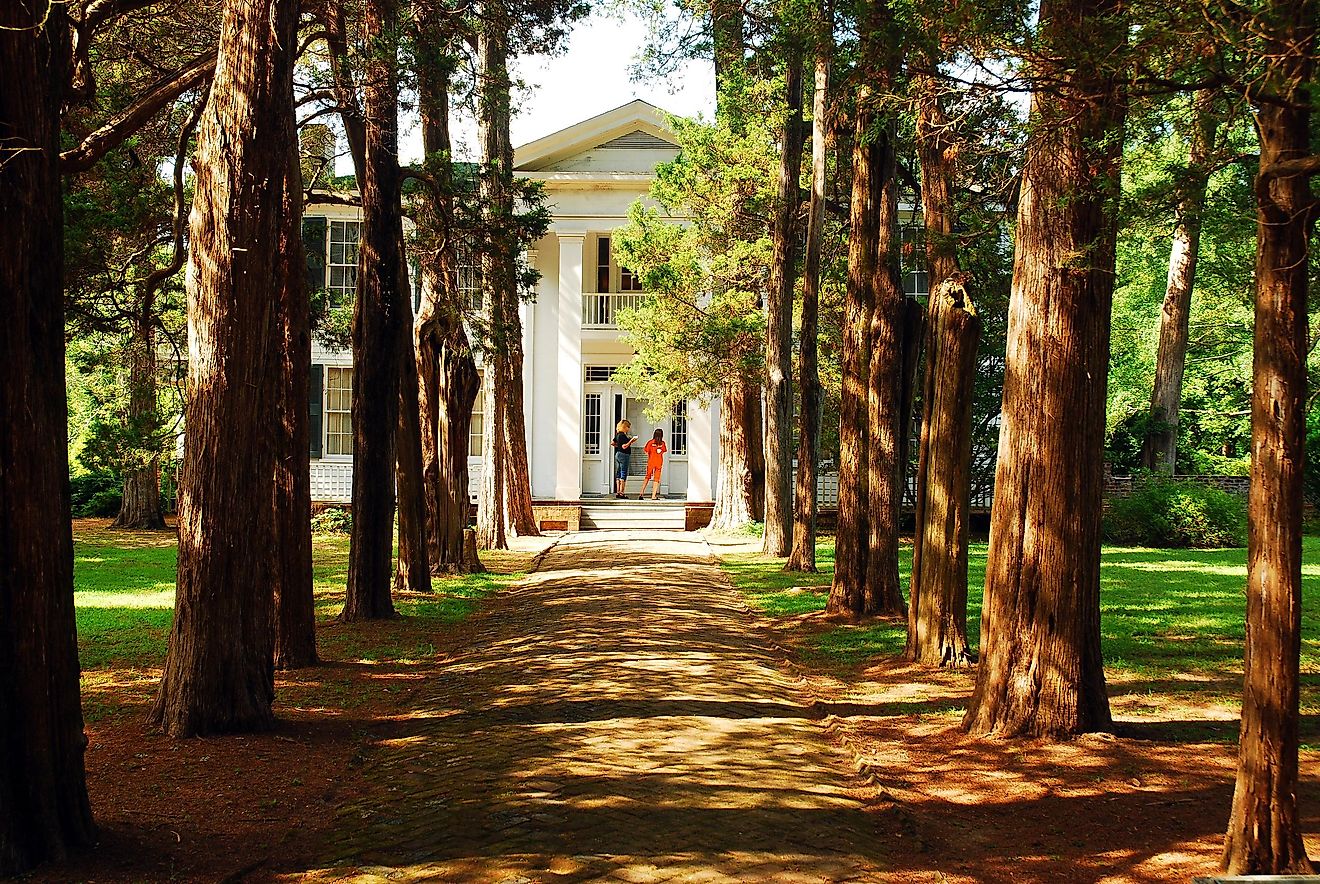
The Lanier Mansion State Historic Site preserves the 1844 Greek Revival home of James Franklin Doughty Lanier, the banker who helped finance Indiana through the Civil War. The mansion ranks as a National Historic Landmark with formal gardens, a stone facade, and a spiral staircase that draws architecture visitors year-round. The Broadway Fountain, cast in iron for the 1876 Centennial Exposition in Philadelphia and recast in bronze a century later, sits at the center of downtown. The Madison-Milton Bridge crosses the Ohio River with views of the surrounding hills that frame the river valley.
Indiana's Quirks Worth a Visit
Indiana pairs a Midwest setting with a string of small towns that have built identity around specific quirks worth a visit. Oldenburg covers the German Catholic Village of Spires character. Shipshewana centers the Amish country tradition. Beverly Shores delivers the World's Fair home museum inside Indiana Dunes National Park. French Lick combines historic resort grandeur with a working casino. Goshen carries the courthouse-square Midwest character. Madison covers the Ohio River historic-district scale that few American towns can match.