5 Old-Timey Mining Towns In West Virginia
A store in Kimball still shapes jewelry and keepsakes from local McDowell County coal. Whitesville keeps a memorial to the 29 miners who died at Upper Big Branch in 2010. Matewan sells airboat tours across the water where miners fought the 1920 shootout. Pax feeds steelmakers through the brand-new Kingston Wildcat metallurgical mine. Ansted guards a 1970s roadside oddity called the Mystery Hole near its old mine roads. These five West Virginia towns wear their coal history where you can walk up and touch it.
Whitesville

Whitesville sits in Boone County, one of West Virginia's major coal-producing counties in the state's southern coalfields. It is the operational headquarters of the Elk Run Coal Company, still active but much reduced in recent years. Incorporated in 1935, Whitesville has a population of about 360. The Upper Big Branch Miners Memorial honors 29 victims of a mine explosion at the nearby Upper Big Branch Mine in 2010. The 1931 Whitesville School is on the National Register of Historic Places and features Art Deco design.
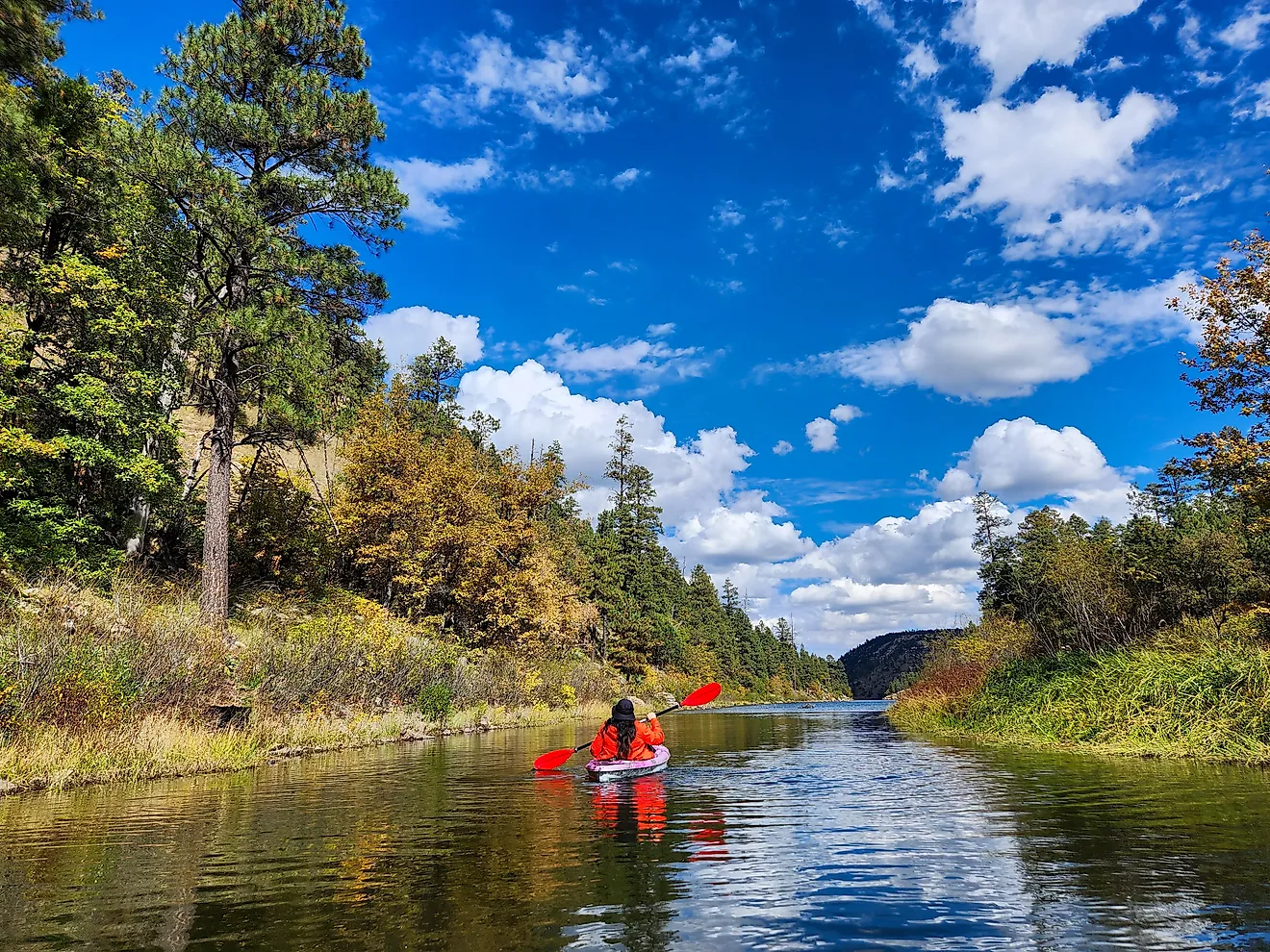
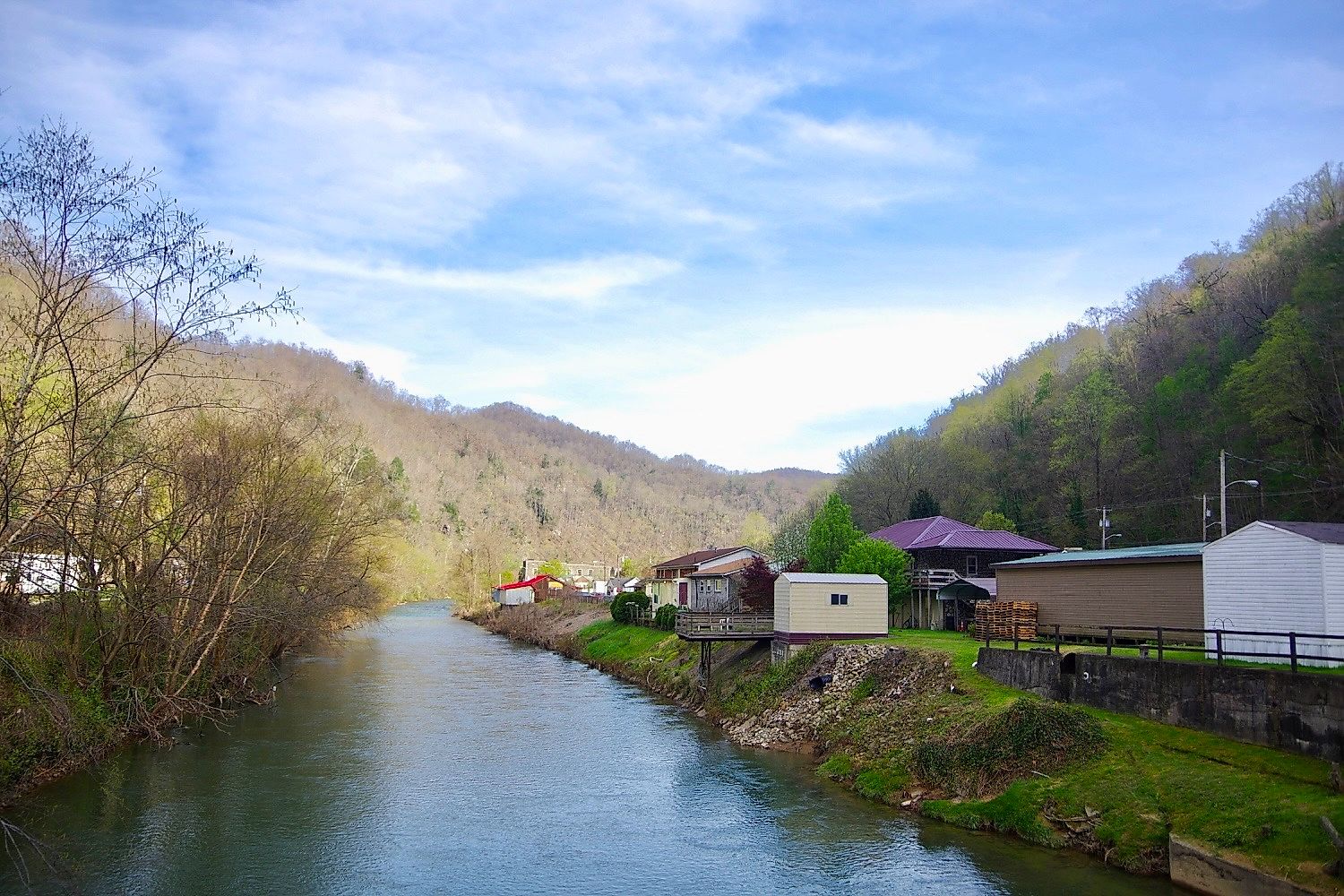
Whitesville is situated along the aptly named Big Coal River, a tributary of the Kanawha River and a popular kayaking spot. The trailhead of the Clear Fork Rail Trail, currently about five miles long, is at Jarrolds Valley. The trail follows portions of the former Virginian Railway corridor that was used for coal transport. Hikers and cyclists pass through the valley of the Clear Fork of the Coal River, taking in views of the water and cliffs.
Matewan

This Mingo County coal town is famous for the Matewan Massacre in 1920, one of the defining events of the West Virginia Coal Wars, which took place in the southern coalfields from 1912 to 1921. In this series of violent labor uprisings, miners, aided by the United Mine Workers of America, fought the mine owners for the right to unionize, better pay, and an end to abusive conditions in company-owned towns. The Stone Mountain Coal Company, established in the early 1900s, provided housing for miners and their families. It is no longer active.

The West Virginia Mine Wars Museum covers the history of the wars and the mine worker strikes of the early 20th century. Set on the Tug Fork, a tributary of the Big Sandy River, at the Kentucky border, Matewan has a population of about 400. Airboat rides on the Tug Fork with local companies such as Hatfield-McCoy Airboat Tours take riders on local history and sightseeing tours and provide the chance to see blue herons, turtles, and kingfishers.
Kimball

The Coal Heritage Trail, a National Scenic Byway, winds around the town of Kimball, in southern West Virginia's historic coalfields. It is in McDowell County, once known as the "Heart of the Nation's Coal Bin" because it ranked among the world's largest coal-producing counties in the early 20th century. Built by the Houston Collieries Company, the local Carswell Mine opened in 1915. It was known as Koppers Coal Company from 1935 to 1947. The final operator, Eastern Fuel and Gas Associates, closed the mine in 1953.
Kimball's mining heritage is evident around town in landmarks such as antique mining cars and a preserved railroad caboose, as well as in Coal Camp Creations, a local store that makes items from McDowell County coal. The Kimball World War Memorial was the first memorial built to honor African American veterans who served in World War I. The nearby Head of the Dragon route is a 91-mile scenic route through the mountains, popular with motorcyclists and sports car drivers.
Pax

In rural Fayette County, Pax was established as a railroad and coal mining community serving nearby mines. The currently active mines are the Kingston Wildcat Mine, an underground mine, and the Kingston South Surface Mine. They are both metallurgical operations, a grade of coal used to produce steel. The town is located at the southern terminus of the developing New River Gorge regional trail network, an interconnected system of trails that will lead to the New River Gorge National Park and Preserve, connect several towns, and link to the Monongahela National Forest.

Paint Creek was the site of West Virginia's first mine war, the Paint Creek-Cabin Creek Strike of 1912-1913. Today, the Paint Creek Scenic Trail is a driving route that follows Paint Creek through several historic coal mining communities. Beginning near Pax, it passes through other former coal towns while providing access to fishing and hiking. Another fishing and boating location, Plum Orchard Lake comprises 202 acres.
Ansted
Located in Fayette County, about 25 miles from Pax, Ansted combines mining history with natural beauty and quirky landmarks. The town was incorporated in 1891 and named after British geologist Dr. David T. Ansted, who mapped out the area's coal seams. Mining began in the 1870s with the Gauley-Kanawha Coal Company, later reorganized as the Hawks Nest Coal Company. The Gauley Mountain Coal Company, the Signal Knob Coal Company, and the Mill Creek Colliery Company were later mine operators. All of the mines closed by 1959.

Today, Ansted sits on a rim overlooking the New River Gorge, trading the dust of the coal mines for status as a gateway town to the New River Gorge National Park and Preserve. Hawks Nest State Park comprises 270 acres and features an aerial tramway, a lodge, and scenic views of the New River and the New River Gorge. The Hawks Nest Rail Trail, within the park, is approximately two miles long and leads to the marina at Hawks Nest Lake. On the way, hikers can take in views of Mill Creek Falls. Originally created in 1973, the roadside Mystery Hole is a combination gift shop and attraction. The colorful building features murals, giant sculptures, and optical illusions, making it a unique landmark in a mountain setting.
West Virginia Mining Heritage

West Virginia, situated within the Appalachian Basin, is rich in reserves of bituminous and high-quality metallurgical coal. Combined with the state's extensive river system, these resources played a major role in the industrialization of the US while creating a lasting cultural and historical heritage across the region. Coal has been commercially mined in what is now West Virginia since the early 1800s, creating jobs and supplying the fuel for steelmaking, railroads, steam engines, electricity generation, and home heating. The industry's growth also shaped the state's history, culminating in the Mine Wars of the early 1900s.
The expansion of railroad lines during the late 19th century drastically increased coal production, leading to the need for housing in the remote mountain areas. Mine owners established company towns, also known as coal camps, to accommodate workers and their families, building schools, churches, and company stores alongside the mines. Today, many of the early mines are abandoned or permanently closed, though some towns still produce coal, including Whitesville and Pax. According to the US Energy Information Administration, West Virginia had 164 active coal mines in 2024, including both underground and surface mines, making it the second-largest coal producer in the US after Wyoming. Together, these five towns reflect the history of West Virginia's coal mining industry and emphasize the state's scenic beauty and recreational opportunities.