13 Best Places To Live In The Northern United States In 2026
Good northern cities keep reinventing what their best blocks are for. Burlington puts Lake Champlain and the Green Mountains within a twenty-minute walk of downtown. Madison spreads its bike paths and beaches across an isthmus between two lakes. Rochester in Minnesota built a global medical hub around the Mayo Clinic. The thirteen cities ahead each earn a spot for one clear reason.
Burlington, Vermont

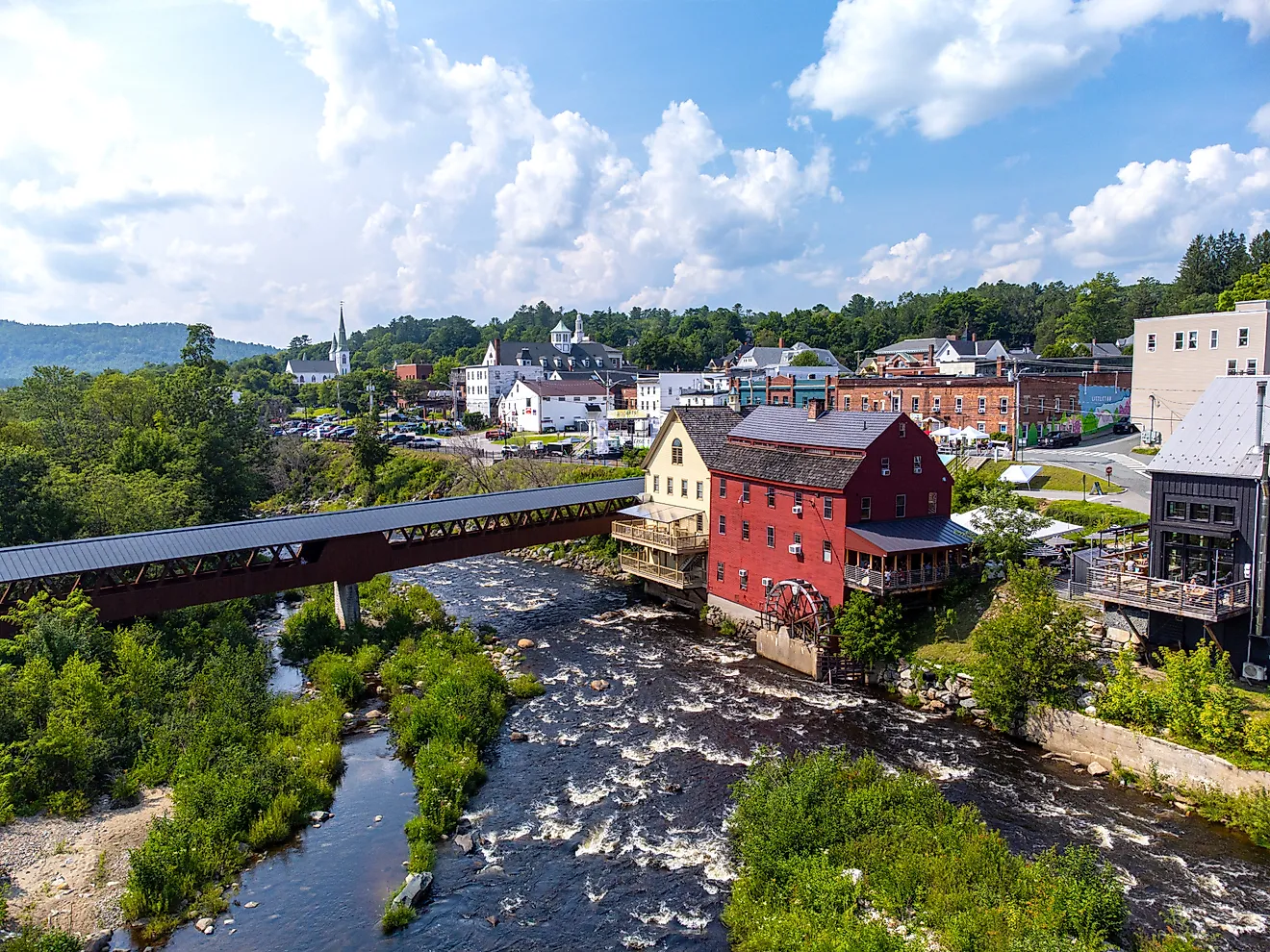
Many people move to this lakeside city for its outdoor recreation. Lake Champlain is the main draw, with the Green Mountains and Adirondack Mountains visible beyond the water. Burlington has distinct seasons, with cold winters, warm summers, and year-round access to the lake. Locals paddle kayaks on the freshwater lake or take a cruise with the Spirit of Ethan Allen for an evening on the water. There are also plenty of options on dry land. Rock Point's winding forested trails are only minutes from downtown and lead past rare plants and wetlands, about a 10-minute drive from city buildings. The most adventurous residents can also hike to the summit in nearby Camel's Hump State Park, which is less than an hour's drive away. Along with outdoor activities that support an active lifestyle, residents have access to some of Vermont's strongest healthcare. University of Vermont Medical Center is the largest medical center in the state, providing specialized services that include cancer care, cardiovascular treatment, and Vermont's only Level I adult trauma center, with Level II pediatric trauma verification.
Fort Wayne, Indiana

Fort Wayne stands out for families who want affordability, neighborhood support, and a Midwestern city with room to settle. The cost of living is below the national average, and average home values hover around $225,000. Midwestern hospitality shapes its tight-knit suburban neighborhoods. The Department of Neighborhoods focuses on policy creation that strengthens community connections through programs and education about existing services. Supportive services and low housing costs give residents of Fort Wayne a strong quality of life in northeastern Indiana.
Buffalo, New York

First-time homebuyers are drawn to Buffalo for its lower housing costs in a metro that continues to reinvent itself while preserving its historic architecture. Once an industrial powerhouse, the city's waterfront district has transformed over the past decade. Areas such as Canalside have become popular year-round gathering spots. Residents have something to do in every season at the historic inner harbor, including winter ice skating and summer rides on a 100-year-old solar-powered carousel. Buffalo also has one of the country's strongest collections of historic structures. A walk around town can take residents past centuries-old homes and inns, giving everyday neighborhoods a strong sense of place. Homes here have an average value of about $245,000, keeping the city well below national and state averages.
Providence, Rhode Island

Rhode Island's state capital is known as "The Creative Capital" for its artists, designers, entrepreneurs, and major schools, including Brown University and the Rhode Island School of Design. Education is one of the city's largest employers, and both universities contribute heavily to the economy and culture. Residents also have easy access to nearby cities such as Boston and New York City via Amtrak and the Northeast Rail Corridor. That connection helps commuters who want a smaller metro with access to larger job markets. Inside city limits, neighborhoods are full of art galleries and museums that support the city's creative identity. Annual events such as WaterFire, when blazing torches illuminate the waterfront, give residents a memorable way to gather downtown.
Ann Arbor, Michigan

Ann Arbor combines creativity, stability, and education in a way that appeals to families, students, and young professionals. The city has a large young-adult population supported by schools, annual events, museums, and the University of Michigan. Local schools are highly ranked within Michigan, adding to Ann Arbor's appeal for families. Downtown walks include the tiny "fairy doors" that appear in storefronts, giving the city a playful character. The Ann Arbor Art Fair brings hundreds of artists to town every July, with booths spread across 30 city blocks. The Ann Arbor Hands-On Museum offers another creative experience for people of all ages. It teaches STEM and natural sciences through hands-on exhibits and wildlife encounters that are unusual in an urban setting. The University of Michigan, founded in 1817 and based in Ann Arbor since 1837, adds research, culture, and major employment to the city.
Pittsburgh, Pennsylvania

Pittsburgh has been at the center of American industry for generations. Once an industrial powerhouse, the city now has a strong focus on research and innovation. Emerging industries such as robotics, AI, and biotechnology have become prominent. They give Pittsburgh a mix of steel-era history and modern technology. That mix shows up in the city's architecture, where 19th-century courthouses and churches stand near modern skyscrapers. Over the years of redevelopment, homes have remained relatively affordable, with an average cost of about $243,000. The median household income is about $65,742, which keeps the mortgage payment-to-salary ratio below Fidelity experts' recommended level.
Rochester, New York

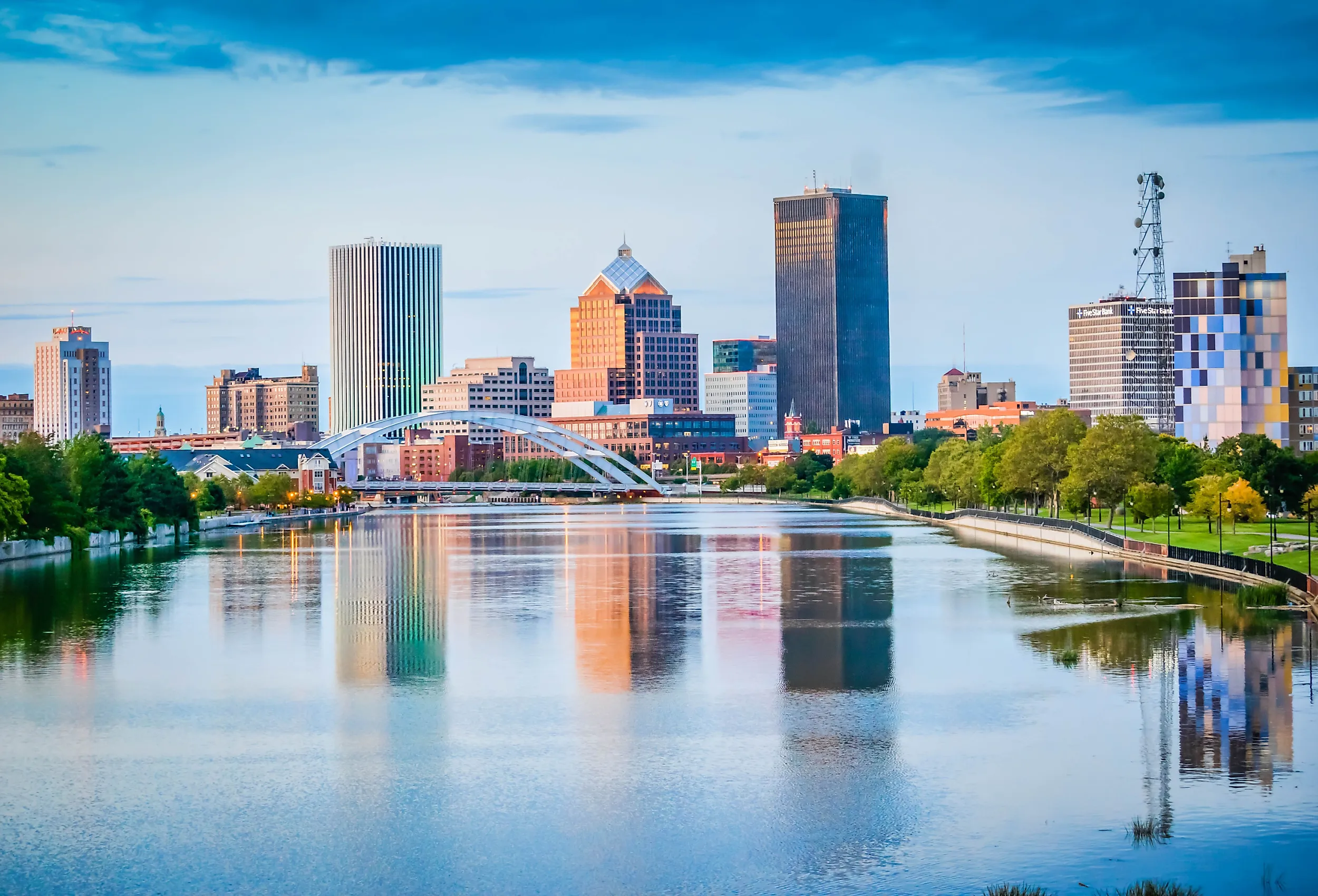
New York's fourth-largest city is also one of its most affordable. The cost of living is about 50% lower than in nearby New York City, and utilities cost less here than in neighboring cities like Albany and Buffalo. Rochester also works well for regional travel. Residents can reach Buffalo, NY, in about an hour. Toronto is reachable for longer weekend trips, though the drive usually takes closer to three hours, not including border delays. The average home value in Rochester, NY, is about $248,000, and some apartments rent for under $1,000 a month. The city keeps culture accessible, with numerous theaters and annual festivals. The Rochester International Jazz Festival and the Park Ave Summer Art Festival bring music and original arts and crafts to the community, while events such as the Lilac Festival celebrates spring and local agriculture by featuring the Lilac Local Farmers Market.
Portland, Maine

Portland is one of the North's strongest coastal options for people who want city amenities near the water. East End Beach's 300 yards of sand and pebbles stretch along Casco Bay, where locals swim on warm days. The healthcare industry is also strong here, supporting the economy by creating jobs and providing residents with access to major medical services. Maine Medical Center alone employs about 9,000 people and provides same-day care, behavioral health services, senior care, and a wide range of patient services. Many people also choose Portland for its walkability, especially on the peninsula, which is about three miles long. Walking across the downtown peninsula can take less than an hour. Neighborhoods such as Old Port, Downtown, and the West End are especially walkable, keeping daily errands within biking or walking distance.
Rochester, Minnesota

Rochester is one of the strongest options in the North for people who want to study medicine, work in healthcare, or live near top-tier care. With Mayo Clinic in town, Rochester's economy is stabilized by a major employer and healthcare powerhouse. The clinic employs about 33,400 people and creates roughly $9.8 billion in economic impact, helping turn the city into a global healthcare destination. Clinic labs, exam rooms, and other facilities are downtown, linked by an indoor network of pedestrian subways and skyways. The University of Minnesota Rochester and the Mayo Clinic have a close relationship. Students learn near the renowned medical center, and many pursue medical paths; 68% of UMR's medical school applicants are accepted to at least one U.S. medical school. Average home values in this city sit near the national average of around $370,000, at about $345,000.
Madison, Wisconsin

Wisconsin's capital city benefits from the energy of the university and access to nature around Lake Mendota and Lake Monona. The city sits on an isthmus between lakes, giving residents many options for outdoor recreation. Some bike the dirt paths through the forest, while others paddle on the lakes or picnic beside the shore. Madison residents bike year-round, even during the snowy days the Northern states are known for. The city's bike-friendly infrastructure includes well-maintained paths and bike-share programs that keep hundreds of miles of routes accessible.
The University of Wisconsin supports the city beyond the classroom through cultural organizations and nonprofits. This top research institution serves both the broader community and enrolled students. The South Madison Partnership grants access to university experts and campus resources while providing space for collaborative projects between students and community members.
Grand Rapids, Michigan

Grand Rapids has a strong art scene centered on ArtPrize, one of the world's most respected art competitions. Each year, the downtown district becomes a large outdoor art gallery. The event was created in 2009 to "rally a city around visual art" during a downtown transformation aimed at exposing locals to more culture and art. Early studies estimated millions in local economic activity, and recent ArtPrize reports put the event's impact much higher. Grand Rapids also won 2026's "Best of the Midwest" award, helped by its art and cultural experiences. As business grows and the city builds its reputation as a rising Midwest hub, home values remain below the national average, at around $270,000.
Des Moines, Iowa

Des Moines gives residents access to finance-sector careers without the high housing costs often found in larger business hubs. Principal Financial Group and Nationwide have a presence in Des Moines, supporting stable career paths in the city. The average home value is more than $100,000 below the national average, at about $212,000. Workers also benefit from shorter commutes, averaging around 17 minutes, which is below the national average. The cost of living is about 17% below the U.S. average, with utilities, groceries, and housing all more affordable here than in many other northern states.
Duluth, Minnesota

Outdoor enthusiasts move to Duluth for the shores and winding trails around Lake Superior. Outdoor recreation shapes the year here in every season. Residents explore more than a hundred miles of hiking and biking paths, thousands of acres of open space, and ski slopes. The Superior Hiking Trail is one of the most popular local options, following a rocky ridge above the lake toward the Canadian border. Community members balance outdoor access with work options in sectors such as aerospace, energy, and forestry. Even annual events revolve around the outdoors, including Grandma's Marathon, one of the country's biggest marathons. The event brings millions of dollars to local businesses.
Choosing a Northern Home Base
The Northern states of the U.S. offer many ways to build a comfortable life. The options include affordable cities, healthcare centers, university towns, and lakefront communities. Some put lakes and trails within reach of downtown for much of the year. Other places offer strong cultural spaces, coastal neighborhoods, or milder seasonal swings. The best choice depends on housing needs, career goals, healthcare access, school priorities, and the kind of community a person wants to join.