12 Offbeat Wisconsin Towns To Visit In 2026
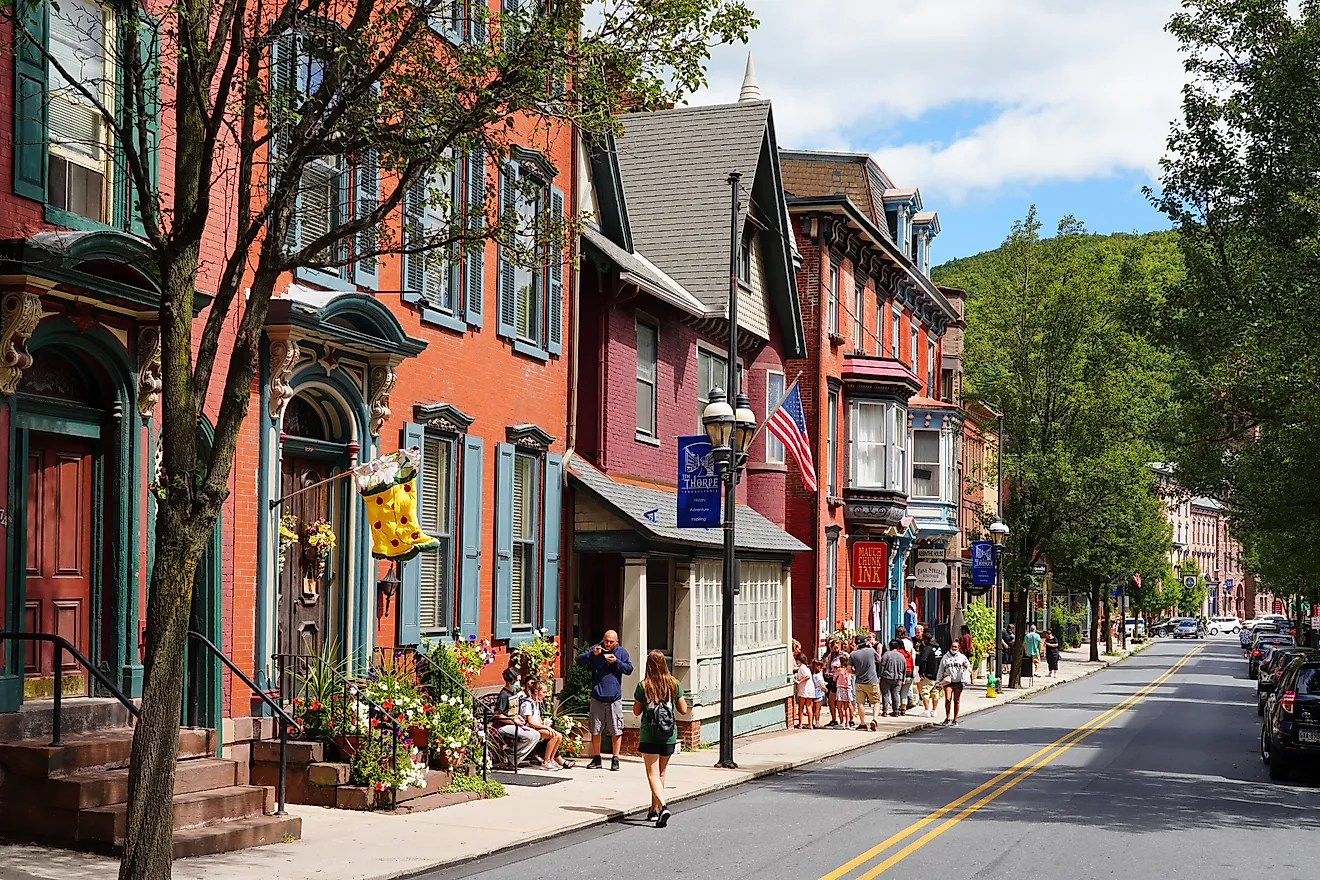
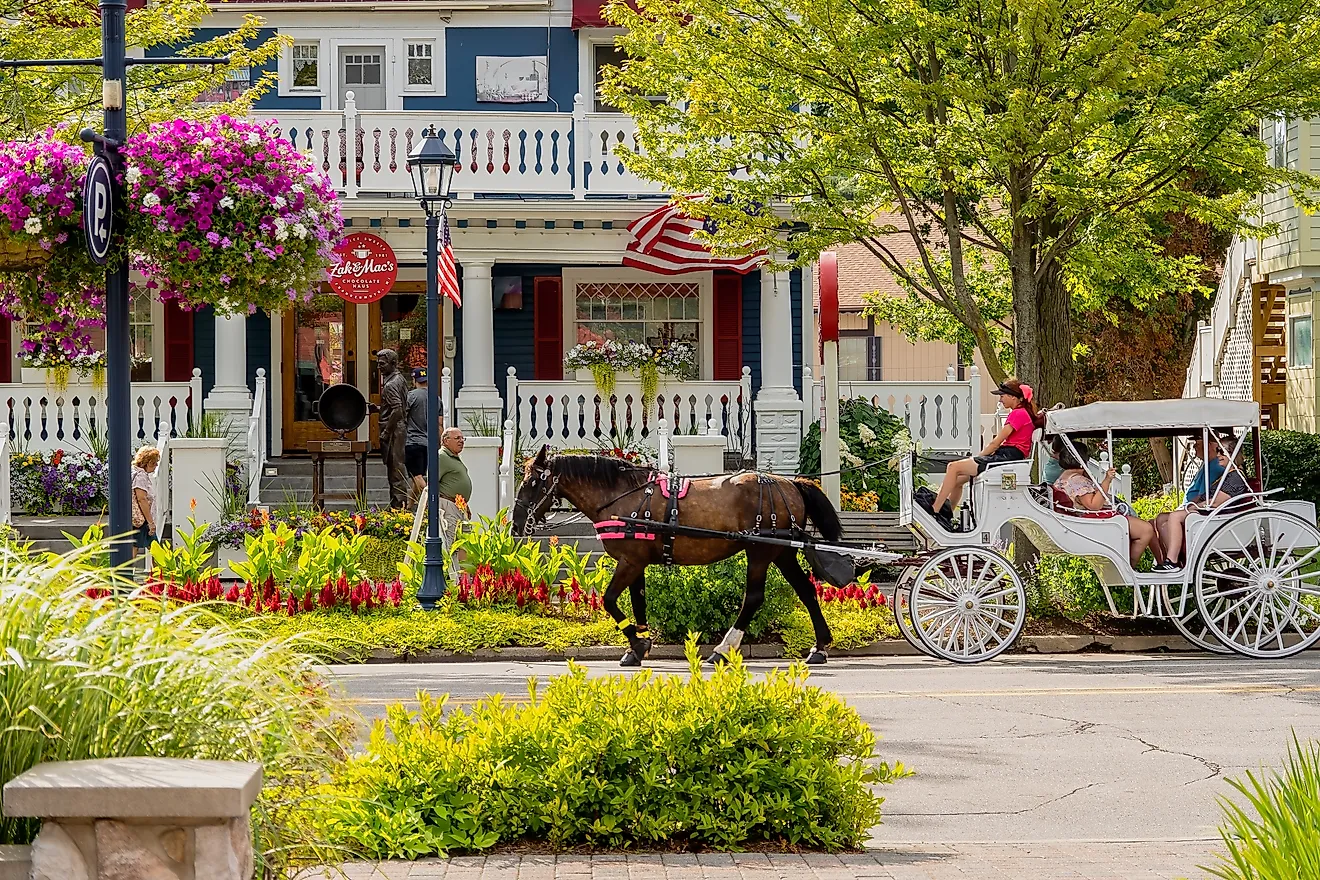
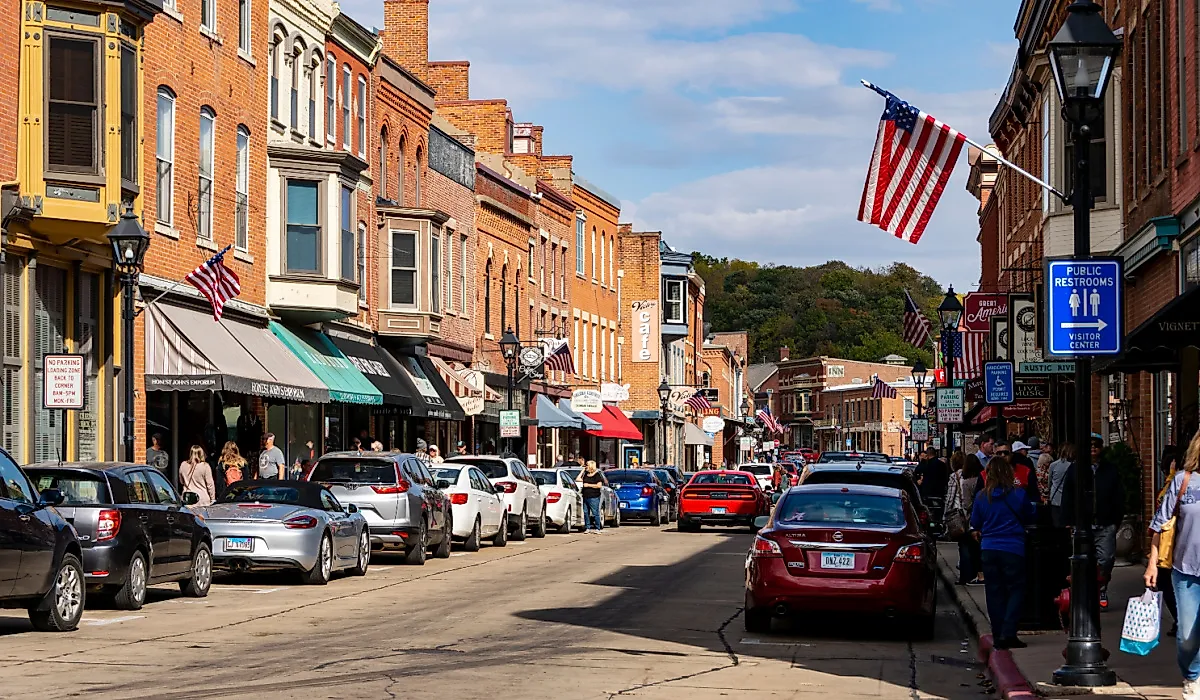
Wisconsin has a lot of small towns and a surprising number of them are genuinely odd. Mount Horeb lines its Main Street with carved wooden trolls. New Glarus runs on Swiss bakeries and Spotted Cow. Mineral Point's old miners' cottages are full of working potters. None of these places is trying to be like the others. The towns ahead each lean into one defining quirk and the result is a state where no two weekends look the same.
Spring Green

Less than an hour west of Madison, Spring Green makes an easy day trip for architecture, theater, and Wisconsin River scenery. For many visitors, Frank Lloyd Wright's Taliesin comes first, with tours moving through his home, studio, school buildings, and the farmland folded into the estate. If you would rather begin with something surreal, The House on the Rock is ready for you: the Infinity Room, a massive carousel, music machines, model ships, and room after room packed with collected oddities. Summer and fall bring another reason to linger, as American Players Theatre stages productions in its wooded outdoor Hill Theatre and smaller indoor Touchstone Theatre. The Lower Wisconsin State Riverway rounds out the visit with canoe routes, sandbars, fishing areas, bluff views, and broad stretches of open water.
Mount Horeb

Along Main Street in Mount Horeb, carved wooden trolls turn the village's central strip into the locally famous "Trollway," which sets the tone for a town that leans into its personality. Shops and restaurants make the compact downtown easy to explore on foot, and the Driftless Historium adds some depth through exhibits on Indigenous history, Norwegian immigration, agriculture, and regional geology. A short drive west, Cave of the Mounds in Blue Mounds shifts the focus underground with guided walks through limestone chambers filled with stalactites, stalagmites, and other mineral formations. Back in town, the Grumpy Troll Brew Pub occupies the former Mount Horeb Creamery building, a good enough reason to stop even without the history, while Stewart Lake County Park offers a quieter ending to the day, with walking, fishing, picnicking, and a little time near the water.
New Glarus

New Glarus still wears its Swiss heritage proudly, from chalet-style buildings to festivals, bakeries, and old-world food traditions that have stuck around for good reason. The Swiss Historical Village & Museum gives the clearest look at the community's roots, with preserved structures including a schoolhouse, church, blacksmith shop, and settler cabin. Beer fans still come for Spotted Cow, but New Glarus Brewing now directs visitors to its gift shop, tasting room, and Beer Depot at 218 Hoesly Drive, with self-guided tours available at the original Riverside brewery while the Hilltop Brewery remains closed to the public. A slower afternoon might lead to shaded trails in New Glarus Woods State Park or a ride along the Sugar River State Trail. And if you find yourself wanting one more stop, the Chalet of the Golden Fleece is worth the detour, with folk art, antiques, furnishings, and objects gathered by Edwin Barlow filling the place in a way that feels genuinely personal.
Mineral Point

Among Wisconsin's most distinctive small communities, Mineral Point blends Cornish mining history, limestone cottages, and a lively arts scene into something that doesn't quite resemble anywhere else. Pendarvis anchors the historic side of town with restored dwellings that show how immigrant lead miners actually lived in the 1800s, modest, close to the stone, and worth more than a quick walk-through. The old commercial district has since found a second life, with galleries and studios filling former storefronts, and Shake Rag Alley Center for the Arts bringing workshops, events, and artist programs to a cluster of stone and frame buildings nearby. Brewery Pottery gives the creative scene another landmark, operating inside an 1850s stone brewery where the ceramics sold there are also made there. Local history continues at the Mineral Point Railroad Museum in an 1856 depot, and for those who want to get outside, the Cheese Country Recreation Trail heads through Driftless hills and former mining country.
Baraboo

Baraboo sits close to dramatic geology, circus heritage, and several attractions that pair naturally with each other. Devil's Lake tends to come first, with quartzite bluffs, beaches, talus slopes, overlooks, and the well-traveled East Bluff and West Bluff trails pulling in hikers of every level. Back in town, Circus World occupies part of the Ringling Brothers' former winter quarters, where restored wagons, costumes, posters, and artifacts fill the place, making it a stranger and more absorbing stop than it might sound. The ornate Al. Ringling Theatre, built in 1915, is worth stepping inside whether or not there's a performance on. For something more recent, Driftless Glen Distillery offers a waterside visit along the Baraboo River, and the nearby International Crane Foundation rounds out the trip with all 15 crane species on view and a serious look at global conservation work behind them.
Hayward

In Wisconsin's Northwoods, Hayward feels built around inland lakes, paddling routes, fishing culture, and lumberjack tradition, and it leans into all of it without apology. The giant walk-in muskie at the National Fresh Water Fishing Hall of Fame is impossible to ignore from the road, and the exhibits inside cover angling records, vintage lures, boats, motors, and the kind of memorabilia that accumulates when a region takes its fishing seriously. For time on the water, the Namekagon River section of the St. Croix National Scenic Riverway offers canoeing and kayaking through forested stretches with sandbars and campsites along the way. Scheer's Lumberjack Show adds a high-energy look at timber-sport heritage through logrolling, sawing, climbing, axe throwing, and boom running. A stop at Tremblay's Sweet Shop on Main Street, with taffy, fudge, brittle, chocolates, and caramel apples, is a reasonable way to finish.
Bayfield

Facing Madeline Island from the Lake Superior shoreline, Bayfield draws much of its character from its harbor setting, and nearly everything worth doing here connects back to the water in some way. It serves as the main gateway to Apostle Islands National Lakeshore, where red sandstone cliffs, sea caves, beaches, lighthouses, and forested islands can be reached by kayak, cruise, or private boat. During the regular boating season, the Madeline Island Ferry Line carries passengers and vehicles between Bayfield and La Pointe, making the island an easy extension of the visit. Near the waterfront, the Bayfield Maritime Museum adds context on shipwrecks, commercial fishing, navigation, boatbuilding, and the working life of the North Coast. Inland from the harbor, Hauser's Superior View Farm offers apples, cider, preserves, and nursery plants, along with a hilltop view over the orchards and the shoreline that puts the whole setting in perspective.
Pepin

On the shore of Lake Pepin, the broad natural lake formed where the Mississippi widens between Wisconsin and Minnesota, Pepin is closely tied to Laura Ingalls Wilder's early childhood, and that connection shapes a lot of what brings people here. The Laura Ingalls Wilder Museum brings that story into focus with photographs, household objects, pioneer tools, and family-related items. A short trip from the village leads to the Little House Wayside, where a replica log cabin marks the site associated with the Ingalls family. The waterfront gives the town another focal point, with Pepin Marina providing boating access and views out toward the surrounding bluffs. For a different pace entirely, Villa Bellezza Winery & Vineyards offers Italianate-style architecture, vineyard grounds, a tasting room, and locally made wines, giving visitors a good reason to stay a little longer than planned.
Warrens

Warrens may be small, but cranberry country gives it a strong identity and a very specific time of year when the whole region comes alive. The Wisconsin Cranberry Discovery Center is the best starting point, with exhibits on how cranberries are grown, harvested, processed, and marketed, along with marsh equipment and regional history. For a closer look at working marshes, Wetherby Cranberry Company is especially worth visiting around the fall harvest season, when the flooded bogs turn a deep, vivid red. That same season brings the Warrens Cranberry Festival, which fills the town with food stands, craft vendors, marsh tours, and a large parade. When you're ready to get outside, Mill Bluff State Park makes an easy side trip, with sandstone buttes left by ancient glacial flows, plus hiking trails, campsites, and overlooks that feel far removed from the festival crowds.
Elkhart Lake

With clear spring-fed water and a major road-racing legacy, Elkhart Lake manages to feel like a quiet resort town and a destination for motorsport fans at the same time. Road America, just southeast of the village, is a 4.048-mile course that hosts IndyCar, IMSA, MotoAmerica, SCCA, vintage races, and other major events throughout the season. In the village itself, the Fireman's public beach gives visitors a place to swim, launch a boat, use the playground, or just sit by the lake for a while. History is close by in Greenbush, where Wade House Historic Site preserves an 1850s stagecoach inn, sawmill, blacksmith shop, carriage collection, and horse-drawn demonstrations. Racing fans often end up at Siebkens Resort before the day is done, where the Stop-Inn Tavern's walls of memorabilia connect the town's past to everything happening out on the track.
Fish Creek

Fish Creek is a Door County harbor community in the Town of Gibraltar, with a walkable commercial core and Peninsula State Park essentially at its doorstep. Inside the park, visitors find many of the things Door County does best: Eagle Trail, Eagle Tower, Nicolet Beach, shoreline overlooks, bike routes, campsites, and a golf course with water views. Close to the shopping district, the Alexander Noble House preserves a 19th-century residence with period rooms and local history exhibits, making it a quieter stop than the park, but worth the few minutes it takes. A traditional Door County fish boil is harder to skip, and White Gull Inn has been doing it long enough to make the whole production feel like the real thing rather than a performance, with whitefish and potatoes cooked outdoors and finished with a dramatic flare-up. Peninsula Players Theatre adds a summer tradition from its wooded shoreline setting, for evenings when the park trails can wait.
Cedarburg

In Cedarburg, a creekside setting, walkable older downtown, and well-preserved limestone and brick buildings shape most of what makes the place appealing. It's the kind of town that looks like it was built to last, because it was. Cedar Creek Settlement occupies an 1864 woolen mill complex and combines Cedar Creek Winery with shops and plenty of room to browse. Just nearby, a covered bridge built in 1876 over the creek holds the distinction of being the state's last remaining original example, which gives it more weight than the average historic marker. The Wisconsin Museum of Quilts & Fiber Arts, set at a former farmstead, presents textile exhibitions, workshops, and collections that draw serious enthusiasts from well outside the area. Green space along the stream ties it together with paths, picnic areas, a playground, and access to the Ozaukee Interurban Trail.
What Ties These Wisconsin Stops Together
Wisconsin's small towns don't follow a single script. Some lead with geology, others with heritage, brewing traditions, water access, or something genuinely hard to categorize, like a walk-in fiberglass muskie or a street full of carved trolls. What this list really demonstrates is how much variety fits into one state, and how different a weekend can look depending on which direction you point the car. Whether you're chasing circus history in Baraboo, cranberry bogs in Warrens, or Swiss pastries in New Glarus, the common thread is that these places reward showing up in person.