11 Of The Most Captivating Small Towns In The Southern United States
The Southern United States has small towns where the surrounding landscape is hard to separate from the streets themselves. Gatlinburg occupies a narrow valley below the Great Smoky Mountains. Marathon stretches across islands in the Florida Keys, with open water visible from much of town. Harpers Ferry is at the meeting point of the Potomac and Shenandoah rivers, and Blue Ridge has a railway following the Toccoa River through northern Georgia. In each of these places, the setting gives visitors a specific reason to stop rather than simply another historic downtown to walk through.
Gatlinburg, Tennessee

Gatlinburg is directly below the ridges of Great Smoky Mountains National Park, with the Little Pigeon River running through town. Several attractions use that elevation to give visitors views across the valley. Gatlinburg SkyPark has the 680-foot SkyBridge, suspended about 150 feet above the ground at its highest point. The bridge is useful for seeing how tightly the town fits between the surrounding slopes.
Anakeesta reaches a separate mountaintop above downtown. Its AnaVista Tower has 360-degree views across the Smokies, and the mountaintop complex has dining areas positioned above the valley. Ober Mountain is reached by an aerial tram from downtown. The tram itself is worth taking for the changing view during the climb, and the upper station gives access to skiing in winter and mountain activities during warmer months.
For something at street level, the Hollywood Star Cars Museum displays vehicles associated with film and television productions. Its collection includes a Batmobile and cars linked to the Fast & Furious franchise, which makes it a more specific indoor stop than another general souvenir attraction.
Marathon, Florida

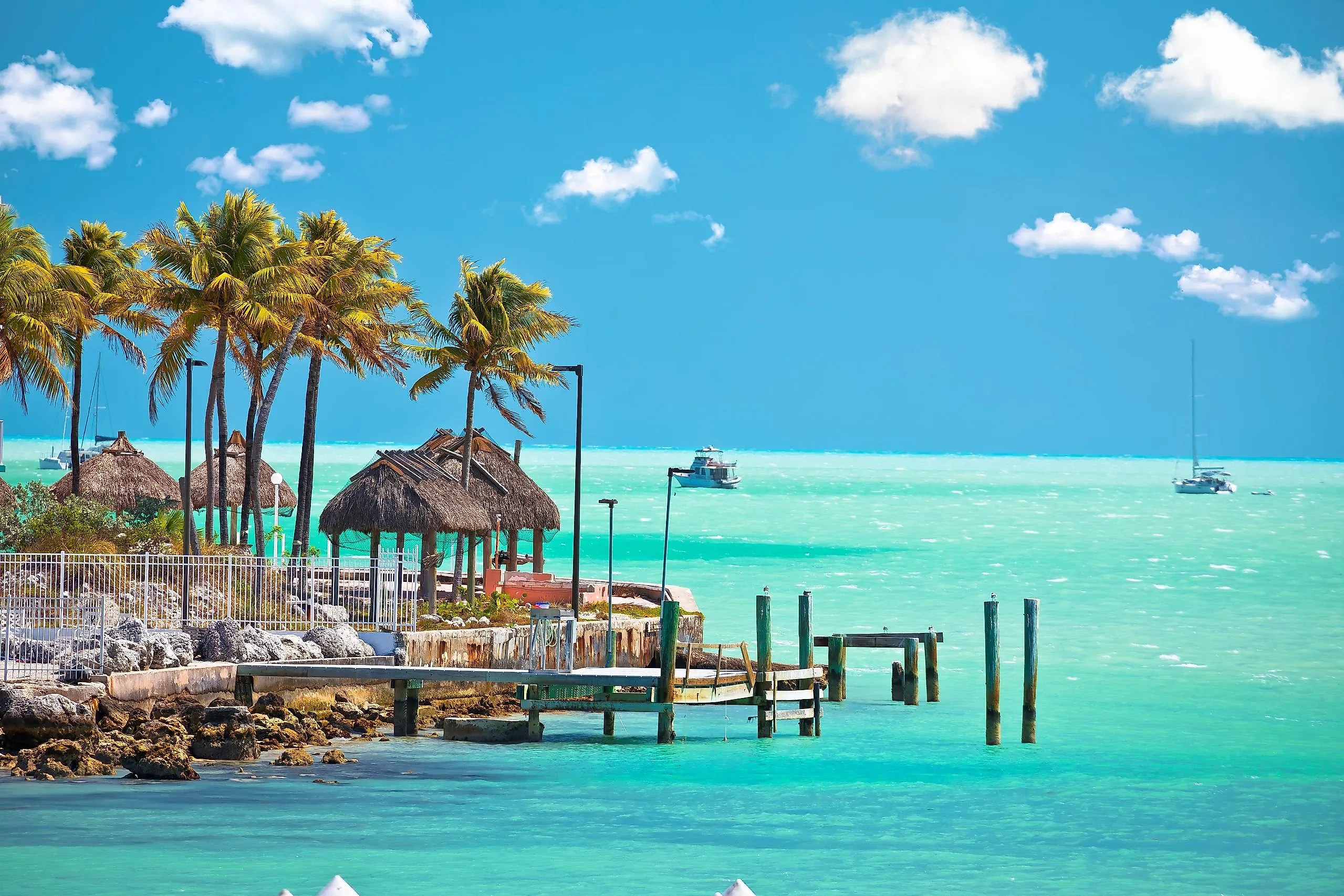
Marathon occupies several islands in the middle Florida Keys, so open water is never far away. Sombrero Beach is one of the easiest public shorelines to reach from town. The beach has a broad sandy section and is also used by nesting loggerhead turtles between April and October, when marked nesting areas should be left undisturbed.
Curry Hammock State Park protects a much less developed stretch of the Keys. Mangrove wetlands and rockland hammock remain around the shoreline, and paddlers can get onto the water directly from the park. A 1.5-mile nature trail gives visitors a closer look at inland habitat that is easy to miss when driving the Overseas Highway.
The Seven Mile Bridge begins near Marathon and carries US 1 southwest toward the Lower Keys. The crossing is long enough for the surrounding water to dominate the view, with very little land visible through much of the drive.
Blowing Rock, North Carolina

Blowing Rock is about 3,500 feet above sea level in the Blue Ridge Mountains. The rock formation that gave the town its name projects above Johns River Gorge, where strong updrafts can push light objects upward. During some winter conditions, snow near the cliff can appear to fall in the wrong direction.
Moses H. Cone Memorial Park is about a mile north of downtown. Textile manufacturer Moses Cone developed the estate around the turn of the 20th century and had roughly 25 miles of carriage roads built across it. Their gradual grades now make them useful walking routes, particularly around Bass Lake. Flat Top Manor, Cone's former home, is on the property.
Tweetsie Railroad is nearby for families who want something more structured. Its steam train follows a three-mile loop around the mountain and crosses a trestle during the ride. The park also has a chairlift to Miner's Mountain, giving passengers another elevated view of the surrounding ridges.
Clemson, South Carolina

Clemson is a college town near the foothills of the Blue Ridge, and much of its green space is connected to Clemson University. The South Carolina Botanical Garden covers about 230 acres on campus. Its paths pass through native plant communities and around ponds, making it a useful stop for visitors interested in the vegetation of different parts of the state.
The garden also contains Hanover House, an 18th-century structure moved to Clemson for preservation. Nearby, the Bob Campbell Geology Museum has a collection of more than 10,000 rocks, minerals, and fossils. That makes the botanical garden area more than a short walk through planted beds.
Lake Hartwell is close to downtown. Larry W. Abernathy Waterfront Park has a boardwalk beside the water and picnic areas used by local residents. Twelve Mile Recreation Area provides another public access point for swimming and fishing.
St. Augustine, Florida

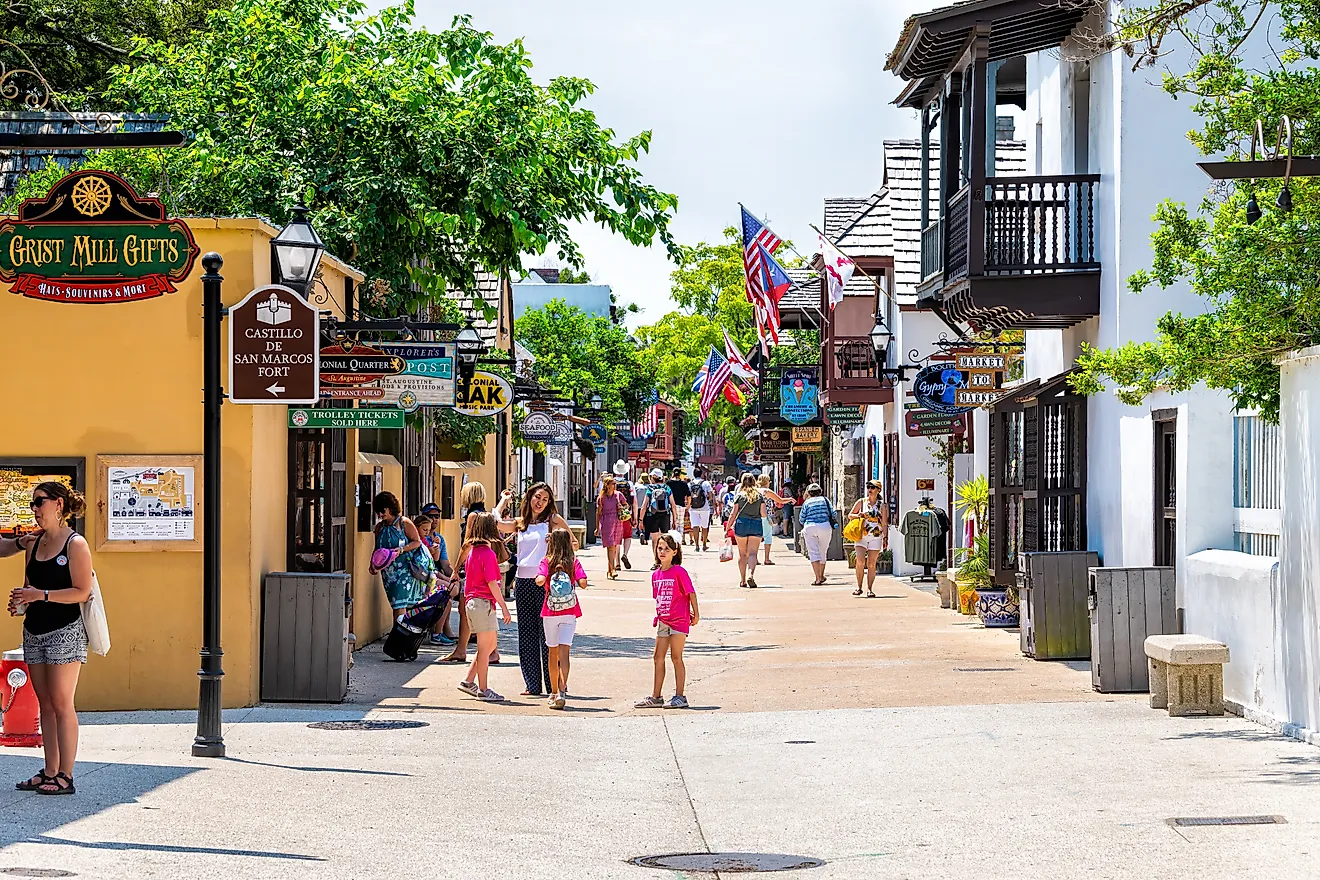
St. Augustine was founded in 1565 and is generally recognized as the oldest continuously inhabited European-established settlement in the continental United States. The Castillo de San Marcos is one of the clearest surviving pieces of that history. Construction began in 1672 using coquina stone, and the fort now operates as a national monument with self-guided access. From the gun deck, visitors can see Matanzas Bay and the old waterfront.
St. George Street runs through the historic district as a pedestrian-only commercial street. Colonial-era buildings remain along parts of it, mixed with restaurants and museums. The Medieval Torture Museum is one of the stranger stops on the street, with interactive displays focused on historical punishment practices. It is specific enough to be worth mentioning for visitors who prefer something beyond house museums.
St. Augustine Beach is a short drive across the Intracoastal Waterway. The St. Johns County Ocean Pier extends from the northern end of the beach and is used for fishing. The pier also gives visitors an uninterrupted view along the shoreline without requiring a boat trip.
Helen, Georgia

Helen was redesigned with Bavarian-style facades in the late 1960s as part of an effort to revive the local economy. The result is unusually consistent across the small downtown, where balconies and painted storefronts follow the same architectural theme. The Heidelberg is one of the long-running restaurants associated with that identity, serving dishes such as schnitzel and goulash from a building in the center.
The Chattahoochee River runs through town and is used heavily for tubing in summer. Outfitters rent tubes and shuttle riders, so visitors can enter upstream and float through Helen without arranging their own transport.
Anna Ruby Falls is a few miles away in the Chattahoochee-Oconee National Forest. Two streams drop side by side before joining Smith Creek, with the taller fall descending more than 150 feet. A paved trail of about half a mile reaches the viewing area. Unicoi State Park is nearby and has accommodations around 53-acre Unicoi Lake, making it convenient for travelers who want to stay outside the busier downtown.
Harpers Ferry, West Virginia

Harpers Ferry occupies the narrow ground where the Potomac and Shenandoah meet. The Maryland Heights Trail is the usual route for seeing that geography from above. The round trip is about 4.5 miles, ending at an overlook where the historic town and the river junction are visible below.
Lower Town is part of Harpers Ferry National Historical Park and contains buildings associated with the town's industrial and Civil War history. John Brown's Fort is the best-known. Brown and his followers used the building during the final stage of the 1859 raid on the federal armory, an attempt to spark an uprising against slavery. Exhibits nearby explain the raid and its national consequences.
For visitors who want a longer hike, Loudoun Heights provides another overlook from the Virginia side. The route is substantially longer than Maryland Heights, so it makes more sense for travelers prepared to spend several hours on the trail.
Fairhope, Alabama

Fairhope is on the eastern shore of Mobile Bay. The Fairhope Municipal Pier extends into the bay below downtown and is long enough to give visitors an open view across the water. Fishing is allowed from the pier, and sunset tends to draw people there because the shoreline faces west.
The Eastern Shore Art Center is a few blocks inland and has five galleries with changing exhibitions. Workshops and classes are also held there, making it a stronger stop for anyone interested in the local arts scene than simply browsing decorative shops downtown.
Southern Grove Vineyard is on a 22-acre property outside the center and produces wines that include muscadine varieties associated with the South. Tours cover the production area, and tastings are available on site. For dinner near the water, Sunset Pointe is at Fly Creek Marina and has outdoor seating facing the bay.
Blue Ridge, Georgia

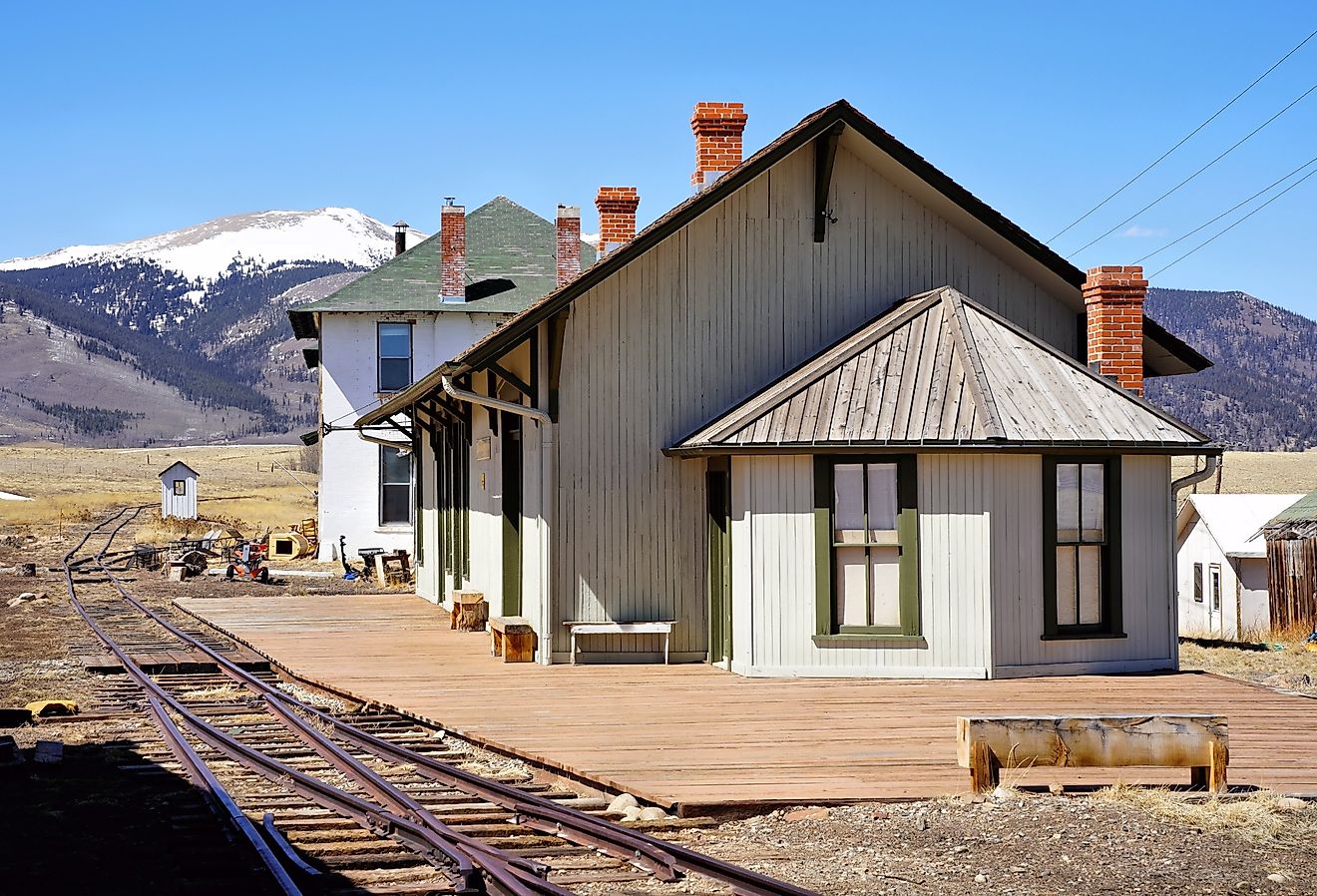
Blue Ridge developed around the railroad, and passenger trains still leave the historic depot downtown. The Blue Ridge Scenic Railway follows the Toccoa River on a 26-mile round trip toward McCaysville. The route is especially useful for visitors who want to see the river valley without spending the day hiking.
The Toccoa River Swinging Bridge is farther into the Chattahoochee National Forest. At about 270 feet long, the suspension bridge crosses the river on a section reached by forest roads and a short walk. It moves noticeably when several people are crossing.
Lake Blue Ridge is only a few miles from downtown. Public access at the recreation area includes swimming areas and shoreline paths. Bear Claw Vineyard is another nearby stop, with weekend live music on its outdoor patio. Mentioning it makes sense for visitors looking for an evening activity after the railway or lake.
Madison, Georgia

Madison has one of Georgia's better-preserved concentrations of 19th-century architecture. The Madison-Morgan Cultural Center is inside an 1895 Romanesque Revival school building near downtown. Its rotating exhibitions and performance schedule make the building useful beyond its architecture.
Heritage Hall is a Greek Revival house completed in the early 19th century and furnished to interpret affluent domestic life before the Civil War. Guided tours give visitors access to the interior, which matters here because much of Madison's architectural appeal is otherwise limited to viewing private houses from the street.
Georgia Safari Conservation Park is outside the historic center on roughly 530 acres. Guided safari tours bring visitors close to animals including rhinos and zebras. The park also has overnight accommodations, so it works as a separate experience rather than a quick extension of the downtown walking route.
Williamsburg, Virginia

Williamsburg is best known for Colonial Williamsburg, where more than 300 acres of the former colonial capital have been restored or reconstructed. Costumed interpreters demonstrate trades inside working shops, and horse-drawn carriages use the streets during the day. The Wythe House is one of the surviving 18th-century buildings open to visitors. George Wythe, a signer of the Declaration of Independence, lived there.
The Colonial Parkway connects Williamsburg with Jamestown and Yorktown over 23 miles. The road was designed as part of Colonial National Historical Park, with limited commercial development along the route. Near Yorktown, visitors can stop at the battlefield where British forces under Cornwallis surrendered in 1781, ending the last major land campaign of the American Revolution.
Landscape as the Reason to Stay
What separates these eleven towns from a longer roster of pleasant Southern downtowns is how directly each one is shaped by the ground it sits on. Gatlinburg and Blowing Rock are defined by the ridges above them, Marathon and Fairhope by the water at their edges, and Harpers Ferry by the exact point where two rivers meet. In the Georgia towns, the same logic runs through the Toccoa River, the Chattahoochee, and the preserved 19th-century streets of Madison. St. Augustine and Williamsburg add a second layer, where centuries of built history sit on top of the setting rather than competing with it. A visitor choosing among them is really choosing a landscape first and a Main Street second, which is a more durable reason to make the trip than shopping or dining alone.