11 Of The Friendliest Towns In The Northern United States
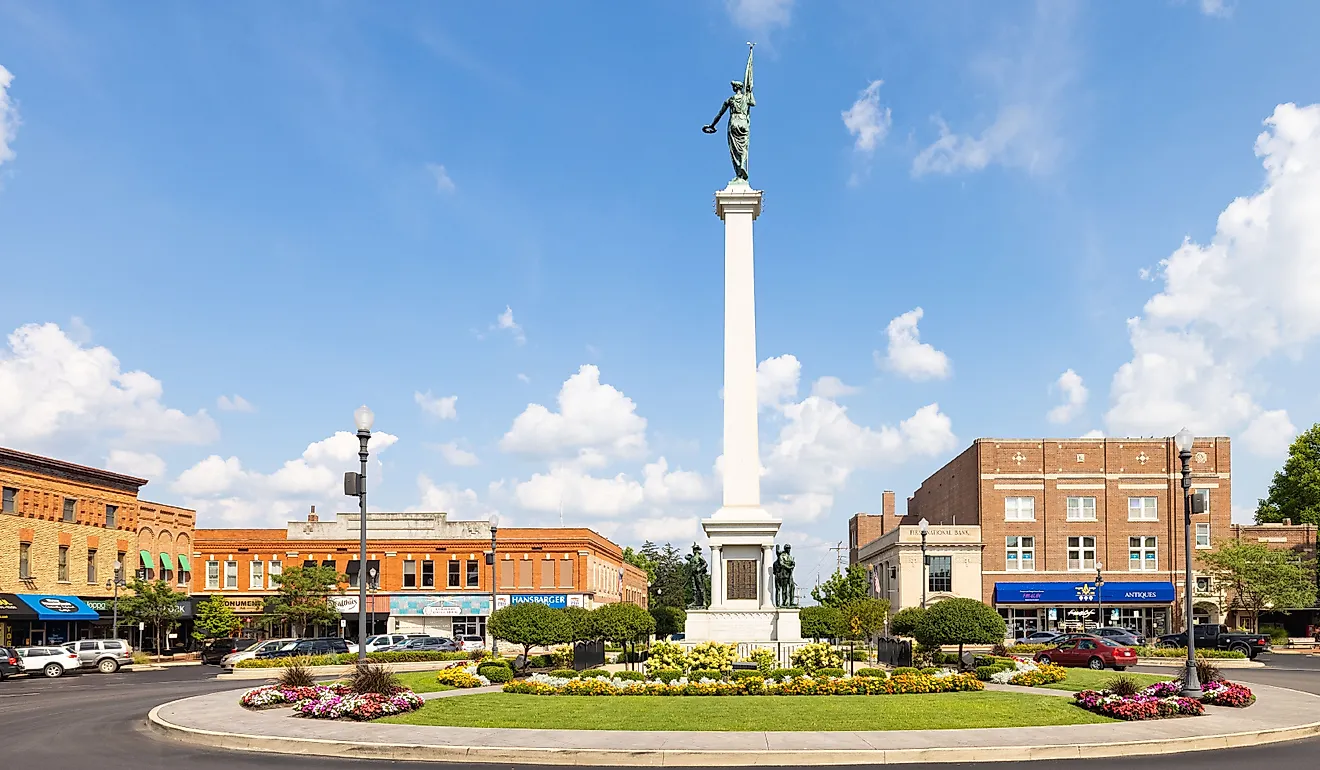
The friendliest towns in the northern United States are the kind where a diner cook knows your order, a whole town turns out for the same fall festival, and a park ranger walks strangers through century-old storefronts for free. In Littleton, New Hampshire, that diner has fed regulars since the Depression. In Skagway, Alaska, the rangers wear 1898 period dress and trade gossip about the day's ferries. These eleven towns carry that friendliness across the northern states, each through its own festivals, museums, and Main Street regulars.
Alexandria, Virginia

Old Town Alexandria welcomes dogs just about everywhere, with pets allowed at most outdoor tables, in the parks, and aboard the free King Street Trolley. The Torpedo Factory Art Center keeps 82 working artist studios open to anyone wandering the waterfront.
The 100-block historic district along King Street has brick sidewalks, 18th-century townhouses, and original cobblestone alleys, making it one of the most-walked downtown stretches on the East Coast. Gadsby's Tavern Museum was George Washington's regular Alexandria stop, and the Stabler-Leadbeater Apothecary Museum on Fairfax Street worked as a pharmacy from 1792 to 1933.
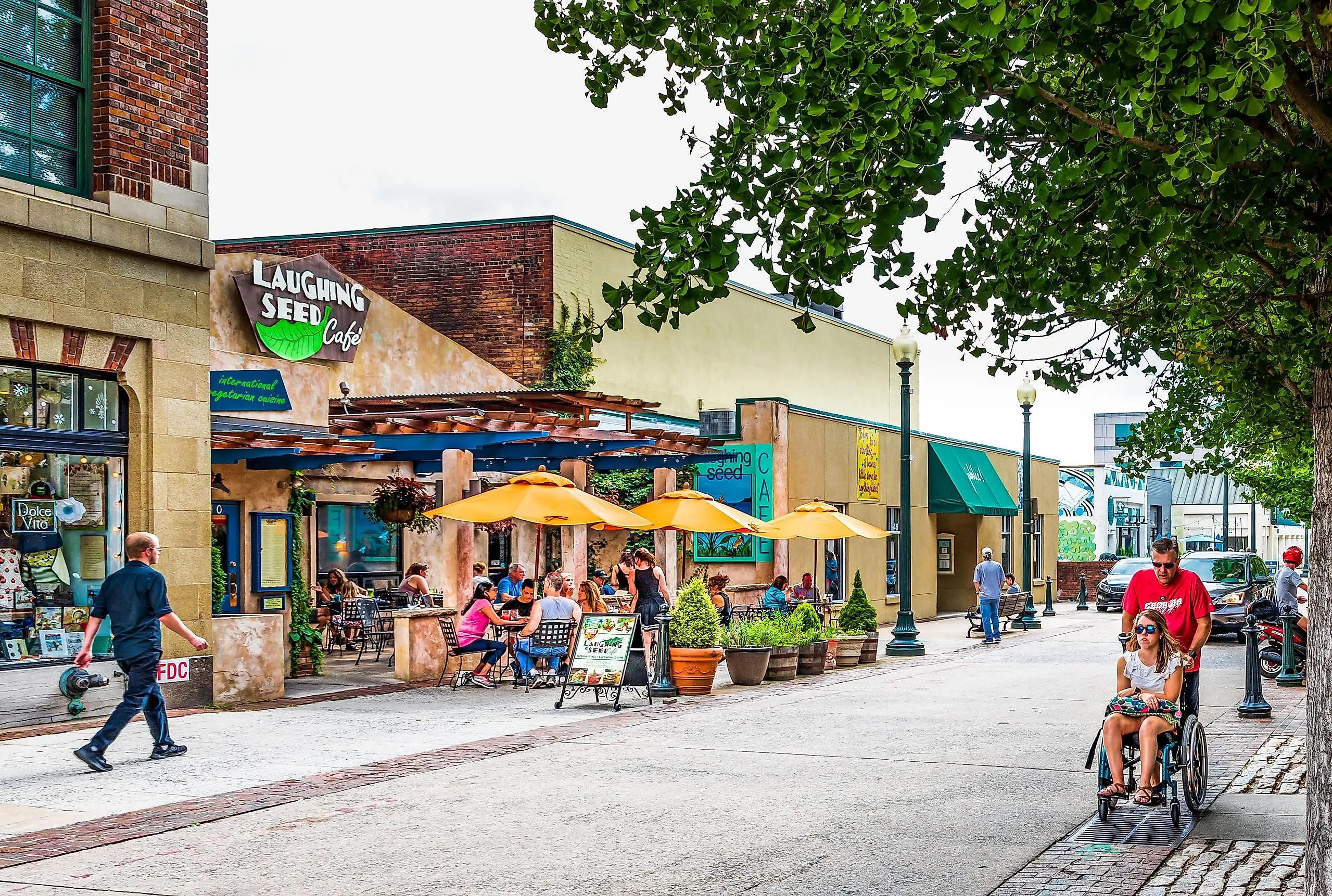
Asheville, North Carolina

In Asheville's River Arts District, more than 230 artists keep their studio doors open to anyone wandering the old riverfront warehouses. The district covers about a mile along the French Broad River. Downtown holds one of the densest concentrations of independent breweries in the Southeast, and the taprooms stay relaxed and talkative, especially in March and April before the tourist season picks up.
The Basilica of Saint Lawrence near the center of downtown carries the largest freestanding elliptical dome in North America. The Biltmore Estate just south of town remains the largest privately owned home in America at 178,926 square feet. The Great Smoky Mountains National Park, Pisgah National Forest, and Linville Falls all lie within a 90-minute drive.
Jackson Hole, Wyoming

Every spring, locals and Boy Scouts gather the antlers that elk shed at the National Elk Refuge, and the haul builds the four antler arches that frame Jackson Town Square. That shared ritual sets the tone for a town where conversation circles around skiing, fishing, and wildlife all year. Grand Teton National Park begins a few miles north, with wildlife trails, fly-fishing on the Snake River, and short day hikes near String Lake.
Jackson Hole Mountain Resort holds one of the longest continuous vertical drops in the country at 4,139 feet. The National Museum of Wildlife Art on the hillside above town keeps a permanent collection of more than 5,000 works. Snow King Resort on the south edge of town has worked the same local ski hill since 1939, and the chairlift and alpine Cowboy Coaster still draw a chatty crowd of regulars.
La Conner, Washington

At the Scone Lady Bakery on Morris Street, the daily crowd of regulars folds whatever visitor is in line into the conversation. La Conner lines up along the Swinomish Channel, with a working harbor on one side of First Street and a row of 19th-century storefronts on the other. Each April the surrounding fields turn red, yellow, and orange for the Skagit Valley Tulip Festival, which draws hundreds of thousands of people across the month.
The Pacific Northwest Quilt & Fiber Arts Museum occupies the former Gaches Mansion and rotates exhibitions through the year. The Museum of Northwest Art collects work by contemporary regional painters and sculptors. Eagles, otters, and sea lions turn up regularly along the channel walk.
Lindsborg, Kansas

Twice a year Lindsborg fills its downtown for Midsummer's Festival in June and Svensk Hyllningsfest in October, with maypole dancing, folk costume, and Swedish food taking over the streets. Swedish immigrants founded the town in 1869, and the language stayed common on Main Street into the early 1900s.
Bethany College, founded in 1881 by Swedish Lutherans, drives the cultural calendar with the Bethany Oratorio Society's Messiah Festival each Easter season, performed every year since 1882. Painted Dala horses turn up on benches, storefronts, and corners all over downtown. Coronado Heights, the stone observation tower the Works Progress Administration built on a bluff in 1936, gives the best view over the Smoky Valley.
Littleton, New Hampshire

Littleton holds its Official Pollyanna Glad Day every second Saturday in June, a free downtown celebration of gladness named for the cheerful heroine that hometown novelist Eleanor H. Porter created in 1913. The town even calls itself the Be Glad Town, and Pollyanna's bronze statue grins from Main Street, where it was dedicated in 2002.
Chutters Candy Store keeps 112 feet of glass-jarred candy, listed by Guinness as the world's longest candy counter. The Littleton Diner has served breakfast since 1930 and has occupied its Sterling Streamliner railcar since 1940, when it replaced the original parlor-car diner. Schilling Beer Company brews European-style ales and lagers in a restored 1790s gristmill on the river. The Eli Wallace Horse Cemetery, a small fenced plot off Main Street, holds three horses and ranks among the more unusual stops in town.
Montpelier, Vermont

On Saturday mornings through the growing season, the Capital City Farmers Market turns State Street into Montpelier's main gathering spot, right below the gold dome of the statehouse. The stalls fill with local produce, baked goods, Vermont cheeses, and prepared food, and the State House itself is open for free guided tours on weekdays and during the legislative session.
The Skinny Pancake on Main Street has built a regional name on locally sourced crepes, including the Sass-Squash with butternut squash, goat cheese, apples, and spinach. Bragg Farm Sugar House on Route 14 has made maple syrup, kettle corn, and candy through eight generations of one family. Hubbard Park covers 194 acres on a wooded hill at the edge of downtown, with trails, a stone tower, and a walking path straight from State Street.
Skagway, Alaska

Skagway hands its history to visitors through free walking tours led by National Park Service rangers in 1898 period dress. They guide people through Klondike Gold Rush National Historical Park, where the original storefronts still stand from the days when stampeders bought their gear before heading north toward Dawson City. The town holds a year-round community of around 1,100 at the head of the Taiya Inlet, reachable by the Klondike Highway or the Alaska state ferry.
The White Pass & Yukon Route Railway carries narrow-gauge trains up into the mountains daily through the summer. Glacier helicopter flights and dogsled tours operate out of the local airport. June brings about 18 hours of daylight, while the dark stretch into March opens the sky for northern lights along the shoreline.
Wamego, Kansas

Wamego turned a whole downtown into an homage to The Wizard of Oz, and once a year OZtoberFEST fills Lincoln Avenue with cosplayers, vendors, and Oz fans who travel in from across the country. The OZ Museum on the same street holds more than 2,000 artifacts from the 1939 film and L. Frank Baum's books, including first-edition copies, ruby slippers, and Auntie Em's apron.
A yellow brick path runs down the sidewalk past Toto's TacOZ and Oz Winery, which pours bottles named Wicked Sisters and Drunken Munchkins. The Columbian Theatre nearby was built in the 1890s by banker J.C. Rogers, who decorated it with murals and artifacts he brought back from the 1893 Chicago World's Columbian Exposition, and it still stages musicals and plays. Away from the Oz theme, Wamego City Park covers 90 acres around the Old Dutch Mill, an 1879 wind-powered grain mill, with picnic areas and trails along Vermillion Creek.
Whitefish, Montana

Whitefish has kept its downtown in local hands, with independent shops along Central Avenue and a tight brewery scene at Bonsai Brewing Project and Casey's where locals and visitors end up sharing a table. The town opens onto both Glacier National Park and Whitefish Lake, with year-round outdoor access to each.
Walking Man Frame Shop & Gallery centers the local art scene, and the Stumptown Historical Society Museum covers the railroad and logging history that built the place. Whitefish Lake State Park gives direct access for swimming, boating, and fishing in summer. Whitefish Mountain Resort, eight miles north of downtown, runs lifts from late November into early April across 3,000 acres of terrain. The quietest weeks come in the fall shoulder season, when the crowds thin and the downtown stays easy and conversational.
Woodstock, Vermont

Five miles east of the village, Sugarbush Farm holds daily maple and cheese tastings led by the same family members who work the farm. Woodstock itself gathers around a village green at its center, with three covered bridges close by, including the Taftsville Covered Bridge, built in 1836 and one of the oldest in Vermont still carrying daily traffic.
The Marsh-Billings-Rockefeller National Historical Park at the north end of town protects a 555-acre forest and the Marsh family mansion, where American conservation began with George Perkins Marsh and his 1864 book Man and Nature. The Vermont Institute of Natural Science nature center keeps raptor exhibits and an elevated treetop walkway above the Ottauquechee River. Mount Tom rises right above the village, a 45-minute climb to a panoramic overlook.
Where The Welcome Is Built In
The friendliest towns up north put their welcome where you can see it, like the antler arches a whole Wyoming town gathers each spring or the La Conner bakery counter that pulls in every newcomer. Woodstock sends visitors home from Sugarbush Farm having met the family who runs it. Asheville leaves its studio doors open to anyone wandering the riverfront. None of this is a slogan on a sign. It is a real festival, a working maple farm, a downtown of open doors, the kind of welcome a visitor can walk right into.