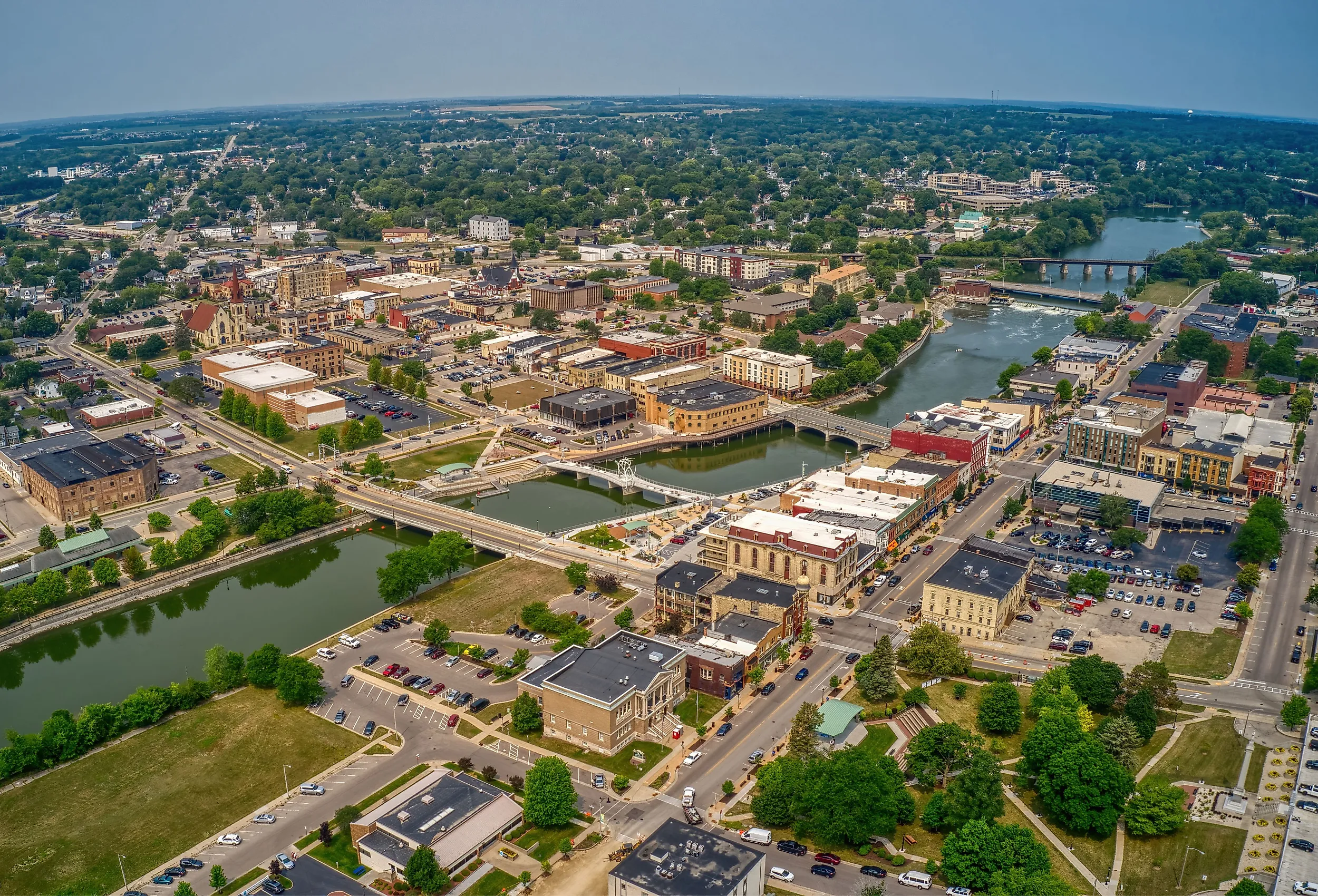
11 Friendliest Towns in Wisconsin
Wisconsin's small towns deliver more than scenic backdrops. Alma draws bald eagles to its stretch of the Mississippi every winter. Baraboo launched the Ringling Brothers Circus in 1884 and still celebrates it with the Big Top Parade. In Hayward, the American Birkebeiner brings over 13,000 cross-country skiers to the Northwoods each year. New Glarus, founded by Swiss immigrants in 1845, runs festivals from Polkafest to Oktoberfest. Whether you're watching freighters from a Door County pier or paddling the Chippewa Flowage, these towns make it easy to settle in and stay a while.
Alma
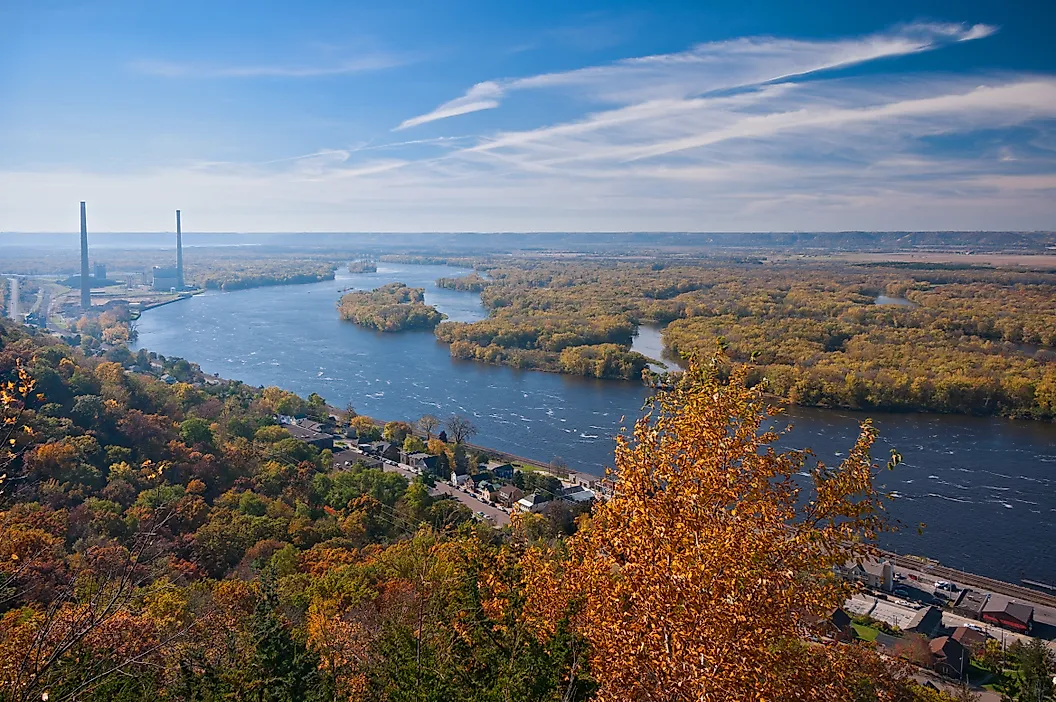
Alma sits on the Mississippi River in Buffalo County, with a population of about 700. Named after the 1854 Battle of Alma in the Crimean War, the town has held onto its quiet river-town character since settlers arrived in the mid-1800s. Downtown is walkable, with local businesses and restaurants that reflect the kind of place where people know each other by name.
Lock and Dam No. 4, just south of town, serves as a major nesting ground for bald eagles, making Alma one of the best places in Wisconsin to spot them from the riverbank during winter. The Castlerock Museum houses an impressive collection of arms and armor spanning from Roman times through the Middle Ages. River access points like Brekow's Landing and the Alma Marina keep boaters and anglers close to the water. The annual Alma Music & Arts Festival brings live music, art vendors, and food to the waterfront on Labor Day weekend.
Baraboo

Baraboo earned the nickname "Circus City" after the Ringling Brothers established their circus here in 1884. That heritage is still visible. Circus World, the former winter headquarters of the Ringling Brothers, houses restored antique circus wagons and exhibits tied to the era. The Big Top Parade rolls ornate wagons through downtown every summer in one of the town's best-loved traditions. The Al. Ringling Theatre, a Beaux-Arts venue that opened in 1915, has operated continuously ever since and recently underwent a $1 million renovation.
Just outside town, Devil's Lake State Park draws visitors to quartzite bluffs formed 1.6 billion years ago, with over 500 feet of elevation gain on the East Bluff Trail. The Aldo Leopold Foundation nearby offers a worthwhile stop for anyone interested in conservation. The International Crane Foundation, headquartered on 250 acres in Baraboo, is the only place in the world where you can see all 15 crane species. The courthouse square downtown anchors daily life with cafes, boutiques, and a walkable center that feels lived-in rather than staged.
Chippewa Falls

Chippewa Falls sits on the Chippewa River in northwestern Wisconsin, with a population of about 14,700. The town has welcomed visitors since the 1800s, and the river remains the center of summer activity, from tubing to volleyball at Loopy's Grill & Saloon. The Jacob Leinenkugel Brewing Company, founded here in 1867, is one of the city's longest-running institutions and a staple stop for anyone passing through.
Lake Wissota, about three miles west, adds another layer of water recreation, with fishing, boating, and lakeside dining at spots like The View, which offers live music. Irvine Park and Zoo is a local favorite for families. Downtown's Bridge Street corridor connects to hiking and water trails, while winter brings ice fishing, cross-country skiing, and snowmobiling. For a traditional Wisconsin fish fry, 1917 Lake Wissota is a solid pick.
Elkhart Lake

Elkhart Lake is a village of about 940 in Sheboygan County, named by the Potawatomi who called it "Great Elk Heart Lake." The village built its identity around two things: the lake itself and motorsport. In the 1950s, road races ran on public county roads here before Road America, a permanent track just south of town, opened in 1955. Today Road America hosts over 425 events annually and generates an estimated $70 million in economic impact for the region.
The lakefront is the other draw. Resorts like The Osthoff and Siebkens sit close to sandy beaches and a brick promenade built for evening strolls. The village is walkable, with galleries, boutiques, and a food scene that runs from Off the Rail Café in the morning to Paddock Club for dinner. Kettle Moraine State Forest starts about a mile southeast, with the scenic drive that once doubled as a racing circuit. Elkhart Lake works for a weekend or a full week without running out of things to do.
Hayward

Hayward is a town of about 2,500 in Wisconsin's Northwoods, and it takes outdoor recreation seriously. The American Birkebeiner, North America's largest cross-country ski marathon, draws over 13,000 skiers here each year. Sawyer County maintains over 600 miles of groomed snowmobile trails and extensive ATV networks, so winter is not a quiet season.
The fishing is the other constant. The Chippewa Flowage, Nelson Lake, Round Lake, and the "Quiet Lakes" (Teal, Ghost, and Lost Land) produce trophy muskellunge, walleye, and northern pike. The National Fresh Water Fishing Hall of Fame, topped by a 143-foot fiberglass muskie sculpture, makes the town's priorities clear. Summer adds golf, kayaking, and biking. The surrounding lakes, forests, and trails make Hayward a genuine four-season outdoor town with the small-town hospitality to match.
Janesville

Janesville is the largest community on this list, with a population of about 65,600 on the Rock River in southern Wisconsin. The Lincoln-Tallman House, an 1857 Italian Villa-style mansion where Abraham Lincoln slept for two nights in 1859, anchors the town's historic appeal. Nearby Milton House Museum, a key site on the Underground Railroad, adds another layer of significance.
The Ice Age Trail passes right through town, including Devil's Staircase, giving hikers a serious route without leaving city limits. Rotary Botanical Gardens, built from an abandoned sand pit, features themed gardens with thousands of plants across a well-maintained campus. The Rock River runs through downtown and hosts the Rock Aqua Jays Water Ski Show Team during summer performances. Janesville has the infrastructure of a mid-size city with enough riverfront, trails, and history to keep things interesting.
New Glarus

In 1845, 193 Swiss immigrants from the canton of Glarus left Switzerland and founded this village in Green County. That heritage never faded. New Glarus still celebrates it through Swiss-inspired architecture, customs, and a festival calendar that includes Polkafest, Swiss Volksfest, the Wilhelm Tell Festival, and Oktoberfest. The population is about 2,300, but the town draws visitors well beyond its size.
New Glarus Brewing Company, founded in 1993, ranks as the 12th largest craft brewer in the country despite selling exclusively within Wisconsin. Deborah Carey, co-founder, was the first woman in the United States to found and operate a brewery. The Swiss Historical Village Museum preserves the community's origins, and Puempel's Olde Tavern keeps the atmosphere going with live music and conversation. The 24-mile Sugar River State Trail, converted from an old railroad line, runs through town and connects to the broader trail network. The New Glarus Bakery rounds things out with Swiss pastries that have been a local staple for decades.
Sister Bay

Sister Bay is a village of about 1,150 on the Green Bay shore of the Door County peninsula. A 2019 study found Sister Bay Beach to be the most visited beach in the county, and the waterfront anchors the town's appeal with a marina, breakwater, and easy access to the water for kayaking, paddleboarding, and canoeing.
Al Johnson's Swedish Restaurant is the most recognized landmark, famous for the goats grazing on its sod roof. Beyond the restaurant, the village has shops and dining that stay welcoming even in the off-season when the summer crowds thin out. Water tours to local sea caves and historic lighthouses add more to do on the water. For maritime history, the Door County Maritime Museum at Gills Rock is a short drive north. Sister Bay works well as a home base for exploring the upper peninsula, with enough of its own character to make staying put just as appealing.
Stockholm

Stockholm has a population of 78. Founded in 1854 by Swedish immigrants from Karlskoga who named it after their country's capital, the village sits along the Great River Road overlooking Lake Pepin, the widest natural point on the Mississippi River. For a place this small, it holds a surprising concentration of galleries, boutiques, and food.
Stockholm Pie has earned a loyal following. A to Z Produce and Bakery draws crowds for its popular pizza nights using locally grown ingredients. Maiden Rock Cidery & Orchard offers tastings, and nearby Vino in the Valley in Maiden Rock adds wine to the mix. The stone pier stretching into Lake Pepin gives views in both directions, from sunsets over the water to the village behind. Maiden Rock Bluff Natural Area, a short drive away, offers hiking with panoramic views over the river valley. Stockholm proves that a town doesn't need population to have personality.
Sturgeon Bay

Sturgeon Bay is the largest city in Door County, with a population of about 9,600 and a maritime identity that goes back generations. Known as the "Shipbuilding Capital of the Midwest," the city still has an active shipbuilding and repair facility at Bay Shipbuilding Company. The Door County Maritime Museum traces that history along the waterfront.
Cave Point County Park draws hikers and photographers to jagged limestone cliffs overlooking Lake Michigan, with kayakers navigating the caves below. Potawatomi State Park, where the Ice Age Trail reaches its northern terminus, adds more trail options with views of the bay. The lighthouses at Sherwood Point, Sturgeon Bay Canal Station, and North Pierhead are worth the drive. The Michigan Street Bridge offers a reliable spot to watch ships and tugboats work the canal. With fresh local seafood, shopping districts on Jefferson Street and Third Avenue, and Sunset Park for evenings by the water, Sturgeon Bay has the depth to anchor a longer stay in Door County.
Washington Island

Washington Island sits where Lake Michigan meets Green Bay, accessible by a 30-minute car ferry from Northport Pier at the tip of the Door County peninsula. The crossing takes you through Death's Door, the strait the French named "Porte des Morts." The island has a year-round population of about 700, with Icelandic and Irish heritage dating to the 1830s that sets it apart from the rest of Door County.
Fragrant Isle Lavender Farm is the largest lavender farm in the Midwest, with a biennial summer festival. The Washington Island Stavkirke, a wooden chapel inspired by Norway's historic Borgund stave church, is one of the most distinctive buildings in the state. Schoolhouse Beach, known for its smooth limestone rocks and clear water, is a good place to spend an afternoon. The island is easy to explore by bike, with small businesses, family-owned restaurants, and artisan shops clustered near the ferry port. Washington Island rewards visitors who take the extra step to get there.
Wisconsin's variety runs deeper than dairy farms and cheese curds. These towns carry German, Swiss, Scandinavian, and Icelandic heritage through their architecture, festivals, and food. From the Mississippi River bluffs to the Door County shoreline, each one offers a different way to slow down and settle in.