11 Best Towns In Nebraska To Retire Comfortably
Arbor Day started in Nebraska City in 1872, and the tree-shaded streets that idea produced still make the town a fine place to grow older. That mix runs through much of the state. Small Nebraska towns tend to put a walkable downtown, a good park, and a regional hospital within a short drive of one another. Home prices help too. Zillow puts the typical Nebraska home value at near $280,000, well under the national figure, and many towns in the state sit below even that. Add low property costs and a slower daily pace, and the case for retiring across the state gets easier to make.
Nebraska City

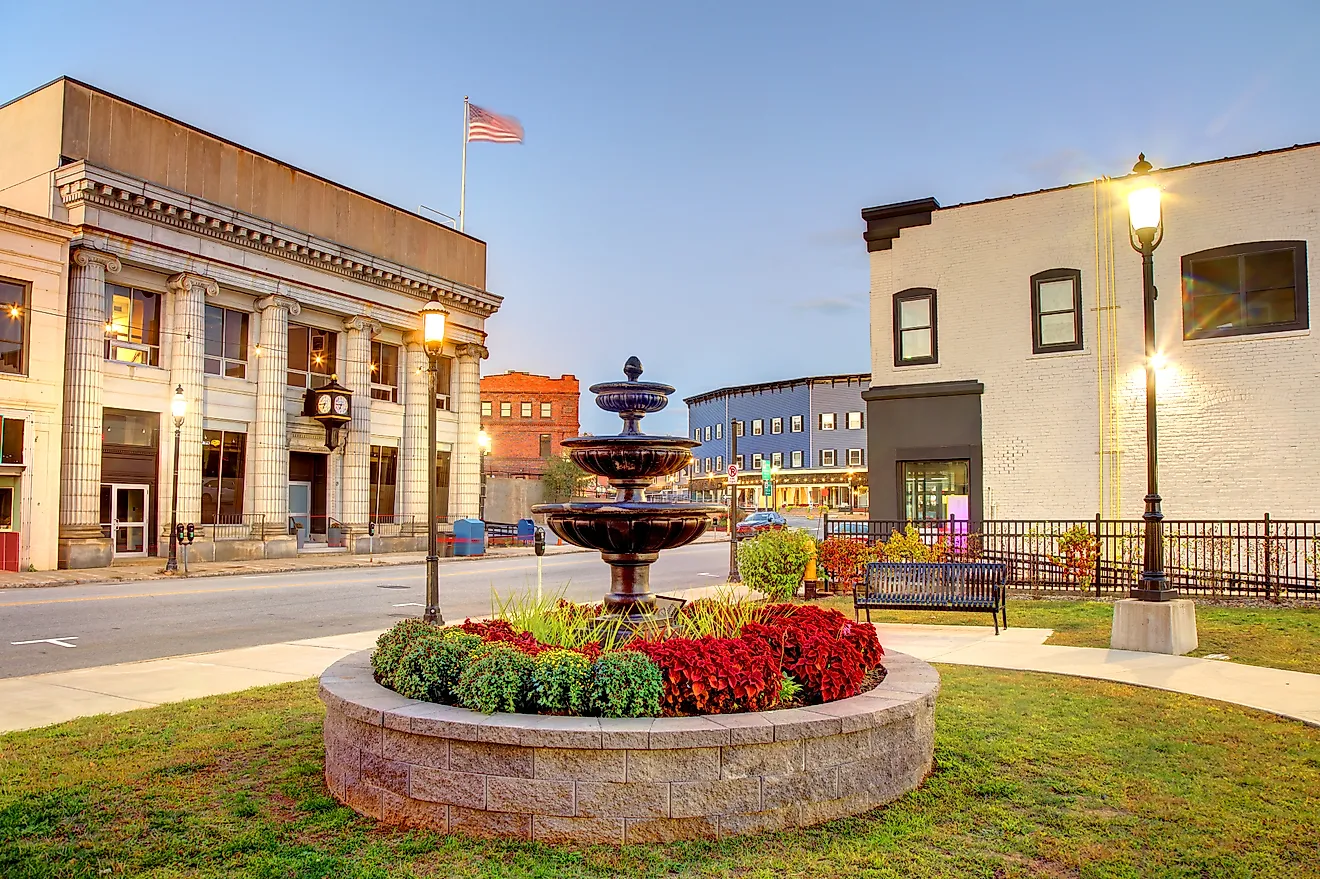
Nebraska City is the birthplace of Arbor Day, and the town has spent 150 years living up to it. Arbor Lodge State Historical Park and Arbor Day Farm together hold orchards, vineyards, and miles of easy walking trails, a few minutes from the center of town, which makes daily exercise a matter of stepping outside. The mature trees that shade the residential streets are the direct legacy of that founding, and they turn the whole town over through the seasons.
Downtown fills preserved 19th-century buildings with locally owned cafes, antique stores, bookshops, and restaurants. The AppleJack Festival draws the community together each September, and the local theaters and museums keep something on the calendar year-round. Nebraska City is also one of the more affordable entries here: Zillow puts the typical home value around $200,000, lower than the statewide figure, which leaves retirees room to spend on life rather than the mortgage.
Beatrice

Homestead National Historical Park sits about four miles west of Beatrice, on the site of one of the first claims filed under the Homestead Act of 1862. Restored tallgrass prairie, interactive exhibits, and walking trails make it a place a retiree can return to often rather than tour once. Closer in, Chautauqua Park adds three playgrounds, picnic shelters, a duck pond, and a connection to the town's hike-and-bike trail system.
Downtown Beatrice gives retirees plenty to do close to home, including seasonal Thursday shopping at the Beatrice Farmers Market and year-round productions at Community Players. More than 10 miles of city trails connect local parks, while nearby Homestead National Historical Park offers exhibits and prairie walks. Beatrice Community Hospital & Health Center provides emergency care, primary care, rehabilitation and diagnostic imaging. Housing remains comparatively attainable: Zillow lists the average Beatrice home value at $189,459 as of June 2026, about $95,000 below Nebraska’s average.
Columbus

Columbus sits where the Loup meets the Platte, which gives Pawnee Park its lakes, walking trails, and flower gardens along the water. The park anchors much of the town's outdoor recreation, and its programming gives retirees a straightforward way to stay active close to home. The two rivers also shape the drives and the birdwatching in the surrounding countryside.
Columbus’s historic Trackside District brings together Dusters Restaurant and Gottberg Brewery, the Arts Council Gallery, Columbus Public Library, and the Platte County Historical Museum. Frankfort Square hosts the Beats & Eats summer concert series and the four-day Columbus Days celebration each August, while paved trails through Pawnee Park and around Lake Esther provide accessible places to walk or cycle. Zillow lists the average Columbus home value at $275,125 as of June 2026, about $9,300 below Nebraska’s statewide average.
Norfolk

Norfolk is the eastern trailhead of the Cowboy Trail, the converted rail line that runs west across northern Nebraska toward Chadron. The continuous stretch out to Valentine covers roughly 195 miles, so a retiree can ride or walk as much or as little of it as the day allows. Closer to town, Skyview Lake draws walkers, anglers, and paddlers to its shoreline paths.
Norfolk’s River Point Creative District gives retirees a steady cultural calendar, with free exhibitions and performances at the Norfolk Arts Center, summer concerts and a farmers’ market at River Point Square, and the Johnny Carson Gallery at the Elkhorn Valley Museum. Annual events include June’s Great American Comedy Festival and September’s Oktoberfest. Medical care centers on Faith Health, a 131-bed hospital offering cancer, cardiovascular, orthopedic, and rehabilitation services. Norfolk’s average home value is $264,593 as of June 2026, nearly $20,000 below Nebraska’s average.
North Platte

William F. "Buffalo Bill" Cody built his Scout's Rest Ranch at North Platte, and the house still stands at Buffalo Bill Ranch State Historical Park for anyone who wants to walk through the story of the American West. Cody Park adds landscaped gardens, walking trails, and picnic grounds, while Lake Maloney opens up boating and fishing a short drive south. The prairie around town rewards birdwatching and slow scenic drives.
North Platte’s historic Canteen District gives retirees several reasons to head downtown, including exhibitions and classes at the Prairie Arts Center, plays and weekend movies at the Fox Theatre, and a walkable public-sculpture route. Music on the Bricks and July’s Canteen CruiseFest add concerts, food vendors, and community gatherings, while the Original Farmers Market runs from June through October. Great Plains Health provides local heart, cancer, orthopedic, and trauma care. The average North Platte home value is $220,376 as of June 2026, well below Nebraska’s average.
Fremont

Fremont Lakes State Recreation Area spreads across 20 sandpit lakes about three miles west of town, with room for swimming, boating, fishing, water skiing, and hiking. The nearby Platte River turns into a destination each spring, when the sandhill crane migration brings birdwatchers from around the world to the valley. For an active retiree, that is a lot of water and open sky within a few minutes of home.
Downtown Fremont gives retirees several regular gathering places, including rotating exhibitions and classes at Gallery 92 West, artisan shopping at the Art Emporium, and plays and concerts at the historic Fremont Opera House. Free Concert in the Park performances and the three-day John C. Fremont Days festival animate the summer calendar. Methodist Fremont Health provides 24-hour emergency care, an accredited cancer program, rehabilitation, and long-term care. Zillow lists Fremont’s average home value at $261,080 as of June 2026, about $40,000 below Omaha’s $300,783 average.
Seward

Governor J. James Exon named Seward "Nebraska's Official Fourth of July City" in 1973, and Congress recognized it as "America's Official Fourth of July City-Small Town U.S.A." in 1979. The celebration has run nearly every year since 1868, and it swells a town of about 7,000 to more than 40,000 for a day. The rest of the year keeps a quieter rhythm, with tree-lined neighborhoods, tidy parks, and a walkable downtown. Plum Creek Park and its trails give residents a steady place to exercise and unwind.
Housing is not a bargain by Nebraska standards: Zillow lists Seward’s average home value at $319,939 as of June 2026, about $35,500 above the statewide average. But where it lacks in housing affordability, it makes up in terms of culture and amenities. Concordia University Nebraska gives residents access to free choir and orchestra concerts, public speakers, an annual academic research symposium, and Bulldog sporting events. Around the historic courthouse square, retirees can meet for breakfast at Café on the Square, browse Nebraska art or take a class at Red Path Gallery, catch a film at the Rivoli Theatre, and attend the free 5th Street Summer Music Series.
Chadron

Chadron sits in the Pine Ridge, a corner of Nebraska that trades cornfields for pine forests, rugged bluffs, and rolling hills. Chadron State Park, established in 1921 as Nebraska's first state park, offers hiking trails, horseback riding, fishing ponds, and overlooks that reward the climb. The Oglala National Grassland north of Crawford widens the range with mixed-grass prairie, long views, and miles of hiking and mountain biking.
Chadron State College gives retirees unusual cultural access for a town this size, including the free Graves Lecture Series, public exhibitions in Memorial Hall, and a full calendar of college athletics. Downtown gathering places include Bean Broker Coffee House and Pub, which holds Wednesday open-mic nights, Just Love Coffee Café, and the cooperative Chadron Open Art gallery. Chadron Community Hospital adds emergency care, rehabilitation, and visiting specialists. Zillow lists Chadron’s average home value at $203,982 as of June 2026, about $80,500 below Nebraska’s average.
McCook

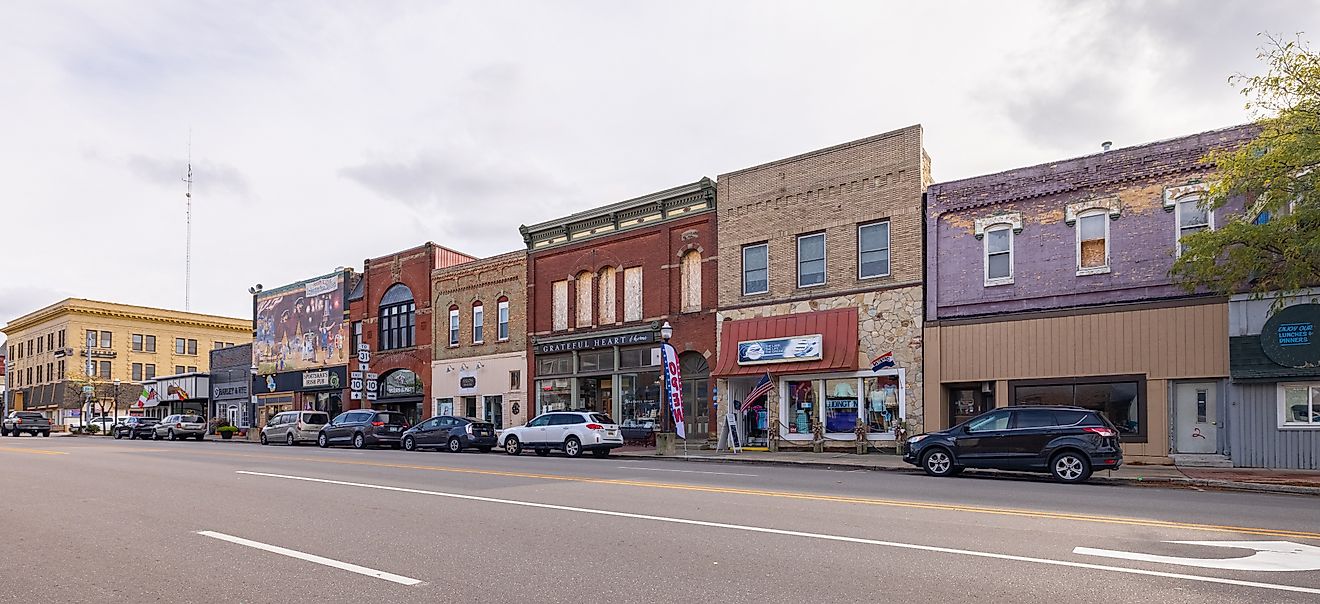
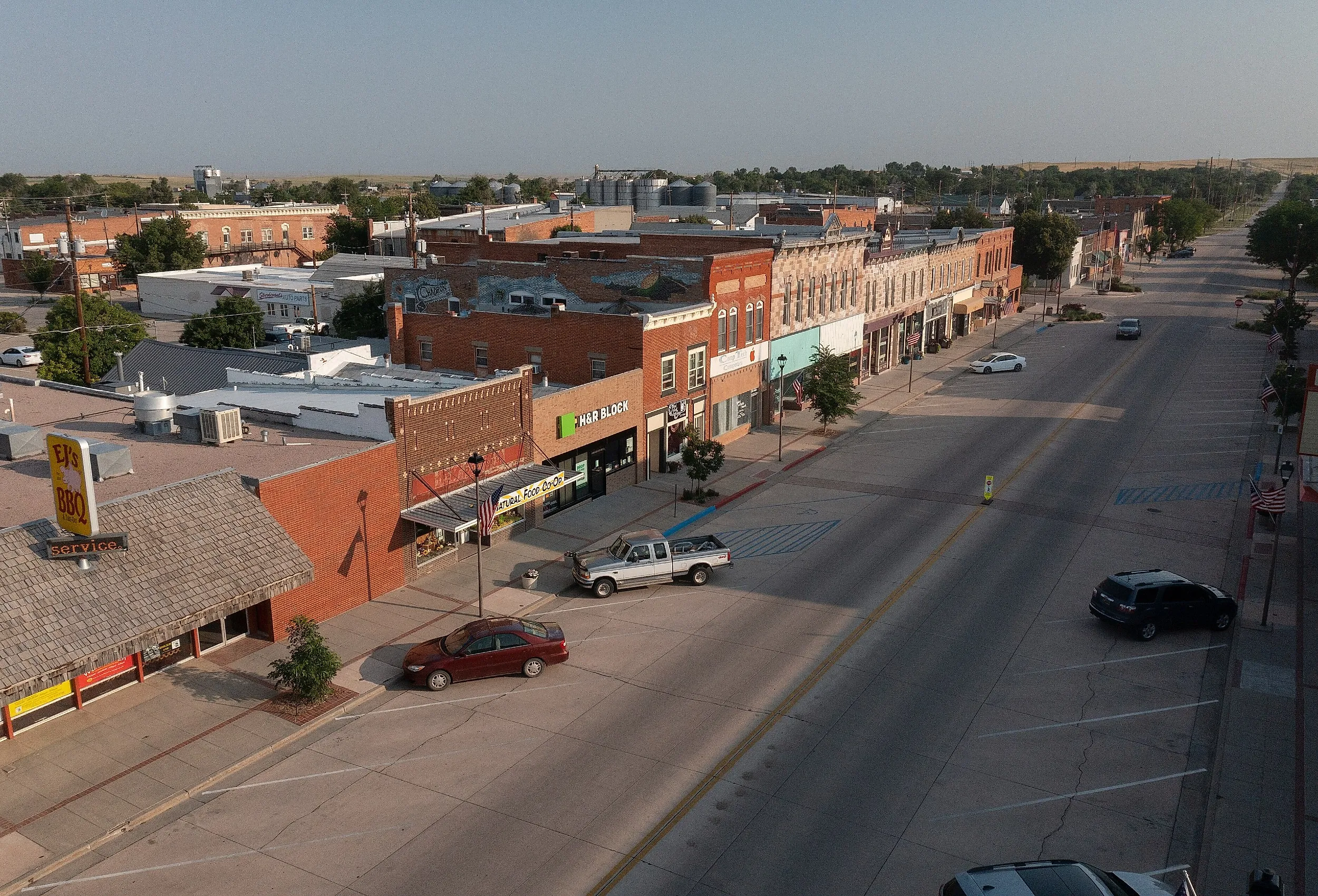
McCook's downtown is a well-preserved row of brick storefronts, and it holds boutiques, local cafes, and community spaces made for exploring on foot. That walkability matters for a retiree who would rather leave the car parked. North of town, Red Willow Reservoir State Recreation Area opens up fishing, camping, swimming, picnicking, and hunting on the water and the ground around it.
McCook’s walkable Creative District gives retirees a concentrated arts-and-history circuit, including regional exhibits at the Museum of the High Plains, performances at the historic Fox Theatre, and tours of the Senator George W. Norris State Historic Site. The Buffalo Commons Storytelling and Music Festival, Heritage Days, and downtown Third Thursday gatherings provide recurring opportunities to socialize. Community Hospital is a 25-bed critical-access facility offering emergency care, surgery, rehabilitation, and visiting specialists. Zillow lists McCook’s average home value at $184,144 as of June 2026, about $100,300 below Nebraska’s average.
Alliance

Alliance is home to Carhenge, the roadside replica of Stonehenge built from vintage automobiles painted gray and standing on end. Beyond its most famous landmark, the town opens onto the Panhandle's expansive prairie, with parks, golf courses, and nearby wildlife refuges for birdwatching, photography, and quiet walks. The western heritage here is lived rather than staged.
Downtown Alliance retirees have access to several convenient gathering places, including coffee and gifts at Sweet Pickin’s, free exhibitions at the Carnegie Arts Center, and local, railroad, and Sandhills history at the Knight Museum. July’s six-day Heritage Days celebration fills downtown with sidewalk sales, entertainment, food vendors, and a parade. Box Butte General Hospital is a 25-bed critical-access facility with a 24-hour emergency department, medical imaging, dialysis, rehabilitation, and visiting specialists. Zillow lists Alliance’s average home value at $177,342 as of May 2026, more than $107,000 below Nebraska’s average.
Hastings

Hastings folds cultural attractions, historic architecture, and green space into a town that feels busy without feeling rushed. Heartwell Park anchors the center with walking trails, gardens, and seasonal events, and the Hastings Museum carries exhibits on regional history, natural science, and astronomy. Golf courses, fitness facilities, and nearby lakes give retirees more ways to stay active throughout the year.
Downtown Hastings offers specific gathering spots such as First Street Brewing Company, concerts at The Lark, and the murals and sculptures of the Heartbeat Creative District. The summer Downtown Market brings farmers, artisans, and musicians to Dutton-Lainson Plaza Park, while Kool-Aid Days adds an annual parade and community festivities. Mary Lanning Healthcare provides local emergency care and diagnostic imaging. Hastings has an average home value of $209,042 as of June 2026, about $75,400 below Nebraska’s $284,464 average.
Choosing Among Them
The right Nebraska town depends on what a retirement is built around. Chadron and Alliance suit anyone drawn to open country and dramatic western landscape, while Nebraska City and Beatrice reward those who want history and river towns within reach of Lincoln and Omaha. Fremont and Norfolk pair lake recreation with strong healthcare, and Seward and Hastings put a university's cultural calendar at the doorstep. What holds across the list is the arithmetic: home values at or below a statewide figure that already runs well under the national one, backed by regional hospitals and downtowns a person can navigate on foot. For a fixed income, that combination does more work than any single amenity.