11 Best Cities To Retire In South Australia
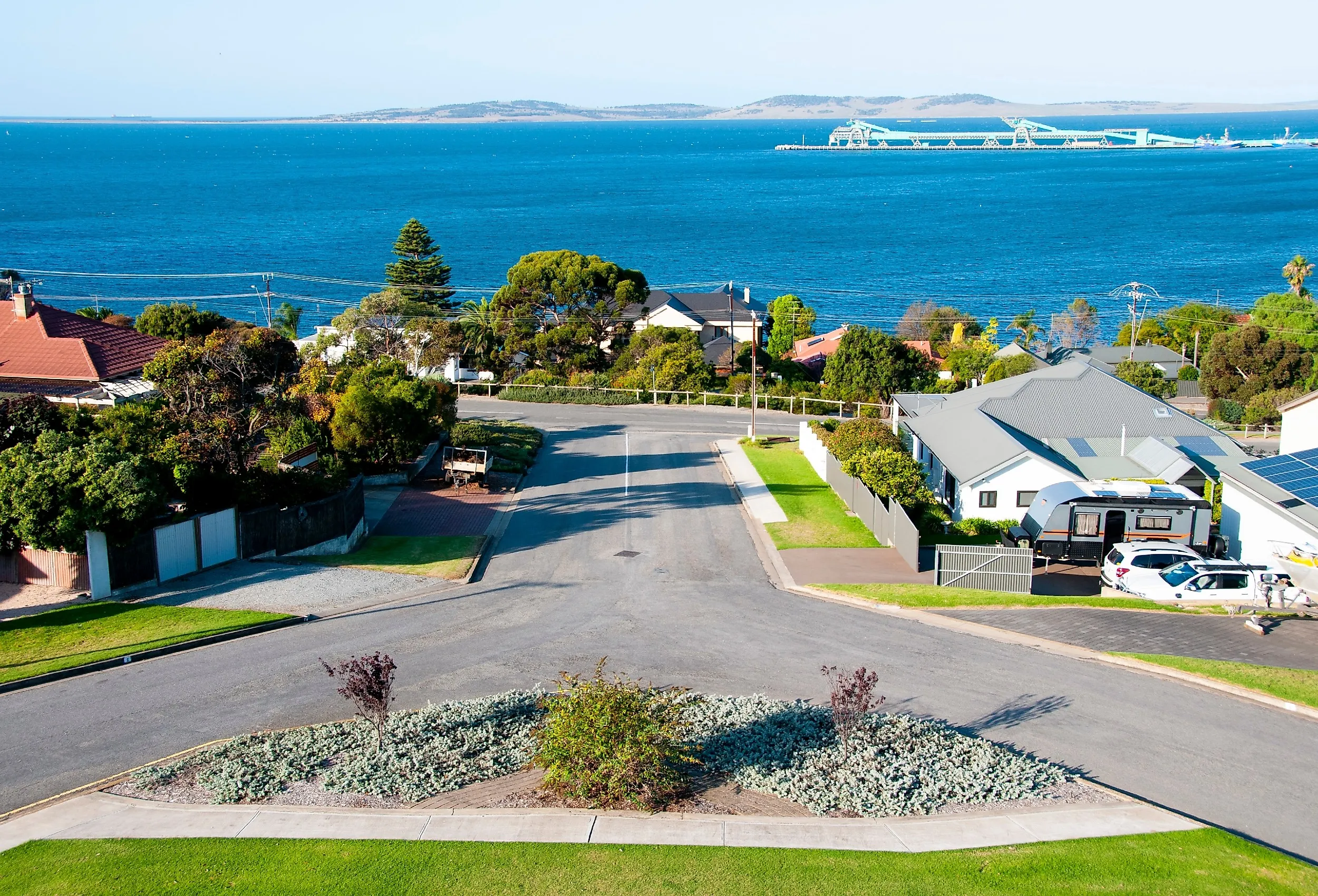
A rewarding retirement city calls for memorable attractions right outside the front door and reliable healthcare close by. Victor Harbor sends a horse-drawn tram toward Granite Island while Whyalla hosts the world’s only known mass gathering of giant Australian cuttlefish. Mount Gambier watches its drinking-water lake turn cobalt blue each November. Each city has a hospital within reach, while Adelaide supplies the specialist care that can make distance the deciding factor for retirees.
Adelaide
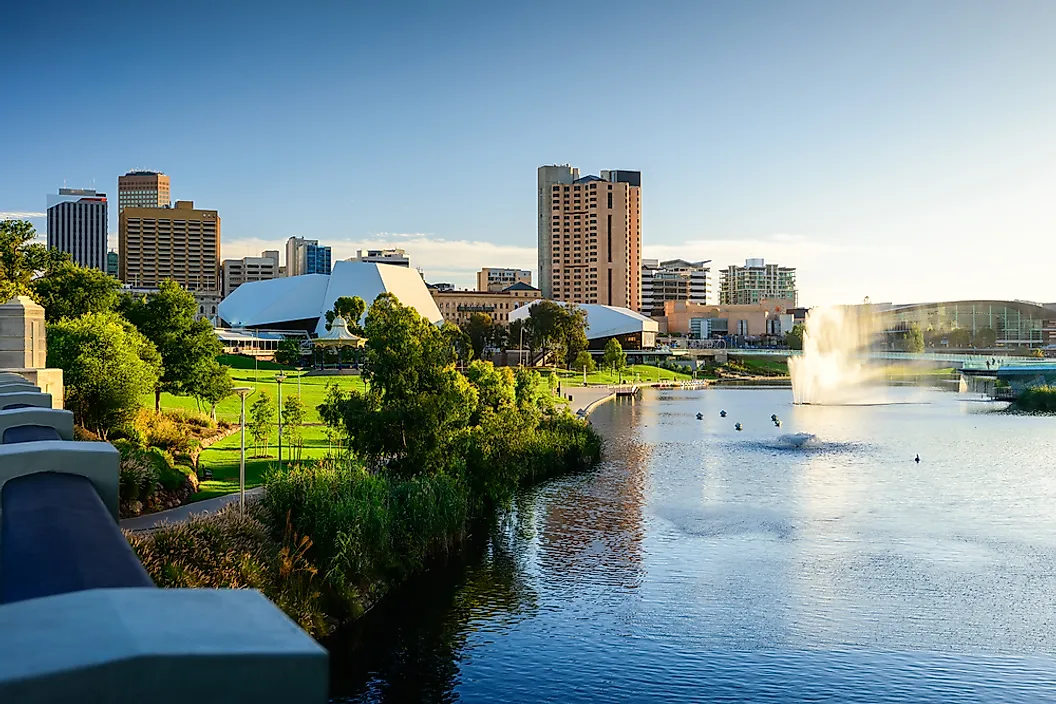
The Adelaide Central Market has been trading on Gouger Street since 1869, and for retirees living in the surrounding city fringe, it functions as a weekly errand. The River Torrens Linear Park path runs from the hills to the sea, giving walkers and cyclists a continuous route that avoids traffic entirely. Glenelg sits at the end of a tram line that has carried passengers to the beach for more than a century, and Seniors Card holders travel free on public transport outside peak hours.
Adelaide also carries the state's deepest medical bench, with the Royal Adelaide Hospital and Flinders Medical Centre handling the specialist referrals that regional hospitals send south. The trade-off is between metropolitan property prices and metropolitan traffic. What the city offers in exchange is a cultural calendar that runs on its own without any planning: the Adelaide Fringe fills February and March, and WOMADelaide follows in early autumn.
Mount Gambier

Around November each year, the Blue Lake shifts from winter grey to cobalt, holds that colour through January and February, and fades again after March. Warming surface water crystallises dissolved calcium carbonate, which scatters blue light. The lake is the city's drinking-water supply, so swimming is prohibited, but a sealed 3.6-kilometre (2.2-mile) path circles the rim with lookouts along the way. That path is the single most-used piece of recreational infrastructure in town.
The other landmarks are limestone rather than volcanic. Engelbrecht Cave runs beneath streets and houses on the western side of town, a karst system that doubles as one of Australia's better-known freshwater cave-diving sites. At the Umpherston Sinkhole, also called Balumbul, James Umpherston cleared the collapsed cave floor in 1886 and planted a terraced garden in it; entry is free, and brushtail possums come out of the rock walls at dusk. Mount Gambier and Districts Health Service covers the Limestone Coast, which spares residents the 435-kilometre (270-mile) trip to Adelaide for routine care.
Whyalla

Between May and August, tens of thousands of giant Australian cuttlefish (Sepia apama) crowd onto a short stretch of rocky reef at Point Lowly, roughly 25 minutes north of town. It is the only known mass spawning aggregation of cuttlefish in the world, and the animals gather in water shallow enough that the whole thing is a shore dive with no boat required. Most encounters happen along the three kilometres (1.9 miles) between Black Point and Stony Point. The species is the largest cuttlefish on earth, reaching about a metre (three feet) and more than ten kilograms.
Whyalla remains relatively affordable, with a median house price of $445,000 (as of June 2026), about half the state median. And the local sporting clubs and service organisations absorb newcomers quickly. Whyalla Hospital and Health Service covers the upper Spencer Gulf, and the Middleback Ranges sit half an hour inland for anyone who wants a change of horizon.
Murray Bridge

Monarto Safari Park covers 1,500 hectares (3,700 acres) about twenty minutes west of town, which makes it the largest zoo in Australia by area and the largest safari park outside Africa. Annual membership turns it into somewhere to walk on a Tuesday morning rather than a single expensive visit. The Murray River itself supplies the rest of the calendar, with paddleboat cruises leaving from the wharf, riverside paths on both banks, and callop and carp for anyone who fishes.
Stargazers can experience the River Murray International Dark Sky Reserve, Australia’s first such reserve, which spans about 3,200 square kilometres (1,240 square miles) across the Mid Murray Council area. Its southern edge begins near Bow Hill, roughly an hour upriver. Murray Bridge Soldiers' Memorial Hospital handles regional care, and the compact centre keeps shopping and appointments within a short drive. One caution is that the 2022 and 2023 River Murray floods inundated low-lying shacks and riverfront blocks along this reach, so flood history is worth checking before buying.
Gawler

Gawler sits at the end of the electrified Adelaide metropolitan rail line. A resident can reach a specialist appointment in the city without driving and be home by mid-afternoon. The town predates the suburbs that have grown toward it, and the bluestone and brick frontages along Murray Street date to the 1860s and 1870s. Para Wirra Conservation Park lies twenty minutes southeast, with graded walking tracks and enough remnant woodland to keep birdwatchers busy.
The Barossa Valley starts immediately to the north, close enough that cellar doors at Lyndoch and Tanunda are an ideal afternoon trip. Gawler Health Service covers routine and urgent care locally, and the population of roughly 28,500 is large enough to sustain ample services without feeling metropolitan.
Victor Harbor

More than 40 percent of Victor Harbor residents were aged 65 or over at the 2021 census, when the median age reached 61, and the town has built its services around that. Southern right whales pass Encounter Bay between May and October, close enough to the shore that the whale centre on the foreshore keeps a sightings log the public can check. The horse-drawn tram crosses the causeway to Granite Island, pulled by Clydesdales that work in rotation. Walking the Bluff, properly Rosetta Head, takes about forty minutes return and delivers the best vantage on the bay.
South Coast District Hospital handles local admissions, with Adelaide an hour and a quarter north for specialist work. Golf, lawn bowls, sailing, and the Fleurieu's cellar doors fill the rest of the week. The population more than doubles over the summer, which residents either enjoy or plan around.
Mount Barker

Hahndorf sits ten minutes west and is Australia's oldest surviving German settlement, founded in 1839 by Prussian Lutherans who arrived aboard the Zebra. The half-timbered buildings along its main street are genuine rather than themed, and the bakeries and smallgoods shops still reflect that origin. Mount Barker itself has grown faster than almost anywhere in the state, adding more than 12,000 residents since 1996 to pass 21,500 at the 2021 census. Shopping and allied health services have expanded with it.
The Adelaide Hills climate is genuinely cooler and wetter than the plains, which suits gardeners and anyone who dislikes summer heat. Cellar doors at Balhannah and Woodside are 20 minutes away. Mount Barker District Soldiers' Memorial Hospital covers local care, and the city's major hospitals are 40 minutes down the freeway.
Port Lincoln

The southern bluefin tuna fleet working out of Boston Bay is the reason the town bills itself as Australia's seafood capital. Coffin Bay oysters come from an hour west. Lincoln National Park and Coffin Bay National Park bracket the town with sheltered water for kayaking, and boat operators run cage dives at the Neptune Islands and sea lion swims at Hopkins Island for residents inclined that way.
Port Lincoln Health Service is the referral hospital for the whole Eyre Peninsula, and regular flights connect the town to Adelaide for anything it cannot handle, which matters because the road route wraps around the head of Spencer Gulf. Fishing clubs, the yacht club, and the Tunarama tradition help fill out the social calendar.
Port Augusta

The Australian Arid Lands Botanic Garden spreads arid-zone plantings across a reserve at the head of Spencer Gulf, with graded paths, a bird hide, and a cafe looking out over saltbush toward the water. The Wadlata Outback Centre covers the region's Aboriginal and pastoral history in the town centre, and the southern Flinders Ranges begin within an hour's drive for anyone who keeps a caravan.
Port Augusta is a smaller city with about 13,500 residents. The city remained relatively affordable in June 2026, when its median house price reached $365,000, up 28.1% from the preceding year. Port Augusta Hospital and Regional Health Service is the referral centre for the upper Spencer Gulf and the far north. Port Augusta’s hot, sunny summers make dependable home cooling a valuable feature when January temperatures rise above 40 degrees Celsius (104 degrees Fahrenheit).
Port Pirie

Ellen Street is unusual among Australian main streets in that the railway ran down the middle of it, and the heritage station building survives as a National Trust museum at one end. The heritage precinct around it gives Port Pirie a built character that newer coastal towns cannot manufacture. The Phoenix Park Wetlands within the town draw waders and waterbirds, and locals also know the site as the Wandearah Wetlands. It is still being developed under a council master plan, so facilities remain modest.
The smelter is the other defining fact. Port Pirie processes lead, zinc, and precious metals on a scale few towns anywhere match, and it has done so since the late 1880s. Port Pirie Regional Health Service covers much of the Mid North. The southern Flinders Ranges rise 20 minutes east, and Adelaide is about two and a half hours south by road, which puts specialist care within a manageable day trip.
Salisbury

The Adelaide International Bird Sanctuary National Park protects a long stretch of coastal mudflat and mangrove northwest of Salisbury. Its Kaurna name is Winaityinaityi Pangkara, and the migratory shorebirds that use it arrive from breeding grounds as far away as Siberia. The Little Para Reservoir Reserve carries walking and cycling trails on the eastern side of the council area. Mawson Lakes adds cafes and lakeside paths within a 15-minute drive, and the St Kilda mangrove boardwalk sits at the coastal edge.
Salisbury is the only entry here that lies entirely within metropolitan Adelaide, with a council population exceeding 140,000. That brings the practical advantages retirees actually use: frequent trains on the Gawler line, three major shopping centres, and Lyell McEwin Hospital in adjoining Elizabeth Vale as northern Adelaide's principal public hospital. Salisbury’s median house price was $791,500 for the year ending June 2026, about 19% below metropolitan Adelaide’s June-quarter median of $975,000. The council's community centres and library network run structured programs, and the area's long-standing migrant communities support social clubs that predate most of the newer suburbs.
Choosing Between Coast, River, And Hills
These cities sort into four practical groups. Adelaide, Salisbury, Gawler, and Mount Barker put specialist medicine and metropolitan retail within a short trip, and charge metropolitan prices for the privilege. Victor Harbor has the most retirement-shaped infrastructure of any regional entry, along with the summer population surge that comes with it. Whyalla, Port Augusta, and Port Pirie offer the cheapest housing in the state. Mount Gambier, Murray Bridge, and Port Lincoln sit in between, each large enough to carry a referral hospital and each surrounded by stunning landscapes.