10 Texas Towns With A Slower Pace Of Life
No matter which direction you drive in Texas, small towns invite travelers to slow down. Canyon brings Panhandle views, Palo Duro Canyon, and an outdoor musical under the night sky. Marfa has desert quiet and the strange Marfa Lights. Jefferson leans into history, antiques, and haunted-house lore. Down on the coast, Rockport keeps the beach within easy reach. These 10 Texas towns make room for quiet walks, old downtowns, river days, and unhurried weekends.
Jefferson

This East Texas town feels frozen in time. Historic homes, friendly innkeepers, and local history shape the visit. Paranormal lovers can tour The Grove, a house tied to stories of the Lady in White and other apparitions. The tour focuses on Jefferson's haunted reputation and gives guests a memorable look inside one of the town's best-known historic homes.
Caddo Lake, just east of Jefferson, is a welcome summer stop. Visitors can take guided boat tours, paddle by canoe, hike nearby trails, or look for birds, including yellow-crowned night herons.
Stay at the Jefferson Palace Hotel, formerly the Historic Jefferson Hotel. Step inside and you are transported into a living cabinet of curiosities. Each room is themed differently, and the hotel is filled with antiques. The on-site owners are available to answer questions and share details about the hotel's history.
Wimberley

Wimberley brings a gentler pace to the Texas Hill Country. Browse clothing, jewelry, and accessories at My Happy Place, then settle in for a cooking class at Blair House Inn. The classes give guests hands-on experience with an instructor who can answer questions along the way.
Head outside to enjoy Blue Hole Regional Park, a spring-fed swimming hole shaded by cypress trees. It is a favorite place to cool off in summer, and the park also hosts concerts, star parties, nature camps, and other local events.
Mason

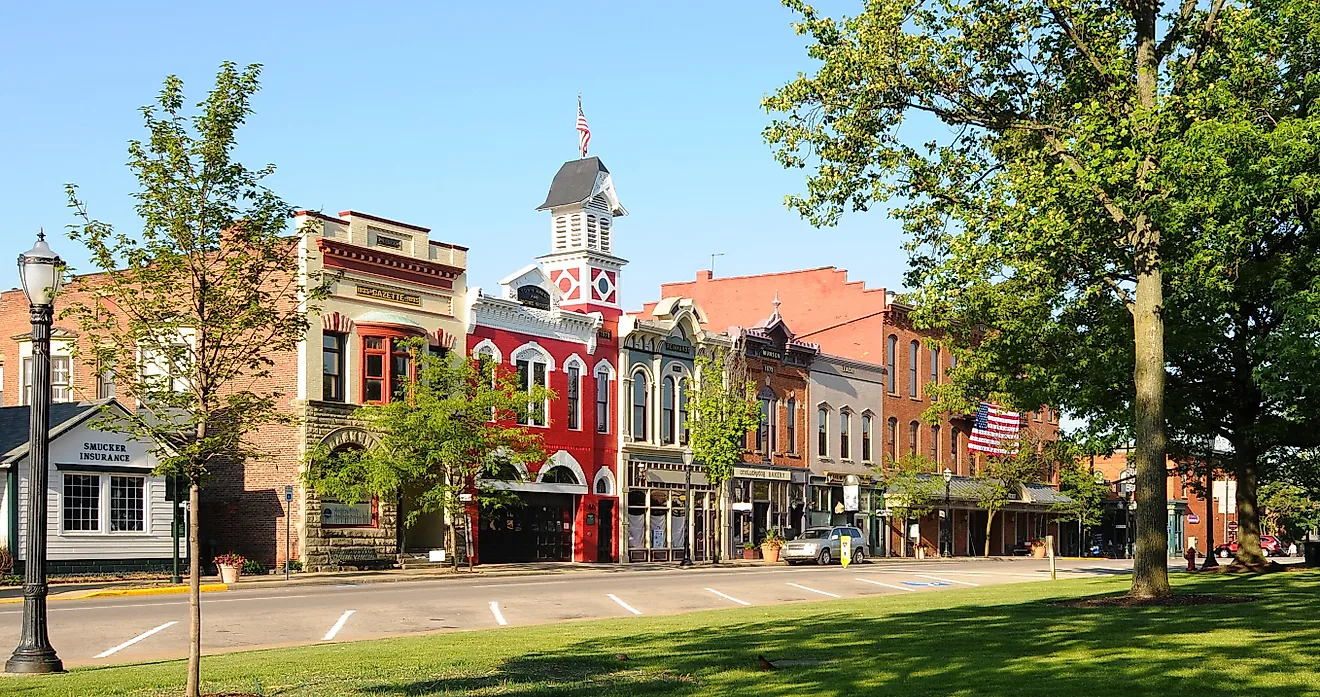
Mason gives the Hill Country a quiet town square, old stone buildings, and small shops that reward a slow walk. At the Mason Square Museum, visitors can move through local history, including the Llano Uplift, early settlers, Fort Mason, the HooDoo War, and the county's famous topaz. It is the kind of stop where you can take your time with one display before heading back outside.
Walk up to Fort Mason, a restored frontier post established in 1851, and take in the view from Post Oak Hill before returning to town. In the evening, check what is playing at the Odeon Theater, the restored 1928 theater that still gives Mason a small-town night out. Mason does not need a packed itinerary; its best moments come from the square, the stories, and the quiet roads around it.
Llano

Along the Llano River, visitors can fish, kayak, or look for interesting river rocks. Below the bridge near Grenwelge Park, there is a place to float with tubes. Badu Park sits on Lake Llano near downtown and has open space for picnics and games of horseshoes.
The annual Lladies Night on the Llano brings shoppers to historic downtown for food, beverages, discounts, and a chance to win $250 to spend at participating stores. The event gives travelers a reason to meet local business owners and spend an evening around the square.
Bastrop

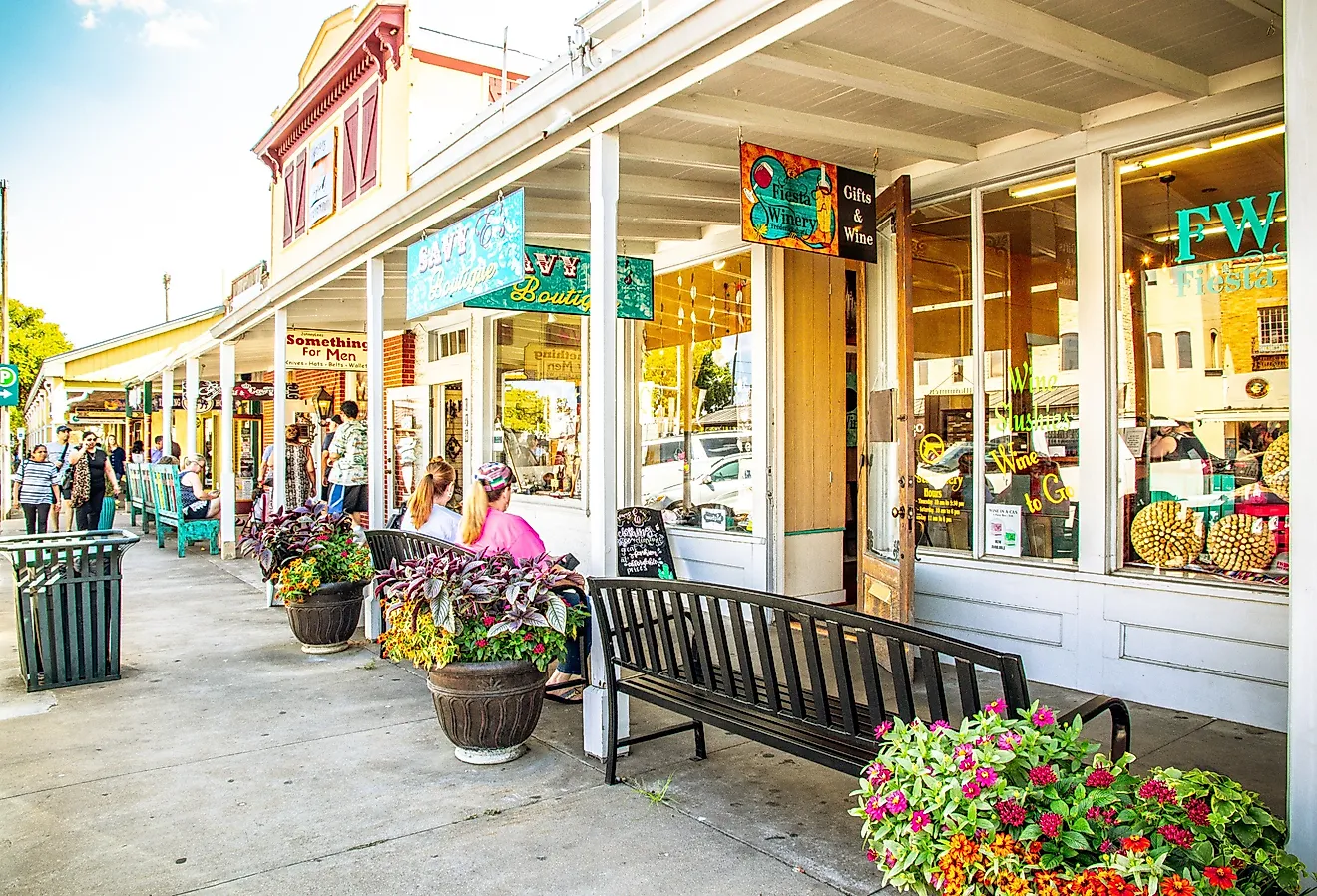
About 30 miles southeast of Austin, Bastrop sits on the banks of the Colorado River with scenic views and a walkable historic downtown. Downtown Bastrop keeps its brick storefronts, artisan shops, and local restaurants close together, making it easy to park once and explore on foot.
Slow down on the El Camino Real Paddling Trail along the Colorado River. On dry land, Bastrop State Park protects the "Lost Pines," a stand of loblolly pines thought to have originated during the Ice Age. Spend the day on the trails, book one of the park's historic cabins, or join a guided hike with a local naturalist who explains the area's history, wildlife, and plant life.
Alpine
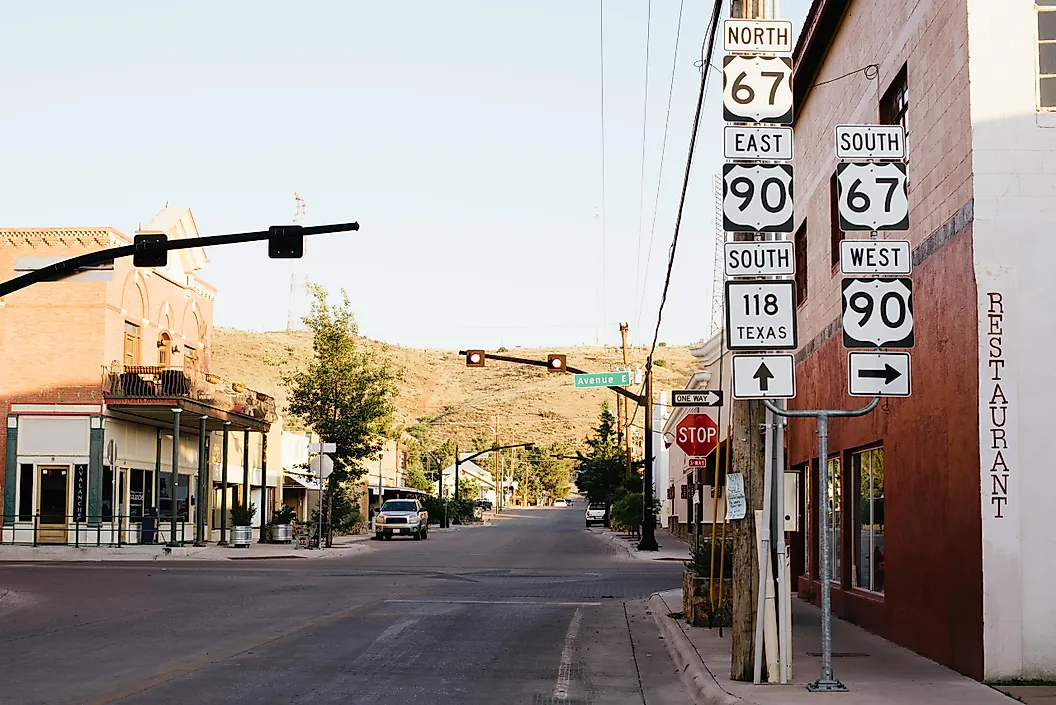
Alpine puts West Texas scenery within reach. Big Bend parks cover more than 800,000 acres and offer scenic trails, camping, and views near the Chisos Mountains. North of town, the Chihuahuan Desert Nature Center features an 18-acre botanical garden and a half-mile trail through native desert plants.
The Big Bend Ranch Rodeo brings working ranch skills into the arena. With the Working Ranch Cowboys Association, competitors make roping, riding, and ranch work look easy. For a slower night out, head to Kokernot Field during baseball season and watch the Alpine Cowboys play in the Pecos League.
Marfa

About 25 minutes from Alpine, Marfa sits in the Chihuahuan Desert with open skies and a quiet main street. The Marfa Lights remain the town's best-known mystery. For years, people have reported seemingly sourceless lights dancing on the horizon southeast of town. Visitors still gather to watch after dark.
West Texas Adventure Company offers horseback tours of the town. It is a slow way to take in Marfa's desert setting. Big Bend National Park is a longer regional excursion from Marfa and Alpine, giving travelers another place to explore while in West Texas. In town, visitors can look for historically significant sites such as the Hotel Paisano. In 1955, it served as the base of operations for the cast and crew while Warner Brothers filmed Giant in the area.
Canyon

Head to the Texas Panhandle and see Canyon, the home of Palo Duro Canyon. Carved by millions of years of water and wind, the canyon drops nearly 800 feet. Spend time on the trails, stay for a camping trip, or check the current schedule for the Texas Outdoor Musical in the outdoor amphitheater. In 2026, performances start at 8:30 PM, and BBQ meals must be ordered in advance.
Canyon's Historic Downtown Square gives visitors a slower stop after a day outside. Shops, sweets, and local storefronts line the square, making it an easy place to wander before or after a canyon visit.
Palacios

For a quieter Gulf Coast stop, head to Palacios on Tres Palacios Bay. This little "City by the Sea" moves at an easy pace. Mornings are built for the seawall and piers, where visitors can fish, watch birds, or look across the water. The town has beaches, parks, piers, and water sports, but the mood stays relaxed and bayfront-focused.
Learn the town's coastal history at the City by the Sea Museum, which shares Palacios stories covering pre-Texas history and the present. For nature, follow the Palacios Prairie Wetlands walking trail or head toward nearby Oyster Lake for birdwatching and quiet water views. End the day with a slow walk near the bay, where the best activity may be doing very little at all.
Rockport

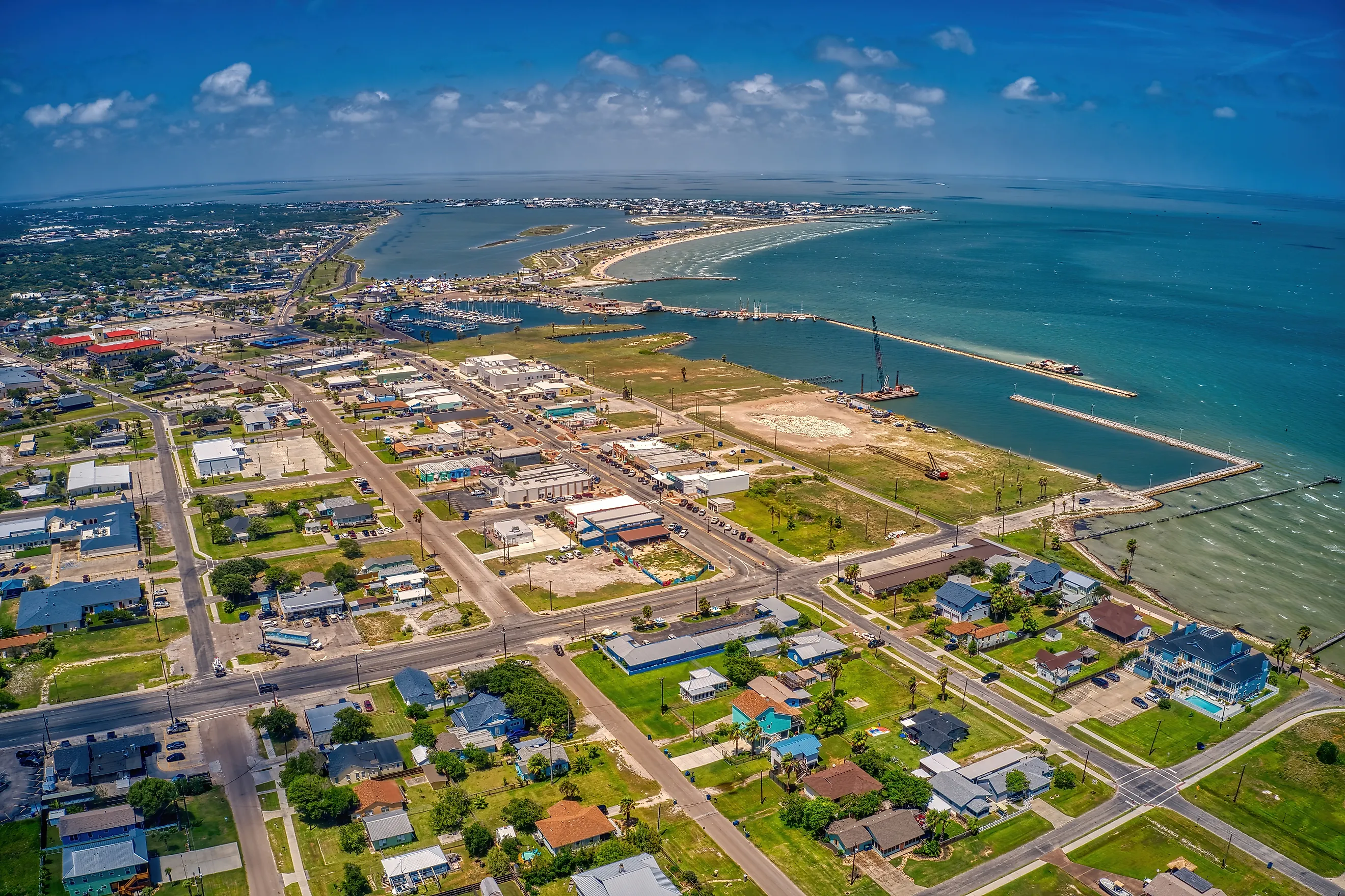
About 18 miles north of Port Aransas, along Aransas Bay, Rockport leans into its coastal setting. Spend the day at Rockport Beach with your toes in the sand or in the water. It has been certified as Texas' First Blue Wave Beach, a national certification for cleanliness, safety, and environmental stewardship. For trails and coastal oak woodlands, head to Goose Island State Park.
The Texas Maritime Museum adds local history to a beach trip. Exhibits cover early explorers, shipbuilding, fishing, and life along the Gulf of Mexico. Displays also look at fishing methods, the local seafood industry, and rotating topics in maritime culture.
Slow Down and Relax
Finding a slower pace of life in Texas is easier once you leave the major cities. Jefferson has haunted-house lore and Caddo Lake. Wimberley has spring-fed swimming. Mason has a courthouse square and an old theater, while Llano brings river days. Alpine and Marfa open into West Texas desert. Canyon drops into Palo Duro, and Palacios and Rockport keep the coast close. These small Texas towns give travelers space to walk, paddle, browse, sit, and enjoy the day without rushing.