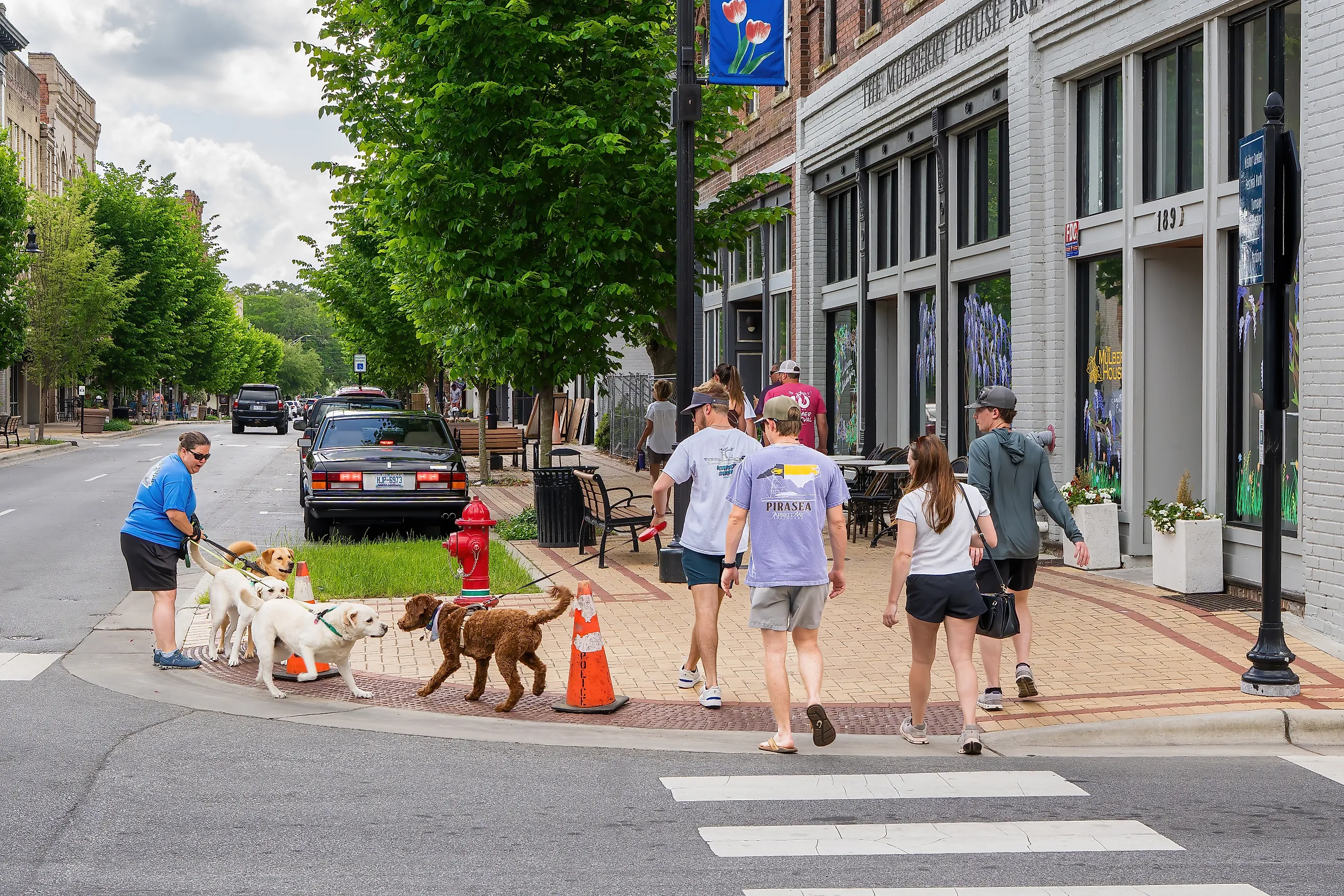
10 Most Walkable Town Centers In The Southern United States
Few places protect their old downtowns the way the South does. Preservationists here saved the columns and courthouse squares that other regions bulldozed for parking. For a traveler, that care is a gift: whole historic centers that still fit in a few blocks and still buzz with local life. The architecture and galleries, the good Southern kitchens and the riverfronts all sit within an easy walk. The ten squares below are best seen on foot. Come with an appetite and a free afternoon, because you will want both.
Thomasville, Georgia

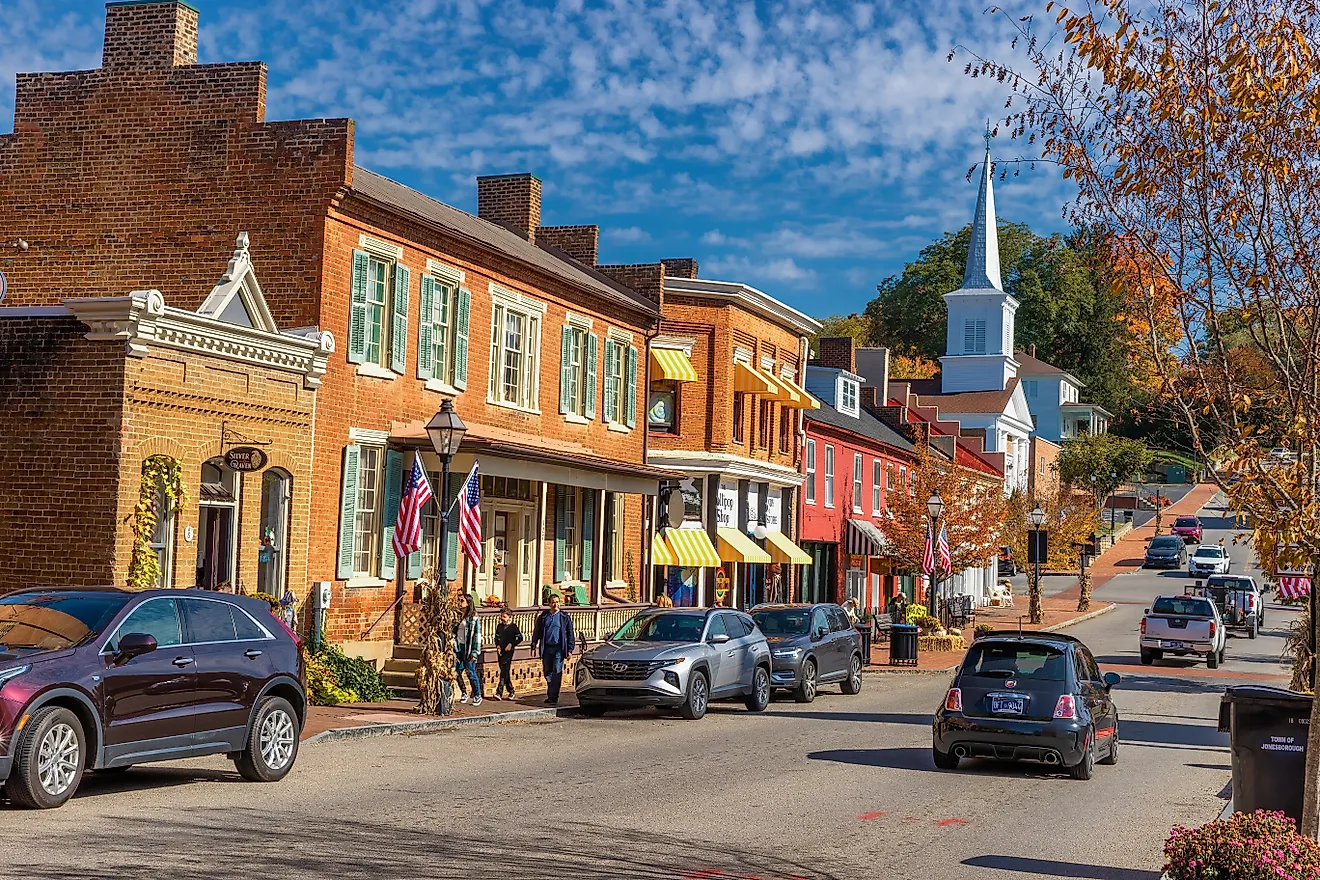
Broad Street is the place to begin on foot in Thomasville. Restored brick storefronts sit behind shaded sidewalks, with restaurant tables out front and locally owned shops on the ground floors. A few blocks off, an ordinary intersection holds the Big Oak, a live oak estimated at more than 330 years old, with limbs that reach across the road under a dense canopy. Grand houses from the town's late-19th-century run as a winter resort stand around downtown, especially along Dawson Street. The most eccentric of them is the Lapham-Patterson House, a Queen Anne winter cottage from 1884 where 45-degree doorways, odd staircases, and a plan with almost no right angles make the interior as strange as the facade. Back on Broad Street, walkers stop at Grassroots Coffee for a break, and crowds fill Jonah's Fish & Grits at lunch for shrimp and grits and other Southern seafood.
Lewisburg, West Virginia

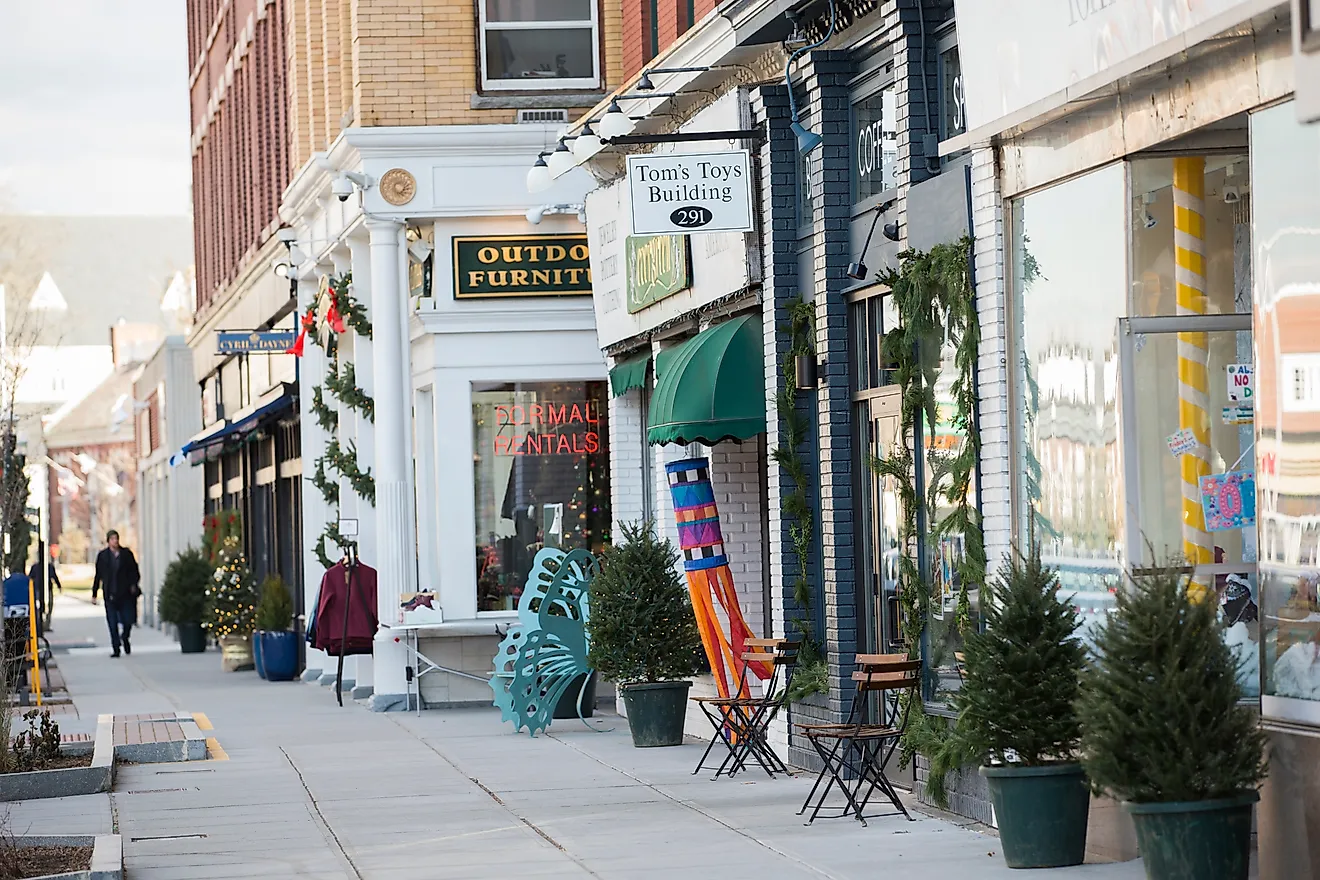
Mountains show between the rooftops in Lewisburg, though the center stays tightly packed around Washington Street. Brick buildings house bookshops, galleries, cafes, and independent stores, and the sidewalks run compact enough that a bit of browsing eats a whole afternoon. Carnegie Hall is worth more than a passing glance. Built in 1902 with money from Andrew Carnegie, it is one of only four Carnegie Halls still in use as a performance venue, with a full calendar of concerts, exhibitions, and community events rather than the status of a plain landmark.
The North House Museum is a change of pace. The Greenbrier Historical Society runs it out of an early-19th-century inn and tavern, using period rooms and local artifacts to walk visitors through the Greenbrier Valley's past. The older residential blocks start only minutes away, where Federal-era houses and churches turn up almost as soon as the commercial strip ends.
Lewisburg eats well for its size, too. USA TODAY named it the country's Best Small Town Food Scene for 2025. The French Goat plates French-inspired dishes in an intimate room, and Stardust Cafe keeps lunch casual. After dinner, Washington Street stays compact enough for one more slow loop past the lit storefronts.
Abingdon, Virginia

In Abingdon, the brick sidewalks are half the scenery. Main Street passes old houses, galleries, churches, and inns, with the Blue Ridge foothills in the distance. Barter Theatre is the essential stop and one of the South's best small-town theater stories. Founded by Robert Porterfield in 1933, it opened during the Depression by letting patrons pay the 40-cent admission in produce, dairy, or livestock, and its stage still runs a busy program today. Across the street, the Martha Washington Inn & Spa occupies a former private home that later did time as a women's college and a Civil War hospital. The Tavern seats diners inside an 18th-century building, now an atmospheric restaurant. For a different kind of afternoon, the Virginia Creeper Trail starts in Abingdon, so a visitor can leave the historic center by bicycle and reach open countryside within minutes.
Madison, Georgia

The courthouse square is only the opening scene in Madison. The restored storefronts look good, but the residential streets around them are where the walk slows down. Greek Revival houses sit behind broad lawns, Victorian porches show through mature trees, and old churches break the roofline as the self-guided route heads away from downtown.
Heritage Hall is worth going inside. William Johnston built it in 1811, and Dr. Elijah Evans Jones reshaped it into a Greek Revival mansion in the mid-1800s; the period rooms and furnishings put the grand facades elsewhere on the walk in context.
A very different building sits at the Madison-Morgan Cultural Center. This 1895 Romanesque Revival former school now holds exhibitions and performances, and its towers are among the town's boldest sights. Town 220 Restaurant is close enough to the commercial center for dinner without going back to the car. On the walk home, look closely at the older houses rather than photographing them from across the street: the carved entrances and deep porches change noticeably house by house.
Maysville, Kentucky

Maysville climbs from the Ohio River, so a downtown walk keeps opening onto sudden water views. The floodwall is a good place to start, since its large murals turn episodes from local history into an outdoor gallery beside the river. A few blocks inland, the Kentucky Gateway Museum Center is home to an extraordinary miniature collection, tiny rooms and buildings that reward a patient look.
The National Underground Railroad Museum takes on a heavier chapter, on Maysville's place near the routes used by people escaping slavery. From there, the riverfront makes a natural place to circle back. Caproni's on the River has held its waterside spot for decades, and the window tables look straight across the Ohio toward the hills on the far bank.
Washington, North Carolina

Washington starts at the water. The boardwalk follows the Pamlico River past moored boats and open views, then runs straight into the historic streets behind it. Old commercial buildings run along Water Street and Main Street, now filled with galleries, restaurants, and small shops in spaces once tied to river trade.
The North Carolina Estuarium pays off early in the day. Rather than treat the Pamlico as scenery, the exhibits are built around the estuarine system, local wildlife, and the fisheries behind the region's economy. The next stroll along the boardwalk reads differently once the river's ecology clicks into place.
For dinner, The Hackney occupies a former bank downtown, with a menu more ambitious than a small waterfront town might promise. The residential streets sit close behind, porches and older houses only minutes from the business district. Around sunset, head back toward the river instead of staying inland; the broad western light across the Pamlico is one of Washington's best free sights.
Ocean Springs, Mississippi

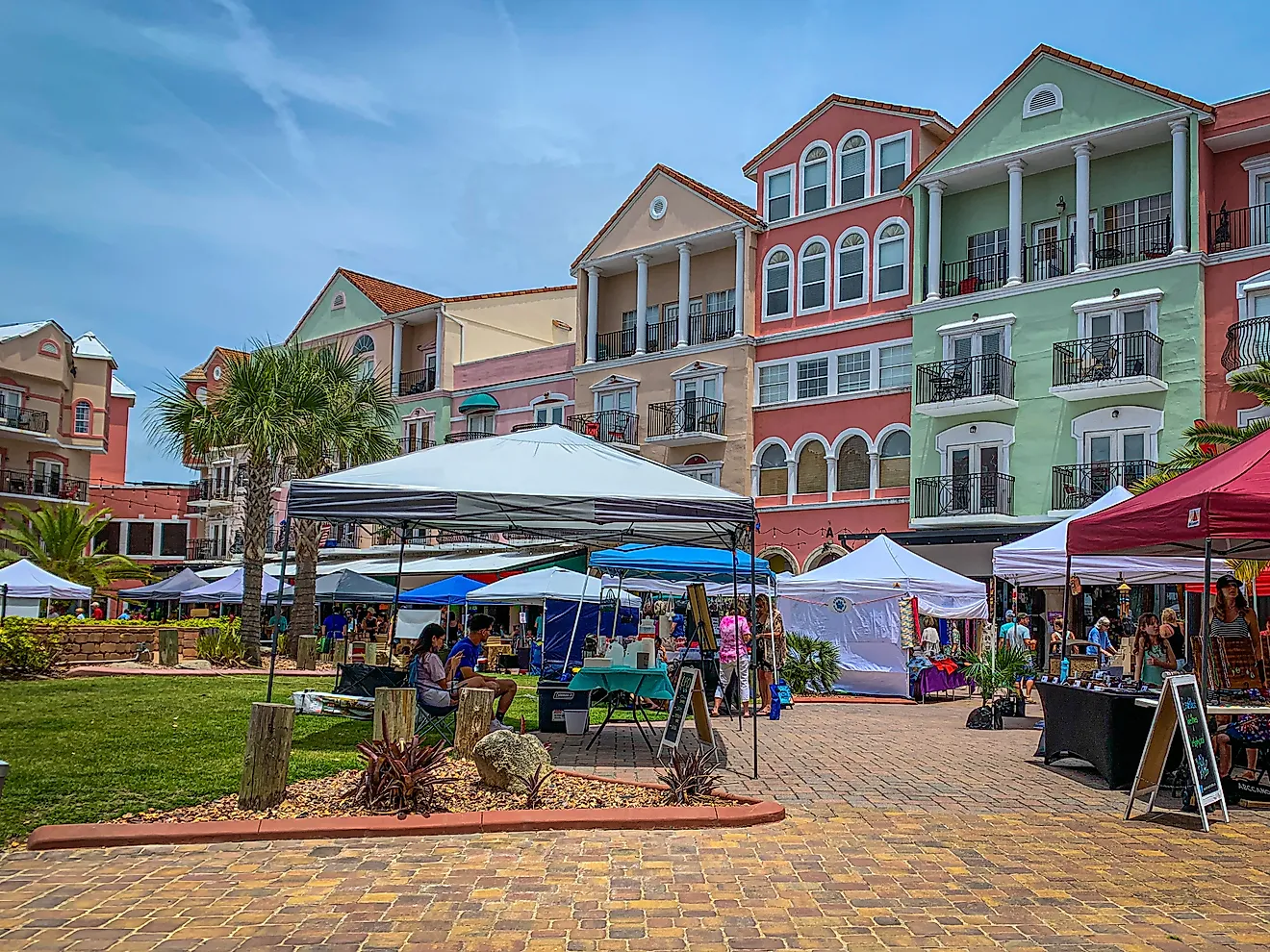
Color is the first thing to notice in Ocean Springs. Government Street passes low buildings, shaded patios, galleries, and cottages under live oaks, with the Gulf close enough to keep the pace slow. The Walter Anderson Museum of Art is the one stop not to skip. Anderson leaned heavily on the Gulf Coast's plants and animals in his paintings and murals, and seeing them here roots the work in its place. The Greenhouse on Porter makes a cheerful pause for biscuits and coffee before another round of galleries. Later, Mosaic Restaurant & Bar often puts music in its courtyard. Members of the Anderson family founded Shearwater Pottery in 1928, a short distance from the central blocks, and its potters still turn out handmade ceramics. By late afternoon, the beach is close enough to end the day on sand instead of another storefront.
Newberry, South Carolina

Look up in Newberry. The Opera House clock tower stands 130 feet over the center, an easy landmark whenever the streets start to curve away from Main Street. Completed in 1881 and dedicated in 1882, the ornate red-brick venue still hosts a calendar of theater, concerts, and comedy, so a glance at the schedule can reshape an evening here.
During daylight, the surrounding blocks hold their own interest. Many commercial buildings retain decorative cornices and tall upper-story windows from the late 19th and early 20th centuries. Memorial Park is a shaded spot near the center, an easy pause before a walker heads deeper into downtown.
Half Full Coffee & Wine suits a daytime stop, especially before a matinee or an evening show. For dinner, Figaro The Dining Room occupies a historic setting nearby and keeps the night on foot. After dark, aim back toward the Opera House rather than straight for the car; the lit facade beats the daytime view.
El Dorado, Arkansas

El Dorado looks grander than a small Arkansas city has any right to, and the reason sits underground. The Busey No. 1 well struck oil nearby in January 1921 and set off a boom that reshaped downtown, leaving substantial commercial buildings around Union Square. The Union County Courthouse stands at the center of the district, and the stone detailing and arched windows on the surrounding facades still speak to the money that poured in during those frantic years.
The Murphy Arts District is a newer reason to stay downtown after dark. Concerts and events run within walking distance of the courthouse, and The Griffin Restaurant works as a pre-show dinner. During the day, local history exhibits tied to the South Arkansas Historical Preservation Society show how fast the boom changed the town. The period photographs do the most work: streets that look calm today once filled with workers, automobiles, and businesses chasing the oil. Seeing those images before circling back to Union Square makes the surviving boom-era buildings far easier to read.
Washington, Georgia

Washington pays off for anyone who leaves the central square and follows the residential streets past it. The downtown storefronts and civic buildings are an attractive start, but the grand houses nearby pull the eye fast. Deep porches sit behind formal gardens, tall windows look onto the trees, and the architectural styles shift block by block.
The Robert Toombs House Historic Site is the key stop for the town's political history. Toombs, a prominent Georgia politician, served as the Confederacy's first secretary of state, and the exhibits follow his career against the national crisis of secession and the Civil War. The Washington Historical Museum adds to the story with regional collections inside another striking historic residence, an 1835 antebellum home.
When the route circles back downtown, the Fitzpatrick Hotel is hard to miss. Built in 1898, the restored three-story brick building faces the square and lends the center one of its strongest facades. The best final detour is simply another residential block, where old brick paths and elaborate porch details reward a slower look.
The Case For Slowing Down
What ties these ten places together is scale. None asks for a car once a visitor parks, and each keeps its landmarks, meals, and river views inside a radius a person can cover in an afternoon. That density is what lets the small discoveries happen: a 45-degree doorway in Thomasville, a mural along a Maysville floodwall, the western light off the Pamlico at Washington. The bigger the town, the more of that a driver misses. In these ten, the walk is the point.