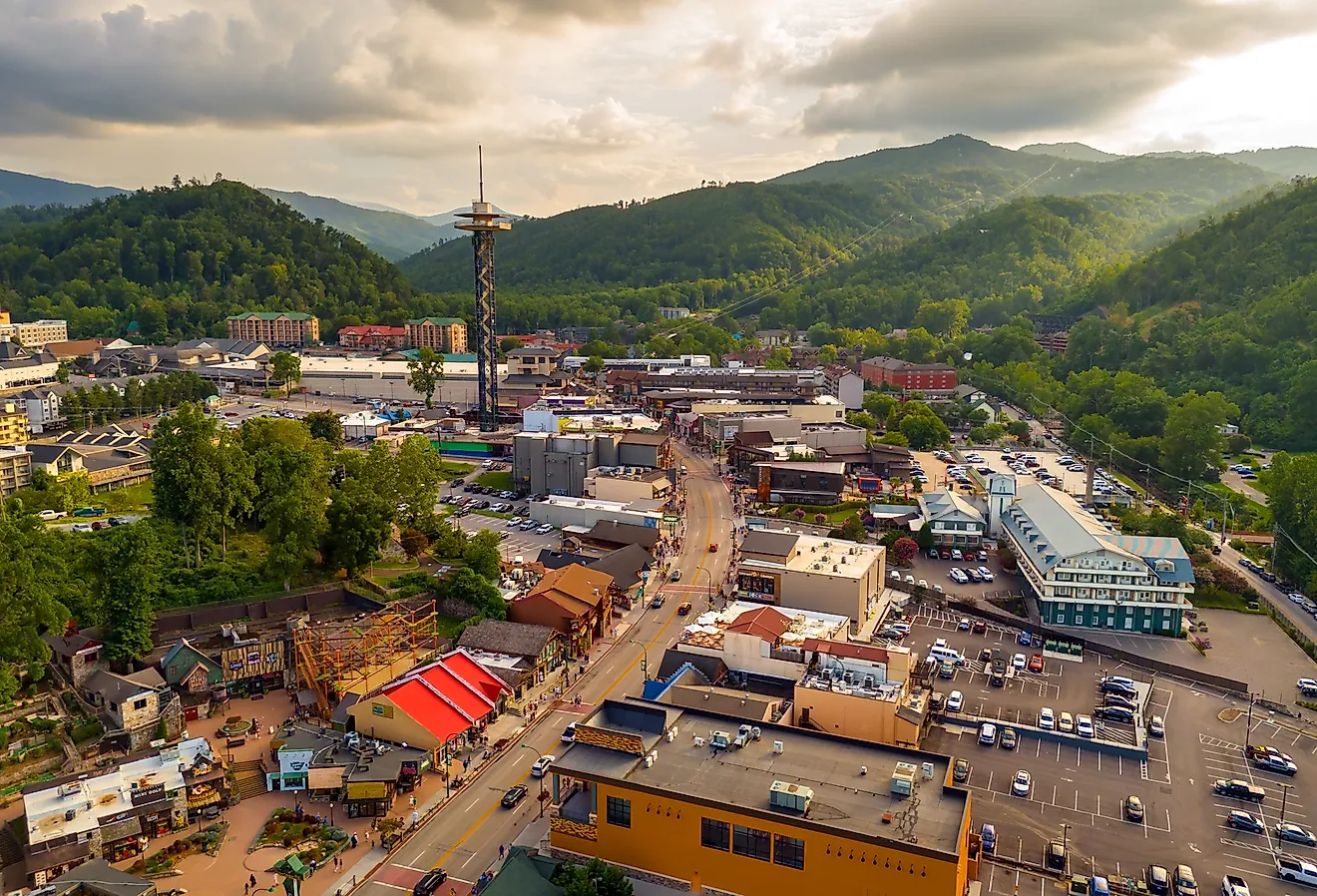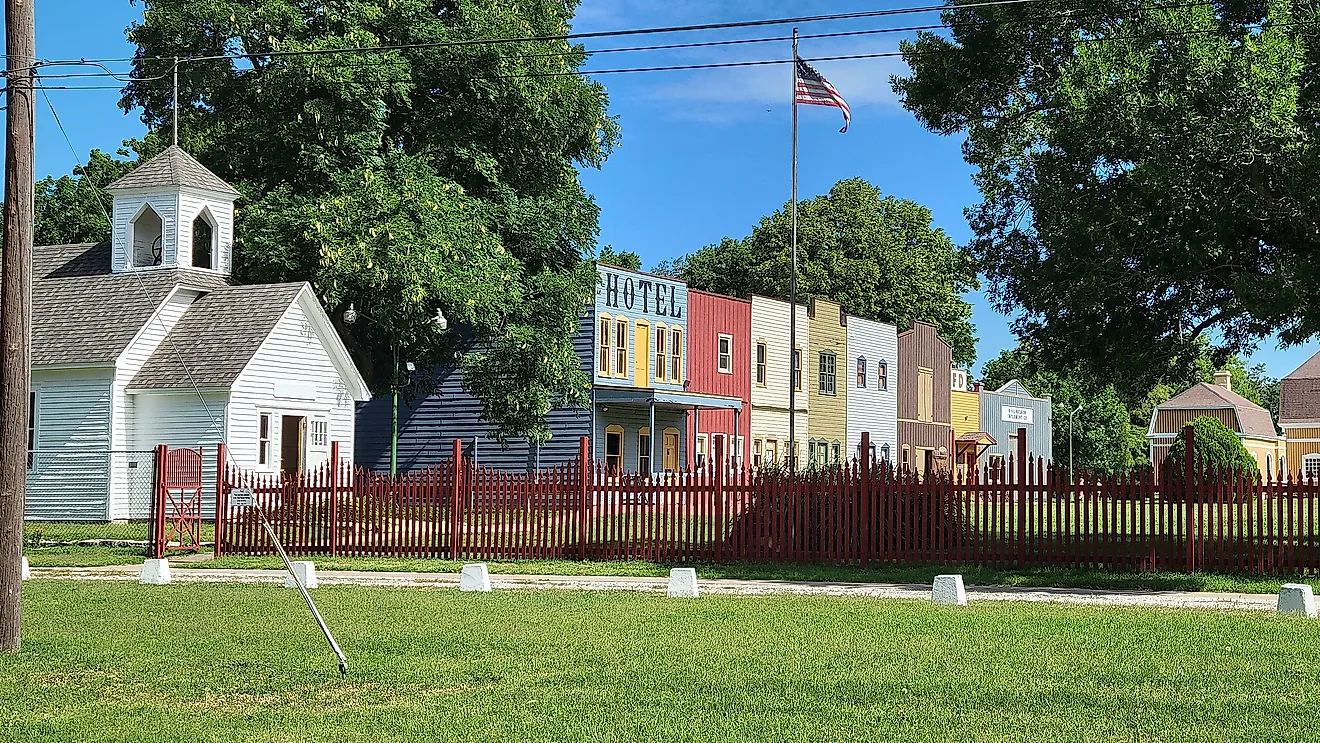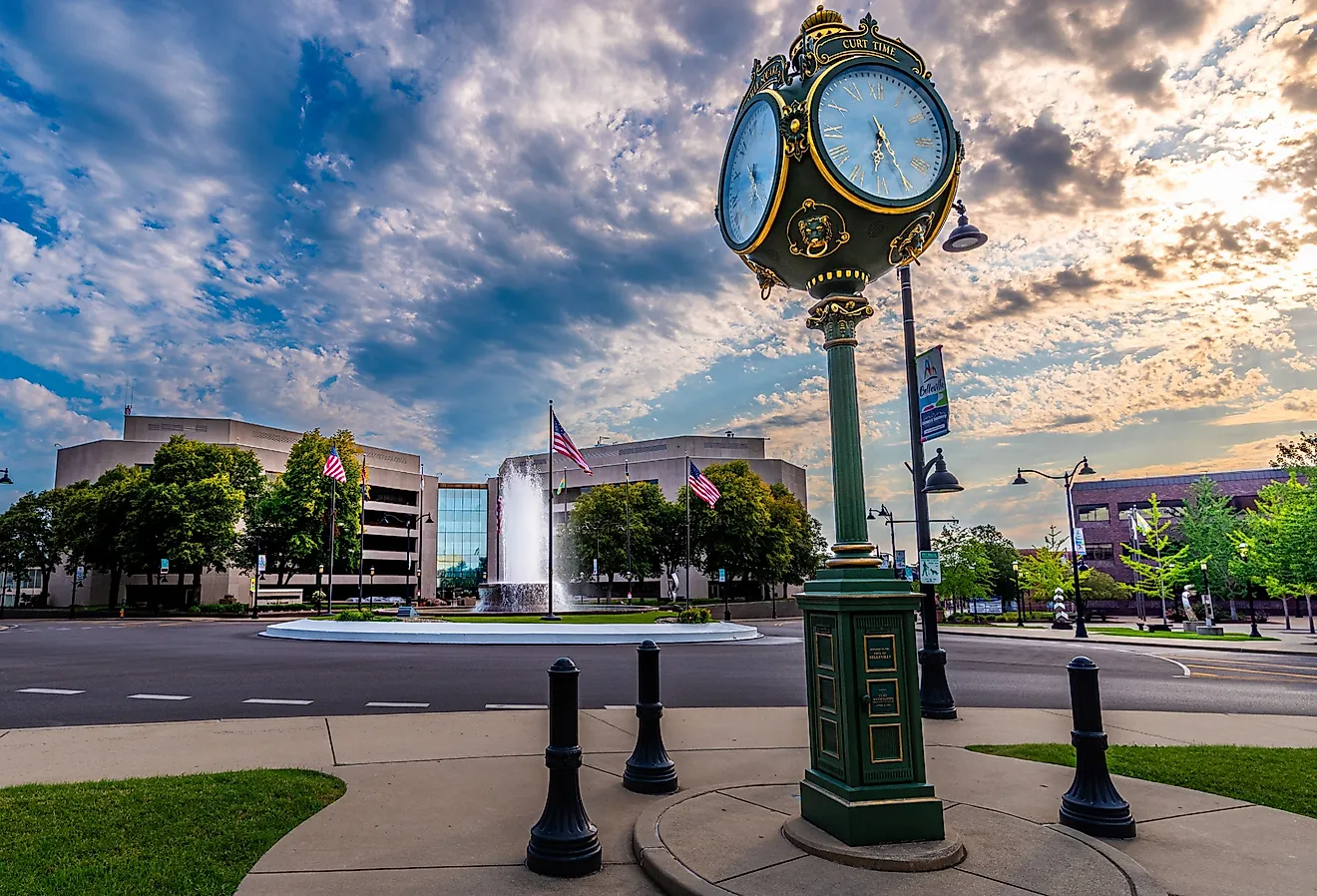
10 Loveliest Small Towns To Visit In Virginia This Summer
The loveliest place to spend a Virginia summer is a small town. In Chincoteague, the wild ponies swim the channel on the last Wednesday in July. Buchanan hangs a 366-foot swinging bridge over the James, with kayaks drifting below. Cape Charles points its free public beach due west, so the sun sets straight over the water. Abingdon sends cyclists coasting down the Creeper Trail. Each of these ten towns does summer a little differently.
Chincoteague

The wild ponies of Assateague give Chincoteague the most-watched morning on the Eastern Shore. On the last Wednesday of July, the herd swims the narrow channel to Chincoteague while crowds line the water. The Chincoteague Volunteer Fire Company has run the swim and the auction that follows since 1925, and it remains the island's defining summer day. The rest of the warm months center on the Chincoteague National Wildlife Refuge, which covers the Virginia end of Assateague Island, its beaches, and its marshes. The red-and-white Assateague Lighthouse has stood over that stretch since 1867.
Boat tours leave the harbor for the refuge channels and closer looks at the ponies, the wading birds, and the dolphins offshore. Families with younger kids tend to break up beach days at Maui Jack's Waterpark, with its slides and pools just off the main road.
Cape Charles

Cape Charles faces west across the Chesapeake Bay, which gives it something most of the East Coast never gets, a summer sunset straight out over the water. The free public beach is a block from a downtown grid of Victorian and Craftsman houses. Developers laid out that grid in 1884, when the town was built as the railroad and ferry terminus near the tip of the Eastern Shore.
The Cape Charles Natural Area Preserve protects dunes and shoreline for walking and birding at the edge of town. Two signature golf courses at Bay Creek follow the bay, one designed by Arnold Palmer and one by Jack Nicklaus. Down at the harbor, the town's restaurants and galleries cluster along the water.
Farmville

Summer in Farmville usually starts with a bike ride out to High Bridge. The span crosses the Appomattox River valley just east of town, more than 2,400 feet long and 125 feet above the water, the longest recreational bridge in Virginia. It carries the old Southside Railroad bed, now the 31-mile High Bridge Trail State Park, which cuts straight through downtown. Bikes rent from the Outdoor Adventure Store a block off the trail.
Farmville is also a college town, home to Longwood University, and the place where America's student-led civil rights movement began. In 1951, sixteen-year-old Barbara Johns led a walkout at the all-Black Moton High School to protest its conditions, a case later folded into Brown v. Board of Education. The Robert Russa Moton Museum, a National Historic Landmark, tells that story, and the Longwood Center for the Visual Arts carries the downtown art scene.
Buchanan

Downtown Buchanan keeps the only swinging bridge on the James River. The 366-foot pedestrian span crosses the water in the middle of town, sways underfoot, and stands as a National Historic Landmark. Its stone piers date to an 1851 toll bridge, while the current swinging span was dedicated on July 4, 1938.
Twin River Outfitters, also downtown, sets up canoe, kayak, and tubing trips on this upper stretch of the James beneath the Blue Ridge. Route 43 climbs out of town toward the Blue Ridge Parkway and the Peaks of Otter, and the restored Buchanan Theatre downtown keeps a calendar of films and stage shows.
Abingdon

A summer day in Abingdon often starts at the top of the Virginia Creeper Trail and coasts back down. The 34-mile former rail line begins in town and climbs toward Whitetop Mountain, and most riders shuttle to the top before rolling the long way home. Abingdon also holds the Barter Theatre, which opened in 1933 when actor Robert Porterfield let Depression-era audiences pay for tickets with produce. It is now the State Theatre of Virginia and one of the longest-running professional resident theaters in the country, staging shows year-round in its downtown hall.
About 8,300 people live here, and the weekly Abingdon Farmers Market and the Southwest Virginia Cultural Center & Marketplace keep local food and crafts in front of the town all season.
Bedford

The National D-Day Memorial stands in Bedford because the town paid a price unmatched anywhere else in the country. Of the Bedford men who landed at Omaha Beach on June 6, 1944, about nineteen were killed that day, the highest per-capita D-Day loss of any American community. The memorial honors the wider invasion, and the Bedford Museum & Genealogical Library keeps the town's longer record.
Bedford spreads across the Blue Ridge foothills between the Peaks of Otter and Smith Mountain Lake. Falling Creek Park covers the everyday side of summer, with trails through the woods, open meadows, and ballfields.
Culpeper

A seventeen-year-old George Washington became the first surveyor of the newly formed Culpeper County in 1749. The town itself was chartered a decade later, in 1759, as the Town of Fairfax, and that original ten-block grid still forms the core of a downtown now lined with restaurants and shops along Davis Street. The Museum of Culpeper History covers the town's past, and the Burgandine House, a log-and-clapboard dwelling dated to around 1800, stands as its oldest residence.
The surrounding countryside gives way to vineyards, with Mountain Run Winery among several within a short drive. Grass Rootes serves Southern cooking inside one of the oldest commercial buildings on the square.
Charlottesville

Charlottesville grew up around the University of Virginia, which Thomas Jefferson founded in 1819 and designed down to the Rotunda and the Lawn. The university and Jefferson's mountaintop home, Monticello, together form a UNESCO World Heritage Site. Monticello, the plantation Jefferson built and ran with enslaved labor, stands just outside town and is open for tours.
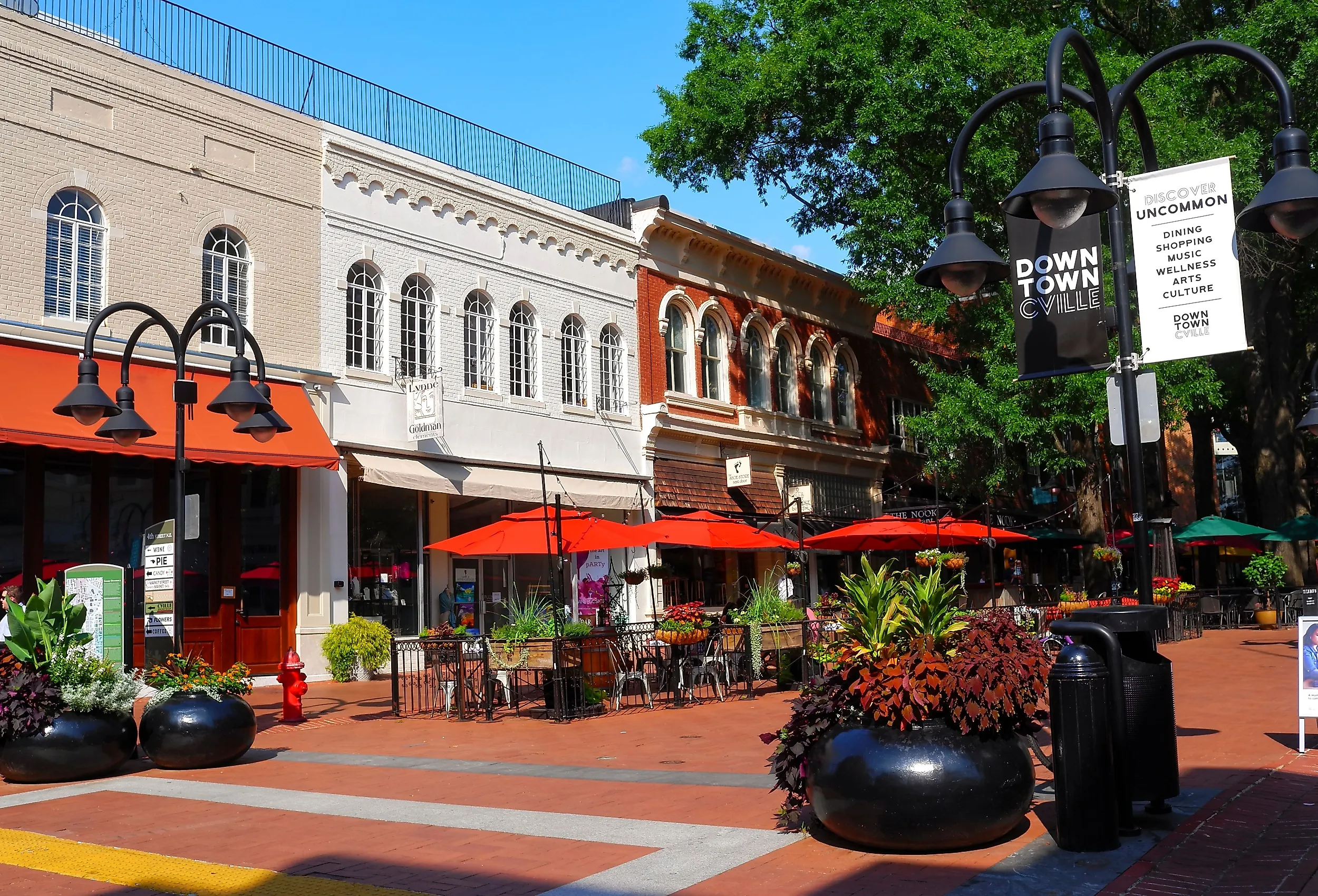
Downtown, the pedestrian-only Downtown Mall covers eight blocks of brick storefronts, restaurants, and the 1931 Paramount Theater. The Saunders-Monticello Trail climbs through Kemper Park toward Monticello for an easy walk close to town.
Urbanna

Urbanna was laid out in 1680 as one of Virginia's official colonial tobacco ports, and the small grid above Urbanna Creek still holds buildings from that era, including an 18th-century tobacco warehouse. The creek opens onto the Rappahannock River near its mouth, and Watermans Park gives the town its public waterfront and wide views over the water.
The working harbor keeps Urbanna's seafood trade going, and the Urbanna Seafood Market & Raw Bar is the place to try Chesapeake oysters and crab. The Urbanna Harbor Gallery and a handful of shops carry local crafts and antiques.
Front Royal

Front Royal marks the northern end of Skyline Drive, the mountain road that runs the length of Shenandoah National Park, which makes the town the park's northern gateway. It also stands on the Shenandoah River near the meeting of its north and south forks, where outfitters put canoes and kayaks in the water through the warm months.
Just outside town, Skyline Caverns is known for its anthodites, spiky white calcite formations found in only a few caves anywhere. The historic district holds the Federal-style Balthis House, while the Warren Rifles Confederate Museum and Chester Gap Cellars fill out a day in town.
Where Virginia Spends Its Summer
The best of a Virginia summer plays out in towns like Urbanna, where the raw bar shucks Chesapeake oysters by the harbor. Front Royal sends paddlers out where the Shenandoah's two forks meet. Charlottesville fills its brick Downtown Mall on warm evenings. Farmville puts a long bike ride over the Appomattox, and Culpeper pours a glass at a vineyard outside town. Bedford holds the quiet weight of its D-Day Memorial. Not one of these towns needs a city to do it.