10 Idyllic Small Towns In Montana To Visit In 2026
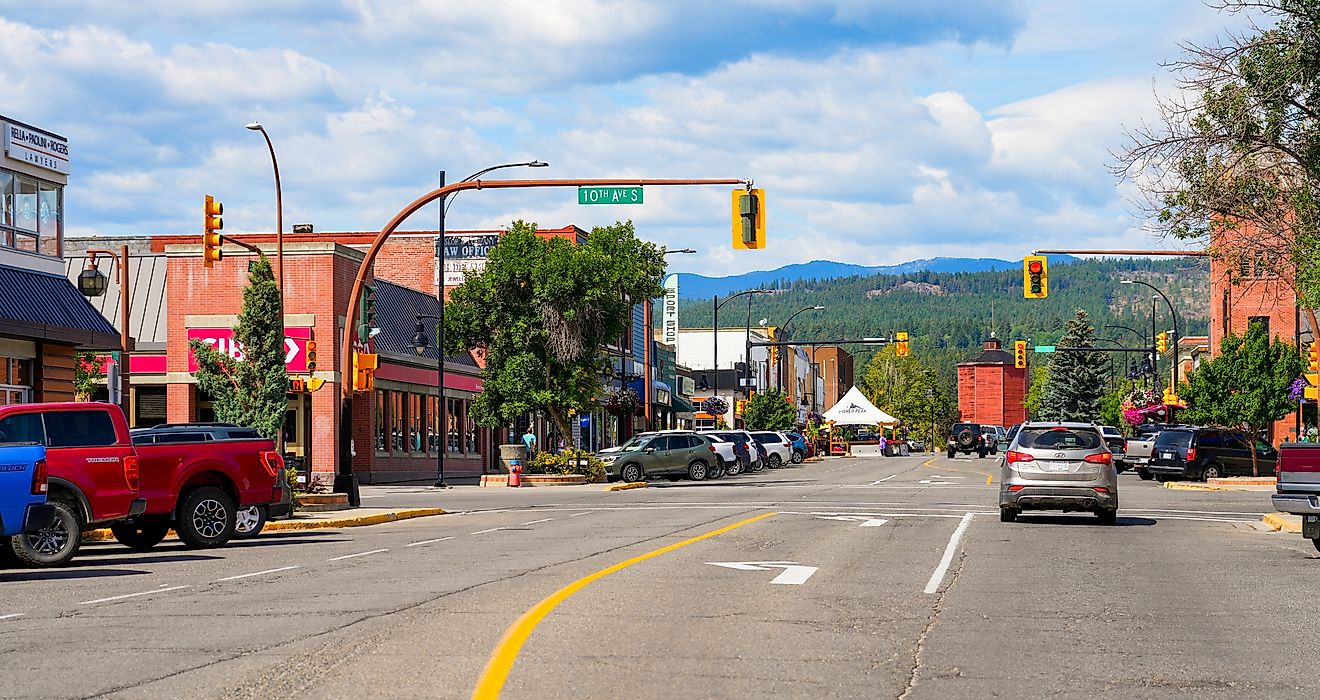
The Pollard Hotel in Red Lodge opened in 1893 as the Spofford, and both Buffalo Bill Cody and Calamity Jane appear on its guest register. Livingston's Northern Pacific depot went up in 1902 to a design by Reed and Stem, the Minnesota firm that would later draw New York's Grand Central Terminal. Virginia City still has roughly 150 buildings standing from the 1860s gold rush, and travelers can rent a room in one of them. These ten Montana towns wear their history on their sleeve, and that's what makes them stand out. Sapphire counters in Philipsburg, a steamboat levee at Fort Benton, a summer playhouse in Bigfork, and a working ski hill above Whitefish paint a perfect picture of Montana in all its glory.
Red Lodge

Red Lodge was established as a coal mining town in the early 1880s, so history echoes through the streets and clings to the century-old buildings that line them. The town offers a downloadable walking tour of its historic downtown, and several of the stops are listed on the National Register of Historic Places. One of those is the Pollard Hotel, formerly the Spofford Hotel, which dates back to 1893 and hosted both Buffalo Bill Cody and Calamity Jane.
For a bit of nature in Red Lodge, the Yellowstone Wildlife Sanctuary gives permanent homes to injured and orphaned animals from the Greater Yellowstone Ecosystem that cannot be released back into the wild, and it runs guided tours alongside self-guided visits. Plenty of hiking trails begin right in town, including the Coal Miners Park Trail. After working up an appetite exploring some of them, grab a handcrafted cocktail and a hearty steak at Black Canyon Bistro on South Broadway.
Livingston

The town of Livingston has a storied past, and most of it runs on rails. That history can be explored at the Livingston Depot Center museum, housed in the 1902 Northern Pacific station designed by Reed and Stem, the Minnesota firm that went on to draw New York's Grand Central Terminal. The depot museum is only open during the summer season, so check hours before making the drive. Livingston was the original gateway to Yellowstone National Park, and while the Park Branch rail line to Gardiner is long gone, US Highway 89 still runs roughly 55 miles south through Paradise Valley to the park's north entrance.
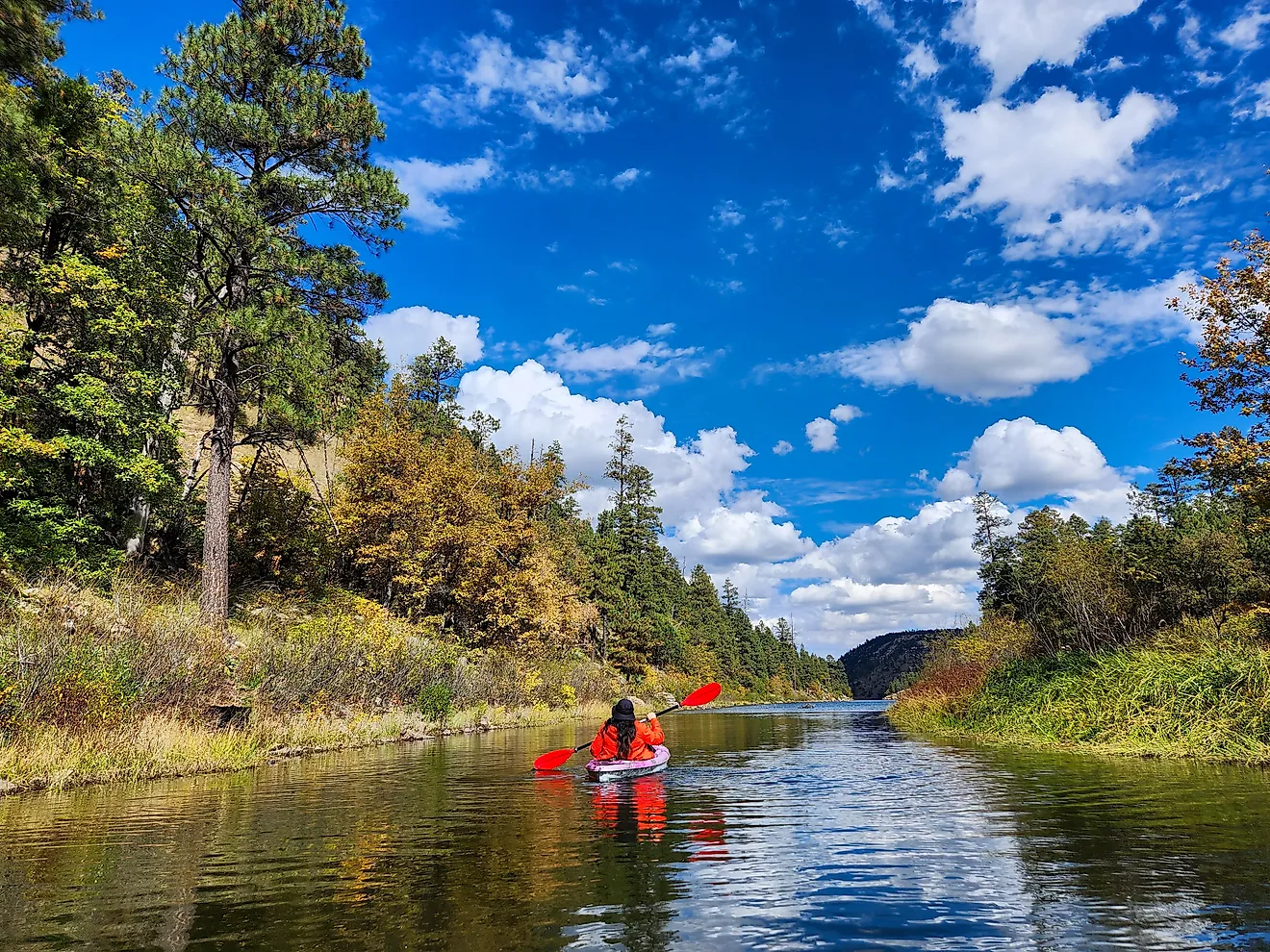
The town also sits on the Yellowstone River. Kayaks, rafts, canoes, and paddleboards can be rented at Rubber Ducky River Rentals, which also runs guided scenic floats. Downtown Livingston has a lot to offer, too. See live music at The Attic, a twenty-one-and-over room up a steep flight of stairs downtown. Catch a play at the Blue Slipper Theatre, or shop the galleries and boutiques nearby. At the end of the day, grab a brewed-on-site draft at Neptune's Brewery.
Whitefish

In Whitefish, everything centers around open-air experiences, even dining. A dozen or so restaurants in town offer al fresco seating. Whitefish Lake Restaurant, serving lunch and dinner daily, is one highly rated spot that pairs fresh food with a view. Mountain biking is a popular form of recreation in Whitefish, and places like Glacier Cyclery & Nordic offer rentals so that visitors can join in on the fun. Skiers and snowboarders should stop at Stumptown Snowboards, which has been in business since 1992 and has two locations, one downtown and one slopeside at Whitefish Mountain Resort. The Hidden Moose Lodge, about two miles from downtown Whitefish, works well for anyone planning to explore the area. A stay includes a hot breakfast and complimentary evening beverages, and there is an outdoor hot tub. During ski season, the free shuttle to Whitefish Mountain Resort stops out front.
Lewistown

Bird watching and floating Big Spring Creek are the outdoor draws here, along with hiking and biking the town trails. Brewery Flats and the Frog Ponds are two of the best stretches of the Lewistown City Trail System, a twenty-mile network laid largely on an abandoned railroad bed. Brewery Flats is a reclaimed industrial site where Big Spring Creek was rerouted and its fish habitat rebuilt in the 1990s, and the Frog Ponds were dug out and stocked with trout. Both are good for wildlife viewing.
When outdoor adventures are done for the day, the downtown area provides its own kind of entertainment. Among the well-preserved brick buildings, some dating back as early as 1900, you will find stores like the Marigold Market and Moccasin Mountain Art & Gifts that sell Montana-made goods. At Central Feed Grilling Co., you can grab a steak and a beer from Big Spring Brewing, which brews in the same historic Central Feed Mercantile building.
Bigfork

Bigfork sits at the northeast corner of Flathead Lake, at the spot where the Swan River empties into the bay. Behind town, the Swan Range rises, the northwestern edge of the Rocky Mountains in this corner of the state. The town is small, but that position opens up all kinds of outdoor adventure. Hikers can leave right from town for the Swan River Nature Trail or the Harrell Forest Community Trails. Base Camp Bigfork rents kayaks, paddleboards, mountain bikes, and snowshoes year-round and delivers them free to the lake. It also runs guided dog sled trips once the snow sets in.
When not exploring outside, the Bigfork Summer Playhouse is the go-to for theater. Founded in 1960, it stages four musicals and a variety show across its summer run in a 435-seat house and has not missed a season since. On select nights, the Garden Bar on Electric Avenue is the place for live music and burgers.
Philipsburg

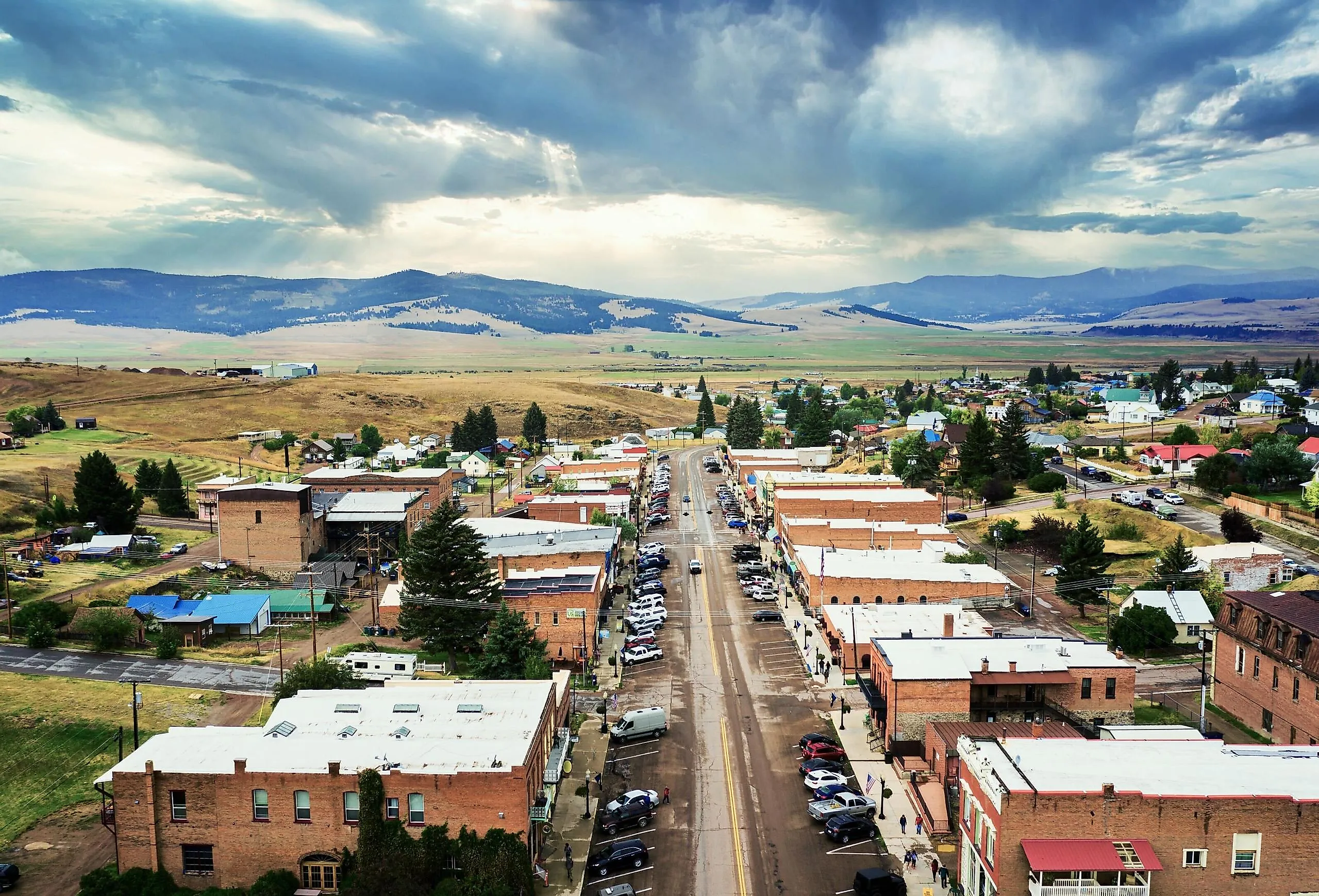
Gems, sweet treats, Victorian architecture, craft brews, and a real ghost town are why people love the tiny town of Philipsburg. Gem Mountain and the Sapphire Gallery both sell bags of local gravel to wash for your own sapphires, and both stock finished sapphire jewelry. Their storefronts are on Broadway, the main thoroughfare downtown, and they wash gravel indoors year-round. Gem Mountain's actual mine outside town opens only between Memorial Day and Labor Day.
This historic street is lined with 19th-century buildings and shops like the Sweet Palace, which turns out fifty kinds of fudge and seventy-odd flavors of taffy in-house, plus local hangouts like the Philipsburg Brewing Company. About four miles outside of town, Granite Ghost Town State Park preserves the remains of one of the richest silver mines in the country, including the old Miners' Union Hall.
Virginia City

Virginia City is even smaller than Philipsburg, but it packs a lot into a few blocks. Founded in 1863 after a gold strike in Alder Gulch, it is a living ghost town with roughly 150 original buildings from that decade still standing, and the whole district is a National Historic Landmark. You can sleep in one of them at the Fairweather Inn, and another houses the Wells Fargo Bar & Grill. A visit to the J. Spencer Watkins Memorial Museum fills in the rest of the story. After that, the Brewery Follies stages its long-running comedy revue in the Old H.S. Gilbert Brewery, a fixture for visitors and locals alike. Most of the town runs on a summer season, so the best time to visit is between late spring and early fall.
Fort Benton

Fort Benton, known as the "birthplace of Montana," was established in 1846 and is the oldest continuously occupied settlement in the state. Its spot on the Missouri River made it the most upstream navigable port in the Mississippi River system, a distinction that earned it the nickname "the world's innermost port" until the railroads arrived in the late 1880s. So there is a lot of history in this small town, and it is front and center for all to explore, starting with a museum complex run by the nonprofit River and Plains Society.
The complex takes in the Museum of the Northern Great Plains and the reconstructed Old Fort Benton, so there are many stories to be told within those walls. The display of history in Fort Benton does not stop there. Several downtown buildings date to the late 1800s, including the restored Grand Union Hotel, finished in 1882 to a Victorian design by architect Thomas Tweedy, where you can still book a room.
Polson

About 30 miles down the east shore from Bigfork, at the southern tip of Flathead Lake, the town of Polson is a lakeside retreat built around the water. Polson Boat Rentals has pontoons, ski boats, deck boats, and stand-up paddleboards for rent, plus single and double kayaks, so there are plenty of ways to enjoy the lake. For a little fun on land, visit downtown Polson, where you will find shops like handMADE Montana selling work by Montana artists. The Polson-Flathead Historical Museum sits further up Main Street. Its collection covers the Mission Valley and the Flathead Indian Reservation, on which the town stands. Back down Main Street, Glacier Brewing Co. pours a locally brewed beer or seltzer with a quick bite from the Lazy Bear BBQ food truck in its beer garden.
Hamilton

Located in the Bitterroot Valley, the town of Hamilton sits between the Bitterroot Mountains and the Sapphire Mountains, so there are plenty of opportunities for hiking. The Blodgett Canyon Overlook Trail starts just outside of town. There is also some interesting history to explore. Copper magnate Marcus Daly platted Hamilton in 1890 and built a Queen Anne summer house nearby in 1896. Daly died in 1900. His widow, Margaret, then hired Missoula architect A. J. Gibson to absorb that house into the Georgian Revival mansion finished in 1910. The Daly Mansion still stands east of town with more than fifty rooms, and it runs tours Tuesday through Sunday from mid-June into late September. When exploring is done for the day, Naps Grill is the place to go for a Montana craft beer and a burger that has taken the state's Best Burger title and landed on a national top-fifty list, made from fresh, never frozen, local beef.
Small Towns, Big Ideas
Big cities may have more chain hotels and department stores, but what many do not have is the culture and historical weight of these small towns. Red Lodge's 1893 hotel still rents rooms, Fort Benton's 1882 hotel still serves dinner, Virginia City's 1860s brewery still seats an audience, and Livingston's 1902 depot still opens its doors each summer. Elsewhere, that inventory would have been demolished or roped off as a museum piece. In Montana, thin populations and long distances made preservation the cheaper option, and the result is a set of idyllic downtowns set against mountains and rivers where the oldest building on the block is usually still open for business.