Experiencing Michigan’s Bavarian Enclave
Willkommen to Frankenmuth, aka "Michigan's Little Bavaria." This touristic enclave pops up just north of Flint, in the middle of the state's pastoral core. Moments after passing underneath the German welcome arch, traditional Bavarian architecture begins lining both sides of Main Street. Crossing the Holz Brücke Covered Bridge, women dressed in dirndls start to appear, while the bells of the glockenspiel and foghorn of the Belle Riverboat create a chorus with the giggles of delighted visitors and the tunes from the outdoor biergarten.
Some families come to splash around Frankenmuth's two mega waterparks, while others come for the year-round Christmas cheer courtesy of the world's largest Christmas store. I, however, drove two hours across the Canadian border strictly to experience the sights, sounds, and flavors of olde Germany. "The Muth," as it is also known, may have a slightly kitschy, highly commercialized quality to it, but it certainly makes for an entertaining day-trip.

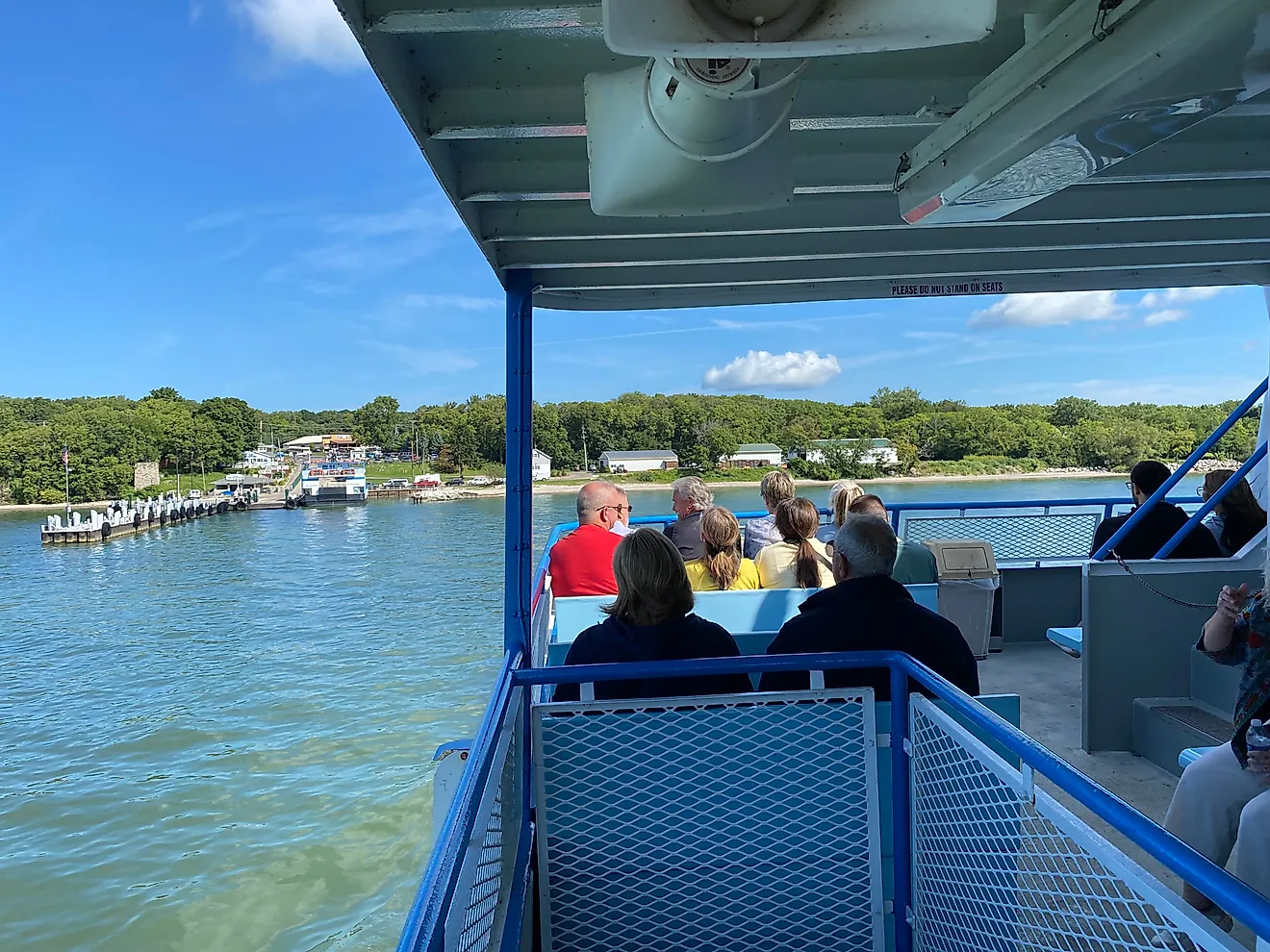
Having rolled into Frankenmuth in the early afternoon, I had just enough time to catch the 3 p.m. tour aboard the Belle Riverboat. Built on the Mississippi River in 1981 and painstakingly trucked over to Michigan in '99, this traditional, 50-ton paddlewheel boat now floats up and down Frankenmuth's Cass River. The one-hour narrated cruise showcases some Bavarian-style hotels, the Frankenmuth Brewery, Michigan's oldest micro-brewery, and the verdant parks comprising the rest of the gentle river valley. Along with the scenery, audio factoids, and eclectic company, passengers can treat themselves to hot pretzels and popcorn. I can't ever turn down popcorn. And at $2 a bag, I was truly helpless.
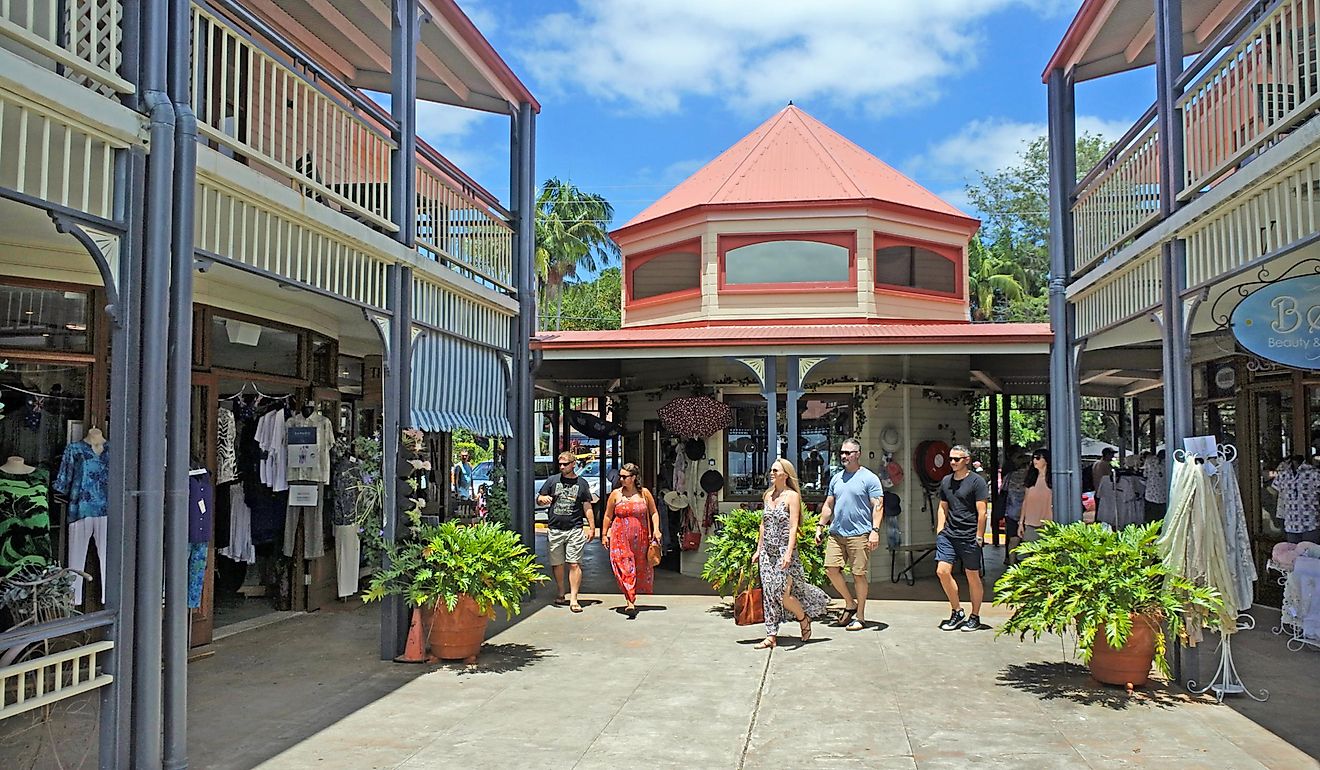
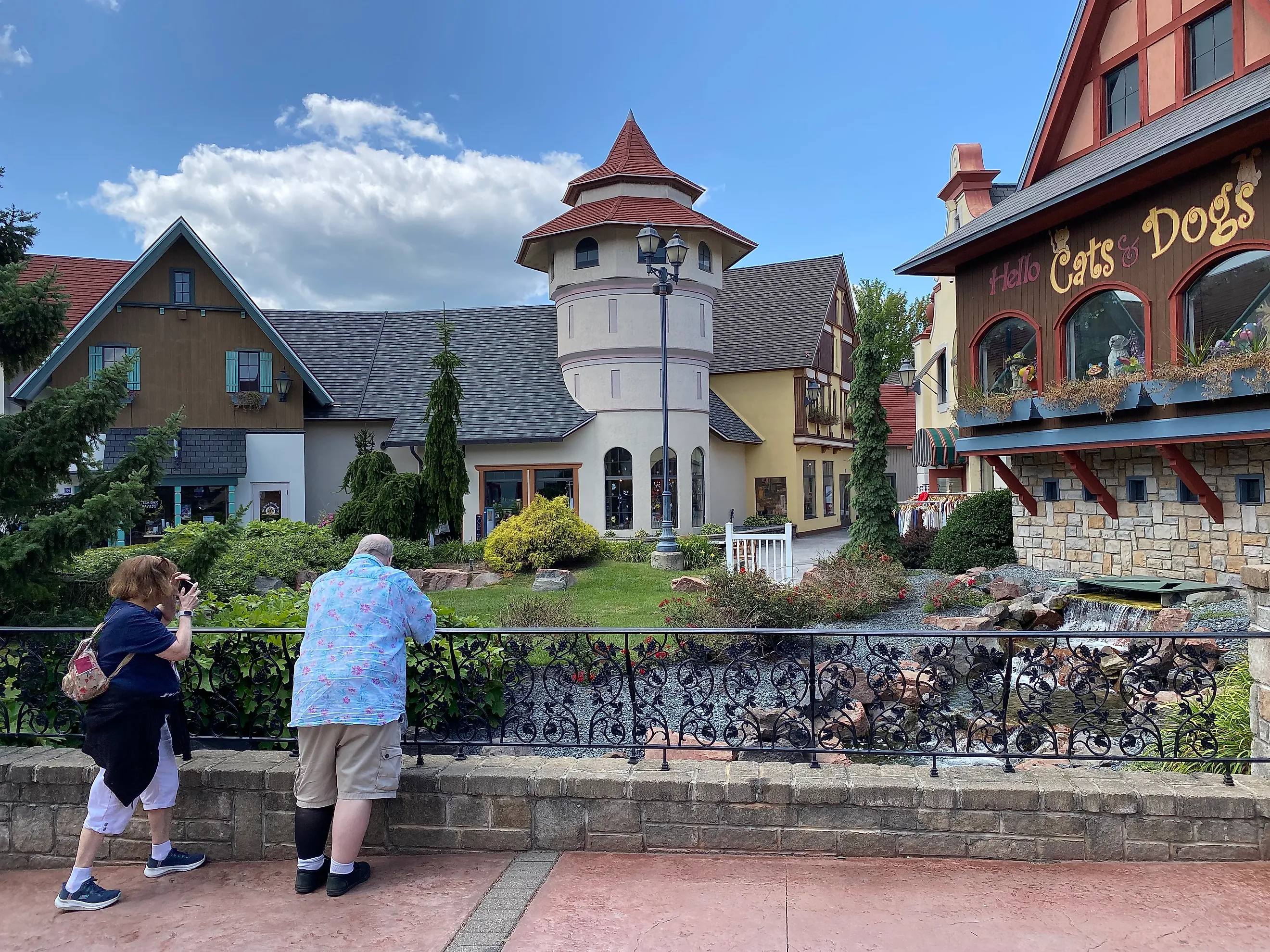
The riverboat's dock connects to Frankenmuth's River Place Shops, an open-air shopping mall and Bavarian micro-enclave within the broader "Little Bavaria." Here, souvenir and sweet shops surround a well-kept, European-esque courtyard. Your wallet will likely be lighter upon exiting, but there are free attractions too. Kids can play at the musical stations and parents can watch the trickly, flower-line waterfalls. On this particular Wednesday, there was even a live owl exhibit.

If a birds-of-prey sanctuary sounds random, wait until you see Bronner's CHRISTmas Wonderland. With over 50,000 ornaments and gifts spread across the equivalent of one-and-a-half football fields, this is the largest Christmas store on the planet. Come December's festivities, this facility is complimented by Frankenmuth's Ice Rink and a 44-foot-tall tree covered in 23,000 lights. Conversely, summer shines light on the town's wet n' wild side. With two waterparks, 25 waterslides, 15 pools, 3 lazy rivers, and a swim-up bar, Frankenmuth has also claimed the title of "Michigan's Waterpark Capital."
Once you hit Main Street, even more off-brand novelties rise to punctuate the overlying German-theme. Fudge, toffee, and taffy shops, a hut selling New Orleans beignets, and adjacent restaurants specializing in fried chicken family dinners come to mind. Only in America! I can't speak to the sweet-tooth of native Germans, but in Frankenmuth, the Fudge Kitchen knows how to gather a crowd. Artisans can be seen making fresh batches right through the window, and even from within the display cases, those bricks of dark chocolate, salted caramel, and maple kick saliva glands into overdrive.

If you're more of a savory person, the Cheese Haus is another magnet for oral indulgence. After snagging a photo-op with the giant mouse mascot out front, walk into a world of 270 different cheese flavors, some imported from Europe, many courtesy of Midwest dairy farms. It isn't cheap, but budgeting isn't really the name of the game in Muth.
Melting pot oddities aside, at its core, Frankenmuth is a Bavarian enclave. Settled in 1845 by a small group of farmers from the Province of Franconia, within the Kingdom of Bavaria, they sought religious freedom and to support the existing colonies of pious Germans in the Midwest. Having had the bravery to leave their homes, sail across the Atlantic, and re-establish themselves in foreign, undeveloped lands, the name Frankenmuth translates, rightly so, as "courage of the Franconians." For more information on Frankenmuth's Bavarian heritage, be sure to visit the Frankenmuth Historical Museum.

Frankenmuth remained a hardworking, bucolic community for over a century, until the "Little Bavaria" rebranding was kickstarted by the Bavarian Inn in 1959. Built in 1888, this hotel and restaurant now boasts a 35-bell glockenspiel that tells the story of the Pied Piper of Hameln and its many rats. Beneath the clocktower, couples can get their picture taken at the face-in-hole board, which depicts men in the traditional tracht garment and the women in the quintessential dirndl. And, of course, come dinnertime, hungry tourists can dine on schnitzel, sauerkraut, bratwurst, and a frosted mug of German beer.
Prost!

Frankenmuth is a colorful, quirky, and cultural enigma in the overlooked inland portion of Michigan's Lower Peninsula. Well clear of the major cities, but not quite part of the Lake Huron beach scene, "Little Bavaria" is truly a destination vacation. Over the continental breakfast at the Frankenmuth Motel, which, by the way, was also Bavarian themed, I overheard a man telling the concierge that he's been coming here for the last 11 or 12 years because he loves it so much. I'm not sure Frankenmuth cast quite the same spell on me, but it was fun to immerse myself in bygone Bavaria for an afternoon. So prost to Frankenmuth's many great hosts!