8 Snake Infested State Parks In New England
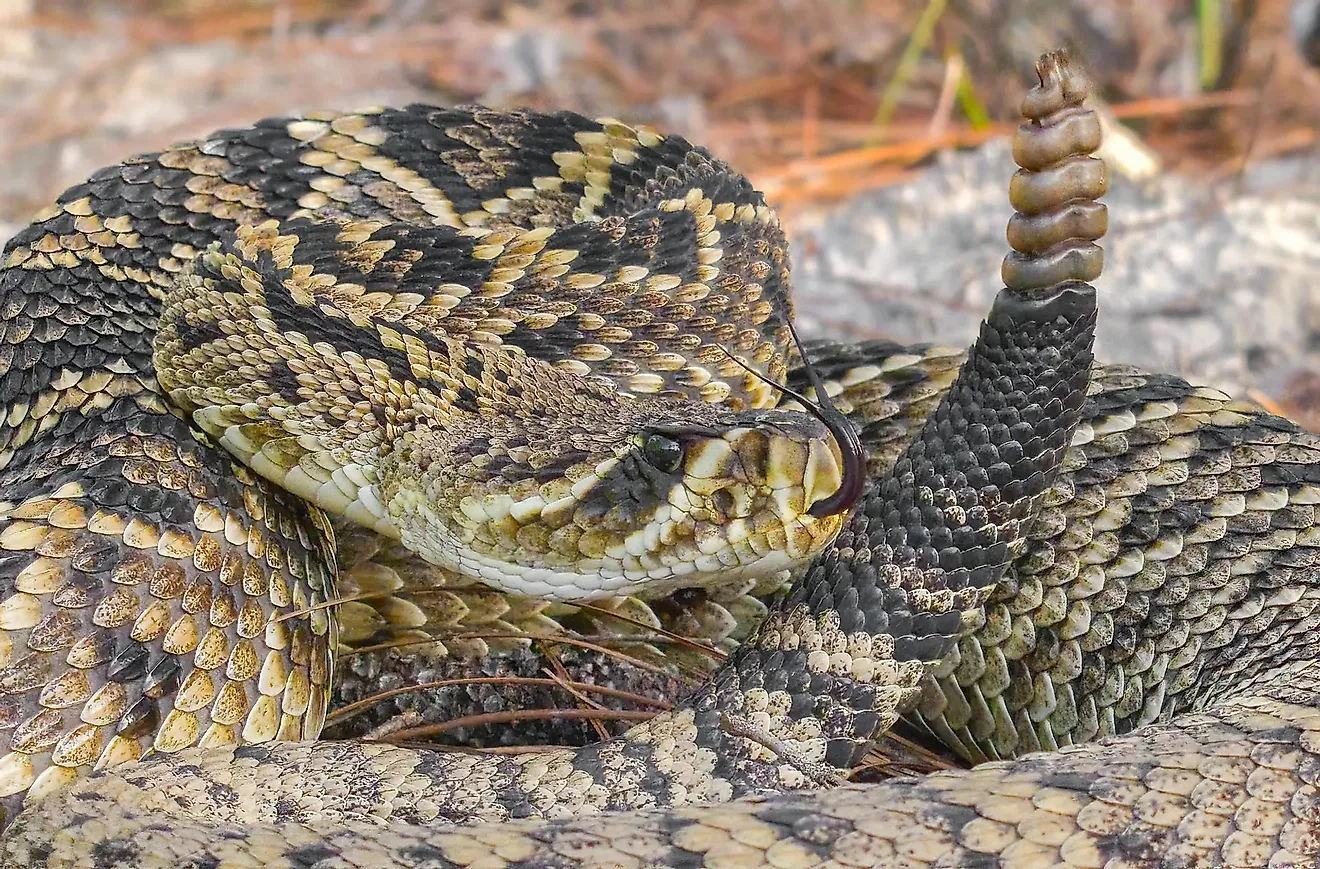
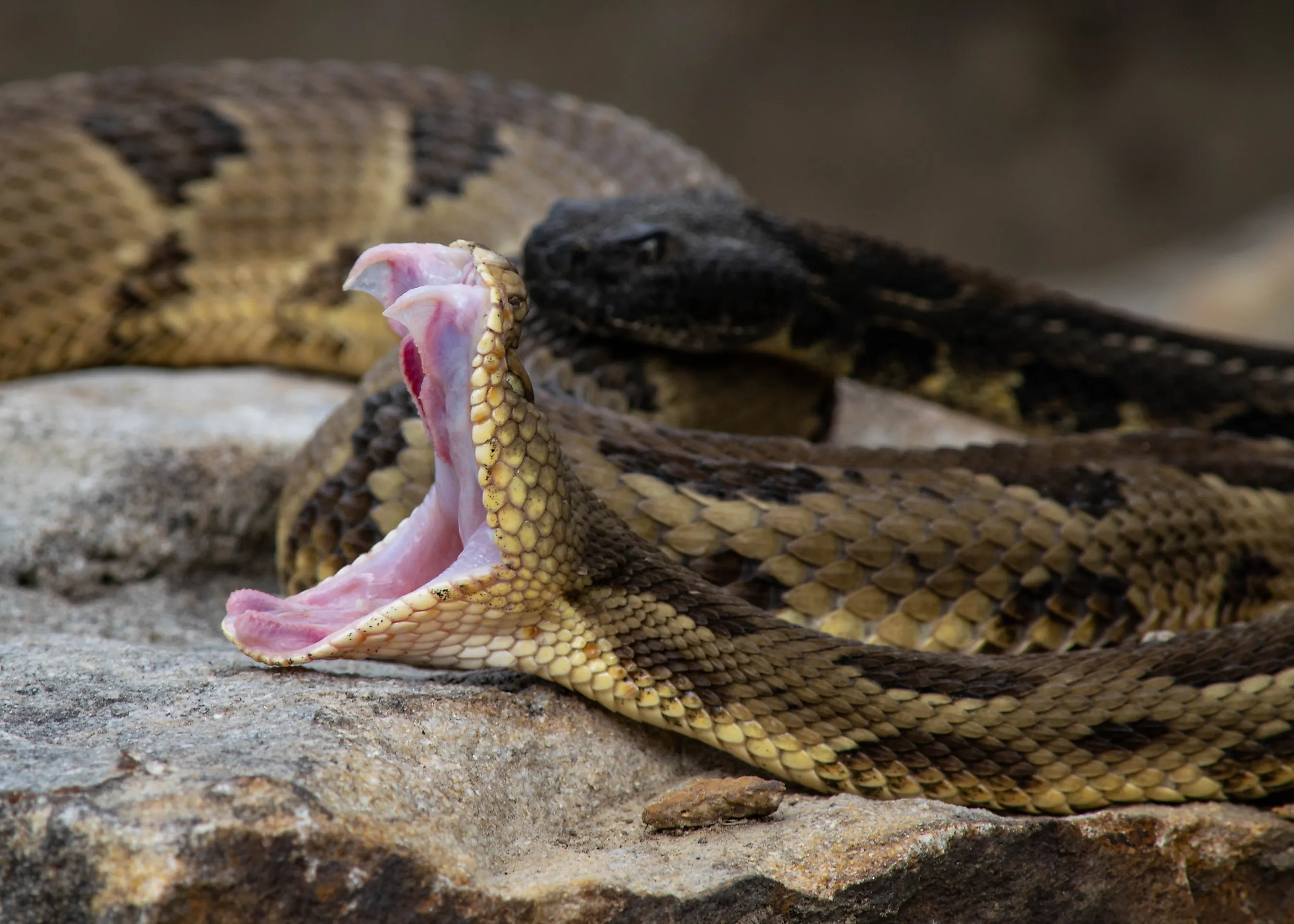
New England is home to over a dozen native snake species, each adapted to specific habitats across the region's six states. The only native venomous snakes are the timber rattlesnake (Crotalus horridus) and the northern copperhead (Agkistrodon contortrix). However, all are integral to the ecological health and biodiversity of the region. Several state parks across New England host a concentration of native snake species. These protected landscapes, from Houghton's Pond in Massachusetts to Watchaug Pond in Rhode Island, provide the forests, wetlands, and rocky terrain that many species rely on for survival.
Blue Hills Reservation

Blue Hills Reservation is a 7,000-acre state park in Norfolk County, Massachusetts. It combines wetlands, open summits, and wooded hills. Northern water snakes hunt by ponds and streams. The eastern garter snake prefers sunlit paths and stone clearings. Smooth green snakes (Opheodrys vernalis) appear in open meadow patches hunting insects and spiders.
Although the majority of snakes in New England are nonvenomous, the northern copperhead and timber rattlesnake exists in very limited parts of Massachusetts. A small population inhabits Blue Hills where they live in dense rock formations and by waterways. Copperheads are rare and shy. They are legally protected under the states endangered species regulations and should never be disturbed if seen.
The Houghton's Pond Loop passes wetlands where water snakes are active. The Skyline Loop Trail crosses open rock summits favored for basking. Staying on trails and careful observation near outcrops and dense understory reduces the likelihood of close contact.
Mount Tom State Reservation

Mount Tom State Reservation sprawls over 2,100 acres in the Connecticut River Valley of Massachusetts. Its basalt cliffs, mixed woodlands, and talus slopes create prime sunning spots for reptiles.
Mount Tom's basalt ridges are ideal denning sites for one of the state’s two venomous snake species, the timber rattlesnake. This shy and endangered snake is one of the Northeast's most closely monitored reptiles. South-facing craggy inclines warm quickly in spring, drawing snakes out of winter dens before the tree canopy fully leafs out.
The Bray Loop Trail passes through wetlands and pond margins where northern water snakes (Nerodia sipedon) patrol for fish and amphibians. The eastern garter snake (Thamnophis sirtalis) moves through grassy patches and stone outcrops. Eastern milk snakes (Lampropeltis triangulum) and ring-necked snakes (Diadophis punctatus edwardsii) occasionally appear in moist, shaded areas.
Chatfield Hollow State Park

Chatfield Hollow State Park lies within Killingworth, Connecticut. Its shaded ravines, stream valleys, and hardwood forests provide a mix of habitats for several snake species. Eastern garter snakes frequent forest trails and sunlit clearings. Northern ribbon snakes can be seen on warm afternoons near stone outcrops and marshy sidelines.
The Chatfield Trail winds through forest and rocky terrain where garter and milk snakes bask on warm patches of ground during late spring and summer. Near Schreeder Pond, the Paul F. Wildermann Boardwalk crosses marsh habitat. Northern water snakes and ribbon snakes travel across this quiet wetland corridor. Staying on marked paths, watching ground cover, and pausing before stepping over logs reduces the chance of startling a resting snake.
Bear Brook State Park

In southeastern New Hampshire, Bear Brook State Park is more than 10,000 acres of forest, open fields, and wetland habitats. Red-bellied snakes move through leaf litter in moist woods. Smooth green snakes and northern ribbon snakes appear in grassy fields and wetland perimeters. Northern black racers (Coluber constrictor) travel through open fields and by treelines.
The Bear Brook Trail runs through mixed woods and meadows where garter snakes and brown snakes can be spotted in morning sun patches. Around Catamount Pond and adjacent wetland trails, ribbon snakes and northern water snakes hunt through shoreline vegetation.
Aroostook State Park

Aroostook State Park sits on over 800 acres of lakeshores, upland forest, and bouldered hills just south of Presque Isle, Maine. The state has no established venomous snake population but it does support several nonvenomous species. Common gartersnakes, red-bellied snakes, and smooth green snakes inhabit the parks' forests, fields, and wetlands.
Hikers on the South Peak Trail toward the peak of Quaggy Jo Mountain will see snakes basking on rocks under midday sun. Observing footing near shoreline rocks and shaded forest ground reduces the chance of unexpected encounters.
Burlingame State Park

Burlingame State Park is in Charlestown, Rhode Island. It is centered around Watchaug Pond and connected to adjacent wildlife sanctuary land. The park's mix of wetlands, upland forests, meadows, and shorelines create ideal habitats for a variety of snakes.
Northern brown snakes (Storeria dekayi) live under logs and thickets in damp forest sections of the park. Northern water snakes prefer the region near Watchaug Pond, and eastern garter snakes travel through sunlit paths and forest boundaries. Eastern milk snakes sometimes appear along stone walls or under brush. The Vin Gormley Trail passes around Watchaug Pond where snakes hunt amphibians, rodents, and small fish.
Rocky Neck State Park

Rocky Neck State Park encompasses about 710 acres by the Long Island Sound in East Lyme, Connecticut. It features a mosaic of salt marshes, tidal rivers, and sandy dunes. Forest patches and coastal scrub dot the landscape. This coastal environment is home to several of southern New England's snake species.
Next to freshwater channels and tidal salt marshes, northern water snakes hunt small fish and amphibians. Eastern ribbon snakes hide in marsh grass and cattails near the Bride Brook area. The park's upland scrub and open forest patches also provide sanctuary for eastern garter snakes and smooth green snakes in warmer months.
Trails wind through salt marsh overlooks, forested thickets, and sandy shorelines where snakes can slip quietly among reeds. Eastern ribbon and northern water snakes can be spotted near water margins by the Four Mile River and its estuaries. These species are well camouflaged within the park and not easily seen without knowing where to look.
Pillsbury State Park

Pillsbury State Park spans more than 10,000 acres in Washington, New Hampshire. The park's remote landscape includes dense forests, beaver ponds, and lakes that support several snake species. These varied habitats provide the moisture, ground cover, and hunting grounds snakes rely on throughout the year.
Eastern garter snakes are the most frequently encountered species in the park. They travel along sunny trail edges, grassy clearings, and near wetland margins in search of frogs, worms, and small fish. Northern water snakes can be spotted along the shorelines of Pillsbury Lake and surrounding ponds where they hunt fish and amphibians. Northern red-bellied snakes hide under moss, logs, and leaf litter across the park's damp forest floor.
Trails around Pillsbury Lake and Five Summers Trail pass through waterways and mixed woods where snakes bask on warm rocks or slip quietly into vegetation.
Snake Diversity in New England State Parks
New England's snakes inhabit diverse environments. Several species are quite elusive and hide among crevices and under fallen logs or leaf litter. A few are more commonly seen by trails and water edges. These species play a critical ecological role in supporting the food web balance and regulating prey populations. Across these parks, the diversity of snakes demonstrates the ecological complexity of New England and the importance of preserving natural areas.
Understanding their habits and habitats encourages respect for these reptiles and supports safely exploring the region's state parks. Observing snakes from a distance minimizes risk, protects the reptiles, and supports conservation efforts.