The Best State Parks In The Pacific Northwest
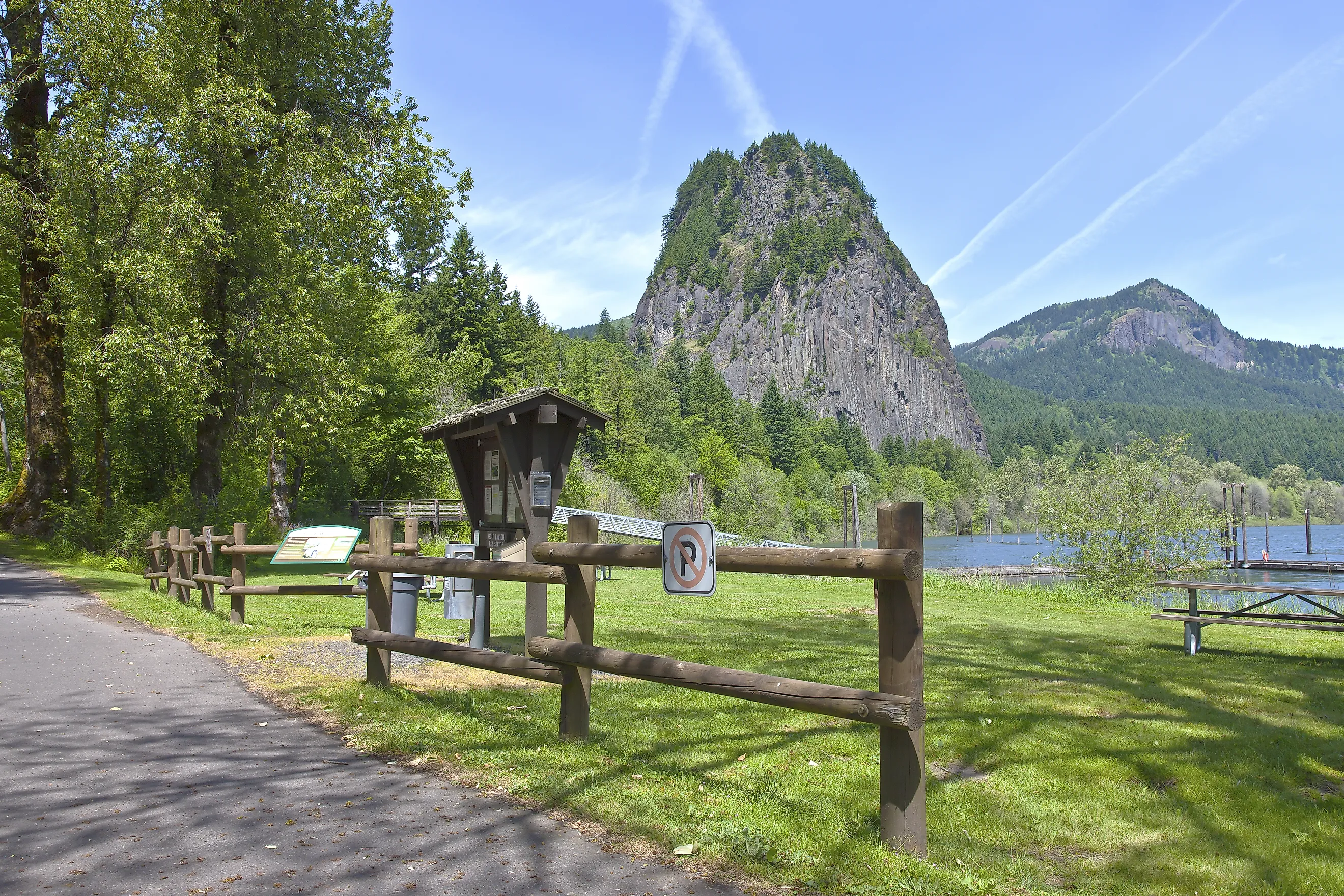
Beacon Rock rises 848 feet straight out of the Columbia River, the core of a volcano that Ice Age floods stripped down to bare basalt. An hour east of Portland, hikers can climb it on a trail of 52 switchbacks bolted to the rock face. That is one afternoon in one Pacific Northwest state park. Smith Rock draws climbers from around the world to its tuff spires in the Oregon high desert, Silver Falls hides ten waterfalls in a rainforest canyon, and Wallowa Lake sits at the foot of 9,000-foot peaks in the state's remote northeast corner. These are some of the best state parks in the Pacific Northwest, smaller and easier to reach than the region's famous national parks.
Beacon Rock State Park, Washington

Beacon Rock is a basalt spire on the north shore of the Columbia River, the largest river in the Pacific Northwest. Just a short drive from Portland, Oregon, the park offers year-round views of the water as it runs through the cliffs of the Columbia River Gorge. With ample height for climbers and plenty of trail space for hikers, horseback riders, and cyclists, Beacon Rock has lots to do. The park also has a few campgrounds, along with first-come, first-serve picnic tables for hungry guests. A day-use pass costs $10 as of August 2026, while annual passes sell for $45. Winter closures are posted on the park's winter schedule page, though the park is typically open from 8 a.m. to dusk year-round.
Wallowa Lake State Park, Oregon

High in the remote Wallowa Mountains, Wallowa Lake is a good spot for campers and hikers looking for a longer trip. With easy access to the peaks and to the lake itself, the park has plenty of beach space along the shore for relaxing, plus picnic tables and spots for fishing. The Wallowa Lake Marina is open seasonally, giving guests a chance to rent or moor watercraft like kayaks and motorboats. Anglers can buy fishing licenses, bait, and tackle at the marina store.
The site suits hikers, horseback riders, and anyone who loves the outdoors. Deer and other wildlife move through the area, and the crests of the nearby mountains open onto miles of high-country trails. Campers can reserve the park's 88 tent sites, 2 yurts, and 121 full-hookup sites online up to six months in advance, while day-use parking permits are sold on-site. Camping stays open through the winter, but on-site water is shut off between October and mid-May, so plan accordingly.
The park sits on the traditional lands of the Nimiipuu, also known as the Nez Perce, and is close to several historic sites, including Nez Perce National Historical Park and the Iwetemlaykin State Heritage Site at the foot of the lake.
Silver Falls State Park, Oregon

Few places show off the rainforests of the Pacific Northwest better than Silver Falls State Park. About 20 miles east-southeast of Salem, near the town of Silverton, the largest state park in Oregon spreads across more than 9,000 acres of thick pines, deciduous trees, ferns, and moss. Trails criss-cross the park, and some lead right up to the waterfalls it is famous for. One hike passes behind the 177-foot curtain of water known as South Falls, and the 7-mile Trail of Ten Falls continues past nine more.
The park has more than 20 miles of trails open to hikers, cyclists, and horseback riders. Day-use areas include large open lawns, barbecue stands and picnic areas, playgrounds, horseshoe pits, an off-leash dog area, and a "Nature Play" space. Cougars and bears live in parts of the park, so visitors should come prepared. A one-day parking permit is sold on-site.
Battle Ground Lake State Park, Washington

North of Vancouver, Washington, Battle Ground Lake State Park feels like a world away. Tall, slender evergreens ring a spring-fed lake that formed in a small volcanic crater, a maar left by a steam explosion tens of thousands of years ago. The water is good for swimming, paddling, and fishing, and the park has campgrounds, picnic tables, and trails open to hikers, equestrians, and cyclists, though there are no designated bike paths. A boat ramp handles non-motorized craft, and only electric motors are allowed on the lake.
The park is open from 6:30 a.m. to dusk in summer and 8 a.m. to dusk in winter. A Washington Discover Pass costs $10 for the day or $45 for the year. Other fees include $10 per night for vehicles left unattended, $7 to launch a watercraft for the day, and a $5 trailer dump fee.
Smith Rock State Park, Oregon

Like something out of an old western, Smith Rock juts up jagged from the high-desert landscape of central Oregon. The tuff spires rise from a small valley as the Crooked River bends around their base. The park is famous among rock climbers, with several thousand routes, including more than 1,000 bolted lines. Casual visitors can take on the tougher hikes or relax along the shores of the Crooked River. The trails offer wide views of the Oregon wilderness, and Smith Rock is home to mule deer, beavers, river otters, and prairie falcons, though some routes close between mid-January and August to protect nesting golden eagles and falcons. Visitors can camp from early spring into the fall, provided they bring their own tent or RV. A day-use parking permit is required and can be bought on arrival.
Planning Your Trip
What ties these five parks together is range. Beacon Rock and Smith Rock reward climbers with volcanic rock, Silver Falls and Battle Ground Lake trade cliffs for waterfalls and a crater lake, and Wallowa Lake pushes into true alpine country. All five stay open year-round in some form, all five sit within a few hours of a major city, and none demands the planning a national park trip does. Pick the landscape that suits the weekend, and check each park's seasonal schedule before you go.