5 Rattlesnake Hotspots In Arizona
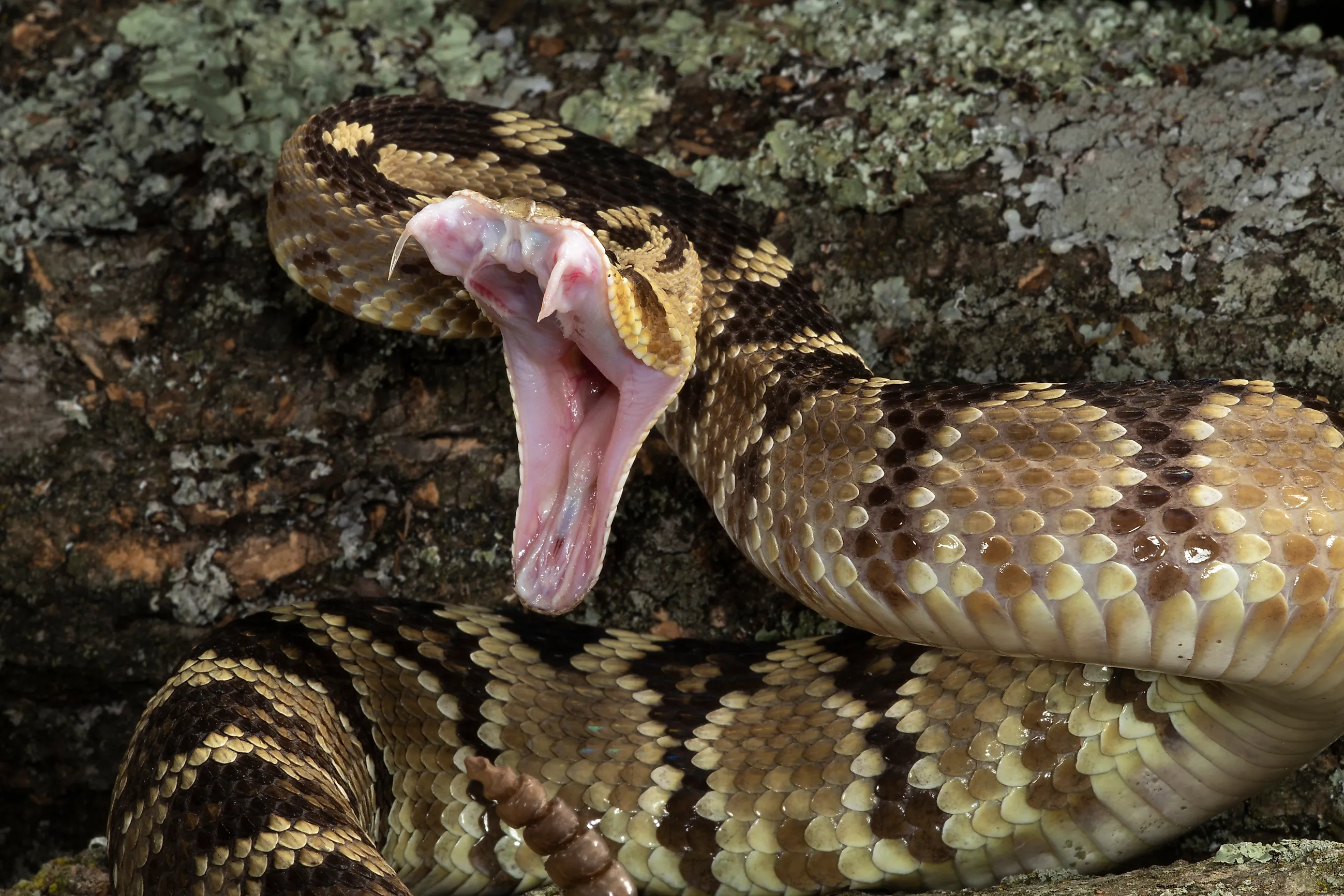
Arizona has around 52 snake species, including both venomous and non-venomous, placing the state near the top among U.S. states for overall snake biodiversity. And for rattlesnake species specifically, Arizona has more than any other state, with 13 documented statewide, including Western diamond-backed, Mohave, Northern black-tailed, sidewinder, and others. There are also three subspecies of the sidewinder.
Arizona’s snake biodiversity isn’t evenly distributed across the state. Strangely, snakes seem to enjoy the same popular tourist spots as people do, appearing along well-trodden hiking trails, desert preserves, and iconic outdoor landmarks. That reality shouldn’t deter you from exploring one of the most snake-diverse states in the U.S., as long as you head out with a few practical safety tips in your back pocket, like watching your step, giving snakes on trails plenty of space, and hiking during daylight hours. So pack a water bottle, sunscreen, and a hat, and head out to explore some of Arizona’s most famous outdoor destinations, such as Saguaro National Park, South Mountain Park and Preserve, McDowell Sonoran Preserve, Camelback Mountain, and Red Rock State Park, keeping in mind that these landscapes are also rattlesnake hotspots.
Saguaro National Park

Saguaro National Park covers over 91,000 acres, divided into two sections: the larger Rincon Mountain District in the east and the smaller Tucson Mountain District in the west. The park spans both sides of Tucson and protects a large stretch of Sonoran Desert, preserving towering saguaro cacti, iconic desert wildlife such as coyotes, cougars, and bobcats, over 200 bird species, tarantulas, scorpions, and rattlesnakes. Widely considered one of the top rattlesnake hotspots in the U.S., Saguaro National Park is home to six different species, including the largest rattlesnake in the western U.S., the Western Diamond-backed rattlesnake. Keeping the rattlesnake company in the park are the Tiger, the Sidewinder, the Mohave, and the rarely-spotted Arizona Black rattlesnake.
South Mountain Park & Preserve

The South Mountain Park & Preserve is a 16,000-acre park that encompasses the Ma Ha Tauk, Gil, and Guadalupe mountain ranges. One of the largest city parks in the U.S., South Mountain rises abruptly into a rugged wall of peaks along the southern edge of the capital city of Phoenix. It is a favorite among outdoor adventurers who enjoy hiking, biking, or horseback riding along its 58+ miles of trails, many of which were first blazed in the 1930s. For visitors who prefer a less strenuous way to enjoy the mountain, take the South Mountain Park Road to Dobbins Lookout, a classic scenic drive up to one of the city’s most iconic landmarks.
The park and preserve is home to several rattlesnake species, including the Southwestern speckled rattlesnake, which is known to match its color and pattern to that of the mountain on which it lives. This color change can be extreme, ranging from orange and red to white, grey, yellow, and any combination in between. In Phoenix, the grey and light-blue variations are found on South Mountain.
McDowell Sonoran Preserve

At 30,500 acres, the McDowell Sonoran Preserve is the largest urban preserve in the United States. It serves as a gateway to the vast Sonoran Desert, the hottest and most biodiverse of any desert in North America. A magnet for nature lovers, the free-of-charge preserve is accessible via 11 easy-to-find trailheads across Scottsdale, offering residents and visitors an easy escape from big-city life and access to over 230 miles of shared-use trails. While hiking is a favorite pastime in the preserve, other adrenaline-pumping activities are available, including mountain biking and challenging rock climbing opportunities in areas like Tom’s Thumb, Sven’s Slab, and Gardener’s Wall.
Four rattlesnake species are commonly seen in the preserve, where they are protected: the Mohave, tiger, Western diamond-backed, and Western black-tailed. To ensure a safe visit and avoid encountering a rattlesnake in the preserve, hike on designated trails, stay alert, and don’t put your hands or feet where you can’t see them. If you do happen to see a rattler, move slowly away from the rattlesnake and warn other hikers in the area.
Camelback Mountain

Another world-class hiking and climbing destination attracting visitors from around the globe, Camelback Mountain is an iconic 2,704-foot peak in Phoenix, named for its two rock formations that resemble the head and back of a kneeling camel. There are two challenging hiking trails on the mountain: the steeper 2.4-mile round-trip Echo Canyon Trail and the longer 2.9-mile round-trip Cholla Trail. While both trails are considered extremely difficult, with uphill climbs that take two to three hours depending on your fitness level, the 360-degree city views are well worth the workout.
The mountain is home to native species such as the desert tortoise, Harris antelope squirrels, the cottontail rabbit, and the Chuckwalla lizard. The chances of encountering the occasional Southwestern speckled or Western diamondback rattlesnake are rumored to be better on the Cholla, so be on the lookout as you navigate the narrow trails. The real danger on Camelback Mountain isn’t a chance meeting with a venomous rattler; it is the lack of preparedness and the intense Arizona heat. For this reason, there’s a helipad halfway up the mountain, sometimes used to airlift hikers who underestimate the challenge.
Red Rock State Park

Red Rock State Park is a 286-acre nature preserve and education center near Sedona, known for its spectacular red rock scenery and a wildlife-rich habitat along Oak Creek. The park offers visitors plenty of opportunities to see mule deer, javelina, and coyotes, and even catch a glimpse of venomous rattlesnakes that call the park home, including black-tailed and Arizona black rattlesnakes.
While the park offers equestrian and biking trails, the main attraction is a family-friendly 5-mile trail network that loops through the scenic desert landscape. Start your day trip at the Miller Visitor Center, where you can watch films in the theater, enjoy hands-on exhibits, and learn about the history and wildlife in the park before setting off to explore it for yourself. There’s also a Junior Ranger program for kids ages 4-12, a park store, cold drinks, and snacks.
Iconic Parks, Native Wildlife
Arizona’s most famous outdoor destinations double as some of the best places to encounter rattlesnakes in the wild. From Tucson to Phoenix to Sedona, these popular parks and preserves are located in prime Sonoran Desert habitat. Saguaro National Park, often considered one of the top rattlesnake hotspots in the U.S., is home to six rattlesnake species. Closer to Phoenix, South Mountain Park & Preserve, the McDowell Sonoran Preserve, and Camelback Mountain, combined, offer rugged desert terrain with sweeping views and multiple rattlesnake species along heavily hiked trails. Farther north, Red Rock State Park near Sedona shares its striking red rock scenery with a healthy population of black-tailed rattlesnakes. With simple safety precautions, including paying attention to your surroundings, these five iconic rattlesnake hotspots can be explored safely, snakes and all.