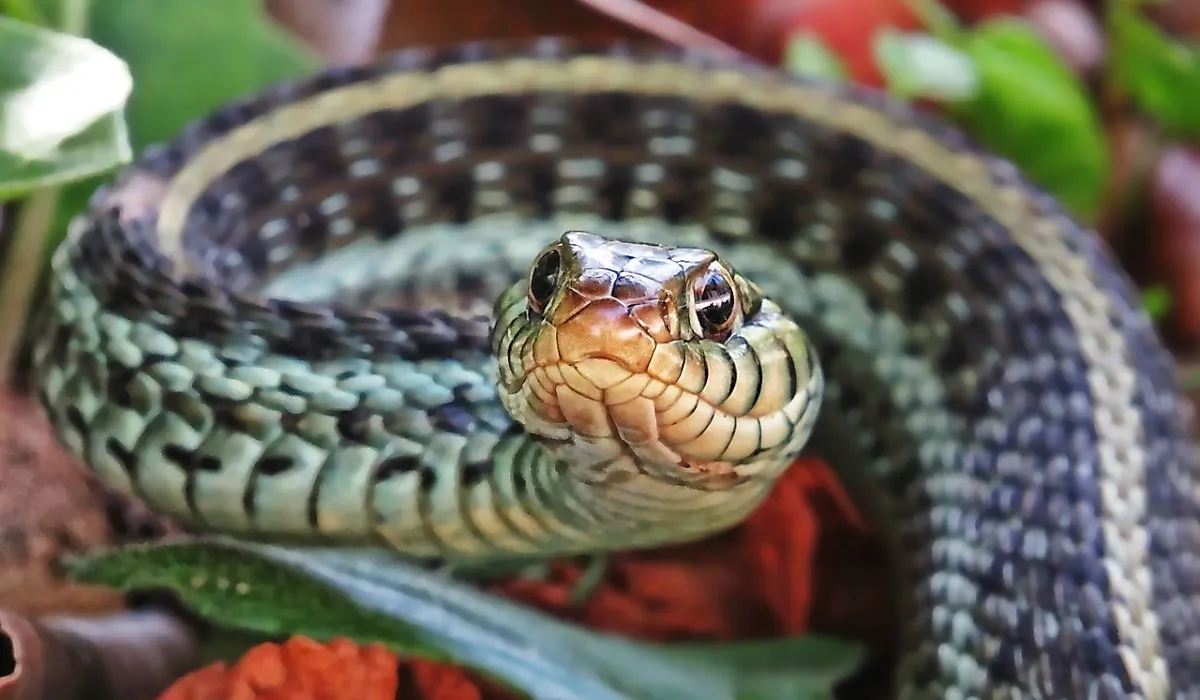
7 Snake Infested State Parks In Michigan
Michigan’s state parks draw hikers, anglers, paddlers, and beachgoers, yet many of those who visit also share the landscape with an often overlooked class of animals: snakes. From the cedar swamps and wet meadows of the Upper Peninsula to the dune ridges and inland marshes of the Lower Peninsula, a variety of snake species live in habitats that range from large forests to small prairie fens. Those visiting Michigan’s state parks are likely to find snakes in particular habitats like wetlands, dunes, rivers, and shoreline areas. Michigan is home to many species, including the eastern massasauga rattlesnake, a wetland-associated species that is locally restricted and protected, as well as many of the state’s harmless and nonvenomous snakes. Read below to discover practical notes on where marshes, dunes, river corridors, and wetlands concentrate snake activity, and guidance for experiencing Michigan’s wild places with respect for wildlife and personal safety.
Porcupine Mountains Wilderness State Park

The Porcupine Mountains Wilderness State Park covers roughly 60,000 acres of upland forest, riparian corridors, cedar wetlands, and shoreline where reptiles adapt to a cooler, northern climate. Along trails and at overlooks such as Lake of the Clouds, visitors most commonly encounter the eastern garter snake, which uses forest edges and sunny rocks for basking, and the small, secretive red-bellied snake, which favors leaf litter, moss, and decaying logs for cover and hunting small invertebrates. In wet, nearshore stretches and along small streams, the northern water snake may be observed foraging for amphibians and small fish, particularly on warm afternoons when basking is frequent. Because much of the park is remote, sightings are often brief, and detection increases on warm, clear days when snakes actively thermoregulate.

Hikers who use established trails and scan boardwalk edges and rock outcrops are most likely to notice these species. Park staff and regional naturalists encourage reporting unusual observations so that long-term records can help monitor local distributions and support conservation planning for the park’s wetland and shoreline habitats.
Tahquamenon Falls State Park

Tahquamenon Falls State Park protects a broad mosaic of riverine forest, waterfalls, oxbow ponds, and sedge-lined wetlands along the Tahquamenon River, centered on the scenic Upper Falls. The park’s wet margins and beaver-influenced ponds support a suite of water- and wetland-associated snakes. Observers commonly record the northern water snake along stream banks and in shallow pools where frogs and small fish are abundant, and the eastern garter snake along trail edges, meadow corridors, and riparian openings. Because the eastern massasauga rattlesnake, Michigan’s only venomous snake, is a wetland specialist, the type of marsh, sedge meadow, and fen habitat present in and near Tahquamenon Falls has been the subject of targeted surveys and conservation attention where suitable open wetlands occur within the broader region.

Sightings of rare, localized species prompt notification of park staff and resource managers so that habitat protection and visitor safety measures can be coordinated. Traveling with care around marsh channels, keeping pets leashed, and avoiding stepping into tall sedges will reduce the chance of startling any snake encountered in wetland margins.
Warren Dunes State Park

Warren Dunes State Park features dramatic dune ridges, sheltered interdunal hollows, and inland marsh pockets above the Lake Michigan shoreline, with the Great Dune forming a focal landmark for visitors and naturalists. The park’s mix of sunny dune slopes, grassy dune edges, and sheltered wet hollows creates habitat for snakes that are adapted to shoreline mosaics. The eastern foxsnake, a species associated with Great Lakes shoreline emergent wetlands and dune-adjacent grasslands, has historically been documented in coastal dune systems and is a species of state conservation concern where it persists. The eastern garter snake is common on dune-edge grasses and in vegetated hollows, taking advantage of abundant amphibian prey in wet depressions, while smaller, secretive species such as the northern ring-necked snake may shelter beneath rocks, driftwood, and vegetation at dune bases.

Because dune soils shift and emergent wetlands are fragile, staying on designated trails, avoiding trampling of vegetated hollows, and giving wildlife space are important practices that protect both snakes and the specialized dune community they depend upon. Regional monitoring informs management actions that seek to maintain the interdunal wetland patches foxsnakes and other species require.
Holland State Park

Holland State Park frames the Big Red lighthouse and a busy channel where Lake Macatawa meets Lake Michigan, and just beyond the picnic areas, the shoreline, bluffs, and marsh margins provide microhabitats for several snake species. The northern water snake uses channel banks, rock piles, and shallow shoreline pools for hunting fish and amphibians, and is often seen sunning on rocks or logjams. The eastern garter snake is a frequent sight on sandy trail margins and grassy dune edges where it pursues earthworms, amphibians, and small rodents. In sandy, loamy patches and dune-adjacent soils, the eastern hog-nosed snake may be encountered; although it is nonvenomous, it employs dramatic defensive displays and prefers areas where it can forage for amphibian prey and use shallow burrows.

Shoreline visitors who explore rock piles or the channel banks should move deliberately and allow wildlife room to retreat, while following park guidance and staying on maintained paths protects both habitat and people. Park staff emphasize that reporting unusual sightings supports local conservation knowledge and helps protect sensitive shoreline areas.
Sleepy Hollow State Park

Sleepy Hollow State Park centers on Lake Ovid and contains a layered landscape of mixed hardwood forest, meadow margins, wet channels, and equestrian corridors where snakes exploit the transition zones between woods and marsh. Along the lake’s marshy edges and beaver-influenced channels the northern water snake forages for fish and amphibians, often moving into shallow coves and reedbeds during warm daylight hours. The eastern garter snake is widespread on trail margins, meadow edges, and sunlit logs where it basks and pursues amphibian and invertebrate prey. Open field and stone-edge microhabitats within the park provide opportunities for the eastern milk snake, which preys on small mammals and occasionally other reptiles and uses cover objects such as rock piles and old fence rows for shelter.

Because many park trails skirt wetland margins, riders, hikers, and anglers are reminded to keep to marked routes, scan ahead on uneven ground, and keep pets close to reduce startling any snake within dense vegetation. Park interpretive resources and maps help visitors identify wetland areas and learn the differences between nonvenomous species and the protected eastern massasauga, where it occurs regionally.
Ludington State Park

Ludington State Park occupies a long stretch of Lake Michigan shoreline, sand plains, river corridor, and inland marshes around the Big Sable Point Lighthouse, and those varied habitats support snakes adapted to dunes, riparian edges, and wet pockets. The eastern garter snake is common on dune edges and forest openings where sunlight and prey are available, often seen basking on trail margins and fallen logs. The northern water snake uses the Big Sable River corridor, beaver ponds, and marsh pockets for hunting frogs and small fish, and is most visible where logs, rock piles, and shoreline debris provide basking sites. Along low, sheltered shoreline fields and emergent wetland pockets the eastern foxsnake or similar shoreline-associated species may use tall grasses and sedge margins for cover and hunting, particularly in sheltered coves and old-field edges.

Visitors who traverse dune boardwalks and river trails should watch their footing, avoid reaching into crevices, and report any sightings of rare species to park staff so resource managers can maintain updated occurrence records for conservation planning. Interpretive programs at Ludington highlight the interplay among dunes, rivers, and wildlife and emphasize respectful wildlife viewing.
Waterloo Recreation Area

Waterloo Recreation Area encompasses a broad complex of lakes, restored prairie, fen and marsh restorations, and upland woods, with features such as dry marsh and many inland lakes that attract wetland specialists and generalist snake species. The eastern massasauga rattlesnake has historic and localized relevance in the wider region where prairie fens, sedge meadows, and open wetlands persist, and such wetland restorations in the Waterloo landscape are the type of habitat that could support localized massasauga populations or other wetland specialists. The eastern foxsnake is part of the regional snake community that uses shoreline, emergent marsh, and old-field edges, often relying on a combination of wetland and upland habitats for foraging and shelter. The eastern garter snake is widespread across pond margins, trail edges, and forest-meadow interfaces within the recreation area, where it feeds on amphibians, earthworms, and small mammals.

Because Waterloo contains restoration projects, prairie remnants, and sensitive fen habitat, park staff and regional biologists encourage reporting of rare or unusual sightings and collaboration with resource managers so that monitoring and targeted conservation actions can proceed where needed.
Before You Go: Safety and Stewardship
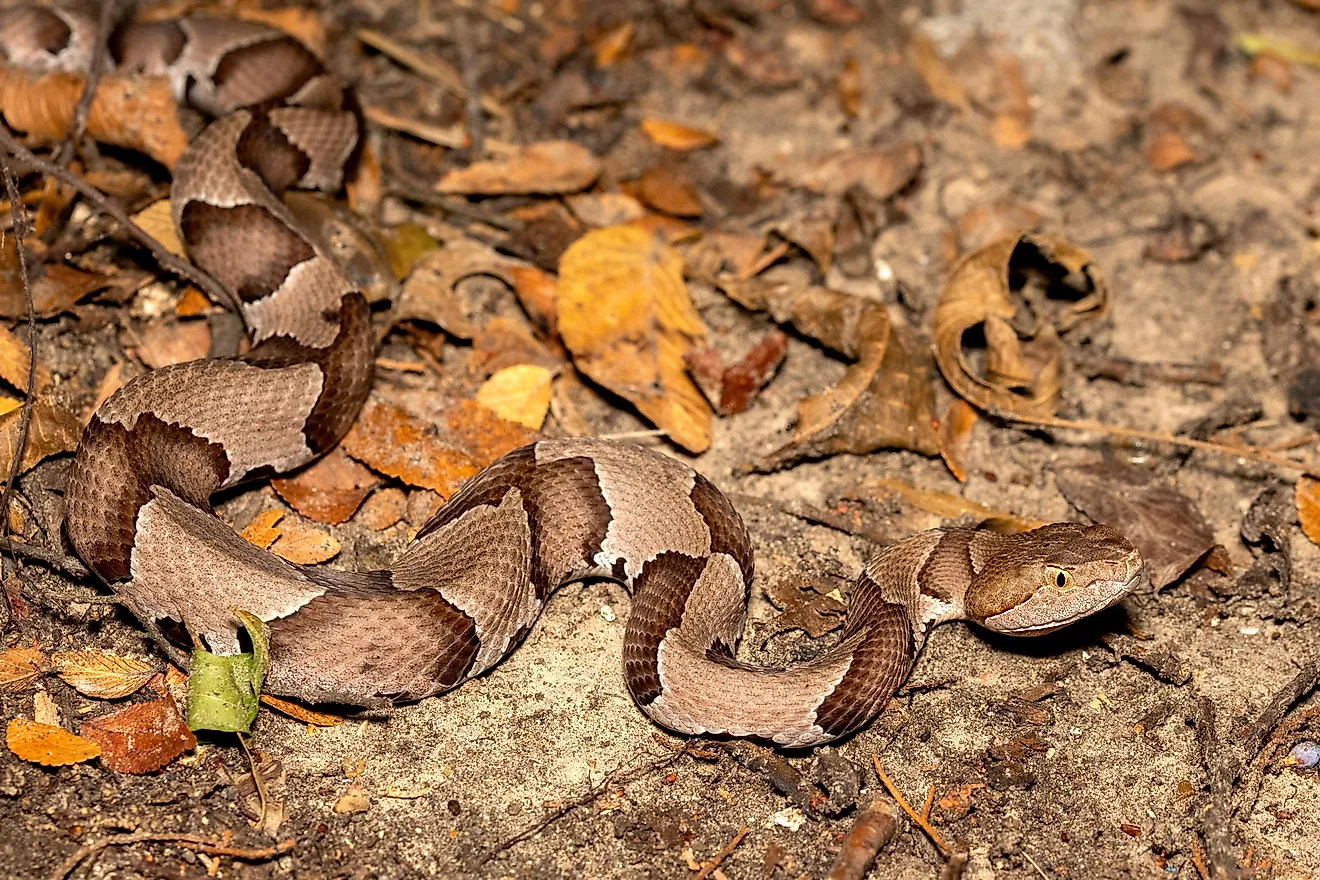
Encountering a snake in the field is often an exciting reminder that wild places remain ecologically active. The vast majority of Michigan’s snakes are nonvenomous, and common species include garter snakes, racers, and water-associated snakes that play useful roles in controlling insect and rodent populations. The eastern massasauga rattlesnake is a venomous species with a restricted distribution, and it uses prairie fens, sedge meadows, and certain cedar-swamp habitats; it is protected and should never be handled. When visiting any state park, stay on marked trails, keep pets on leash, wear sturdy footwear on uneven ground, watch where hands and feet go while climbing over logs or rocks, and resist the urge to pick up animals. If bitten by any snake, seek immediate medical attention. Reporting observations of rare or protected species to park staff and the Department of Natural Resources helps scientists track populations and prioritize conservation. With common-sense precautions and respect for wildlife, visitors can enjoy Michigan’s forests, dunes, rivers, and wetlands while minimizing risk to themselves and to the animals they see.