The 4 Most Alligator-Filled Swamps In Louisiana
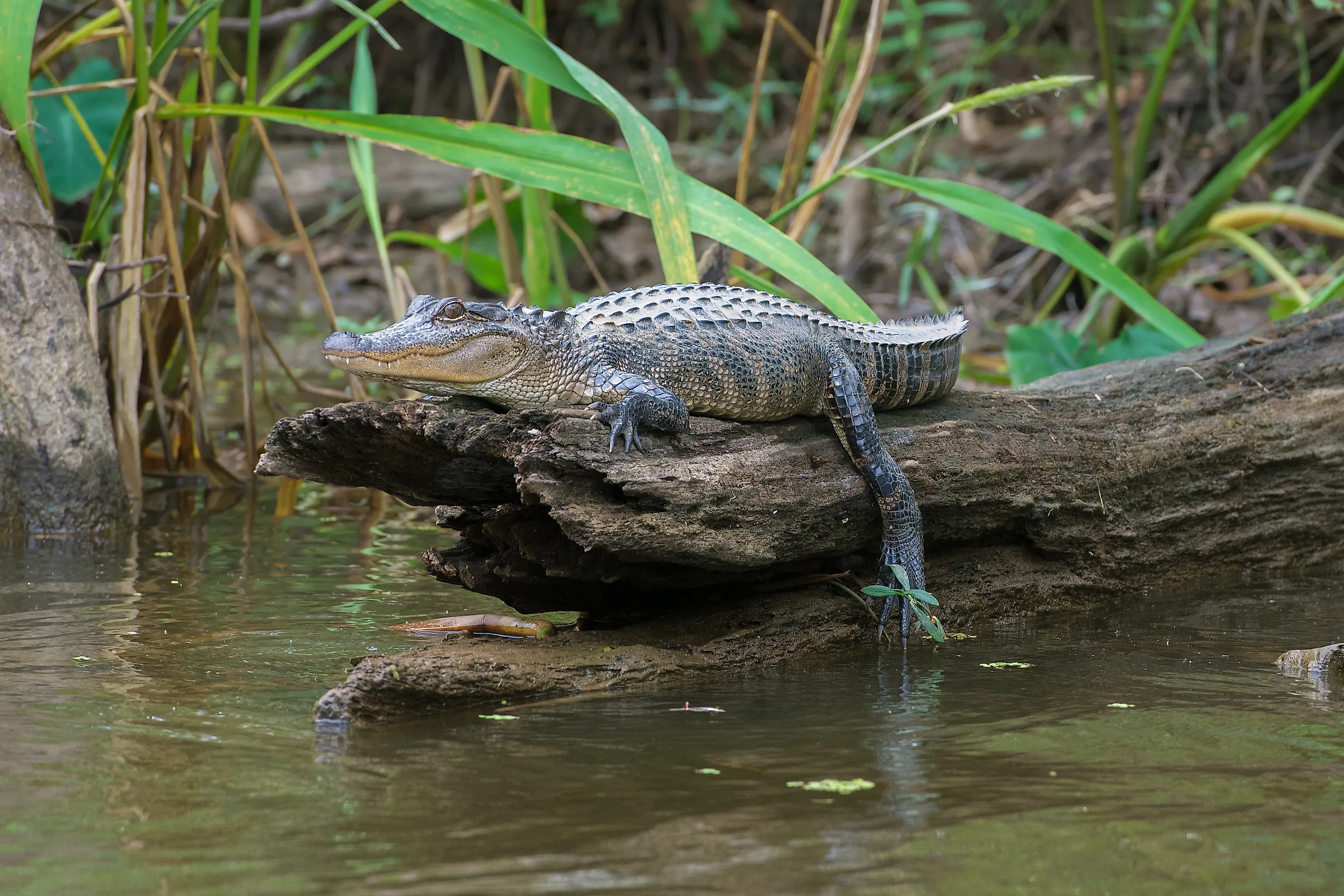
Louisiana’s swamps are legendary for their jungle-like landscapes, winding bayous, and teeming wildlife, but they are perhaps best known for their American alligators! These large reptiles thrive in the state’s warm waters, where stands of aquatic trees, floating vegetation, and shallow channels create perfect habitats for them to thrive year-round.
From vast floodplains to hidden backwater swamps, the Pelican State also offers some of the highest concentrations of temperate parklands in the country, which attract both wildlife enthusiasts and photographers. If you decide to discover one or more of them for yourself anytime soon, here are some of the hotspots to look out for.
Atchafalaya Swamp

The Atchafalaya Basin is the largest river swamp in the United States and is widely regarded as the most alligator-dense landscape in Louisiana. Fed by the Atchafalaya River, this vast floodplain spans the south-central portion of the state and supports a diverse array of temperate habitats year-round.
Its numerous slow-moving bayous, cypress swamps, and seasonally flooded forests provide the warm, shallow waters ideal for nesting and feeding. Furthermore, alligators here benefit from an abundance of prey, including fish, turtles, waterfowl, and even nutria.

Population surveys consistently rank the basin among the state’s highest for wild alligator numbers, with adults commonly seen basking along banks or drifting just below the surface, making sightings on even brief visits almost guaranteed. Although it's relatively close to major human population centers like Baton Rouge and New Orleans, the area’s limited development and complex waterways allow these creatures to thrive largely undisturbed.
Honey Island Swamp

Honey Island Swamp lies in eastern Louisiana between the Old Pearl River and Lake Pontchartrain near the Gulf Coast, and is one of the least altered swamp systems in the state. This swamp is dominated by stands of bald cypress and tupelo gum, with peat-rich soils that retain heat and support a dense array of aquatic life. That, on top of its lazy blackwater channels, floating vegetation mats, and frequent flooding, creates ideal conditions for alligators. Given this, the swamp’s food web is also unusually productive, supporting frogs, gar, bowfin, turtles, and wading birds that sustain larger adult alligators, too.

Water depths in the region fluctuate seasonally, allowing local alligators to access shallow nesting areas in the summer and deeper bayous in the cooler months. Limited road access and minimal development have also kept human disturbance low, further contributing to stable populations. For those who do venture in, however, sightings are common along narrow bayous where fallen logs and muddy banks provide ample resting sites and ambush cover.
Manchac Swamp
Manchac Swamp stretches along the Pass Manchac land bridge between Lake Pontchartrain and Lake Maurepas and is one of Louisiana’s most visible alligator habitats from a major roadway (the I-55). Like many of the other destinations on this list, this swampland is defined by open cypress stands, shallow brackish water, and slow tidal movement influenced by nearby bodies of water (mostly both the aforementioned lakes).
These slightly salty conditions reduce competing predators while remaining well within alligator tolerance levels. Additionally, thick vegetation, tons of submerged and floating logs, and remote banks serve as cover for juveniles and prime basking areas for adults. Moreover, Manchac's various canals and bayous warm quickly in summer, accelerating feeding opportunities and growth for all of its flora and fauna.
Fish such as mullet and catfish, along with turtles and waterfowl, form a steady food supply and make this spot popular among hunters and anglers, too, so whether on land or water, always watch out for where you're going.
Barataria Preserve

Barataria Preserve, part of Jean Lafitte National Historical Park and Preserve, sits southwest of New Orleans within the Mississippi River Delta. Boardwalk surveys and wildlife monitoring in Barataria consistently record high alligator presence, especially along interior canals and pond edges.
This swamp boasts a nice mix of freshwater marsh, hardwood bottomland, and yet more cypress-filled stands, shaped by subsidence and meandering, sediment-rich water. A series of ponds and narrow bayous warms quickly during the day, creating idyllic conditions for alligator nesting and the survival of vulnerable juveniles.

Furthermore, sizable swaths of floating marsh grasses and fallen cypress provide excellent habitats for cold-blooded reptiles. At the same time, levee breaches allow for periodic nutrient inflow, which boosts fish and amphibian populations. Otherwise, blue crabs, gar, frogs, and turtles form a reliable food base that local gators regularly use.
The numerous swamps in this Deep Southern state offer a unique glimpse into a world where alligators often dominate the waterways. These wetlands, with their intricate bayous, diverse forests, and nutrient-rich waters, support some of the densest alligator populations in the country, in fact.
Visiting these areas provides a superb chance to witness these apex predators in their natural habitats while experiencing the other fascinating ecology and history of the region as well. But even when not drawing in crowds of sightseers, Louisiana's swamplands remain a vital stronghold for alligator conservation and wildlife observation.