8 Most Rattlesnake Infested Areas in North Carolina
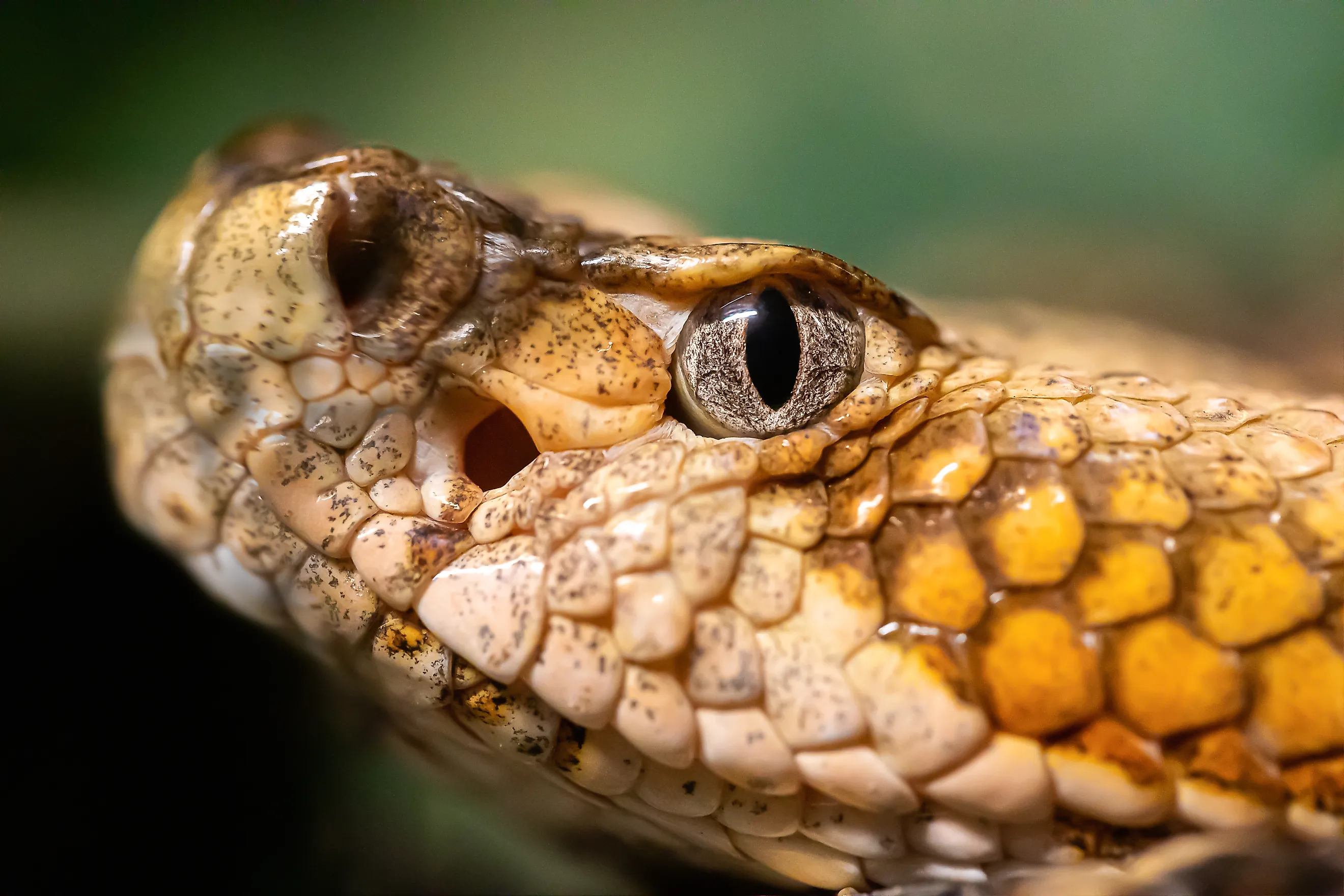
North Carolina is home to three species of rattlesnakes. The timber rattlesnake (Crotalus horridus), the eastern diamondback rattlesnake (Crotalus adamanteus), and the pygmy rattlesnake (Sistrurus miliarius). Each species has distinct habitat preferences and geographic ranges within the state.
Timber rattlesnakes are widespread across the western and central mountains of North Carolina, inhabiting rocky ridges, forested slopes, and river valleys. Eastern diamondback rattlesnakes are rarer. But, they can be found in the southeastern Coastal Plain and sandy habitats near river systems. Pygmy rattlesnakes are in the Sandhills region and Coastal Plain. They are particularly found in sandy woodlands, marsh edges, and along creeks.
Rattlesnakes live in many parts of the state. Knowing their locations helps you stay safe during warmer months when they are most active. They can be found in public areas like state parks, national forests, riverside trails, and wildlife management zones.
Stone Mountain State Park

In northwestern North Carolina, Stone Mountain State Park is known for its massive granite dome, steep rock faces, and deeply cut stream valleys. A classic habitat for timber rattlesnakes. Broad, sun-exposed granite surfaces are prime basking terrain. The surrounding hardwood forests and rocky talus slopes offer shelter and denning crevices.
Timber rattlesnakes can be found on the Stone Mountain Loop Trail, near the granite dome and Hutchinson Homestead sections where rock meets forest edge. They can also be near Widow's Creek and the Middle Prong Roaring River, where riparian corridors concentrate prey. The park's mix of exposed stone, forest cover, and flowing water supports the species's full seasonal cycle of basking, hunting, and overwintering.
Pisgah National Forest

Pisgah National Forest is over 500,000 acres of hardwood forests, rocky stream valleys, and high-elevation ridges. Timber rattlesnakes are present in this forest, in areas like the Linville Gorge and the Davidson River corridor. The combination of rock faces, steep slopes, and forested riparian zones gives snakes cover and hunting grounds.
Hikers in areas such as the Art Loeb trail or paddlers exploring the banks of the Davidson River should be mindful of rattlesnake habitats. Snakes often remain motionless and camouflaged. Calmly back away if you spot a rattlesnake. They prefer to avoid conflict but may strike defensively if they feel endangered.
Mount Mitchell State Park

Mount Mitchell State Park is home to the highest peak east of the Mississippi River. It features rocky ledges, cliffs, and dense mixed hardwood forests. The park's numerous sun-warmed boulders are prime basking areas for timber rattlesnakes. Streams and drainage areas also support favorable hunting grounds.
Within the southeast Appalachian range, timber rattlesnakes live at elevations up to 5,000 feet. This makes their habitat widespread across all but the highest regions of this park. Near Mount Mitchell Trail, Balsam Nature Loop, and Deep Gap Trail, rattlesnakes are most likely to live by rocky outcrops or along small stream corridors.
Croatan National Forest

Croatan National Forest is about 160,000 acres of pine flatwoods, pocosin wetlands, hardwood swamps, and riverside habitats. This forest has low, sandy terrain and transitional ecotone habitats that support all three species of rattlesnakes present in North Carolina. Although, the timber rattlesnake is mostly confined within upland sections of the forest.
Eastern diamondback populations have declined dramatically within the state and are now rarely documented in its public lands. However, this region's mosaic of sandy pine forests and transitional wetland edges is the ideal home. Pygmy rattlesnakes are also abundant in this region.
Pocosin Lakes National Wildlife Refuge

Pocosin Lakes National Wildlife Refuge protects over 110,000 acres of pocosin (raised swamp) wetlands, upland pine forests, and watershed ecosystems in eastern North Carolina. Timber rattlesnakes inhabit this region of tall grass, dense understory, marsh lands, forested areas, and the banks of the Scuppernong River. Eastern diamondback rattlesnakes historically ranged here, although sightings are now extremely rare.
The varied types of forests throughout the park provide habitats for a diversity of rattlesnake prey. It includes bottomland hardwood, upland pine, mixed flatwood pine, and pond pine pocosin forests. Trails and roads such as the Scuppernong River Interpretive Boardwalk, Duck Pen Wildlife Trail, and Icabod Trail traverse these environments.
Pee Dee National Wildlife Refuge

Pee Dee National Wildlife Refuge protects 8,500 acres of bottomland hardwood forests, floodplain wetlands, and upland pine stands along the Pee Dee River in south-central North Carolina. These riverine habitats are excellent environments for both timber and pygmy rattlesnakes. Seasonal flooding enriches the lowland areas, supporting rodents, amphibians, and other prey.
Timber rattlesnakes are in forests bordering the floodplain, where fallen logs, rock piles, and south-facing slopes create basking surfaces and dens. Pygmy rattlesnakes are associated with the sandy uplands, pine stands, grassy openings, and shrubby understory near the wetland margins.
Public access areas like the Brown Creek Nature Trail and refuge gravel roads pass through streamside forests and mixed uplands where there are rattlesnakes.
Chimney Rock State Park

Chimney Rock State Park's sheer cliffs, granite outcrops, and the Hickory Nut Gorge, create a habitat for rattlesnakes. Timber rattlesnakes frequent areas where boulders and ledges offer shelter, warm areas to bask, and hunting opportunities.
The Outcroppings Trail bring hikers close to these environments. It's best to always practice caution to avoid stepping too close to or on a rattlesnake. While these shy animals typically freeze or retreat if approached, they may strike if stepped on. Seasonal patterns, such as spring emergences and late-summer basking, influence where rattlesnakes are active along these paths.
South Mountains State Park

South Mountains State Park is 20,000 acres of rugged terrain, including cliffs, rocky hollows, and cascading streams. These landscapes make it a hotspot for timber rattlesnakes. Large tracts of unfragmented forest provide seasonal denning sites and overwintering refuges within rock fissures and root systems.
The Jacob Fork River corridor and High Shoals Falls Trail are paths that lead right to rattlesnake sightings. The mixture of water, shade, and exposed rock makes it the ideal home. These zones support abundant rodent, reptilian, and amphibian prey populations. Remain observant when navigating river banks, forested areas near creeks, or rocky sections.
Navigating North Carolina’s Snake Country
North Carolina's rattlesnakes exist within a range of natural habitats, including rocky mountain outcrops, hardwood forests, pine flatwoods, and wetlands of the Coastal Plain. These landscapes provide sun-warmed basking surfaces, protected den sites, and prey-rich riparian corridors that support timber, pygmy, and the state's rare eastern diamondback rattlesnakes.
These are not places to avoid, but landscapes to approach with care. Watch the trail, give snakes space, and respect the ecosystems that support them. A thoughtful approach allows outdoor recreation to continue safely, and preserves the balance that keeps North Carolina’s wild spaces truly wild.