The Most Underrated Towns In North Carolina
Have you seen a white squirrel or a street lined with hand-painted bears? Or slid down a 60-foot waterfall carved into solid rock? All of these marvels and more are available to visitors of the eight most underrated towns in North Carolina.
With borders that range from the Appalachian Mountains to the Atlantic Ocean, North Carolina truly offers the best of all worlds, from small, pleasant mountain hamlets to large coastal vacation destinations. Although most travelers think of cities like Charlotte or Raleigh, North Carolina is replete with small towns offering just as much to explore.
Brevard

Home of the 500,000-acre Pisgah National Forest, Brevard is the perfect destination for hikers and mountain bikers, with numerous trails throughout the forest, as well as waterfalls. Sliding Rock, a 60-foot waterfall, turns into a natural waterslide each spring when warm weather returns. Sliders are rushed through the water to the 8-foot-deep pool below. Visitors wait in line for the chance to slide down the rock.

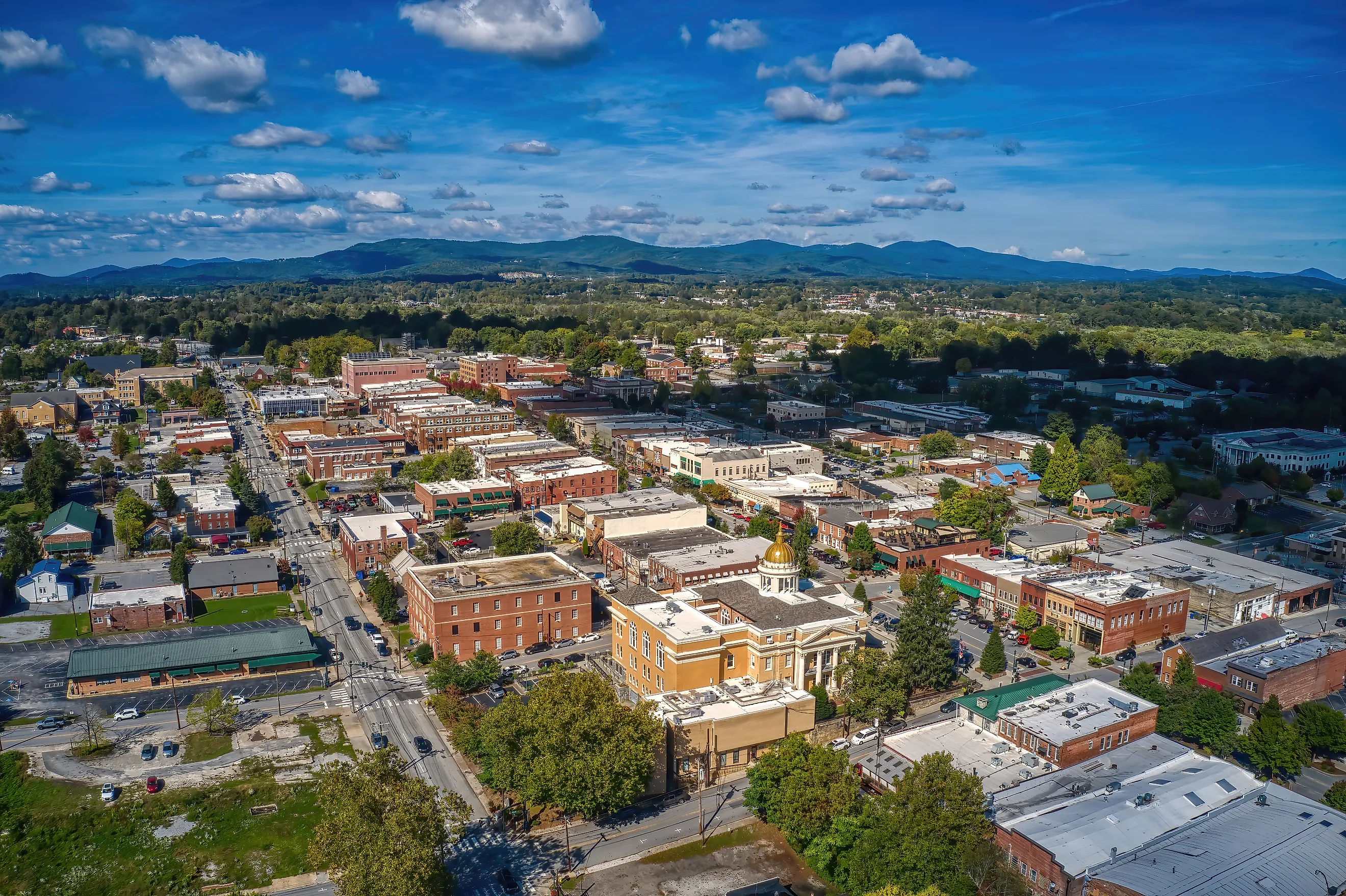
Brevard’s downtown is filled with shops, top restaurants, locally brewed beer, and plenty of foot traffic, especially during the White Squirrel Weekend every year. The annual White Squirrel Weekend celebrates Brevard’s rare squirrel with live music, family events, and local vendors. In addition to the festivals and outdoor recreation, the city is also home to Brevard College, ranked by U.S. News & World Report as one of the Best Colleges in the South.
Hendersonville

Known as the top apple-growing city in the state, Hendersonville has a proud agricultural heritage. Every Labor Day weekend, Hendersonville celebrates its apple-growing reputation with the NC Apple Festival. Main Street is filled with local orchards selling apples, apple-based foods, and apple-inspired arts and crafts. When it’s not filled with apple sellers, Main Street is home to bear sculptures inspired by real black bears that live in the area. The Bearfootin’ Public Art Walk features a new set of bears every year, created by local artists. In the fall, the new bears are auctioned, with proceeds benefiting area nonprofits.

Main Street offers independent shops, acclaimed restaurants, and small museums. Even the kids can have fun at Hands On! Children’s Museum, which is more like an indoor playground for free play than a museum.
In addition to apples, Hendersonville has a burgeoning wine industry, as its climate is perfect for growing grapes for wine-making. St. Paul Mountain Farms features a vineyard and orchard, a tasting room, a shop for wine purchases, and an outdoor entertainment area where live music fills the air, surrounded by the Blue Ridge Mountains.
Morganton

Morganton was the first chartered town in Western North Carolina. Located in the foothills of the Blue Ridge Mountains, it’s a mountain town with all of the perks of riverside living since it’s on the Catawba River. The Catawba River Greenway offers a nearly 4-mile path along the river for hikers and bikers, and the river itself is often full of kayakers, rafts, and anglers.
Lake James holds a mystery under its surface; it was once the town called Fonta Flora, but was submerged when the river was dammed to generate power. Some of the old town is still visible when the lake dries up during drought periods. The Fonta Flora State Trail is a natural surface trail open year-round for hiking and biking around the lake. When complete, the trail will connect Downtown Morganton to the larger city of Asheville. Morganton’s mystery lies in the Brown Mountain Lights; floating orbs that appear, vanish, and return on crisp autumn nights. The best time to catch them is in the fall when fall leaves reach peak color.
Downtown Morganton is filled with local art galleries, independent shopping boutiques, restaurants, coffee shops, and breweries. For national shopping chains, Morganton Heights is the place to go, as it’s home to 50 stores and restaurants.
Selma

Selma has a rich railroading history and had a big hand in developing North Carolina's transportation infrastructure. Selma’s downtown preserves that legacy with numerous buildings dating back to the late 19th and early 20th centuries, such as the Selma Union Depot. The depot was built in 1924 to serve the Atlantic Coast Line and Southern Railroads. It’s now an Amtrak station, with two passenger trains.

The Rudy Theatre still hosts jubilee-inspired events year-round. Every autumn, the town celebrates its railroad legacy with the Selma Railroad Days Festival. Activities at the festival include model train displays, a parade, local food and art vendors, and live entertainment. Selma hosts all sorts of festivals throughout the year, including the Christmas Celebration, a Halloween event, and a spring Wine Walk.
Elkin

Elkin is situated in the Yadkin Valley, a federally designated American Viticultural Area (Yadkin Valley AVA) recognized for its winegrowing region in North Carolina. The soil and elevation make the area ideal for growing wine grapes, which is why there are more than 20 wineries within a 20-mile radius of downtown Elkin. Elkin Creek Vineyard was one of the first, established in 2001 on the site of a former grist mill built in 1896.

There’s more to the town than wine, of course. Several art and craft galleries showcase locally made textiles along the Blue Ridge Craft Trail. The Foothills Arts Center is a former mill that has been transformed into a school for traditional crafts and a studio space for local artists. It is one of many spaces for textile makers in the city. Downtown Elkin features shops, restaurants, breweries, and the Reeves Theater, which is the hub of local entertainment, hosting events such as the Martha Bassett Show, regional musician concerts, and open mic nights.
For outdoors enthusiasts, Carter Falls is a must-see. The 50-foot falls flow through Big Elkin Creek. The waterfall is part of Elkin’s trail system, which connects to the state’s Mountains to Sea Trail.
Newton

Known in the past for its furniture and textile manufacturing, Newton is now a modern town that celebrates its past, anchored by the 1924 Catawba County Courthouse. For train enthusiasts, the Southeastern Narrow Gauge & Shortline Museum, built as a railroad depot in 1924, features displays of rail cars, cabooses, and locomotives. Next to the depot, a red caboose and restored flatcar serve as a stage for concerts and community events. Behind the caboose, across the tracks from the plaza, is a former Amtrak dining car undergoing restoration.
One of Newton’s parks is the 100-acre Jacob Fork Park, which includes a canoe launch where the Jacob Fork and Henry Fork rivers flow into the South Fork River. The park also has hiking and biking trails, sports fields, a picnic shelter, and a playground. For more outdoor activities, save the second Saturday of May for the Foothills Folk Art Festival. The festival showcases local folk art, food, and entertainment.
Lenoir

The small town in Western North Carolina has a storied history that goes back to the eighteenth century. Fort Defiance, the William Lenoir home, was built between 1788 and 1792 and named for an earlier colonial fort that once stood on the site. The home was built between 1788 and 1792 and was inhabited by members of the Lenoir family until 1961. It is now a standing piece of history open for tours. Another highlight is the Caldwell Heritage Museum, which preserves local artifacts and tells the story of the region’s early settlers.
The Tuttle Educational State Forest is a living outdoor classroom, with ranger-led classes that teach students about the connection between people and the forest's ecosystems. For more modern sensibilities, the Western NC Sculpture Center & Park features 100 works in various media along a 12-acre outdoor trail. The center also offers residencies and workshops for artists and future artists.
Hillsborough

One of the state's older towns, Hillsborough was established in 1754 and is centrally located in North Carolina, with easy access to the Triad. Its history is a big deal, with more than 100 homes and structures still standing since the eighteenth and nineteenth centuries. One such home is Moorefields, built in 1785 by Alfred Moore, a U.S. Supreme Court justice, is on the National Register of Historic Places. Surrounded by 70 acres of woodlands, the land now features a garden, an entertainment venue, and a wildlife refuge. Tours of the home and grounds take place during specific hours or by appointment.

NASCAR fans can walk the Occoneechee Speedway Trail beside the Eno River, the last surviving dirt track from NASCAR's 1949 inaugural season. Families can spend the day at Sonark Farms, a 63-acre working farm in Hillsborough that hosts live music, seasonal events, and hands-on barnyard experiences.
Hog Day is an old tradition held in September to celebrate barbecue! Events include a car show, music, a 5K race, and of course, a barbecue judging contest. The playful ‘Pigs on Parade’ event fills the town with painted pig statues weeks before Hog Day. Attendees judge the painted pigs and choose the best one.
Why North Carolina’s Small Towns Deserve a Second Look
The most underrated North Carolina towns prove that the state’s most interesting adventures can take place beyond its biggest cities. Whether you slide down a natural waterfall in Brevard, sip wine in Elkin, take selfies with hand-painted bears in Hendersonville, or take a step back in time in Hillsborough, each city offers its own blend of history, character, and natural beauty. These eight destinations remind travelers that the state’s small towns promise experiences as memorable and surprising as any on the map.