7 Tick Infested Areas In Georgia
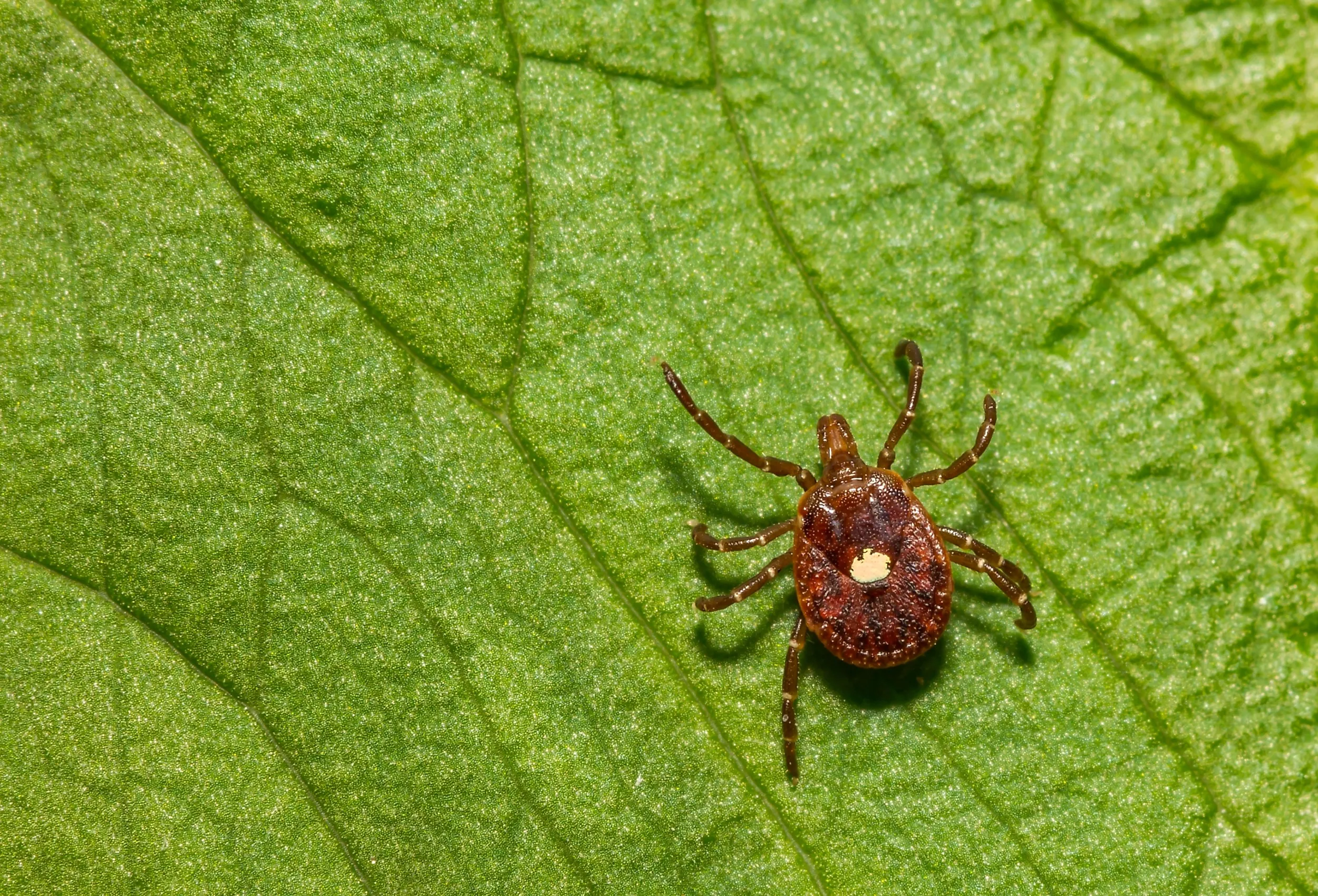
Georgia’s worst tick zones are not evenly spread across the state. Tick exposure risk is often higher in humid, brushy, wooded areas, including deer habitat, trail edges, bottomlands, and similar vegetation. The state’s most common species is the lone star tick, but blacklegged ticks and American dog ticks are also established across much of Georgia.
The Georgia Department of Public Health’s 2020-2024 resident surveillance totals list 143 spotted fever rickettsiosis cases, 130 Lyme disease cases, and 50 anaplasmosis/ehrlichiosis cases, and note that tickborne diseases can be reported year-round. State health officials also track increasing concern around alpha-gal syndrome linked to lone star tick bites. Spots like the Chattahoochee National Forest and the Okefenokee Swamp perimeter are some of the most tick-infested areas of the state.
Chattahoochee National Forest

The Chattahoochee National Forest is located in the northern Georgia mountains near Blue Ridge, Dahlonega, Helen, and Blairsville.
The dense hardwood canopy, thick leaf litter, shaded ravines, and large deer population inside Chattahoochee National Forest create ideal conditions for ticks. Moist mountain terrain helps ticks survive through Georgia’s hotter months, especially along heavily used hiking corridors and creek drainages. Areas around the Appalachian Trail approach, Blood Mountain, and Raven Cliff Falls regularly place hikers in brushy edge habitat where ticks seek out their hosts.
Species here include the blacklegged tick (Ixodes scapularis), lone star tick (Amblyomma americanum), and American dog tick (Dermacentor variabilis). Blacklegged ticks in this region are associated with Lyme disease transmission in Georgia, while lone star ticks are linked to ehrlichiosis and alpha-gal syndrome. American dog ticks can transmit Rocky Mountain spotted fever, which Georgia DPH includes under spotted fever rickettsiosis.
Fall Line Wildlife Management Areas

Fall Line and central-Georgia hunting lands, including areas such as Chattahoochee Fall Line WMA and Sandhills WMA, can put hunters and hikers in brushy deer habitat where ticks may be encountered.
The transition zone between the Piedmont and Coastal Plain supports dense deer populations, mixed pine-hardwood forests, abandoned field edges, and long utility cuts that simultaneously attract ticks and wildlife. Hunting leases and rural trail systems in this belt consistently expose people to tall grass and brush where lone star ticks thrive.
Lone star ticks are especially dominant in this region and are considered the most common tick species in Georgia. American dog ticks are also widespread. Lone star tick bites are associated with ehrlichiosis and STARI-like rash illness, while American dog ticks are associated with Rocky Mountain spotted fever/spotted fever rickettsioses. Alpha-gal syndrome concerns are also significant in central Georgia because repeated lone star tick exposure is common among hunters and landowners.
Okefenokee Swamp Perimeter

The Okefenokee Swamp is located in southeast Georgia near Folkston and Waycross.
Ticks flourish along the edges of the Okefenokee National Wildlife Refuge, where wet ground transitions into palmetto thickets, pine flatwoods, and dense underbrush. The swamp interior is less accessible, but the perimeter trails, hunting properties, and wildlife corridors support large populations of deer, feral hogs, raccoons, and other hosts.
Lone star ticks and American dog ticks are common here, with Gulf Coast ticks (Amblyomma maculatum) also documented in parts of South Georgia’s coastal plain habitat. Gulf Coast ticks can transmit Rickettsia parkeri rickettsiosis, a form of spotted fever.
The warm climate allows ticks to stay active for longer stretches of the year than in northern Georgia. Tick-borne illnesses are most often transmitted from early spring through late fall, but cases have been reported year-round.
Savannah River Corridor

The Savannah River runs along Georgia's eastern border, and the region from Augusta south toward the coast is a prime habitat for ticks.
Floodplain forests, cane breaks, unmanaged riverbanks, and thick understory vegetation make the Savannah River basin one of the state’s strongest tick habitats. Deer movement along the river corridor helps maintain large tick populations, especially in conservation lands and wooded recreation areas.
Lone star ticks dominate much of the corridor, but blacklegged ticks are also present in wooded sections with persistent moisture. Areas near the Phinizy Swamp Nature Park and Savannah National Wildlife Refuge combine wet ground, dense vegetation, and heavy wildlife traffic, increasing the likelihood of human-tick encounters during warmer months.
Pine Mountain

Pine Mountain is located in west-central Georgia near Warm Springs and Callaway Gardens.
The Pine Mountain ridge system combines rocky hardwood forests, pine stands, shaded ravines, and long-distance hiking trails that support both deer and small mammal hosts. Tick activity spikes along trail edges where grass and low brush meet forest openings.
Lone star ticks are widespread throughout the region, with American dog ticks also commonly reported. Blacklegged ticks occur in cooler wooded pockets. Diseases documented in Georgia associated with these species include ehrlichiosis, spotted fever rickettsiosis, and Lyme disease.
Trails inside F.D. Roosevelt State Park, especially the Pine Mountain Trail system, regularly move hikers through leaf litter and brush-heavy terrain where ticks wait on low vegetation.
Coastal Marsh and Maritime Forest Belt

The coastal marsh and Maritime Forest Belt along Georgia's coast are other areas to watch for ticks. The combination of marsh edges, live oak hammocks, palmetto cover, and humid maritime forest creates excellent survival conditions for ticks. Feral hogs, deer, raccoons, and migratory wildlife help sustain tick populations across barrier islands and coastal mainland preserves.
Lone star ticks and Gulf Coast ticks are both established in this region. Gulf Coast ticks are particularly associated with grassy coastal habitat, while lone star ticks dominate wooded transition zones. Georgia health officials recognize ehrlichiosis and spotted fever illnesses as ongoing tick-borne disease concerns statewide.
Cumberland Island National Seashore is especially notable because visitors frequently move through unmanaged vegetation and wildlife-heavy areas where ticks remain active through much of the year.
Kennesaw Mountain and Metro Atlanta Greenbelts

Kennesaw Mountain is located just north of the metro Atlanta area. Some of Georgia’s most concentrated human-tick interaction happens not in remote wilderness but in suburban forest fragments. Kennesaw Mountain’s dense deer population, interconnected trail systems, and brushy woodland edges support heavy lone star tick activity close to residential neighborhoods.
Lone star ticks are the primary concern, though American dog ticks and blacklegged ticks are also present in wooded North Georgia suburbs. Documented disease risks include ehrlichiosis, spotted fever rickettsiosis, and Lyme disease exposure.
Stay Safe
Georgia residents usually see the heaviest tick activity from April through September, though coastal and southern parts of the state can remain active much longer during mild winters. The Georgia Department of Public Health recommends paying particular attention after time spent in leaf litter, tall grass, hunting land, or wooded trail systems, rather than focusing only on deep forest exposure.
Residents can track updates through the Georgia Department of Public Health and CDC surveillance resources, especially as lone star tick populations continue expanding across much of the Southeast.








_Box_Springs,_GA.JPG)