9 Nicest Small Towns In Wyoming
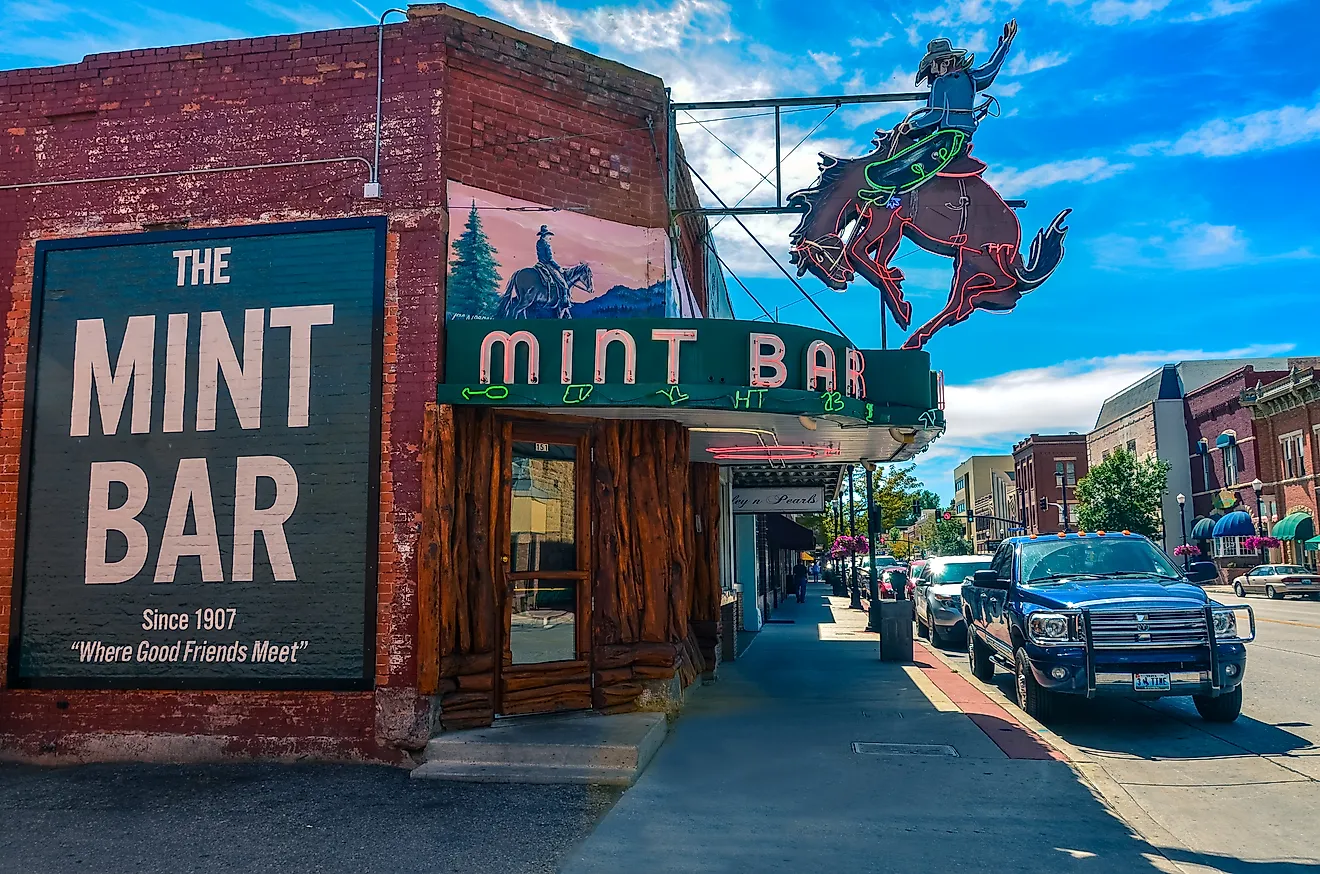
In the nicest small towns in Wyoming, people welcome a stranger as fast as a neighbor. At the Thermopolis state bath house, anyone can soak in the 104-degree water for free. In Pinedale, ranchers and backcountry packers share the bar with first-time visitors. Ten Sleep climbers and locals crowd the same brewery after a day on the rock. At a 1917 Dubois tavern, regulars fold newcomers into the conversation. You feel that easy hospitality within an hour of arriving in any of them.
Dubois

For those looking to escape the crowds of Jackson Hole, Dubois offers an authentic, slow-paced alternative along the upper reaches of the Wind River. This isolated valley town sits between the Wind River and Absaroka ranges, ringed by red-hued badlands. A must-see attraction is the National Bighorn Sheep Center, an educational facility dedicated to preserving the massive wild bighorn herd that winters on nearby Whiskey Mountain. Downtown, the wooden boardwalks lead to the Rustic Pine Tavern, a local watering hole established in 1917 with hand-carved logs, taxidermy, and an old-school Western atmosphere. Outdoor enthusiasts frequently use Dubois as a launching pad to explore the vast wilderness of the Shoshone National Forest, where thousands of miles of trails accommodate horseback riders, fly fishermen, and hikers looking for true solitude.
Sheridan

Sheridan combines a polo-and-ranching heritage with a thriving, modern arts and culture scene. Art aficionados should make a point to visit The Brinton Museum, located on a historic 620-acre ranch just south of town, which showcases an extraordinary collection of Western and American Indian art. If you are looking for outdoor adventure, the dramatic canyons of the Bighorn Mountains loom large just west of town. A local favorite hike leads to Porcupine Falls, where water cascades from a solid granite wall into a deep, emerald-green pool. Back on Main Street, step into King's Saddlery, a legendary Western tack shop and museum that remains a world-renowned authority on traditional leather rope braiding and saddle making.
Jackson

Though it has gained international fame as a luxury resort destination, Jackson maintains a tight-knit community with a small-town feel. The town's Town Square (George Washington Memorial Park) is instantly recognizable by its four massive arches constructed entirely from shed elk antlers, making it a favorite spot for travelers. From Memorial Day through Labor Day, locals gather here to watch the Jackson Hole Shootout, a free, lively mock gunfight tradition that has run continuously since 1957. Step inside The Wort Hotel, where the S-shaped counter at the Silver Dollar Bar is inlaid with 2,032 uncirculated 1921 Morgan silver dollars. Just six blocks from the square, Snow King Mountain, locally known as "Town Hill," offers year-round recreation, featuring a steep alpine ski hill in the winter and the exhilarating Cowboy Coaster in the summer.
Pinedale

Perched at a crisp elevation of 7,175 feet, Pinedale is a rugged wilderness gateway ringed by three mountain ranges: the Wind River, Gros Ventre, and Wyoming ranges. Blissfully uncrowded, it sits at the doorstep of the Continental Divide Trail. To understand the town's deep roots, stop by the Museum of the Mountain Man, which houses an impressive collection of artifacts from the 19th-century fur trade era. Just a short drive from the town center lies Fremont Lake, the state's second-largest natural lake, where travelers can rent kayaks or cast a line for trophy lake trout beneath towering pine canopies. Back in town, the local lifestyle centers around unwinding after a long day on the trails; head straight to Wind River Brewing Company on Pine Street to sample locally crafted beers alongside resident ranchers, wildlife biologists, and backcountry packers.
Cody

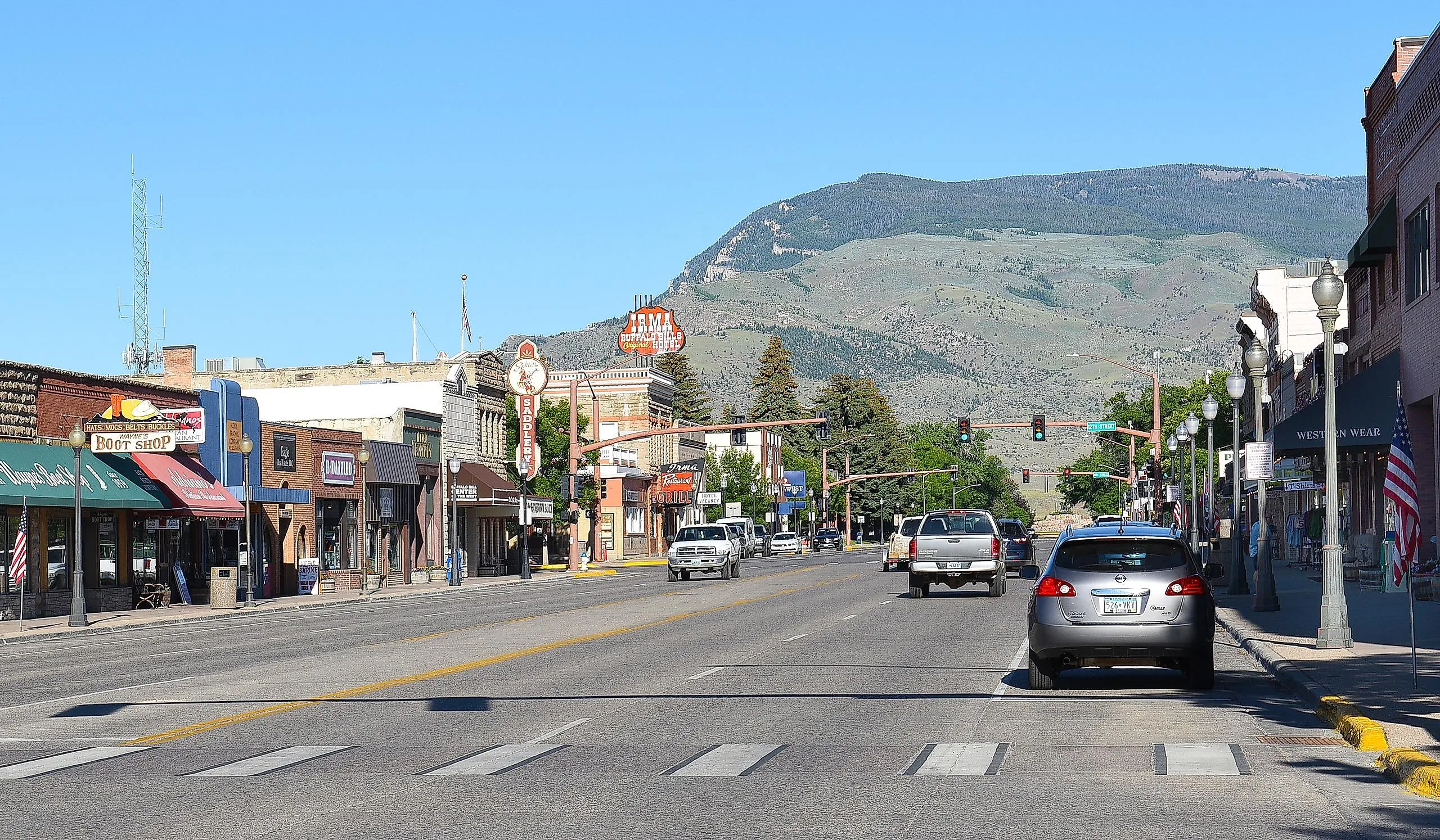
Named after its legendary founder, Colonel William Frederick "Buffalo Bill" Cody, this northwest Wyoming gem sits at the edge of the Bighorn Basin. Cody brings a rich Western heritage to an active, modern community. Visitors can spend hours wandering through the Buffalo Bill Center of the West, an expansive complex of five museums showcasing Western art, firearm history, and Plains Indian culture. Just down the road, Old Trail Town preserves the gritty reality of frontier life with over 25 meticulously restored historic structures, including authentic cabins used by Butch Cassidy's Wild Bunch. In the evening, grab a steak at the historic Irma Hotel, built by Buffalo Bill himself in 1902 and named after his daughter. For outdoor enthusiasts, Cody serves as a phenomenal basecamp for exploring the dramatic volcanic formations of the adjacent Shoshone National Forest, offering premier hiking, fly fishing, and rock climbing.
Thermopolis

As the seat of Hot Springs County, Thermopolis is defined by the steaming mineral waters that flow directly through its backyard. The centerpiece of this unique town is Hot Springs State Park, where that same water spills over the park's colorful Rainbow Terraces. Visitors can enjoy a complimentary 104-degree soak at the public State Bath House or walk the suspension footbridge over the rushing Bighorn River. Beyond its geothermal wonders, Thermopolis is a global hotspot for paleontology; the Wyoming Dinosaur Center features a working dig site where visitors can tour real fossil excavation pits. For a scenic drive, head south through the towering red rock walls of Wind River Canyon, where the river carves a dramatic path through some of the oldest exposed rock in North America.
Buffalo

In the foothills of the Bighorn Mountains, Buffalo is a dream destination for travelers who want to immerse themselves in genuine Old West nostalgia. The town looks straight out of a classic Western film, highlighted by the Historic Occidental Hotel ("The OX"), which once hosted legendary figures such as Butch Cassidy, Calamity Jane, and Teddy Roosevelt. Across the street, the Jim Gatchell Memorial Museum offers an authentic, comprehensive look at regional history through thousands of artifacts from pioneers, cowboys, and Native Americans. Buffalo serves as the eastern starting point for the Cloud Peak Scenic Byway (U.S. Highway 16), a 47-mile designated route that winds through the Bighorn National Forest, offering panoramic vistas of snow-dusted peaks and alpine meadows. For a quick detour, head just north of town to explore Fort Phil Kearny, an important Indian Wars outpost.
Ten Sleep

Ten Sleep is a tiny, high-desert oasis, named for the ten nights of travel that once separated it from the major Native American camps on either side. Despite its minuscule size, Ten Sleep commands major attention from the outdoor community for its sport climbing in Ten Sleep Canyon. Here, hundreds of vertical routes are bolted into magnificent, towering limestone cliffs that flank Ten Sleep Creek. To understand how the town earned its unusual name and grew up around the ranching trade, stop by the Ten Sleep Pioneer Museum on Second Street. There you will find exhibits of settler tools, photographs, and other artifacts that trace early life in the Bighorn Basin. A few blocks away stands the two-story Ten Sleep Mercantile, a National Register of Historic Places listing; the restored structure now operates as the Big Horn Mountain Stage Co., a seasonal coffee and gift shop that doubles as a small concert stage. After a day of scaling the canyon walls, climbers and travelers congregate at Ten Sleep Brewing Co., a popular microbrewery operating out of a rustic barn at the base of the mountain pastures.
Lander

Set against the eastern slope of the Wind River Mountains, Lander is widely considered Wyoming's most walkable mountain town. This community has evolved from a historic railway terminus into an international hub for outdoor recreation. A stroll down Main Street brings you past Wild Iris Mountain Sports, the legendary gear shop that helped put the area's sheer dolomite cliffs on the global rock-climbing map. After fueling up with a stack of signature pancakes at The Middle Fork, head just a few miles southwest to Sinks Canyon State Park. Here, the Middle Fork of the Popo Agie River mysteriously vanishes into a limestone cavern and re-emerges a quarter mile down the canyon into a placid, trout-filled pool.
Where Wyoming's Small-Town West Still Lives
Wyoming's small towns are easy to blow past on the drive to a national park, and most travelers do. Stop instead: soak in the free 104-degree pool at Thermopolis, watch the Middle Fork of the Popo Agie disappear into a limestone cavern near Lander, or share a beer with backcountry packers in Pinedale. The next time the highway opens up across Wyoming, slow down at the Jackson square where four arches are built from shed elk antlers, and see what these towns are like once you actually get out of the car.