7 Best Natural Wonders To Visit In Florida This Year
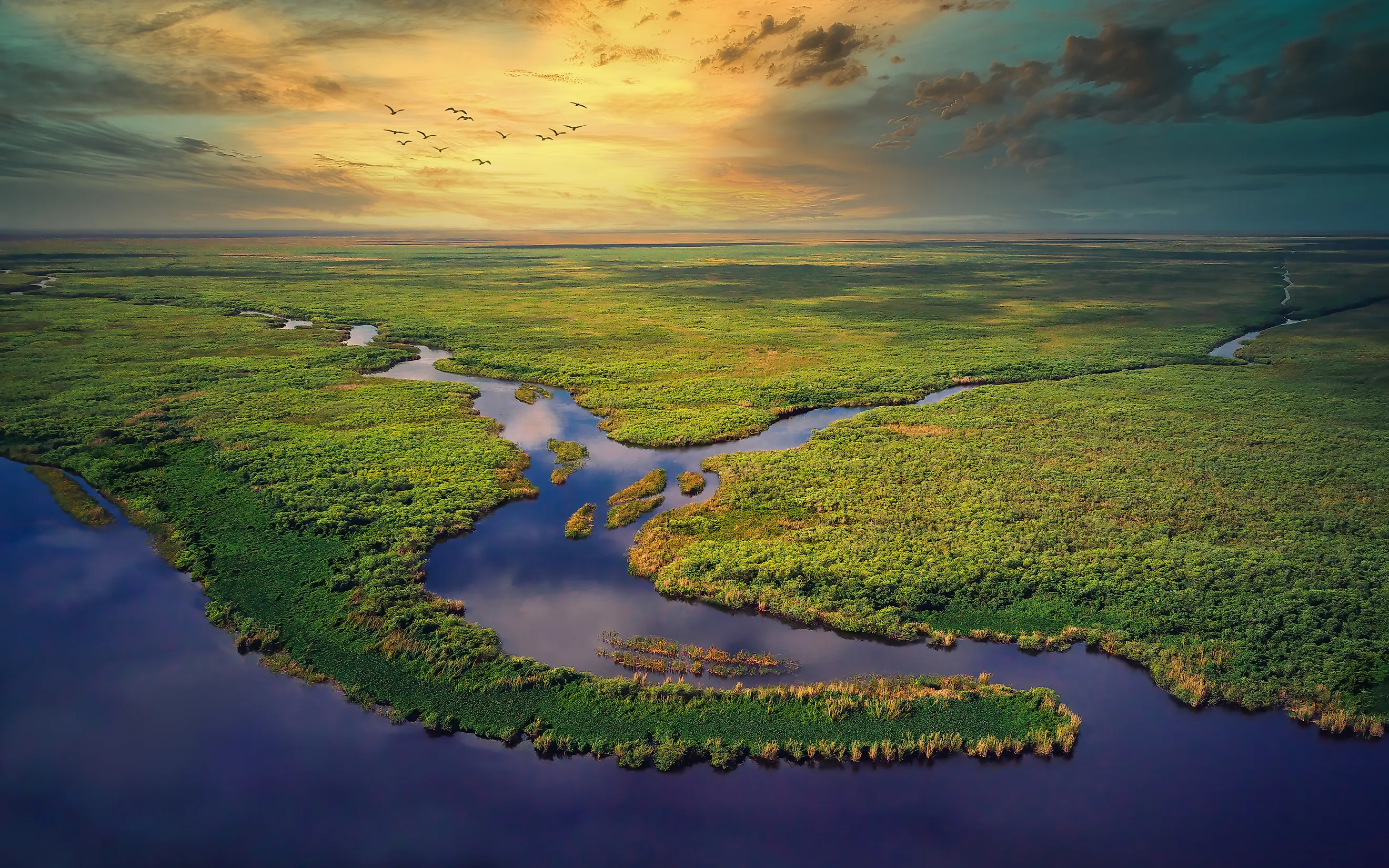
Florida has some of the most diverse wetland ecosystems in the United States, making it one of the country's most unique natural landscapes. The magnificent Everglades National Park is one of Florida's main claims to fame when it comes to natural wonders. The vast wetlands have been designated a UNESCO World Heritage Site, featuring prairies and a network of forests to explore. Florida is also home to many more natural landmarks, including the slightly eerie Devil's Den Prehistoric Spring. If you are planning on day-tripping or road-tripping through Florida in 2026, be sure to put the following wonders on your list of must-see attractions.
Dry Tortugas National Park

Florida's unique Dry Tortugas National Park, located 70 miles from Key West, is a splendid natural wonder that is also 99% underwater. The remote park is accessible only by seaplane, ferry, or charter and features incredibly clear water, mesmerizing coral reefs, and a fort. Here, visitors can snorkel Garden Key, which offers four great snorkeling sites. Beginners should opt for the moat wall, where the water is shallow, and there are both fish and historic artifacts. To the west of Garden Key, there are colorful coral reefs and more fish.
South Swim Beach is perfect for a lazy day on the sand while enjoying the views of Fort Jefferson, whose construction began in 1846. Bush Key is a popular birding spot where sooty terns and brown noddies nest, though access is restricted during nesting season (typically March through September). You may even spot octopuses, sharks, and lobsters in the water by the coral reefs. And, at night, pitch a tent under the stars and enjoy the incredibly tranquil natural atmosphere. Visiting between December and February is best for hiking in comfortable temperatures. Spring is best for snorkeling, since visibility is at its peak. Summer means contending with crowds and booking early to ensure a spot on a seaplane or ferry.
Everglades National Park

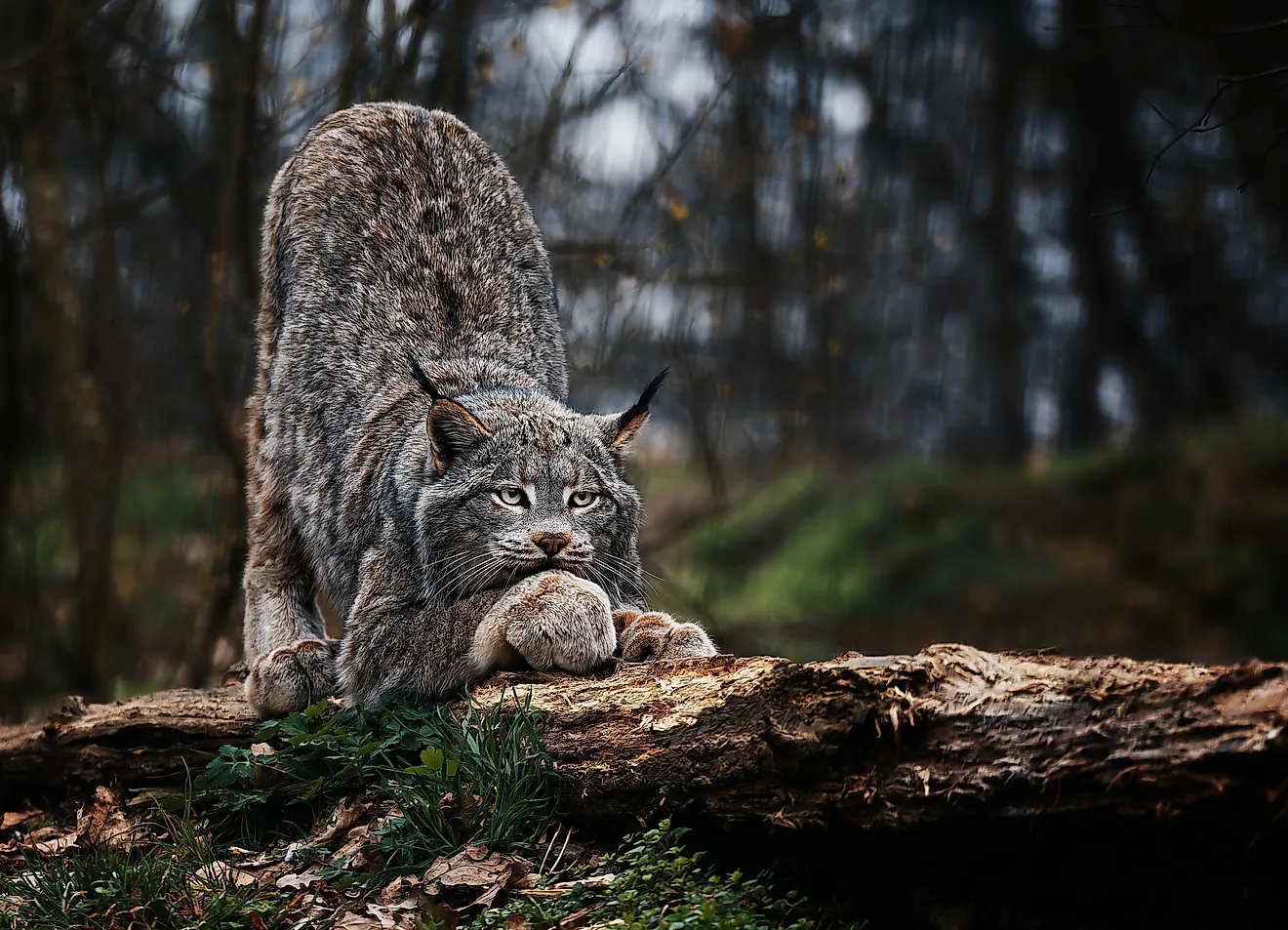
As stunning as the Everglades National Park is, it is also one of the most overlooked national parks in the country. This means people are missing out on tropical hammocks, incredible beaches, swamps, and wildlife. The Everglades is home to alligators and crocodiles, bobcats, black bears, and manatees, with rare sightings of the Florida panther. While keeping your eyes peeled for said wildlife, you can kayak or canoe any of the ten paddling trails between Flamingo and the Gulf Coast. The Sandfly Island Loop is popular when the weather is good and also offers a one-mile hiking trail on the island itself.

The park is also home to Shark Valley, accessible by bike, on foot, or tram. The valley lies within the True Everglades, which stretches across 100 miles. Wildlife can be seen up close here from the Bobcat Boardwalk and the Otter Cave Hammock Trail. The Otter Cave Trail is a limestone path that runs through a hardwood forest. Other must-do activities include paddling through the Ten Thousand Islands, a collection of mangrove islets where dolphins are often seen. There is also the opportunity to take a guided boat tour or to camp out under the night sky at the Flamingo Campground. It is best to visit the Everglades between November and April when it is dry and the wildlife is active. Visiting during spring break or the winter holidays may mean large crowds, especially at Shark Valley.
Blowing Rocks Preserve

Blowing Rocks Preserve is a 73-acre protected area on the southern end of Jupiter Island along the Treasure Coast. Walking the mile-long rock formation here rewards visitors with views of columns of water shooting up from the rocks. Some of them reach up to 50 feet in height. The fossilized rock, known as Anastasia limestone, is the largest outcropping of its kind on the Atlantic Coast and consists of shell fragments and sand. The rock forms a barrier that creates the "blowing rocks" phenomenon during high tide. The heavy swells break against the shore, and the water is forced through narrow erosion holes and crevices in the limestone, effectively creating forceful saltwater geysers.
As if this preserve could not get any more magical, it is also a nesting ground for loggerhead, green, and leatherback sea turtles. Visitors can stroll the elevated boardwalks through the preserve, which wind through a mangrove forest and coastal hammock, allowing visitors to take in the absolute splendor of their surroundings. This landscape has remained virtually unchanged for thousands of years. It is best to visit during high tide and rough seas to get the best geyser effect. If you want to swim, summer is a good time to plan your trip, and low tide will allow you to explore the beach in front of the rock formations.
Devil's Den Prehistoric Spring

Avid scuba divers should not miss out on a trip to Devil's Den Prehistoric Spring in Williston. This clear spring is 54 feet deep and lies within a prehistoric cave. The water is always 72 degrees Fahrenheit, so people can dive year-round, and the cave's rock formations date back 33 million years. Keep in mind that only snorkelers or divers are allowed in the spring, meaning visitors cannot simply swim in it.

The spring is one of the most fascinating natural wonders in Florida, with Native Americans frequenting it around 7,500 years ago. Fossils of mastodons and saber-tooth cats have been found in the cave and are now displayed at the Florida Museum of Natural History in Gainesville. Some of the fossil remains belong to prehistoric animals that lived alongside humans. Early settlers were wary of the spring because of the steam that rises from the opening when it is cold. They believed the steam was smoke coming from a chimney to Hell, hence the name "Devil's Den."
Vortex Spring

Another must-experience spring is Vortex Spring, which is also rumored to be an energy vortex. The spring is located in Ponce de Leon in the Florida Panhandle and is privately owned. It is part of a gorgeous recreational area and one of the safest diving resorts in America. It is the perfect place to learn the art of scuba diving and experience fish eating out of your hand while you are submerged in the clear waters. Seasoned divers will be allowed to explore the entire spring and enter the cave where the spring starts. There is a gate inside the cave to prevent divers from venturing too deep.
Around 28 million gallons of freshwater flow into the spring basin every day, making it a major draw, especially during summer. The water is always cool, making it perfect for floating or circling the basin's perimeter in an inner tube. Visitors can even paddle or kayak the basin and go further into the run and creek. You will inevitably find crowds during the hottest times of the year, so try to plan your trip for the cooler months during the week.
Silver Springs State Park

If you have ever wanted to go on a glass-bottom boat tour, Florida's Silver Springs State Park is one of the best places to do it. The park is one of the oldest tourist attractions in the state, and its boat tours are legendary, dating back to the 1870s and 1880s. Book a spot on one of these boats to see the crystal-clear water and the creatures that inhabit it up close. These creatures include alligators, manatees, turtles, and fish. Those who cannot get enough of the water can also head out in a kayak or canoe and go along with the current.
To explore the surrounding forests, hike the miles of forest trails. The Sandhill Trail will take you through longleaf pines, while the Swamp Trail and River Trail offer great views of the Silver River. The Swamp Trail is an easy hike, perfect for families, and features a boardwalk that spans the swamp. When night falls, camp out at the designated camping spot (it is essential to reserve it in advance). To see manatees, the best bet is to book during November through March. This will help beat the crowds at the same time. For hiking and exploring, winter and fall offer the best weather.
Boneyard Beach

Natural wonders in Florida must include at least one beach, and in this case, Boneyard Beach in Big Talbot Island State Park is one of the best. Boneyard Beach is one of Florida's "secret beaches," and like no other one you would have seen before. All along the shore, massive driftwood trees lie scattered on the sand, creating a picture that resembles an elephant boneyard. The trees fell over the past hundred years because of the sand and water channels shifting. After they fell, they were bleached by the sun and beaten by the wind and sand, transforming them into the hauntingly beautiful "artworks" they are today. In addition to being beautiful, these driftwood trees help protect the surrounding area from erosion by slowing it down. These trees also offer shelter and a nesting habitat for shorebirds and sea turtles. Visit during low tide to get the full image of the fallen tree skeletons. To enjoy cooler weather, the best time to visit Boneyard Beach is late fall, winter, and early spring.
Experience Florida's Untamed Side
While it may not seem obvious from the outside, Florida was built on ancient geology and wild ecosystems. This is why places like Devil's Den and Boneyard Beach exist. At the same time, while planning a Florida road trip in 2026, keep in mind that these natural wonders are fragile. Always respect each one and leave them as they were found. Follow the "leave no trace" principle, and use sunscreen that is safe for coral reefs. Keep the noise levels down, do not feed the wildlife, and always stay on the trails. By following these rules, everyone can enjoy all the natural wonders Florida has to offer while keeping them intact and beautiful for those who come after.