5 Best Natural Wonders To Visit In Delaware This Year
Delaware’s best natural wonders feature everything from tidal salt marshes to large saltwater lagoons. For starters, visitors can kayak along quiet bays in Trap Pond State Park or even stroll wide Atlantic beaches at Cape Henlopen State Park, while spotting migratory birds. Speaking of birdwatching, Bombay Hook National Wildlife Refuge is nationally recognized for its birdwatching and has been designated a Globally Important Bird Area. Each of these destinations highlights a different side of the state, showing how Delaware packs a surprising variety of natural environments into a compact area.
Cape Henlopen State Park

At more than 5,000 acres, Cape Henlopen State Park in Lewes, where the Delaware Bay meets the Atlantic Ocean, is one of Delaware's favorite outdoor escapes. You’ll find a stretch of natural coastline shaped by wind and tides, with rolling dunes, maritime forest, and wide beaches along the cape. Deauville Beach is perfect for swimming, sunbathing, or beachcombing, with lifeguards on duty during the summer. For walking and biking, you can follow a network of trails, including the approximately five-mile Gordons Pond Trail along a large saltwater lagoon. One of the park’s most special spots is The Point, which is closed during spring and summer to protect nesting and migrating shorebirds.

Cape Henlopen is also part of the Delaware Coastal Heritage Greenway, a scenic route celebrating the natural and cultural history of coastal Delaware. You can visit the Seaside Nature Center, with tanks and exhibits showcasing local marine life, or explore the Fort Miles Museum & Historical Area, where World War II-era bunkers, artillery, and observation towers overlook the water. For overnight stays, the park offers a year-round campground for tents and RVs, as well as cozy cabins. Rates and reservation rules vary by season, so check the Delaware State Parks website for current availability.

Entrance fees are charged from March 1 through November 30. For ocean parks, it costs $10 per Delaware-registered vehicle and $20 for out-of-state vehicles. Annual passes are also available if you plan to visit multiple times during the season.
Trap Pond State Park

Trap Pond State Park, in Laurel, about 35 miles from Cape Henlopen State Park, is a Delaware natural area covering around 4,000 acres. At its heart is the roughly 90‑acre freshwater Trap Pond, surrounded by some of the northernmost naturally occurring baldcypress trees in the US. The pond was created in the late 18th century by damming a stream to transport timber and power a sawmill. After a flood in the 1930s drained it, the Civilian Conservation Corps rebuilt the dam. Today, the area supports a rich wetland ecosystem, where you can spot birds like great blue herons, warblers, and kingfishers.

In 2026, you can paddle a canoe or kayak along more than nine miles of water trails through the cypress swamp. On land, hiking and biking trails, such as the nearly five-mile Bob Trail loop, take you through wetlands and forests. Bike rentals are available in the summer, the best time to visit. Stop by the Baldcypress Nature Center to explore exhibits on local plants and animals, including a 500-gallon floor aquarium and a life-size model of a baldcypress tree. You can also camp year-round in tents, RVs, cabins, or yurts, with reservations recommended.

Entrance fees are $5 per Delaware-registered vehicle or $10 for out-of-state vehicles through November 30. If you arrive on foot or by bike, it’s $2 per person. You can also get an annual pass for multiple visits throughout the season.
Bombay Hook National Wildlife Refuge

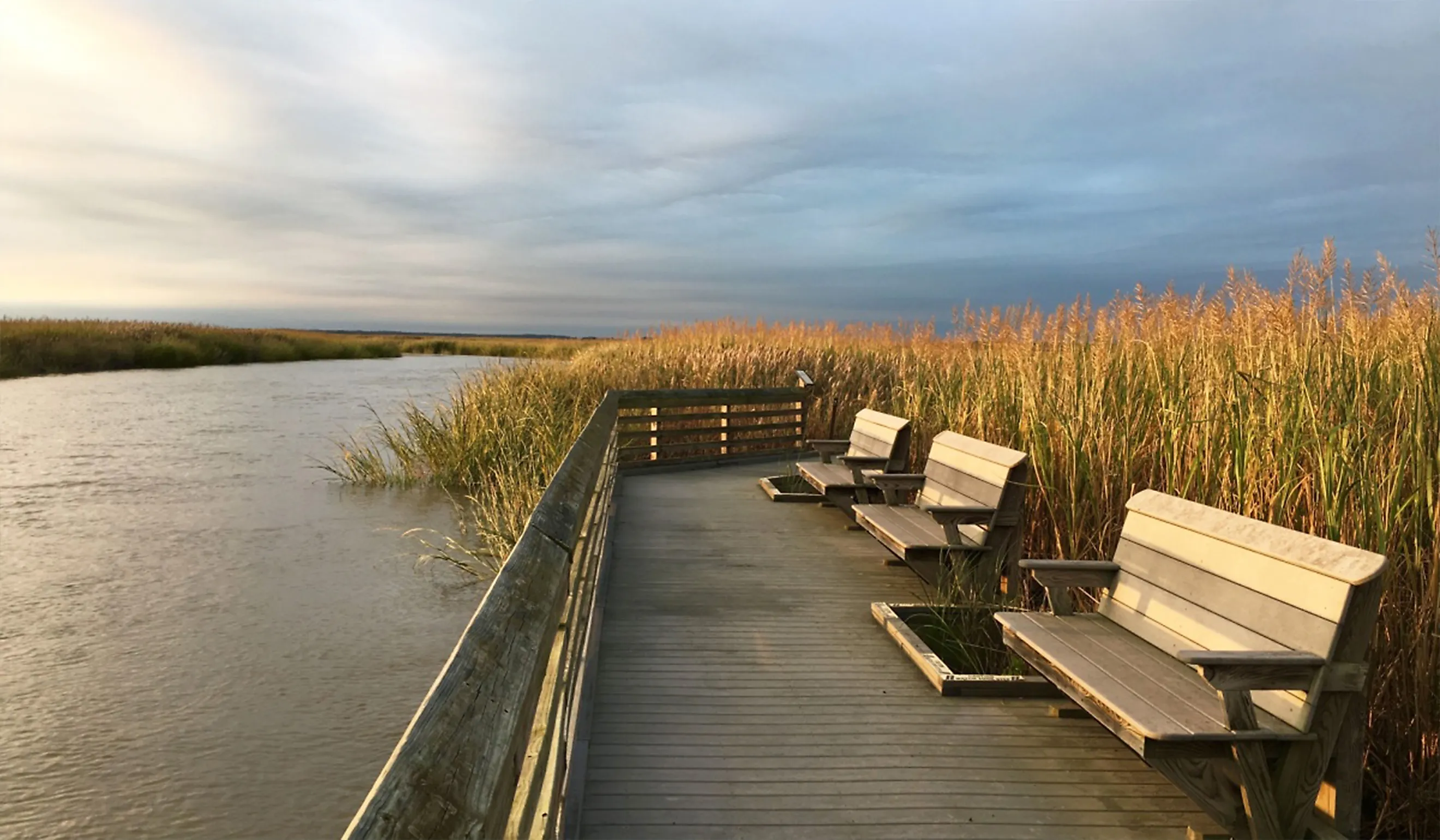
Another natural wonder to visit is the Bombay Hook National Wildlife Refuge near Smyrna, which stretches eight miles along the Delaware Bay. Covering more than 16,000 acres, the refuge protects one of the largest remaining tidal salt marshes in the mid-Atlantic. You’ll also find meadows, rivers, ponds, woods, swamps, and fields that support a wide variety of wildlife, which you can spot along the scenic 12-mile drive, open a half hour before sunrise and a half hour after sunset. March and November are the best times to see waterfowl, while May is the peak concentration of shorebirds.

Other highlights include 30-foot observation towers, fishing at Pasture Point Pond, and short walking and biking trails such as the Bear Swamp Trail and Forest Discovery Tree Trail. There's also a visitor center with interpretive displays and exhibits, an auditorium showing nature films, and a gift shop.
The refuge entrance fee is $4 per vehicle or $2 per person if you arrive on foot or by bike. You can also pick up an annual pass for unlimited visits, and select federal passes, as well as discounts for military members and seniors, are accepted. For nearby accommodations, you’ll find options ranging from budget-friendly inns to full-service hotels, including Bally's Dover Casino Resort, all just 10-20 minutes away.
Alapocas Run State Park

Just outside Wilmington, you can explore one of northern Delaware’s most unique natural landscapes at Alapocas Run State Park. The park now covers about 359 acres, but it started much smaller. When the area first opened as Alapocas Woods in 1910, it included only about 123 acres before gradually expanding into the larger park you can explore today.

The park’s biggest natural highlight is the striking blue-gray rock formations that rise above the wooded banks of Brandywine Creek. While there, take in the views while hiking or biking along scenic paths, including sections of the Northern Delaware Greenway Trail, which passes through the park along the creek. Spring and fall are the best times to visit, when the weather is mild, and the surrounding forests are full of seasonal color. Other things to discover there include the Can-Do Playground and the historic Blue Ball Barn, which houses the Delaware Folk Art Collection and hosts community events during the warmer months.
Entrance fees are similar to those of other Delaware state parks, such as Trap Pond State Park. While the park doesn’t offer lodging, you can find plenty of accommodations nearby, including Homewood Suites by Hilton Wilmington Downtown and The Westin Wilmington.
Fenwick Island State Park

At Fenwick Island State Park, Delaware’s southernmost beach sits along a narrow barrier island between the Atlantic Ocean and Little Assawoman Bay, offering one of the state’s most scenic coastal landscapes. The park protects a quiet stretch of shoreline that remains relatively undeveloped compared to surrounding beach towns.
The best time to visit is late spring through early fall, when you can stroll through the dunes or enjoy water activities on the bay, including kayaking, paddleboarding, and sailing. On the ocean side, you can swim, relax in the sun, or try surf fishing, with lifeguards on duty during the summer months. Mobi-Mat mats help make the beach more accessible for wheelchair users, and beach umbrellas and chairs are available to rent during the busy season.

Fenwick Island was named for colonial landowner Thomas Fenwick in the 1600s, and the legend says that pirates once used the surrounding bays as hiding places. The land later became part of Delaware’s state park system in 1966. Today, there’s no campground or lodging on-site, but accommodations in Fenwick Island, such as Fenwick Shores, Tapestry Collection by Hilton, as well as options in nearby Ocean City, are convenient places to stay.
In Delaware, you can step into a variety of landscapes without traveling far. You might paddle through quiet cypress swamps at Trap Pond, watch shorebirds in tidal salt marshes at Bombay Hook, or walk wide beaches along the Atlantic at Cape Henlopen and Fenwick Island. Trails take you through forested creek valleys, while boardwalks and observation towers bring you closer to wildlife. Some areas invite active adventure, while others encourage slow, reflective moments. These natural wonders let you experience Delaware’s diversity firsthand, from its inland wetlands to its coastal shores.