6 Most Rattlesnake Infested Areas in The Finger Lakes
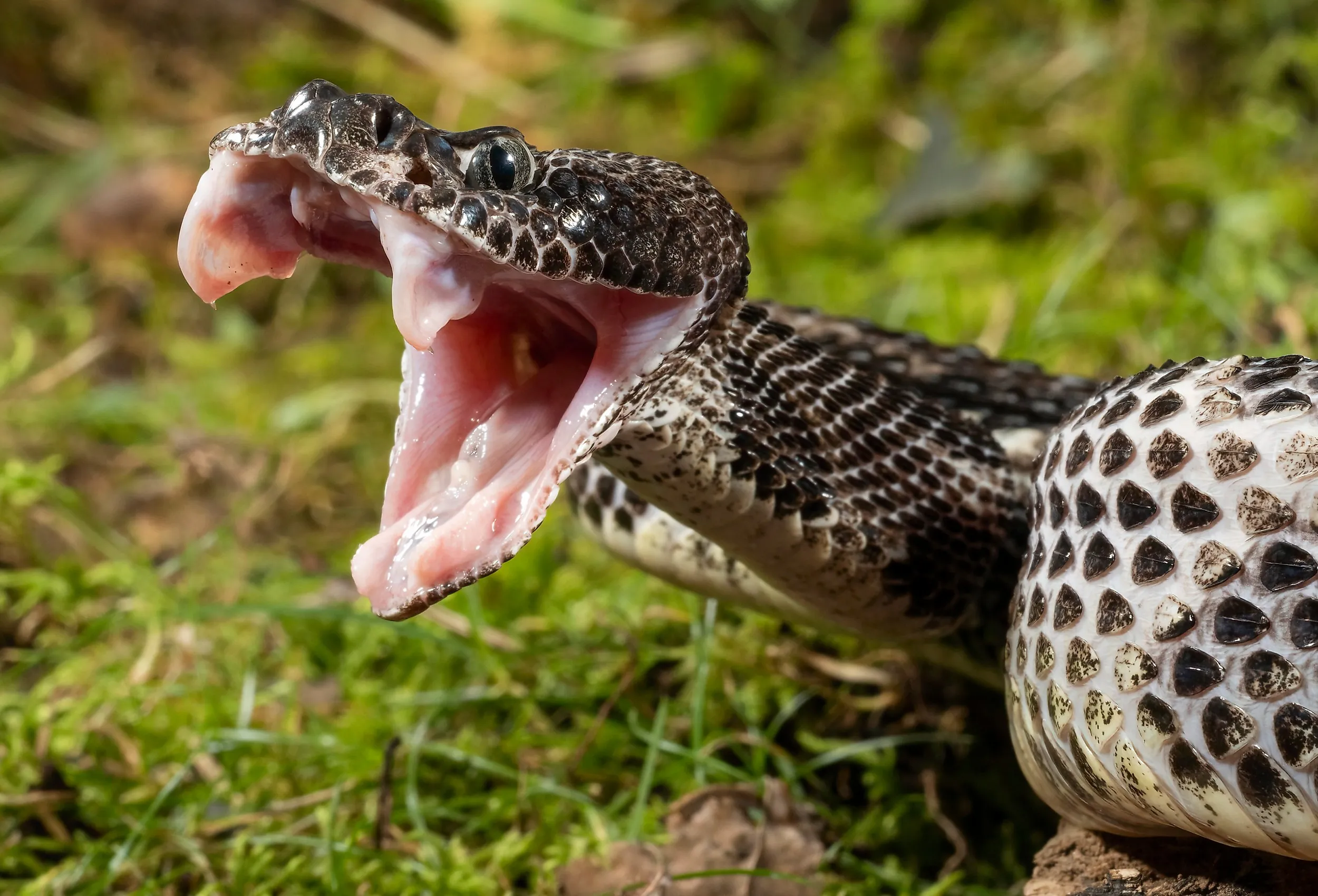
The Finger Lakes may be best known for vineyards, waterfalls, and quiet lakeside towns, but the region also borders some of New York's most dangerous rattlesnake habitats. Two venomous species, the timber rattlesnake and the eastern massasauga, still persist in pockets of upstate wilderness, especially where rocky ridges, deep forests, and old wetlands remain undisturbed. Both snakes are listed as endangered and are protected by law. Encounters are rare, but to protect yourself, look for snakes sunbathing on trails and avoid placing your hands into thick brush, rocks, or crevices. Use a hiking stick, wear ankle-high boots, and loose, long pants. If you bring pets, keep them on a leash and do not let them wander off. If you do encounter a snake, keep your distance and back away slowly. Snakes only attack when they feel threatened. For hikers, naturalists, and curious travelers, these are the six areas where rattlesnakes are most commonly found in the Finger Lakes.
Bergen-Byron Swamp
Northwest of the Finger Lakes proper, the Bergen-Byron Swamp is one of the most significant eastern massasauga habitats in New York.

The area spans about 2,500 acres of protected swamp and nature preserve in the towns of Byron and Bergen, New York. The wetland system is over 10,000 years old, and the Bergen Swamp Preservation Society was formed in 1935 to protect it. This National Natural Landmark is a maze of bogs, fens, and wet meadows. This type of environment is exactly the kind of secluded terrain where the massasauga thrives. The swamp's dense vegetation and limited access keep human disturbance low, allowing this small but venomous rattlesnake to persist in one of its last strongholds in the Northeast.
The Canandaigua Lake Highlands

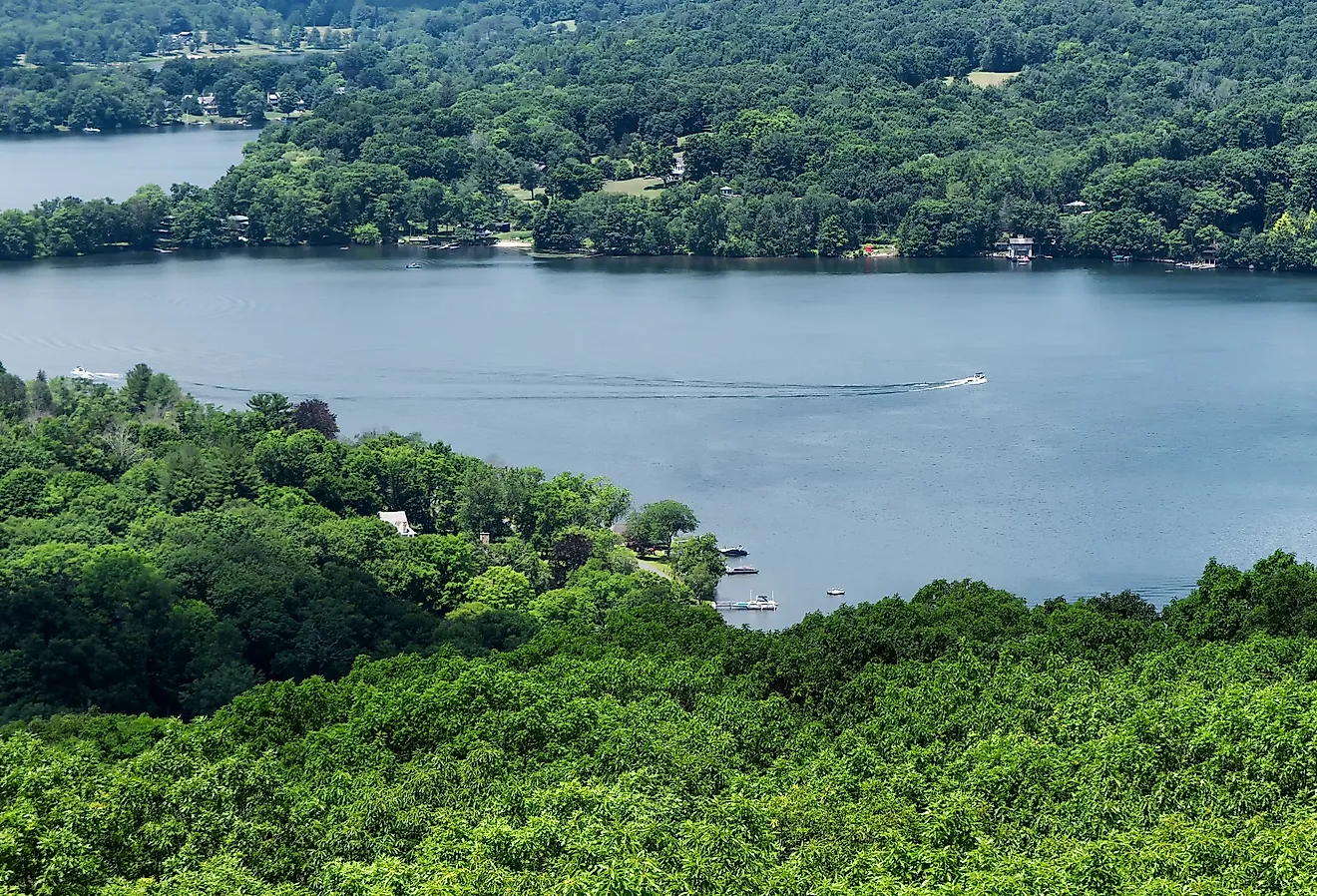
The high ridges west and south of Canandaigua Lake create a landscape of broken shale, sun-warmed ledges, and deep forest cover. The area was named "the chosen spot" by the Seneca, who lived there. The Village of Naples serves as the starting point to explore the region's protected green space. Sightings are infrequent, but the steep slopes provide basking areas, crevices for wintering, and quiet uplands where snakes can hunt undisturbed. The limestone also holds heat well after the sun has set. If you do travel in the area, be cautious and make others aware of the dangers. The area is popular for wildlife watching, hiking, and mountain biking. It is also part of the region's premium trout streams, which are good for fishing, kayaking, and canoeing.
Southern Cayuga Lake Escarpments

The escarpments south of Cayuga Lake form a rugged area of limestone cliffs and hardwood forest, and the southern tip of the lake touches Ithaca, New York. The geology here includes fractured rock warmed by long summer sun, creating microclimates that could support small, reclusive populations of snakes. Even without frequent sightings, the terrain itself is dangerous, and travelers need to be cautious. It is one of the most activity-rich corners of the Finger Lakes. Conservationists may wander the waterfront in Ithaca or explore the trails that climb into the escarpments. Kayakers launch into the calm southern shallows, where the lake narrows into a quiet, marshy inlet. Birdwatchers drift toward the wetlands, especially in early morning when herons and osprey hunt along the reeds.
Montezuma Wetlands Complex

The Montezuma National Wildlife Refuge is located at the northern tip of Cayuga Lake, just a few miles northeast of Seneca Falls. Its surrounding marshes form one of the largest wetland systems in central New York, with thousands of acres of marsh, grassland, and backwater pools. While not all areas host confirmed rattlesnake populations, the boggy margins, sedge meadows, and wet prairies resemble the massasauga's preferred environment. This is the kind of landscape where the species historically thrived in wet, open, and rich environments with small mammals and amphibians. You can drift along the Wildlife Drive, watching herons stalk the shallows and bald eagles circle above the open water. Boardwalks, viewing towers, and year-round trails let you step gently into this landscape, but be cautious of rare massasauga encounters.
Finger Lakes National Forest

Between Seneca and Cayuga Lakes, the Finger Lakes National Forest blends rolling pastures with rocky woodlands. Timber rattlesnakes favor the forest's scattered ledges and south-facing slopes, where they can bask in the sun before retreating into cool crevices.

The forest's low-traffic backcountry trails and mixed terrain make it one of the region's more likely, but still rare, places for an encounter. More than 30 miles of interconnected trails slip through ravines, past ponds, and across breezy uplands. It's the kind of landscape where you can wander for hours without seeing another person. A mix of pasture, shrubland, and hardwoods makes this ridge one of the most peaceful and diverse places in the Finger Lakes. Even so, be wary of the unlikely encounter of timber rattlesnakes.
Hemlock-Honeoye Wetland Margins

The southern Finger Lakes transition into a landscape of lakes, swamps, and forested hillsides. Around Hemlock and Honeoye Lakes, just 33 miles south of Rochester, New York, the combination of wetland edges, upland forest, and abundant prey creates conditions suitable for both massasauga-type wetland snakes and upland rattlesnake species. These areas are not densely populated with rattlesnakes, but their diverse habitats make them among the region's more likely zones for sightings. The surrounding wetland ecosystem helps filter the water feeding into Honeoye Lake but faces ongoing threats from harmful algal blooms. Visitors may wander the inlet's wildlife trails, watching herons lift from the marsh and listening for songbirds in the forest. Kayakers slip into the calm southern end of Honeoye Lake, where the water narrows into a peaceful channel. Anglers fish for largemouth bass, chain pickerel, and panfish in the calm waters of the region.
Wild Corners of the Finger Lakes
What ties these six places together isn't just the possibility of rattlesnakes, it's the feeling that the Finger Lakes still hold pockets of true wildness. From the deep bogs of the Bergen-Byron Swamp to the sun-warmed cliffs above Cayuga Lake, each landscape carries a quiet character that hasn't been disturbed by tourism or time. Most visitors will never see a rattlesnake here, but the habitats that support them, such as wetlands, escarpments, and rocky highlands, are the same places that make this region feel so alive. Exploring them is less about seeking out danger and more about recognizing how much of the Finger Lakes remains untamed.