10 Best Downtowns In Pennsylvania
Pennsylvania's small-town downtowns each carry the look and rhythm of the era that shaped them. Kennett Square drops a giant illuminated mushroom from a lamppost every New Year's Eve. Jim Thorpe stacks Victorian buildings up the walls of a river gorge. Lititz, founded as a Moravian settlement in 1756, is anchored by Julius Sturgis, the oldest commercial pretzel bakery in the country. Bellefonte holds one of the densest concentrations of Victorian architecture in the state, and Gettysburg's downtown still wraps around the same square that watched the Civil War's most consequential battle unfold. These ten towns make the case for Pennsylvania's downtowns one walkable block at a time.
Kennett Square

Kennett Square sits in southern Chester County, about 12 miles north of Wilmington, Delaware, and 35 miles west of Philadelphia. The town brands itself as the Mushroom Capital of the World because Chester County and the surrounding region produce roughly half of all the mushrooms grown in the United States. Just outside town, Longwood Gardens covers 1,100 acres of formal gardens, conservatories, and outdoor performance spaces, all built up by Pierre S. du Pont starting in 1906. Longwood's fountain shows and Open Air Theatre performances draw visitors year-round.
Downtown is rich in 18th- and 19th-century architecture along East and West State Street. The Mushroom Cap and the Square Pear Fine Art Gallery represent the local art and food scene. Sweet Amelia's serves shareable plates and vegetarian dishes; Wanderlust Doughnuts and La Michoacana Homemade Ice Cream cover dessert. The town's signature event is the Mushroom Drop on New Year's Eve, when an illuminated giant mushroom is lowered from a downtown lamppost in the local answer to the Times Square Ball Drop. The Mushroom Festival in early September and the Holiday Village Market in December round out the calendar.
Gettysburg

The Adams County seat is more than a Civil War town, though the war is what brings most people. Gettysburg sits 40 miles southwest of the state capital at Harrisburg and just north of the Maryland border, and the same downtown grid that visitors walk today was already in place when Union and Confederate forces converged here on July 1, 1863. The three days that followed turned this small market town into the site of the war's largest single battle and the place where Abraham Lincoln delivered the Gettysburg Address that November.
Gettysburg National Military Park surrounds the borough on three sides and contains roughly 1,328 monuments and markers along its 26 miles of roads. The Gettysburg Museum of the American Civil War, in the park's visitor center, holds one of the largest collections of Civil War artifacts in the country and houses the Gettysburg Cyclorama, a 377-foot-long oil painting of Pickett's Charge completed by Paul Philippoteaux in 1883. Downtown shops cluster along Baltimore Street and Chambersburg Street: Oh Man! and The Sagebrush Shack on Baltimore, Southern Pennsylvania Clay on Chambersburg, and the candy store SWEET! on Baltimore for old-time and imported sweets. The Gettysburger Company on Chambersburg is the local burger pick.
Lititz

Lititz, in Lancaster County, was founded in 1756 as a Moravian community and has been called the quintessential example of small-town America by more than one publication. Begin downtown at the 1792 Johannes Mueller House on East Main Street, which now houses the Lititz Museum operated by the Lititz Historical Foundation. Behind the museum, the Mary Oehme Gardens feature a heritage garden, water garden, and quiet landscaping. Linden Hall, also on Main Street, is the oldest continuously operating boarding school for girls in the United States, founded in 1746.
The town's signature stop is the Julius Sturgis Pretzel Bakery on East Main Street, which opened in 1861 and is the oldest commercial pretzel bakery in the country. Tours include hand-twisting lessons. The Wilbur Chocolate retail store, on North Broad Street, occupies the former Wilbur factory complex and stocks the company's signature Wilbur Buds along with chocolates and gifts. The Stoll and Wolfe Distillery on North Cedar Street offers tastings of small-batch rye whiskey and other spirits. For dinner, Per Diem at the Hotel Rock Lititz on Rock Lititz Boulevard serves farm-to-table dishes in the same complex used by major touring music acts for production rehearsals.
Bellefonte

Bellefonte, the Centre County seat just north of State College, holds one of the densest concentrations of Victorian architecture in Pennsylvania. The town earned the nickname "Home of Governors" in the 19th century, when seven Pennsylvania governors either lived in or kept strong ties to Bellefonte, and the intact streetscape of grand homes and public buildings traces directly to that era.
Downtown is organized around Talleyrand Park, a long green strip along Spring Creek that runs past the restored Bellefonte Train Station and hosts outdoor concerts in warm months. The Bellefonte Historical Railroad runs seasonal excursion trains from the station. Downtown shops and restaurants line High Street and Allegheny Street, with Gamble Mill (in a restored 1786 gristmill) and the Governors Pub among the longstanding local dining spots. The Bellefonte Art Museum, in a former residence on East Linn Street, rotates regional art exhibits throughout the year, and the Centre County Historical Society runs the Centre Furnace Mansion just outside town.
Coudersport

Coudersport, the Potter County seat in the Pennsylvania Wilds, was founded in 1807 and sits along the Allegheny River near the headwaters that drain west toward Pittsburgh. The town serves as a base for visitors exploring the surrounding state forests, dark-sky stargazing at Cherry Springs State Park, and the elk herd that ranges across the regional Pennsylvania Elk Country.
Downtown's anchor is the 1923 Coudersport Theatre, which still shows first-run films from a refurbished single-screen auditorium. The Potter County Historical Society, established in 1916, runs a museum of regional artifacts in a downtown Victorian house. The Pennsylvania Lumber Museum, about 12 miles east of town in Galeton, covers the timber industry that built much of this region in the late 19th century. The Potter County Artisan Cooperative on Main Street features handmade crafts and fine art from regional artisans, and Right Stuff Consignment on Second Street is a steady stop for vintage finds. For meals, Orion's Bar and Grill and the Laurelwood Inn both sit on East Second Street. Food Fun Fridays bring food trucks, vendors, and live music to downtown through the summer.
Somerset

Somerset, the county seat of Somerset County in Pennsylvania's Laurel Highlands, sits just off the Pennsylvania Turnpike. The borough is best known to most travelers as the gateway to the Flight 93 National Memorial, located about 15 miles to the east near Shanksville, which honors the passengers and crew who fought back against the hijackers on September 11, 2001.
Incorporated in 1804, Somerset's downtown (locally called "uptown") features a mix of Queen Anne, Classical Revival, and Colonial Revival architecture. The Uptown Somerset Historic District is on the National Register of Historic Places and includes St. Paul's United Church of Christ (1887), the National Guard Armory (1922), and the County Jail and Sheriff's Residence (built in 1856 with an 1889 addition). Somerset, Inc., the borough's Main Street program, manages economic development and historic preservation in the uptown area. Local shops include the Somerset Emporium, the Somerset Candy Company, and My Asylum engraving, all on Main Street. Main Moon Restaurant on Center Avenue and Stairs in Town Restaurant on Patriot Street round out the dining options.
New Hope

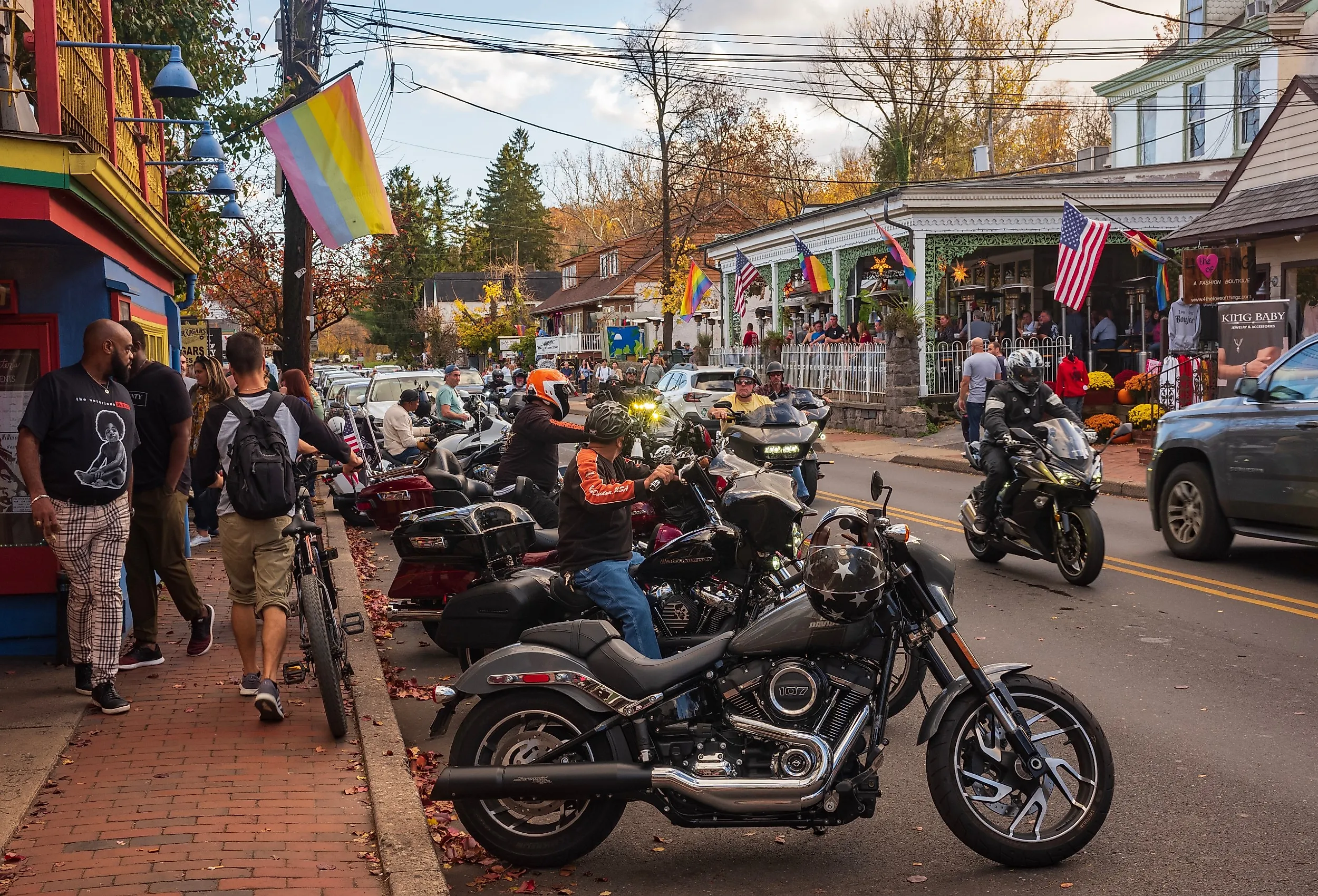
New Hope sits along the Delaware River in Bucks County, about an hour from both New York City and Philadelphia. The downtown reflects three centuries of layered history. The Parry Mansion, built in 1784 by lumber merchant Benjamin Parry, is the centerpiece of the New Hope Historical Society's collection and is open for tours. The Bucks County Playhouse, founded in 1939 inside a former gristmill on Main Street, has hosted decades of theatrical productions and remains an active regional theater today. The Logan Inn, on West Ferry Street, has been welcoming guests since 1727, making it one of the oldest continuously operating inns in the United States.
Downtown shopping clusters along Main, Bridge, and Ferry streets, with The Cat Walk of New Hope on South Main and Savioni Designer Boutique on West Bridge. Stella of New Hope on South Main serves brunch, dinner, and dessert in a restored riverfront building. New Hope hosts the Bucks County Designer House and Gardens Tour each spring and the New Hope Arts and Crafts Show in fall. Peddler's Village, a historic 42-acre shopping village six miles south in Lahaska, runs the Gingerbread Competition and Display in winter and the Peach Festival in summer.
West Chester

West Chester, the Chester County seat in the Brandywine Valley, sits about 25 miles west of Philadelphia and has been recognized in multiple national publications for its preserved downtown. Smithsonian Magazine named it one of America's best small towns in 2013. The downtown holds one of the densest concentrations of historic architecture in the region, with thousands of contributing buildings on the National Register. The Chester County Courthouse (1846) was designed by Thomas U. Walter, the same architect who later designed the dome of the United States Capitol. The 1830s Bank of Chester County building still stands a few blocks away, and the Chester County History Center collects, preserves, and shares regional artifacts and stories.
West Chester is also a college town, home to West Chester University with about 17,000 students, which gives the downtown a denser nightlife than most boroughs its size. The compact core packs in more than 100 independently owned businesses and roughly 65 restaurants, plus around 24 bars within a three-block radius. All the Dogs on Church Street is the local pet store fixture; 9 Prime on North High Street is a steady dinner option in a town with steady competition.
Jim Thorpe

Jim Thorpe, in the Lehigh Gorge of Carbon County, has one of the most dramatic settings of any small town in the state. The town sits in a steep river valley, and its downtown buildings climb the hillsides on either side of the Lehigh River. Formerly the coal-boom town of Mauch Chunk, it was renamed in 1954 after the Olympic athlete Jim Thorpe, whose remains were interred here.
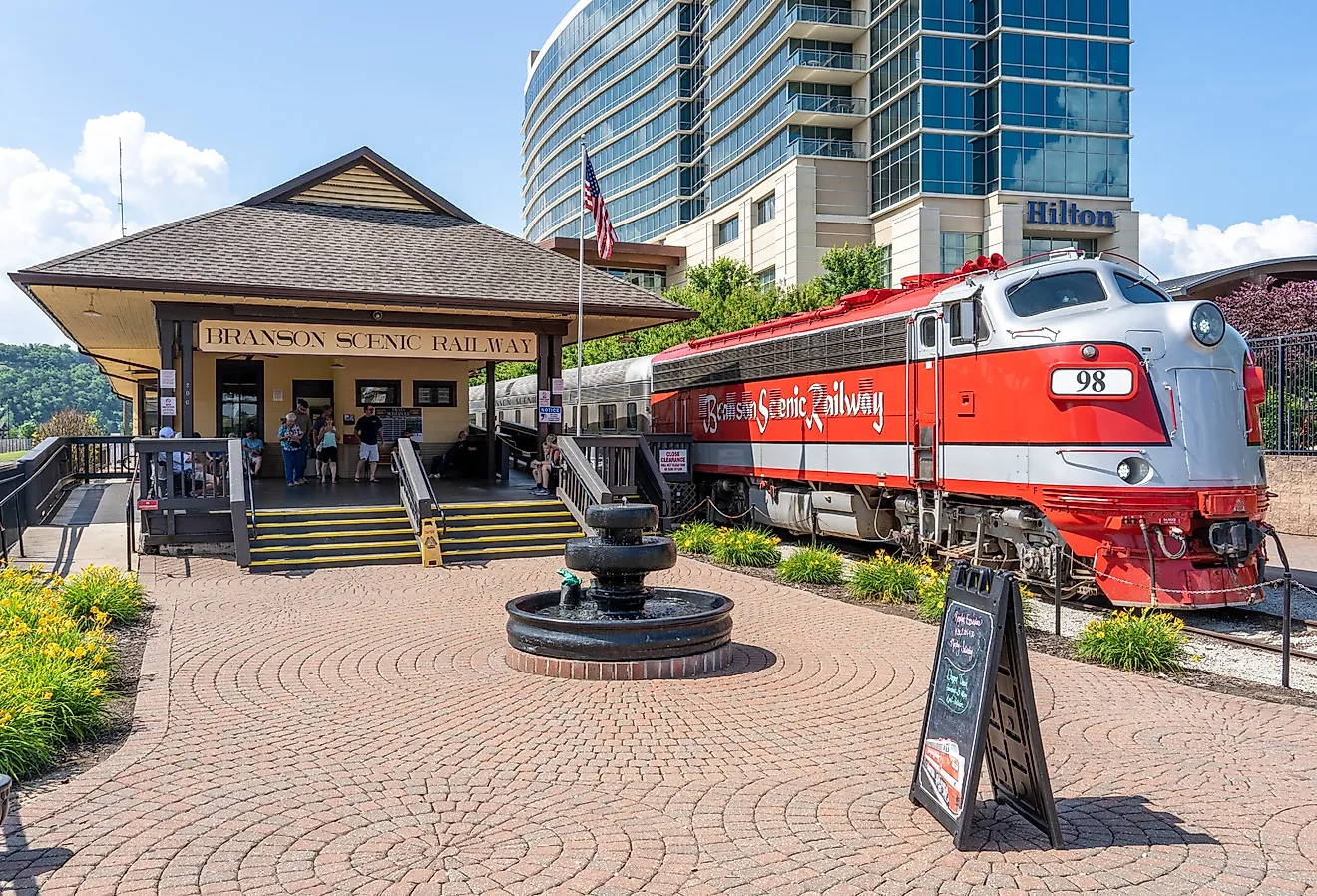
The Asa Packer Mansion, an 1861 Italianate home built by the founder of Lehigh University, anchors the downtown historic district and is open for tours. The Harry Packer Mansion, nearby, now operates as a bed and breakfast. The Old Jail Museum, in a building that held and executed seven of the Molly Maguires in the 1870s, is one of the darker and more compelling local stops. The Mauch Chunk Opera House, built in 1881, still books live music. The Lehigh Gorge Scenic Railway runs excursions out of the restored train station, and the surrounding Lehigh Gorge State Park offers whitewater rafting, the 26-mile Lehigh Gorge Trail, and some of the best fall foliage in the mid-Atlantic.
North East

North East, in Erie County about 14 miles east-northeast of the city of Erie, takes its name from its position in the northeastern corner of the state and sits between Lake Erie and the surrounding wine country. North East is the heart of Pennsylvania's wine industry, with more than 20 wineries operating within a 10-mile radius (Mazza Vineyards, Penn Shore Winery, and Arrowhead Wine Cellars are among the longest established), and the annual Wine Country Harvest Festival in late September brings tens of thousands of visitors to the area.
The downtown around Main Street holds the Victorian-era McCord Memorial Library, dedicated in 1900 and still serving the community. The Heard House Museum, run by the North East Historical Society, occupies an 1848 Greek Revival home and covers local history including the Underground Railroad activity that ran through this corner of the state before the Civil War. The Skunk and Goat Tavern on Main Street is the downtown anchor for New American food, while New Harvest Restaurant and Pub on Sidehill Road covers comfort food. The Arundel Cellars and Brewing Company on Route 20 just outside town pairs small-batch beer with the regional vineyards.
Ten Downtowns Worth The Trip
Pennsylvania's small-town downtowns each fill a different corner of the state's history. The Brandywine Valley around Kennett Square and West Chester carries du Pont and Quaker influence. Lititz and Bethlehem-area Moravian communities hold quietly to their 18th-century roots. Gettysburg and Bellefonte each preserve a 19th-century streetscape that the country has largely lost elsewhere. Jim Thorpe and Coudersport sit in landscapes too rugged to overdevelop. North East built its character on grapes and Lake Erie. The same walking distance covers different Americas in each town. Pick the one that matches the day, and start at the courthouse or the bakery.