7 Best Small Illinois Towns For A Weekend Escape
Illinois is quietly home to some of the most character-packed small towns in the Midwest. Historic downtowns spill onto riverbanks, weekend hiking trails wind through state parks, and a 15-foot Superman statue stands ready for its photo at the south end of the state. Galena holds onto Civil War history on nearly every block. Nauvoo preserves the 1840s frontier built by a Mormon community that briefly rivaled Chicago in size. North Utica sits on the doorstep of Starved Rock and its waterfalls. The seven towns below run roughly north to south down the state and each one earns a weekend on the calendar.
Galena

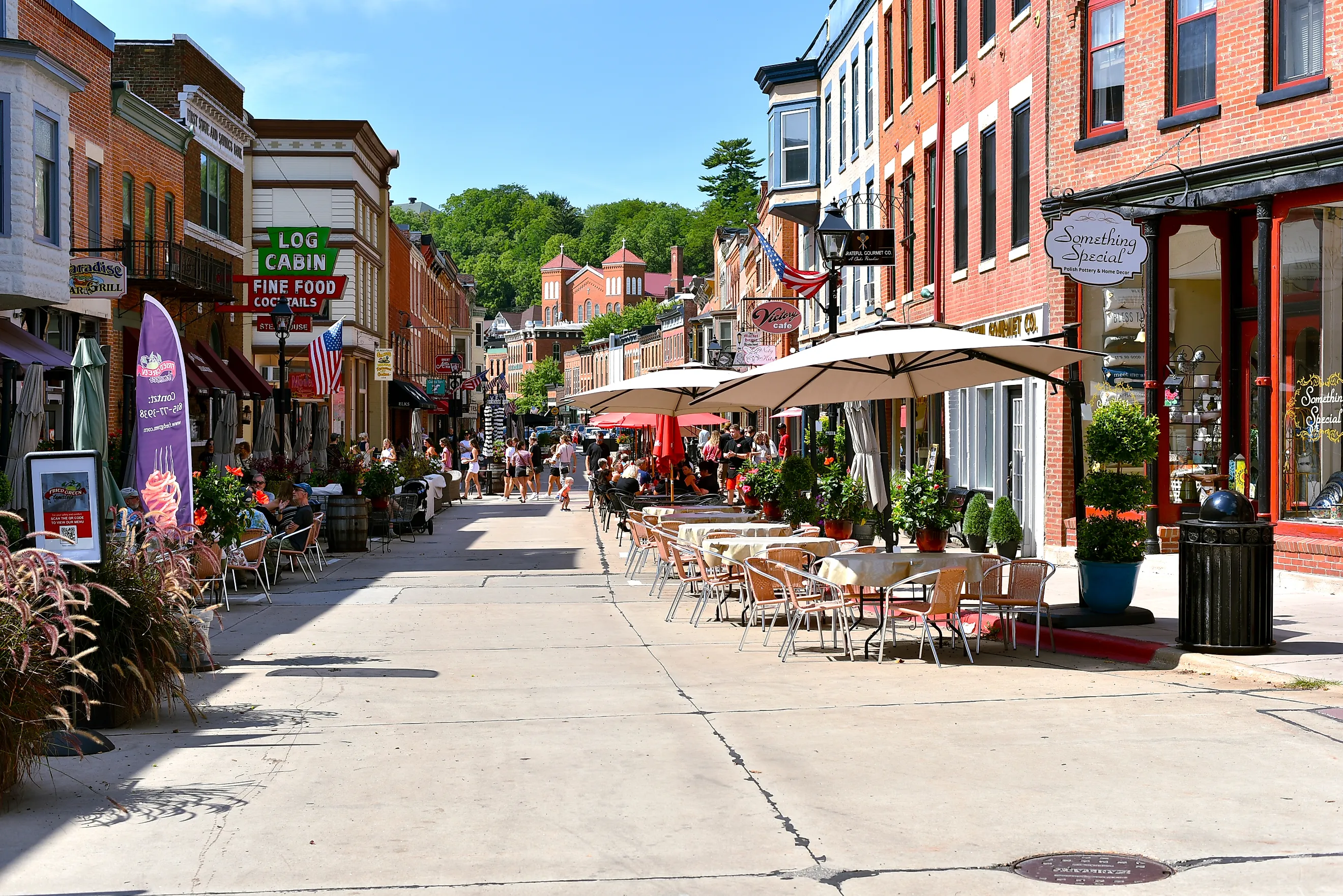
Galena sits in the rolling hills of the Driftless Area in Illinois's far northwest corner, less than five miles from the Mississippi River. The town was a 19th-century lead-mining boomtown (galena is the natural mineral form of lead) and at its peak in the 1850s, it rivaled Chicago in commercial importance. The mining bust never quite emptied the town the way it did similar boom communities, which is why Galena's downtown still has more than 85 percent of its 19th-century architecture intact, with a Main Street commercial strip that the National Register of Historic Places treats as a single contributing district.
The Ulysses S. Grant Home, an 1860 Italianate gifted to General Grant in 1865 by the citizens of Galena after the Civil War, is the highest-profile stop in town. The Galena and U.S. Grant Museum runs comprehensive exhibits on the nine Galena residents who became Union generals. The Belvedere Mansion, a 22-room 1857 Italianate, gives the lay of the wealthy lead-trade era. The Galena River runs through downtown for kayaking and fishing, and Apple River Canyon and Mississippi Palisades State Parks (about 20 and 30 minutes east respectively) handle the hiking. The Galena Halloween Parade in October is one of the largest in the tri-state area and consistently lands on national readers' polls of best Halloween events.
Woodstock

Woodstock, the McHenry County seat about 60 miles northwest of Chicago, has the unusual distinction of being where the entire 1993 film Groundhog Day was filmed (Punxsutawney's stand-in was, in fact, Woodstock Square). The square itself, a National Register Historic District, is anchored by the 1890 Old McHenry County Courthouse and the 1889 Woodstock Opera House, which still books live theater, music, and the annual Groundhog Days festival every February.
The shops, restaurants, and galleries surrounding the square fill 19th-century brick storefronts, with Read Between the Lynes (an independent bookshop) and Ethereal Confections (a working chocolate factory and café) anchoring the visitor experience. Outside town, the McHenry County Conservation District manages more than 25,000 acres of preserved open space, including the Glacial Park Conservation Area, which protects glacial kames, fens, and prairie remnants and connects to the Prairie Trail bike path.
Geneva

Geneva sits along the Fox River about 40 miles west of downtown Chicago, with a Third Street commercial district that has been a Main Street America designated downtown since 2002. The historic core is dense with 19th-century buildings now occupied by independent shops, restaurants, and a few longtime fixtures (Graham's 318 Coffeehouse and Niche Restaurant on State Street are the local picks). The Geneva History Museum on the courthouse square covers Kane County history.
The Fox River cuts the town in half, and Island Park (a wooded island reached by footbridge from downtown) is the green heart of Geneva, with picnic shelters, a playground, and the seasonal Festival of the Vine in early September. The Fabyan Forest Preserve south of town preserves the eccentric George Fabyan estate, with a Frank Lloyd Wright-renovated villa, a working Dutch-style windmill (relocated from Holland in 1914), and a Japanese garden that George Fabyan commissioned from Taro Otsuka in the 1910s. The Fox River Trail runs through town as part of a 43-mile multi-use path along the river.
North Utica

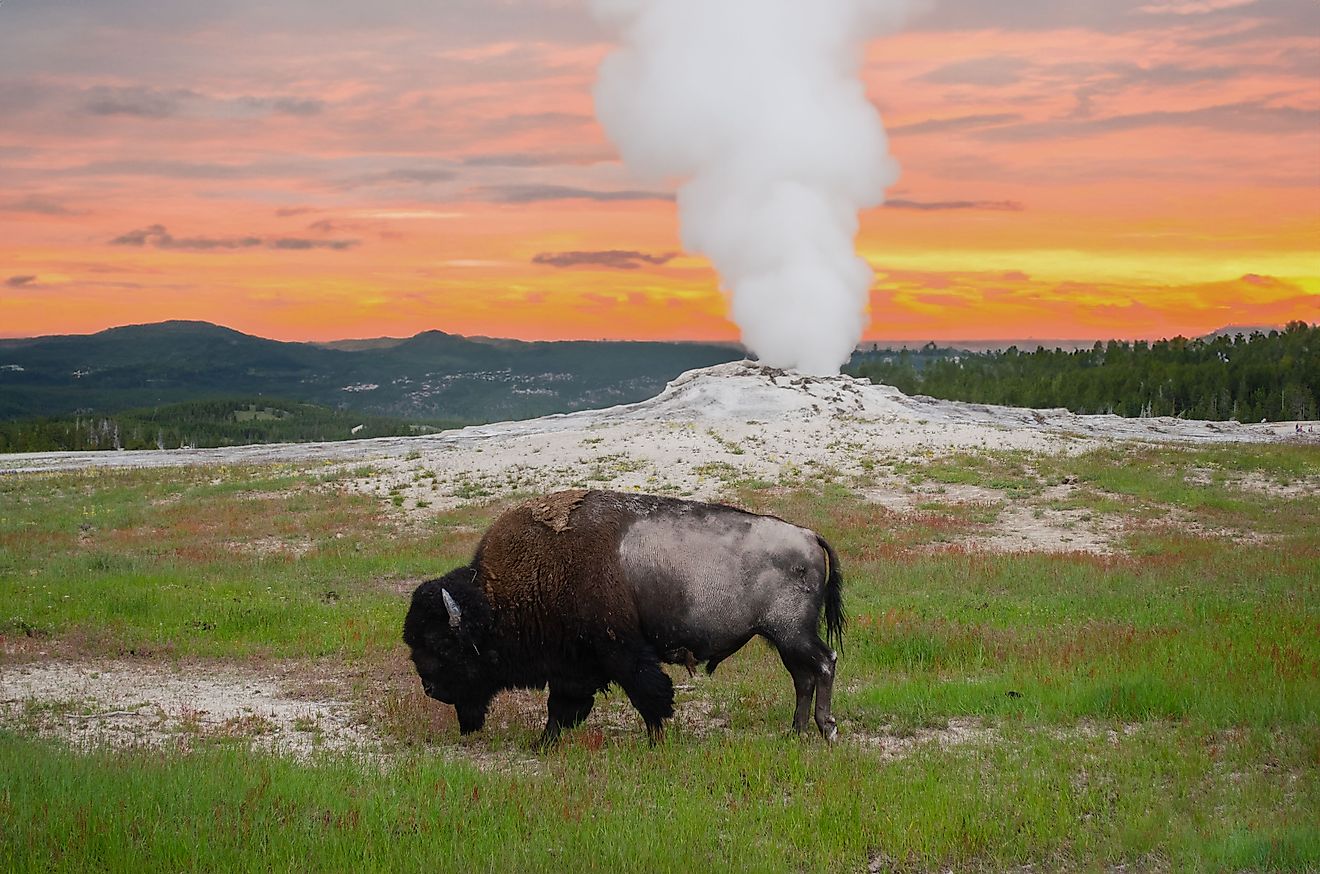
North Utica (referred to locally as just Utica) sits along the Illinois River about 90 miles southwest of Chicago and serves as the gateway to Starved Rock State Park, the most-visited state park in Illinois with over two million visitors a year. The park's 18 sandstone canyons, 13 of which contain seasonal waterfalls, are the geological centerpiece of the region, carved into the bluffs above the Illinois River by glacial meltwater roughly 12,000 years ago. The park's name commemorates a Native American legend about a band of Illiniwek besieged on the bluff by Ottawa and Potawatomi forces in the 1760s.
Matthiessen State Park, just south of Starved Rock, is the locals' insider pick: smaller crowds, more dramatic waterfalls, and a longer canyon walk that passes through the same Pennsylvanian-age sandstone. Back in town, the small downtown along Mill Street has the Canal Market grocery, a few restaurants, and August Hill Winery's tasting room. The Hegeler Carus Mansion in nearby LaSalle is a National Historic Landmark 1874 Second Empire mansion with original interiors largely intact, open for guided tours.
Princeton

Princeton is the Bureau County seat, sitting along the Hennepin Canal in north-central Illinois about two hours west of Chicago. The town's 19th-century main street is a National Register Historic District, with brick storefronts now holding antique shops, restaurants, and the Bureau County Historical Society Museum. The Lovejoy Homestead, an 1840s home owned by abolitionist Owen Lovejoy and his wife Eunice, was an active stop on the Underground Railroad before the Civil War; today it's open for tours and is one of the better-documented Underground Railroad sites in the Midwest.
The Hennepin Canal Parkway State Park follows the historic 1907 canal that connected the Illinois and Mississippi rivers. The 104-mile linear park has trails for hiking and cycling, and the canal still runs water past the historic locks and aqueducts (which are themselves on the National Register). Princeton's Red Covered Bridge, an 1863 wooden truss bridge over Big Bureau Creek north of town, is one of only five remaining historic covered bridges in Illinois.
Nauvoo

Nauvoo, on the banks of the Mississippi River in western Illinois, is one of the most unusual small towns in the Midwest. The town was founded in 1839 as the main settlement of the Church of Jesus Christ of Latter-day Saints, and at its peak in the mid-1840s it briefly rivaled Chicago in population. After Joseph Smith's murder and the Mormon migration west, most of the town was abandoned. The restored Nauvoo Historic District now preserves dozens of 1840s-era brick and timber buildings, staffed in summer by costumed interpreters demonstrating blacksmithing, bread-making, and other frontier trades. The rebuilt Nauvoo Illinois Temple, dedicated in 2002 on the site of the original 1846 temple, sits on the bluff above the historic district and is visible from miles downriver. Nauvoo State Park, just south of the historic district, covers 148 acres with Horton Lake for fishing and a small pioneer burial ground. Baxter's Vineyards and Winery, founded in 1857, is the oldest winery in Illinois.
Metropolis

Metropolis sits on the Ohio River at the southernmost tip of Illinois, directly across from Paducah, Kentucky. The town leaned into the obvious in 1972 when the state legislature officially designated it the "Hometown of Superman," and a 15-foot bronze Superman statue has stood at the corner of Market and Superman Square since 1993. The Super Museum a block away holds one of the largest collections of Superman memorabilia anywhere, accumulated over decades by collector Jim Hambrick. The annual Superman Celebration in early June draws fans, costumed visitors, and a few of the actors who have played the character on screen.
Beyond Superman, Fort Massac State Park preserves the site of an 18th-century French and later American fort overlooking the Ohio River, with reconstructed timber walls and a small museum on the grounds. The Shawnee National Forest, just north of town, has 280,000 acres of hardwood forest, sandstone bluffs, and the unusual Garden of the Gods Wilderness with its eroded sandstone formations. Boating and fishing on the Ohio River round out the outdoor offering.
The Weekend Case For Illinois
Chicago casts a long shadow over Illinois tourism, but the seven towns above all sit far enough outside the city's gravity to feel like their own places. Galena is the highlight for anyone interested in 19th-century commercial architecture and Civil War history. Nauvoo is the highlight for the frontier-history side. North Utica is the most reliable outdoor weekend in the state. Metropolis is the trip for anyone who can appreciate a small town that committed all the way to a single bit. Pick the one that fits the weekend, and the rest of Illinois will keep waiting.