6 Most Rattlesnake Infested Areas in South Carolina
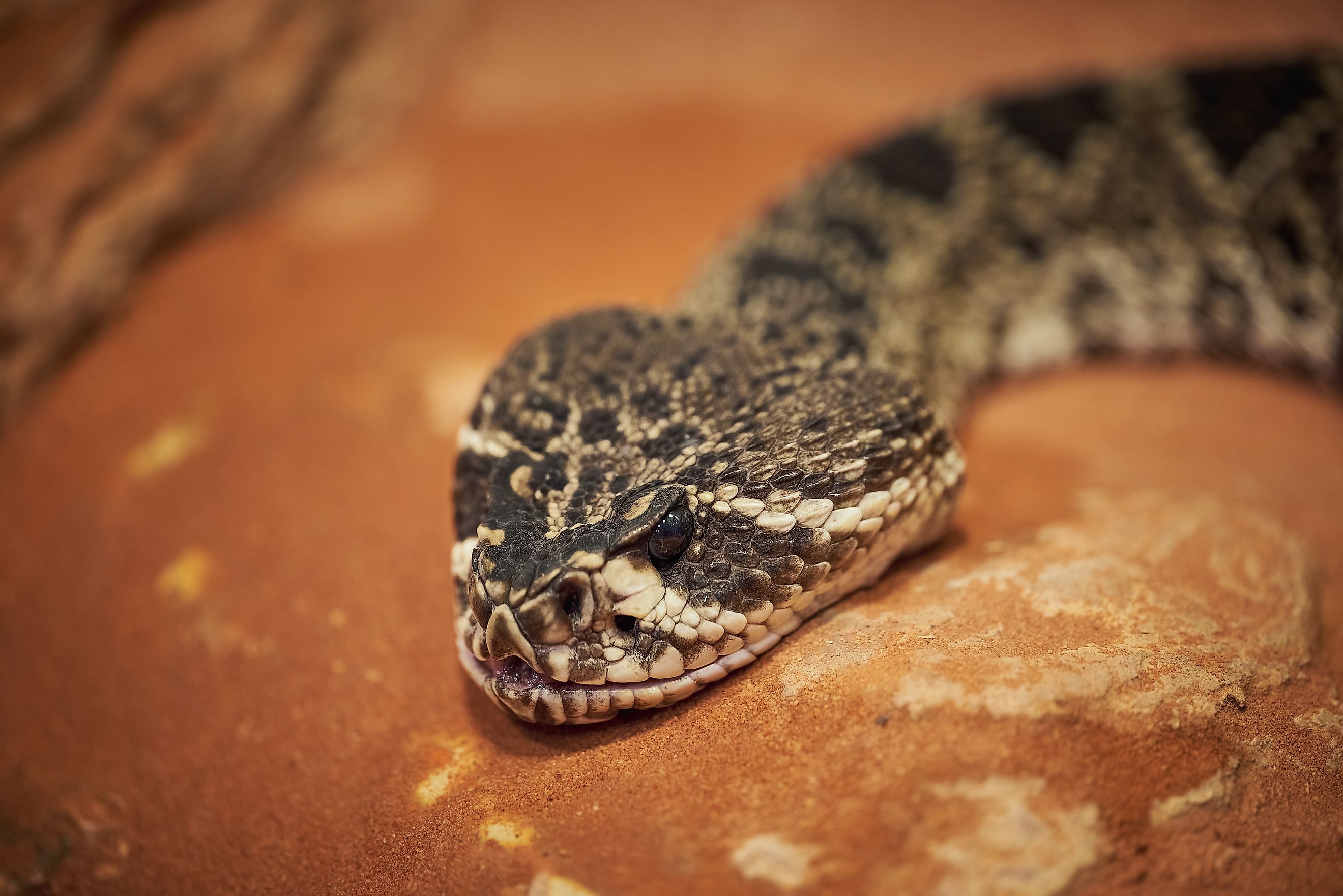
South Carolina's warm climate and diverse landscapes create an optimal habitat that rattlesnakes call home. From coastal marshes on barrier islands of South Carolina’s Atlantic coast, like Edisto Island, where rattlesnakes thrive, to the hilly uplands of Francis Marion National Forest, where rattlesnakes will den in the rocky outcrops and slopes, certain areas stand out as they combine cover, warmth, abundant prey, and space for rattlesnake populations to flourish. There are three species of rattlesnakes found in South Carolina: the timber rattlesnake (Crotalus horridus), the eastern diamondback rattlesnake (Crotalus adamanteus), and the pygmy rattlesnake (Sistrurus miliarius). This list highlights the six areas with the highest concentration of rattlesnakes.
Table Rock State Park

Timber rattlesnakes are the most common species of rattlesnake found in Table Rock State Park. Table Rock State Park is part of the foothills of the Blue Ridge Mountains. Table Rock is considered one of the most iconic natural landmarks in the entire state. It towers 3,197 feet above sea level, named for its broad summit resembling a table. Timber rattlesnakes are present throughout the mountainous regions of South Carolina, characteristically secretive in their behavior, and therefore often unseen.
Rattlesnakes usually den communally over the winter, but one study found that the rattlesnakes in Table Rock State Park denned individually in creek beds, stumps, and rock crevices. This information from the study was essential in creating a management plan for rattlesnakes. Even though they are feared by many, they play a crucial role in the ecosystem by managing populations of squirrels, chipmunks, and other small rodents. Rattlesnakes help regulate populations of rodents, which in turn can benefit local vegetation by reducing overbrowsing and seed predation.
Francis Marion National Forest

Francis Marion National Forest comprises over 250,000 acres of longleaf pine, cypress swamp, and marshes. The forest is bordered by Lake Moultrie to the west, the Santee River and Intracoastal Waterway to the east, and South Carolina Highway 98 to the south. The forest allows many outdoor recreational opportunities such as boating, horseback riding, mountain biking, and hiking.
Its diverse topography creates an ideal habitat for all three species of rattlesnakes in South Carolina. Timber rattlesnakes will utilize the mountainous and upland areas of the park, the eastern diamondback rattlesnake will inhabit the longleaf pine ecosystem, and the pygmy rattlesnake will be present in both upland pine forests and the edges of swamps.
Congaree National Park

Congaree National Park contains the largest intact expanse of old-growth bottomland hardwood forest remaining in the southeastern United States. Waters from the Congaree and Wateree Rivers flow through the floodplain, creating opportunities for canoeing and kayaking for all levels of experience. Additionally, there are 25 miles of hiking trails and 2.5 miles of boardwalk to explore.
There are four venomous snake species that call the park home, and one of them is the timber rattlesnake. Although they are found in mountainous and rocky areas, they are known to frequent a wide variety of habitats. In the coastal parts of the timber rattlesnake’s range, it is normally found in open pine or hardwood forests, which are found in abundance in Congaree National Park.
Carolina Sandhills National Wildlife Refuge

Carolina Sandhills National Wildlife Refuge protects 45,348 acres of sandhills habitats, including mature longleaf pine-turkey oak woodlands, bayhead swamps, grassy fields, pine plantations, and floodplain forests. The refuge is situated between the Atlantic coastal plain and the Piedmont Plateau. Many recreational opportunities are available at the refuge, including paved driving sections, three nature trails, two observation towers, a recreation area, and multiple ponds and lakes open for fishing. The timber rattlesnake is present in the park. In the coastal range of this species, it is referred to as the canebrake rattlesnake.
Edisto Island

Edisto Island is only 42 miles south of Charleston and is mostly undeveloped. It is a small island within the ACE Basin. The ACE Basin consists of over 1 million acres of forested wetlands, saltwater tidal marshes, and barrier islands. The diverse habitats and undeveloped areas of Edisto Island make it a desirable place for all three of South Carolina’s rattlesnakes to call home.
The timber rattlesnake is the most common species, widespread throughout woodlands, thickets, and fields. The eastern diamondback is the largest venomous snake in South Carolina, reaching lengths of up to seven feet. They are most commonly found on barrier islands and in pine savannahs. As strong swimmers, they are easily able to move between islands. Pygmy rattlesnakes are known to inhabit pine forests and freshwater wetlands.
Savannah River

The Savannah River is a major river in the southeastern United States. It is formed by the confluence of the Tugaloo and Seneca Rivers in Georgia. The river forms the boundary between Georgia and South Carolina. After flowing for a total distance of 314 miles, it empties into the Atlantic Ocean. In South Carolina, Timber Rattlesnakes are found on the coastal plain and along the Savannah River. The term “Canebrakes,” which timber rattlesnakes are sometimes referred to in their coastal range, originates from early naturalists who regularly observed timber rattlesnakes amongst canebrake thickets, a dense stand of native bamboo that formerly grew extensively along rivers and streams in the southeast.
Rattlesnakes of South Carolina
While the presence of rattlesnakes in South Carolina may be worrisome to many people, it is important to remember that they are a natural part of, and play a vital role in, the ecosystems they inhabit. Luckily, rattlesnakes typically avoid human contact and are most often found in quiet, undisturbed habitats. By staying alert, sticking to marked trails, and respecting wildlife, visitors can safely enjoy the boardwalks of Congaree National Park or the coastal landscapes of Edisto Island. Understanding where rattlesnakes are most common not only helps prevent encounters but also highlights their role in maintaining balanced, healthy ecosystems as they act as natural pest control.