5 Tick Infested Areas In Texas
Ticks are a growing problem across Texas, especially in warm, humid areas with tall grasses, dense brush, and heavy wildlife activity. The state is home to several tick species, but the Lone Star tick and American Dog tick are the most commonly encountered. These parasites can spread illnesses such as Ehrlichiosis, Rocky Mountain Spotted Fever, and Alpha-gal Syndrome, making them more than just a nuisance for hikers, hunters, campers, and outdoor workers.
Whether you are planning a weekend camping trip or simply exploring a new hiking trail, knowing where tick populations are especially dense can help you stay prepared. Here are five of the most tick-infested areas in Texas, along with what makes each an ideal environment for these tiny hitchhikers.
Big Thicket National Preserve

If there is one place in Texas where ticks feel right at home, it is Big Thicket National Preserve. Located in the lush forests of East Texas, this remarkable preserve contains swamps, pine forests, hardwood stands, and wetlands that support one of the most biologically diverse ecosystems in North America. The same conditions that make Big Thicket a haven for wildlife also make it prime tick habitat. Dense undergrowth, constant moisture, and abundant animal hosts such as deer, feral hogs, raccoons, and rodents create ideal conditions for large tick populations. With such a steady food source, it is no wonder that ticks thrive here.
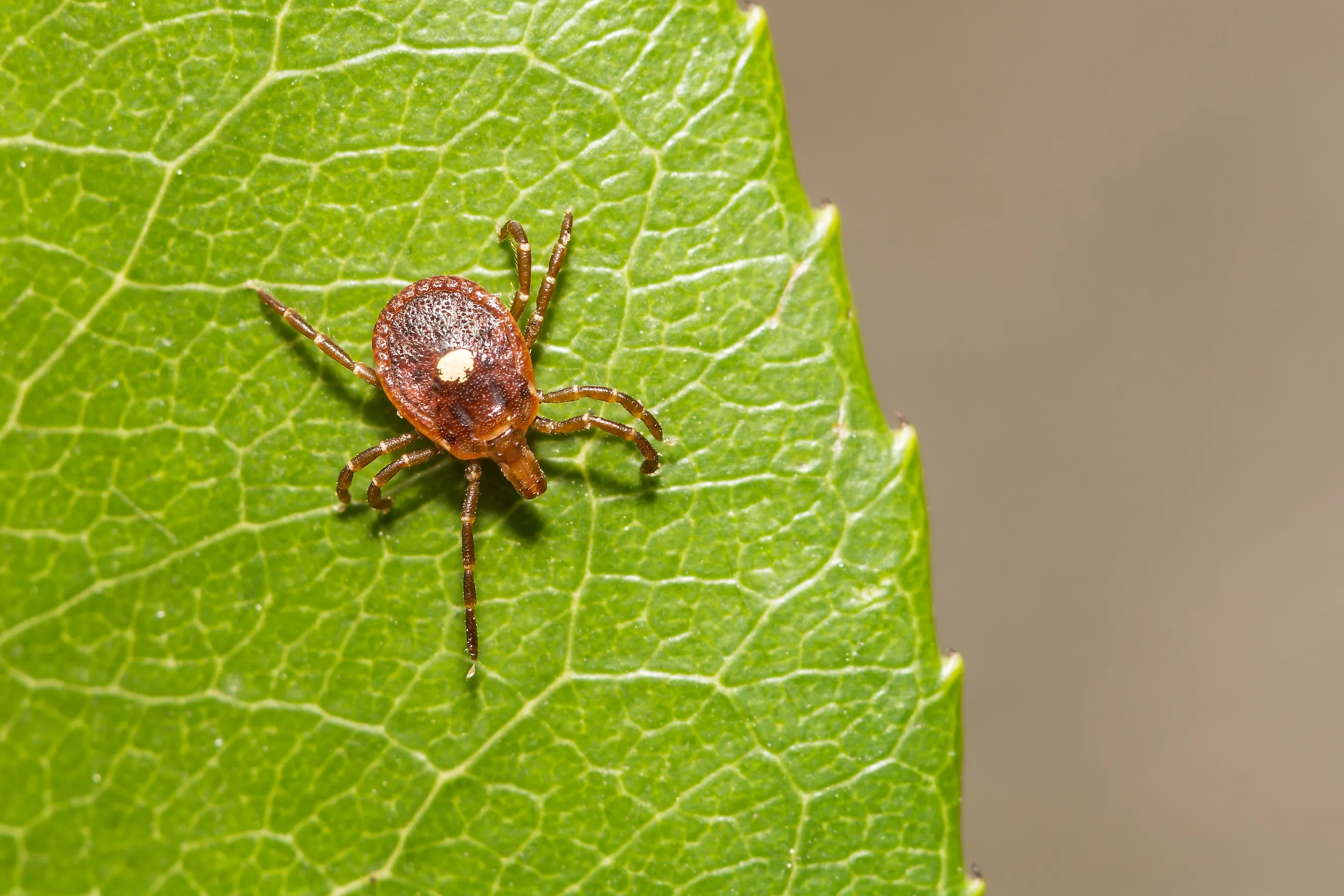
Lone Star ticks (Amblyomma americanum) are particularly common here, and visitors often encounter them while hiking or birdwatching. Hiking the Kirby Nature Trail carries a high risk of tick bites due to the varied forest terrain. They are active from early spring through late fall. Lone Star ticks are aggressive hunters and actively pursue hosts. The most common diseases they carry in Texas are Ehrlichiosis and Alpha-gal Syndrome. Ehrlichiosis causes flu-like symptoms, but if left untreated, it can lead to hospitalization. Alpha-gal Syndrome (AGS) is an allergy to red meat, meat products, and dairy that you develop after getting bitten.
Sam Houston National Forest

Just north of Houston, Sam Houston National Forest offers more than 160,000 acres of pine woods, lakes, and recreational opportunities. It is also one of the most tick-prone forests in the state. The forest's humid climate, thick vegetation, and plentiful wildlife create ideal conditions for ticks throughout much of the year. The famous Lone Star Hiking Trail, which stretches over 90 miles through the forest, passes through grassy corridors and wooded sections where ticks frequently wait on vegetation.
The two most common ticks you’ll find are the Lone Star tick and the American Dog tick (Dermacentor Variabilis). The most common illnesses present in Texas are Ehrlichiosis and AGS. The dog tick can carry Rocky Mountain Spotted Fever (RMSF) and Tularemia.
Texas Hill Country

The Texas Hill Country is renowned for its rolling hills, wildflowers, wineries, and charming communities such as Fredericksburg, Kerrville, and Bandera. It is also one of the best environments in Texas for Lone Star ticks. Popular outdoor areas like Enchanted Rock State Natural Area and the Guadalupe River trails draw people during the spring wildflower season. You’ll also find the American Dog tick in various parts of the hill country. Cedar thickets, oak woodlands, tall grasses, and large deer populations allow ticks to flourish throughout the region, especially near creek beds, shaded trails, and overgrown ranchland. Hunters, campers, and hikers often pick up ticks after brushing against low vegetation, particularly in spring and early summer when tick activity is at its highest. Mild winters also mean tick season lasts much longer here than in many other parts of the country.
When the wildflowers start to sprout, tick activity increases as well. Many people stop to take photos in the Bluebonnet fields during the spring, which is a perfect place to pick up one of these hitchhikers. The same tick-borne diseases found in other parts of Texas are also present here.
Lost Maples State Natural Area

Nestled in the Hill Country, Lost Maples State Natural Area is famous for its dramatic canyons, crystal-clear streams, and brilliant autumn foliage. It is widely considered one of the most beautiful parks in Texas, but it is also a place where ticks are commonly encountered. Leaf litter, shaded trails, and thriving wildlife populations provide excellent habitat for ticks. Visitors hiking to scenic overlooks or exploring the Sabinal River can easily brush against grasses and shrubs where ticks are waiting. The park is especially popular in the fall when the bigtooth maples turn brilliant shades of red and orange.
Lost Maples shares the same tick problem as the rest of the Texas Hill Country. Lone Star ticks and the American Dog tick are the most common found in this area. The same disease of Ehrlichiosis, Alpha-gal syndrome from the Lone Star tick, and RMSF and Tularemia from the American Dog tick.
South Texas Brush Country

South Texas Brush Country stretches across a vast region characterized by dense mesquite, thorn shrubs, and open ranchland. Cities such as Laredo and McAllen serve as gateways to this unique landscape. The area's warm climate and abundant wildlife, including deer, javelinas, and livestock, keep ticks active for extended periods. Hunters, ranchers, and birdwatchers frequently encounter ticks in this region. Although the landscape may appear sparse, the dense brush provides ample shelter for both ticks and the animals they feed on.
The most common tick species are the Lone Star tick and the Gulf Coast tick. The Lone Star tick is the most iconic, as it is one of the most aggressive tick species in the region. They cause Ehrlichiosis and Alpha-gal syndrome, which are their most common diseases. The Gulf Coast tick’s most associated pathogen is Rickettsia parkeri, which causes a form of spotted fever.
Stay Alert For These Ticks In Texas
Texas offers some of the most diverse and beautiful outdoor destinations in the United States, but many of these landscapes are also ideal habitats for ticks. From the swampy forests of Big Thicket to the thorny expanses of South Texas Brush Country, tick populations can be surprisingly dense. That should not discourage anyone from exploring these remarkable places. With a little preparation and awareness, you can safely enjoy everything the Lone Star State has to offer while keeping these tiny hitchhikers at bay