5 Tick Infested Areas In Minnesota
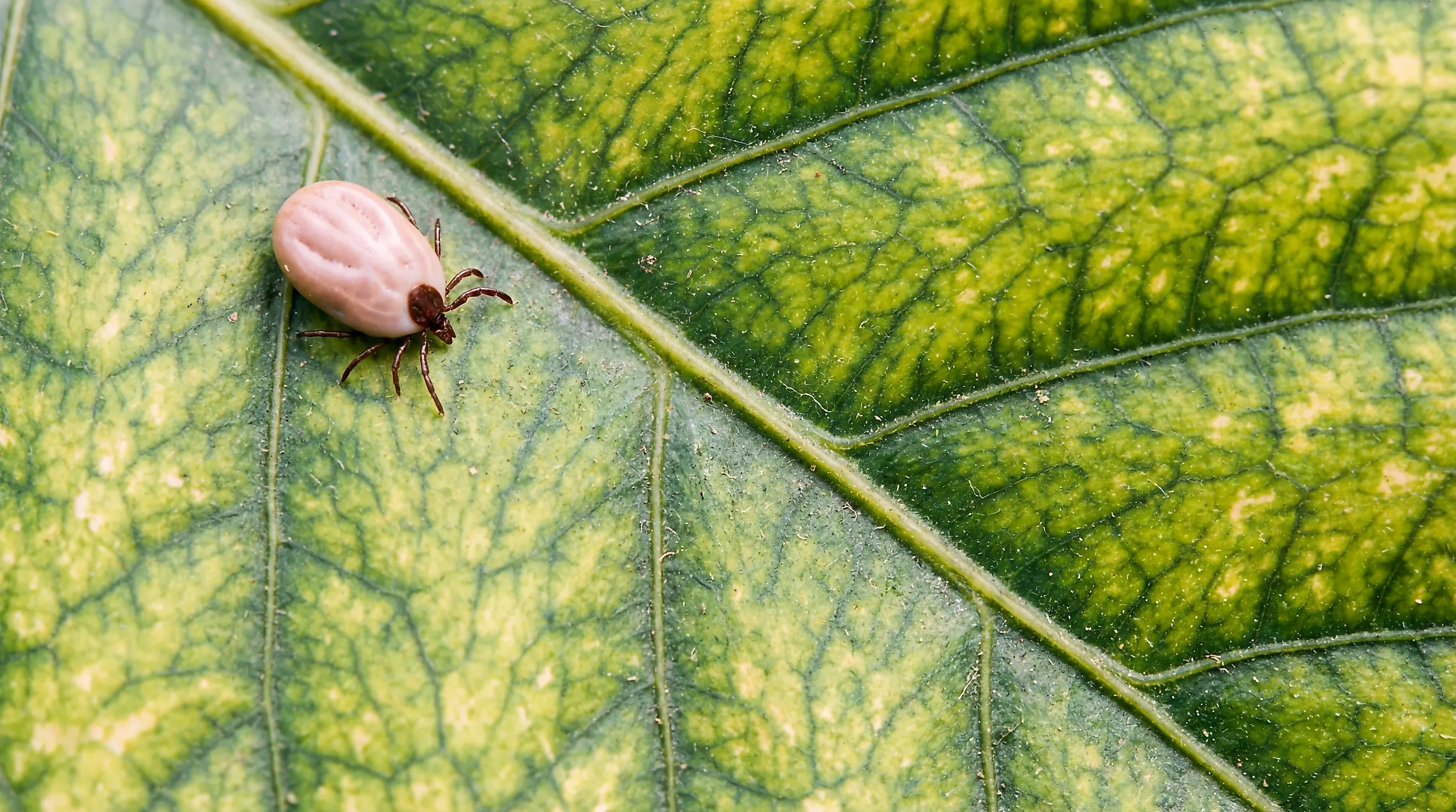
Minnesota provides suitable habitat for ticks, especially in the wooded and brushy areas of the central, eastern, and southeastern parts of the state. The blacklegged tick, also known as the deer tick (Ixodes scapularis), is responsible for most tick-borne diseases reported in Minnesota. According to the Minnesota Department of Health, blacklegged ticks can carry Lyme disease, anaplasmosis, and Powassan virus disease. The American dog tick, or wood tick (Dermacentor variabilis), is also commonly found throughout the state, while the lone star tick (Amblyomma americanum) is reported less frequently.
There are no precise statewide estimates of tick populations, but Minnesota health officials maintain surveillance maps showing where tick species have been reported and where populations are considered established. The state also tracks tick-borne disease prevalence by county, and those maps show a strong overlap between areas with established blacklegged tick populations and elevated disease risk. The following counties fall within some of the state's higher-risk regions for tick exposure and tick-borne illness.
Itasca County (Itasca State Park)

Itasca County sits in north-central Minnesota, in a region categorized by state health officials as high risk for tick-borne disease. The blacklegged tick does well here, in part because of the humid hardwood forests that cover much of the county. The main illness associated with the species is Lyme disease, which progresses in stages. Early symptoms can include fever, fatigue, headaches, muscle aches, and joint stiffness, often appearing within days or weeks of exposure. Many people also develop a bull's-eye rash, though not everyone does. If left untreated, symptoms can become more serious over time. Visitors should take precautions in places like Itasca State Park, established in 1891 and one of the oldest state parks in the country.
Crow Wing County (Crow Wing State Park)

Crow Wing County sits in central Minnesota, south of Itasca County and within the same broad high-risk band. Like its neighbors, it sees plenty of blacklegged ticks thanks to a combination of hardwood forest cover and humid summers. Beyond Lyme disease, blacklegged ticks can also transmit anaplasmosis, whose symptoms typically appear within one to two weeks of a bite and may include fever, chills, muscle aches, and fatigue. Crow Wing State Park, which sits along the Mississippi River, is worth particular attention.
Pine County (St. Croix State Park)

Pine County lies in east-central Minnesota, along the Wisconsin border, and carries the same elevated risk as much of the surrounding region. Another disease associated with blacklegged ticks here is Powassan virus disease, which can begin with fever, headaches, and weakness, and in severe cases lead to brain inflammation, confusion, difficulty speaking, and seizures. Residents and visitors should be cautious in wooded areas, including St. Croix State Park. At roughly 33,900 acres, it is the largest state park in Minnesota, and its hardwood stands along the St. Croix River create the kind of humid habitat blacklegged ticks favor.
Winona County (Whitewater State Park)

Winona County lies in southeastern Minnesota, within one of the state's higher-risk regions for tick-borne disease. One species commonly found in the area is the American dog tick, which prefers grassy fields, trail edges, and areas with lighter tree cover near forests. American dog ticks can transmit Rocky Mountain spotted fever, a rare but potentially serious bacterial illness, though the Minnesota Department of Health notes that disease transmission from these bites is uncommon in the state. Places like Whitewater State Park, with its wooded bluffs, river valleys, and extensive trail system along the Whitewater River, are typical of the habitat where these ticks turn up.
Hennepin County (Elm Creek Park Reserve)

Hennepin County, home to Minneapolis, sits on the edge of the state's blacklegged tick range and falls into the moderate-risk category. It is also one of the few counties where the lone star tick has been reported with any regularity, despite the species being uncommon statewide. Lone star ticks are associated with alpha-gal syndrome, an allergic condition triggered by red meat and other mammal-derived products that has drawn growing attention as the tick's range expands. Because lone star ticks favor wooded areas with thick undergrowth, sites like Elm Creek Park Reserve are worth approaching with care. The reserve covers about 4,900 acres of woods, wetlands, and prairie, with unpaved trails where ticks may turn up.
Dealing With Ticks
Minnesota residents should take extra precautions during peak tick season, which typically runs from spring through early fall, especially in the wooded and brushy parts of the state where blacklegged ticks are well established. Health officials recommend using EPA-registered insect repellents, staying on maintained trails, and wearing long clothing in higher-risk areas. The Minnesota Department of Health publishes detailed guidance on prevention, proper tick removal, symptoms of tick-borne illnesses, and county-level disease data. Residents can also report ticks and submit photos to the department's Vectorborne Diseases Unit, which uses the information for statewide surveillance.