5 Tick Infested Areas In New Jersey
New Jersey encompasses one of the most densely populated regions in the country, largely covered by busy towns and cities. But by late May, its limited selection of wilderness areas will begin to see heavy tick activity, especially after periods of rain and humidity.
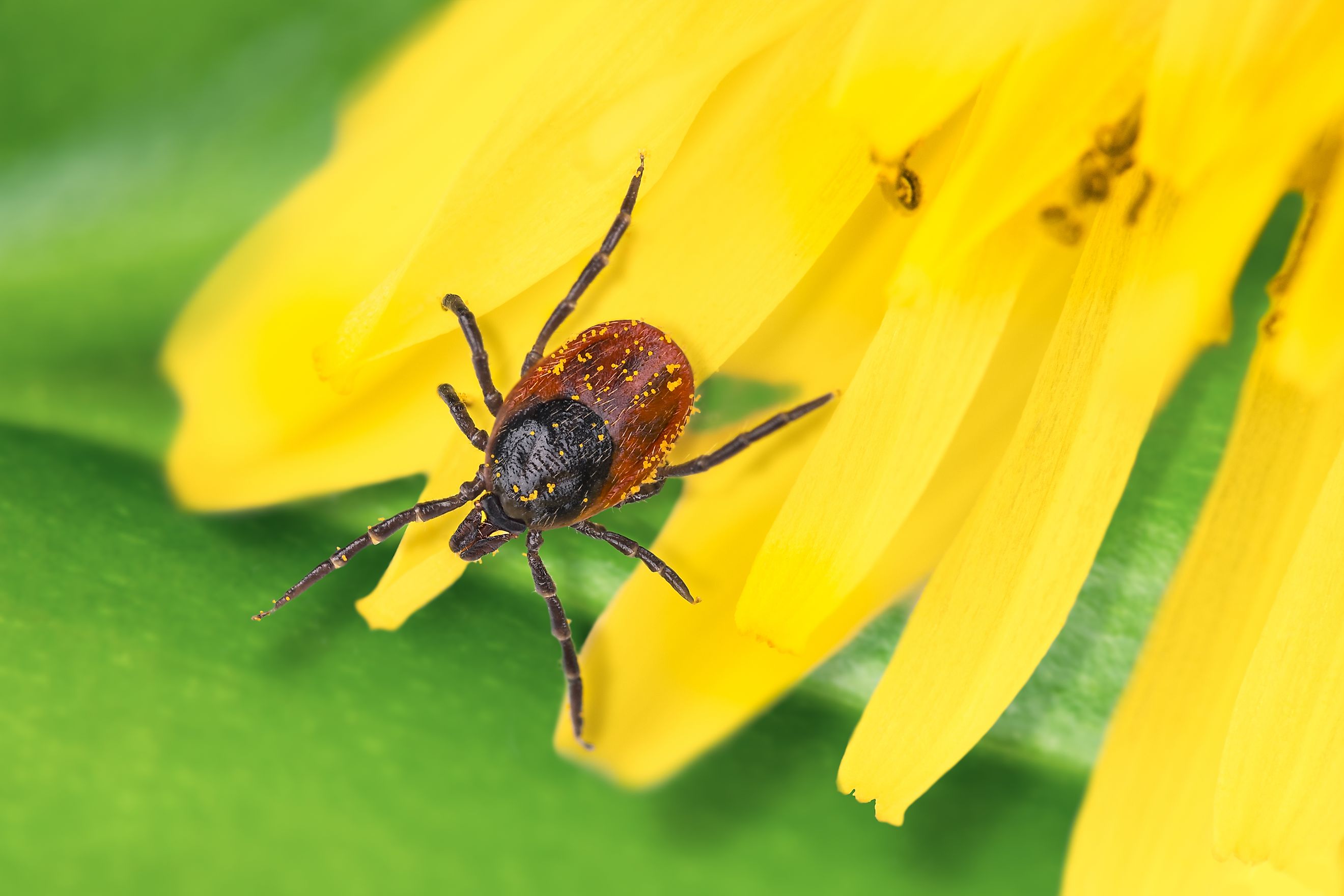
Blacklegged ticks (also known as deer ticks) and American dog ticks now occur across large sections of the state, from the Pine Barrens to the forested ridges near the Delaware Water Gap. Wildlife surveys have also shown lone star ticks expanding farther north in recent years.
With that in mind, New Jersey continues to report thousands of Lyme disease cases annually, and health officials have also documented ehrlichiosis, babesiosis, and spotted fever illnesses linked to tick bites. Many of the state’s worst hotspots, unfortunately, are popular hiking, camping, and fishing destinations, too, where thick wildlife and thick vegetation allow tick populations to thrive. Here are 5 places you should watch out for the next time you head out into the great outdoors in New Jersey this season.
Island Beach State Park

On the Atlantic coast, the marshes and maritime forests around Island Beach State Park have become one of New Jersey’s most active tick habitats. Here, you'll find stands of beach plum, eastern red cedar, and dune grasses that create the right amount of humid cover for species like blacklegged ticks, better known as deer ticks, as the temperatures this year warm up. In fact, black-legged ticks are the primary carriers of Lyme disease in the Garden State, making caution ever more important. American dog ticks are also common in the sandy grasslands near parking lots and picnic areas.

White-tailed deer, prolific carriers of ticks, regularly move through the park’s wooded sections, while migrating birds can transport immature ticks into new areas each season as well. Furthermore, visitors walking the park’s interior trails may often encounter ticks brushing onto clothing from low vegetation, particularly from late spring through early autumn.
Despite its idyllic coastal setting, salt air (which some say inhibits tick populations) does little to limit resident tick populations once they establish themselves in Beach State Park's shaded forest patches behind the dunes.
Wharton State Forest

Further inland, Wharton State Forest boasts among the most well-known concentrations of ticks in the Pine Barrens. The forest’s diverse blend of oak-pine woodland, cedar swamps, and sandy fire roads creates an ideal habitat for lone star ticks, identified by the white dot on their backs. They're a fast-spreading species, originally from more temperate regions down south, now firmly established across much of southern New Jersey.
Unlike deer ticks, lone star ticks actively pursue hosts rather than waiting on plantlife, making hikers and campers more likely to notice multiple ticks at once. The species is linked to ehrlichiosis and has also been associated with alpha-gal syndrome, a red meat allergy triggered by certain tick bites. If you enjoy steak, you'd better be extra careful while passing through this spot!

American dog ticks and blacklegged ticks are also widespread throughout this forest, especially near damp lowlands and wildlife corridors, and areas with heavy populations of white-tailed deer, raccoons, wild turkeys, and small mammals that further allow ticks of all kinds to travel across nearly every section of Wharton year after year.
High Point State Park

Up in northern New Jersey, High Point State Park has developed a reputation for its dense tick populations across its forested ridges and meadow edges. The park’s cooler elevation and thick deciduous woodland provide excellent conditions for blacklegged ticks, which thrive in moist leaf litter beneath oak and maple trees. Lyme disease cases have also remained especially common across Sussex County for years, largely due to the abundance of infected deer ticks in wooded recreational areas like this one.

Hikers using the Appalachian Trail section through the park frequently pass through brushy transition zones where ticks gather on tall grasses and low shrubs waiting for hosts. Regardless of what you're in the area for, be aware of lone star ticks, too, which have also expanded into the region as warmer winters allow the species to survive farther north.
Local carriers include chipmunks, mice, and white-footed mice, all of which play a major role in maintaining the area's Lyme disease cycle by infecting young ticks that later feed on larger animals and humans.
Delaware Water Gap National Recreation Area

On the banks of the Delaware River, the Delaware Water Gap National Recreation Area is a popular sightseeing destination. Along with its larger wildlife, it also contains a decent amount of tick-friendly habitat spread across its floodplain forests, rocky slopes, and network of trail systems.
Like in the rest of the state, blacklegged ticks are especially abundant in the park’s more shaded woodland sections, where damp soil and thick leaf fall help them survive through dry summer periods. This often-busy recreation area also supports large numbers of lone star ticks, particularly in grassy clearings and brushy river edges.

Because the park spans both New Jersey and Pennsylvania, wildlife moves freely across a massive, uninterrupted habitat network, allowing ticks to spread widely through deer, foxes, coyotes, and migratory birds. With that, local campgrounds and trailheads often see the highest human exposure because in these spots, visitors spend a lot more time away from maintained spaces and into woody, off-the-beaten-path areas.
Tick activity in Delaware Water Gap typically spikes from May through September/October, though adult deer ticks can even remain somewhat active during mild winter conditions whenever temperatures rise above freezing for several consecutive days.
Cheesequake State Park

In central New Jersey, Cheesequake State Park sits within a rare transition zone where the state’s coastal marshes meet higher elevation hardwood forest, creating a unique space for several tick species at once. Blacklegged ticks, yet again, are common along the wooded hiking trails, particularly in and around ravines and leaf-covered sections near the park’s freshwater wetlands. Moreover, lone star ticks have expanded rapidly through the area, aided by its healthy deer populations and increasingly mild winters as time goes on.
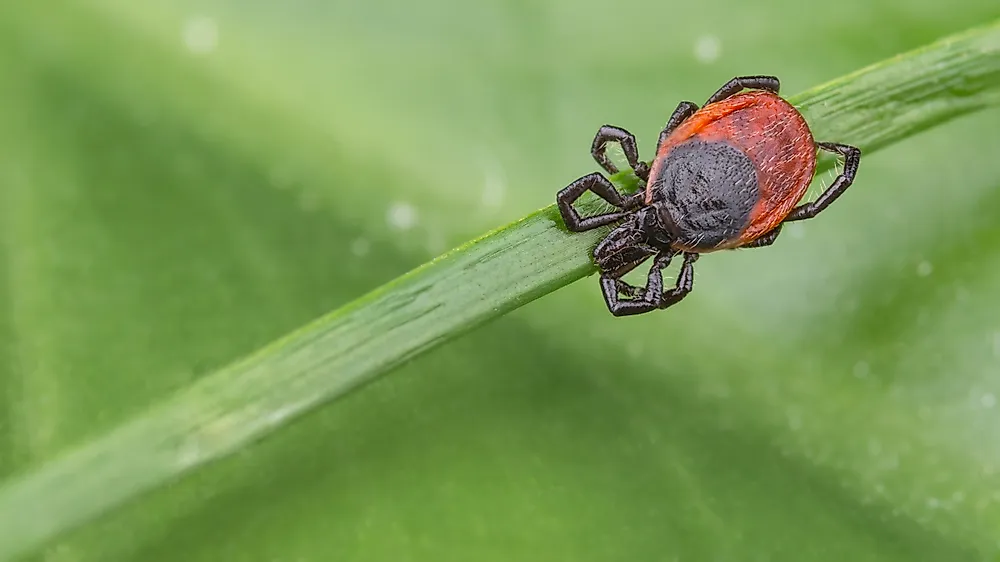
The park’s mixture of salt marshes, pine barrens, and deciduous forests offers a well-rounded taste of New Jersey's native ecosystems, supporting a wide range of wildlife hosts as well, including raccoons, opossums, squirrels, and birds that transport immature ticks between habitats. Here, you too have a good chance of picking up ticks while walking many of its narrow trails bordered by overgrown vegetation, especially during late spring and early summer.
Even short walks through brushy areas can result in exposure because many ticks in Cheesequake State Park (and several other spots across the state, for that matter) tend to wait low to the ground rather than climbing high into trees or shrubs.
Be Tick Safe in New Jersey this Year
From spring through early fall, New Jersey's residents and visitors alike using its wooded parks, hunting lands, and shoreline trails should expect active tick populations in much of the state. For more info, the New Jersey Department of Health tracks Lyme disease cases and other tick-borne illnesses annually, while Rutgers University’s "NJ Ticks 4 Science" program also helps identify submitted ticks and monitors expanding species like the lone star tick.
But for some quick tips right now- wear long clothing when hiking in heavily wooded and grassy areas, and scan for ticks on your body before getting back into your vehicle or home. If a tick does make its way onto your skin, use tweezers to pull it off and then sanitize the area, monitoring it and your overall health in the coming days to weeks.