5 Best Natural Wonders To Visit In Minnesota This Year
Minnesota's natural landscape covers more than just lakes and forests. The state holds volcanic cliffs along the Lake Superior shoreline, an ancient underground cave system in the southeast, and sacred quartzite formations in the southwest. Waterfalls fed by border rivers and inland streams round out the geological diversity. The five natural wonders ahead show how varied Minnesota's terrain has become through volcanic activity and glacial movement. Each one rewards a long visit with views few other Midwest states can match.
Gooseberry Falls State Park

One of Minnesota's most visited natural attractions, Gooseberry Falls State Park is famous for its series of waterfalls flowing over dark volcanic rock along the North Shore of Lake Superior. The falls were formed over a billion years ago during intense volcanic activity that created layers of basalt rock across the region. Over time, the Gooseberry River gradually carved through these hardened rock formations, creating the dramatic waterfalls seen today.

The park features several waterfalls of varying heights connected by forested hiking trails and stone bridges originally built by the Civilian Conservation Corps during the 1930s. The combination of roaring waterfalls, rugged cliffs, and scenic lake views has made Gooseberry Falls one of the most photographed destinations in Minnesota. During spring, as the snow melts, the waterfalls become especially powerful as rushing water surges through the rocky riverbed. In autumn, the surrounding forests transform into shades of red, orange, and gold, adding to the park's striking scenery.
Best time to visit: Spring for peak waterfall flow or September to October for autumn foliage.
High Falls Of The Pigeon River

Located within Grand Portage State Park sharing the Canadian border, the High Falls of the Pigeon River is the tallest waterfall in Minnesota, plunging nearly 37 metres into a steep rocky gorge below. The waterfall exists because of the region's ancient volcanic bedrock and centuries of erosion caused by the powerful river. Over time, rushing water slowly wore away softer layers of rock while harder volcanic formations remained intact, eventually creating the dramatic drop that defines the falls today.
The Pigeon River also serves as part of the border between Minnesota and Ontario, making the waterfall both a geological and geographical landmark. Elevated viewing platforms allow visitors to observe the immense force of the water as it crashes through the narrow canyon surrounded by thick northern forests. During spring and early summer, rainbows often emerge when melting snow and seasonal rainfall dramatically increase the river's flow, making the falls even more impressive. The surrounding wilderness also provides habitat for wildlife including moose, black bears, and bald eagles.
Best time to visit: Late spring through early autumn for stronger water flow and accessible trails.
Niagara Cave

Hidden beneath the rolling farmland of southeastern Minnesota, Niagara Cave is one of the Midwest's most fascinating and unexpected underground landscapes. Formed over millions of years, the cave developed through a process known as chemical weathering, where slightly acidic groundwater slowly dissolved layers of limestone beneath the earth's surface. As the rock eroded, tunnels, chambers, underground streams, and massive cave formations gradually took shape.
Today, Niagara Cave stretches deep underground and features stalactites, stalagmites, fossils, crystal formations, and even a subterranean waterfall measuring nearly 18 metres tall. The cave's cool temperatures and dramatic rock formations create an entirely different world beneath Minnesota's countryside. Fossils embedded within the limestone walls reveal that the area was once covered by an ancient shallow sea hundreds of millions of years ago. Guided tours allow visitors to descend far below the surface and explore the winding passageways carved naturally by water over time. The cave's geological history and unusual underground scenery make it one of Minnesota's most distinctive natural wonders.
Best time to visit: Summer for guided tours and comfortable travel conditions.
Palisade Head

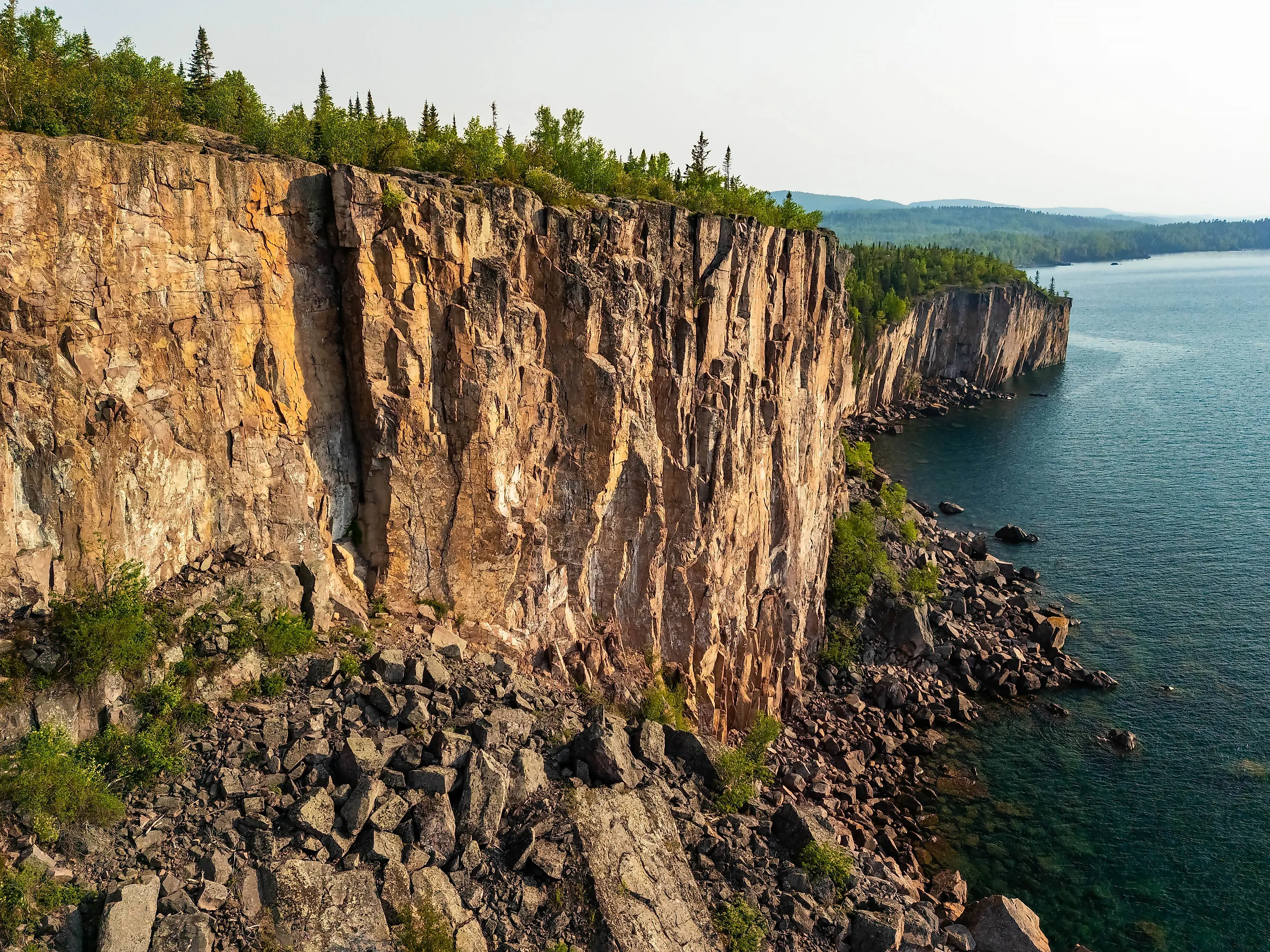
Rising nearly 300 feet above Lake Superior, Palisade Head is one of the most dramatic cliff formations in Minnesota. The massive rock face was formed over a billion years ago as volcanic lava cooled and hardened into dark igneous rock along the North Shore. Over time, glaciers and erosion shaped the cliffs into the steep formations that tower above the lake today.

The overlook offers panoramic views of Lake Superior, dense forests, and the rugged shoreline below. Because of its height and striking appearance, Palisade Head has become a popular destination for photographers, hikers, and rock climbers. The cliff's volcanic origins are especially visible in the layered rock formations that line its steep walls. During sunrise and sunset, the cliffs glow in shades of orange and gold against the deep blue waters of Lake Superior, creating one of the state's most scenic landscapes. In colder months, the surrounding shoreline often becomes covered in snow and ice, giving the area an otherworldly appearance.
Best time to visit: Summer and early autumn for clear views and scenic drives.
Pipestone National Monument

Pipestone National Monument is one of Minnesota's most culturally and geologically significant natural sites. The monument is known for its striking red quartzite cliffs and deposits of pipestone, a soft reddish rock traditionally used by Indigenous peoples to carve ceremonial pipes. The rock formed hundreds of millions of years ago when layers of sediment were compressed beneath ancient seas and transformed through heat and pressure into quartzite and pipestone deposits.

For centuries, Indigenous communities from across North America have travelled to the site to quarry pipestone for spiritual and ceremonial purposes. Today, the monument preserves both the natural landscape and its cultural importance. Beyond its historical significance, Pipestone also features prairie landscapes, small waterfalls, and unusual rock formations that contrast sharply with the surrounding plains. Walking trails wind through tallgrass prairie ecosystems and past weathered stone outcrops shaped by erosion over thousands of years. The combination of natural beauty, ancient geology, and Indigenous history makes Pipestone National Monument one of the most distinctive destinations in Minnesota.
Best time to visit: Late spring through early autumn for mild weather and blooming prairie scenery.
Minnesota's Geological Range
Minnesota may be best known for its thousands of lakes and freezing winters, but the state holds some of the Midwest's most remarkable natural landscapes. Volcanic cliffs along the North Shore, underground caves in the southeast, sacred quartzite formations on the prairies, and waterfalls along the Canadian border show how varied the state's terrain has become through millions of years of geological forces. Glaciers, volcanic activity, rushing rivers, and erosion have all helped shape the scenery found throughout the state today. Whether hidden beneath the earth or perched high above Lake Superior, these natural wonders make a case for a Minnesota worth exploring beyond the lake-country reputation.