4 Copperhead Snake Hotspots In Virginia
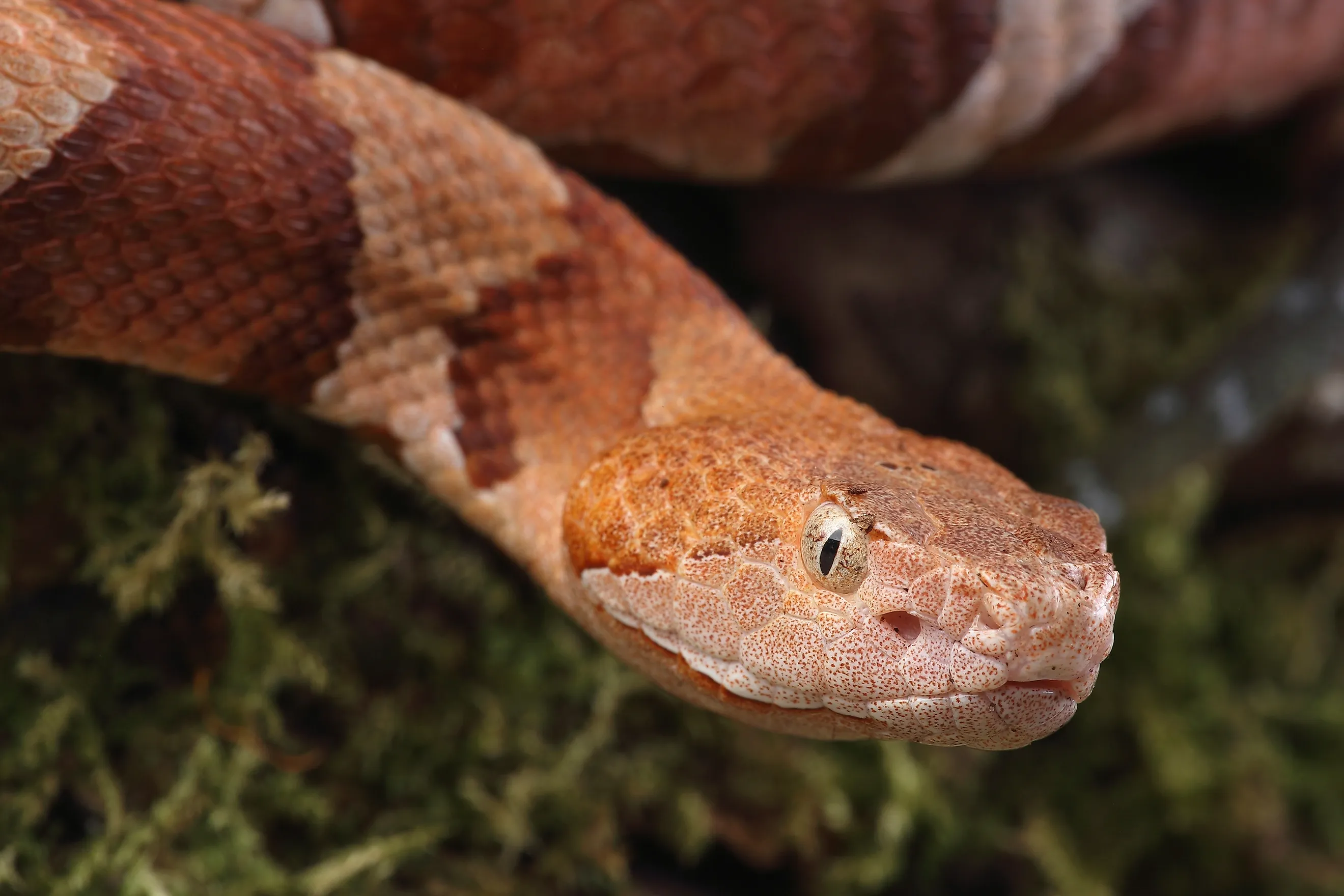
Virginia has around 30 species of snakes, but only three are venomous: the copperhead, timber rattlesnake, and cottonmouth. Of these, the copperhead is the most commonly encountered. It ranges across nearly the entire state and blends so convincingly into leaf litter and rocky ground that many people don't notice one until they're already too close. Copperheads avoid confrontation when possible, but certain areas provide what they need: abundant prey, warm ground, and dense cover. Those conditions appear in both mountain parks and coastal wetlands across the state. Here are four places where encounters are more likely, along with practical advice on staying safe.
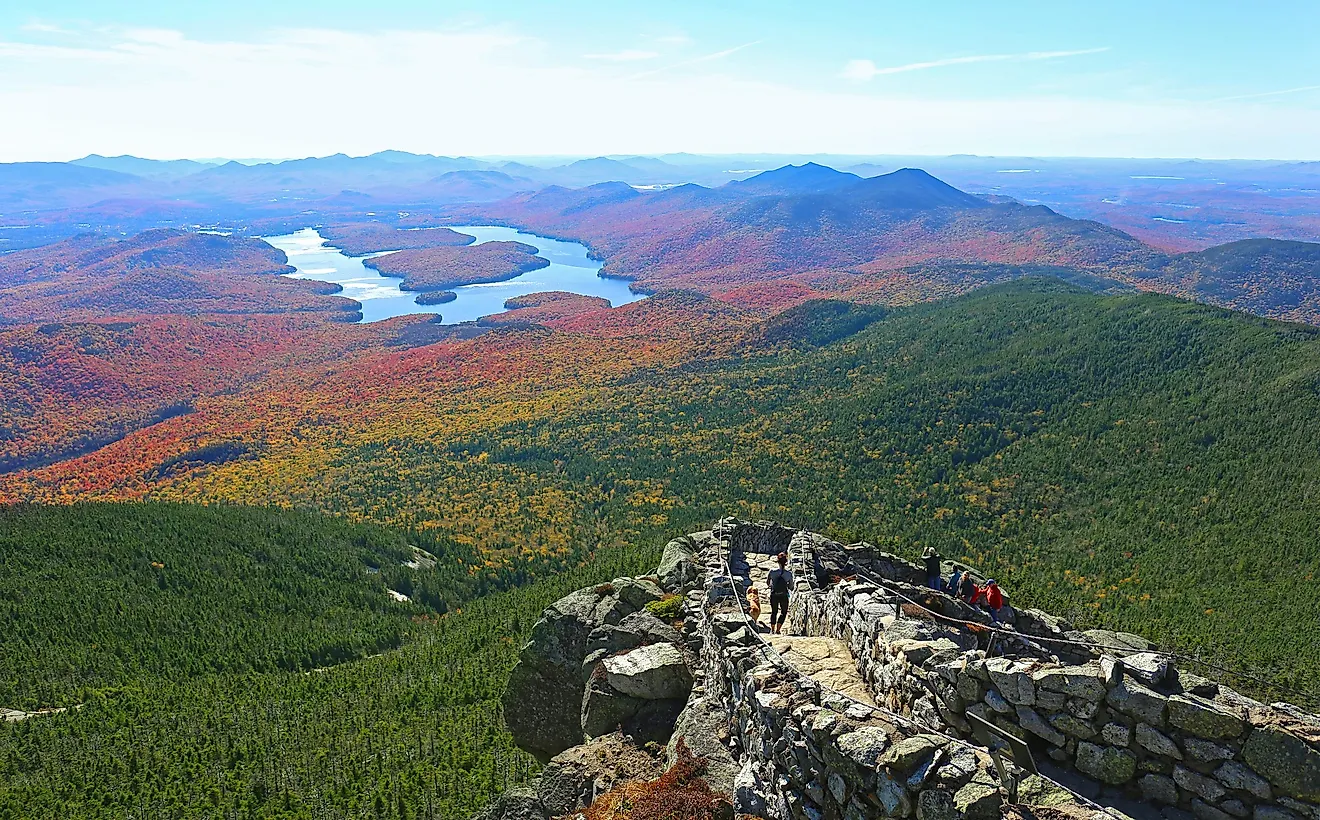
Shenandoah National Park

Virginia’s only national park, Shenandoah National Park, stretches along the Blue Ridge Mountains and is one of the most scenic natural areas in Virginia. Covering over 200,000 acres, this massive park encompasses a mix of rocky ridges, dense forests, and streams, the ideal habitat for copperheads. The abundance of leaf litter, fallen logs, and rocky crevices provides excellent hiding spots, while small animals such as rodents and amphibians serve as a reliable food source. Their copper-and-tan banding blends right into that kind of terrain, which makes them tough to spot. Though they don’t seek to encounter humans, they do like to bask in the sun as well, making encounters during warmer months more common. Because of the park’s popularity with hikers and campers, sightings are possible, though snakes are generally elusive.
Visitors should remain alert, particularly when stepping over rocks or logs where a well-camouflaged snake may be resting. Staying aware of your surroundings and recognizing you’re in copperhead territory is the best way to avoid a negative encounter. For visitors who would rather skip the risk but still see the park, there is a good option. The Skyline Drive is a 105-mile roadway that runs the entire length of Shenandoah National Park. Enjoy the scenic overlooks of some of Virginia’s most beautiful landscapes, all from the comfort of your car.
George Washington and Jefferson National Forests

Covering nearly 1.8 million acres in western Virginia, with small parts in West Virginia and Kentucky, the George Washington and Jefferson National Forests provide vast, protected wilderness areas. This region spans the Appalachian and Allegheny Mountains, and its varied terrain suits copperheads well. Rocky hillsides, deciduous forests, and dense vegetation provide these snakes with ample shelter and basking sites. The forests are also rich in prey, supporting a healthy population of small mammals and other wildlife that copperheads depend on.
Because of the size and remoteness of these forests, copperheads are widely distributed, and hikers, hunters, and campers may encounter them in suitable habitats. Because of the forests’ size, three visitor centers offer information on different trails and activities, so you can explore safely alongside the wildlife. If you do encounter a copperhead snake, try to give it space and back away safely.
Great Dismal Swamp National Wildlife Refuge

The Great Dismal Swamp, located in southeastern Virginia and northeastern North Carolina, is a massive wetland ecosystem covering about 113,000 acres. This swamp used to cover over a million acres, but the refuge is the largest intact remnant of that much larger wetland. This unique environment is home to a diverse array of wildlife, including copperheads. Unlike mountain habitats, this region features swampy forests, slow-moving waterways, and dense vegetation. Copperheads do well here thanks to the abundance of amphibians, insects, and small mammals, often staying near water or along forest edges.
While snakes can be harder to spot in dense wetlands, visitors exploring trails and even the elevated boardwalk should remain cautious, especially during the warmer seasons when snake activity peaks. The refuge encourages wildlife watching, and binoculars and field guides are available for loan at its main office.
Pocahontas State Park

Located just outside Richmond in Chesterfield County, Pocahontas State Park is the largest state park in Virginia and a well-known hub for outdoor recreation. Its landscape of forests, trails, lakes, and wetlands is perfect for fishing, kayaking, biking, and hiking, but those same features also create ideal conditions for copperheads. Central Virginia commonly sees copperhead sightings and bites, and the mix of wooded areas and human development can increase the chances of encounters. Copperheads often hide under brush piles, logs, and even man-made structures near campsites and trails.
With large numbers of visitors enjoying hiking, biking, and camping, this park is a place where human-snake interactions are more likely, especially during the warmer months. To learn more about how this park was developed, visit the Civilian Conservation Corps museum at Pocahontas State Park. This museum will give visitors a better understanding of the CCC, the original six Virginia State Parks, and the creation of Pocahontas State Park. By staying on designated trails, a copperhead encounter is far less likely.
Staying Safe in Copperhead Territory
Even in these hotspots, copperheads are not aggressive and typically rely on camouflage to avoid detection. Copperheads do not want to encounter humans as much as humans don’t want to encounter them. Most bites occur when someone accidentally steps too close or tries to handle a snake. This is why the most important thing you can do is be aware of your surroundings while in copperhead territory. A few other simple tips are to watch where you step, especially in leaf litter or rocky terrain; avoid reaching into unseen spaces, such as logs or brush piles; wear sturdy footwear while hiking; and give any snake you see plenty of space.