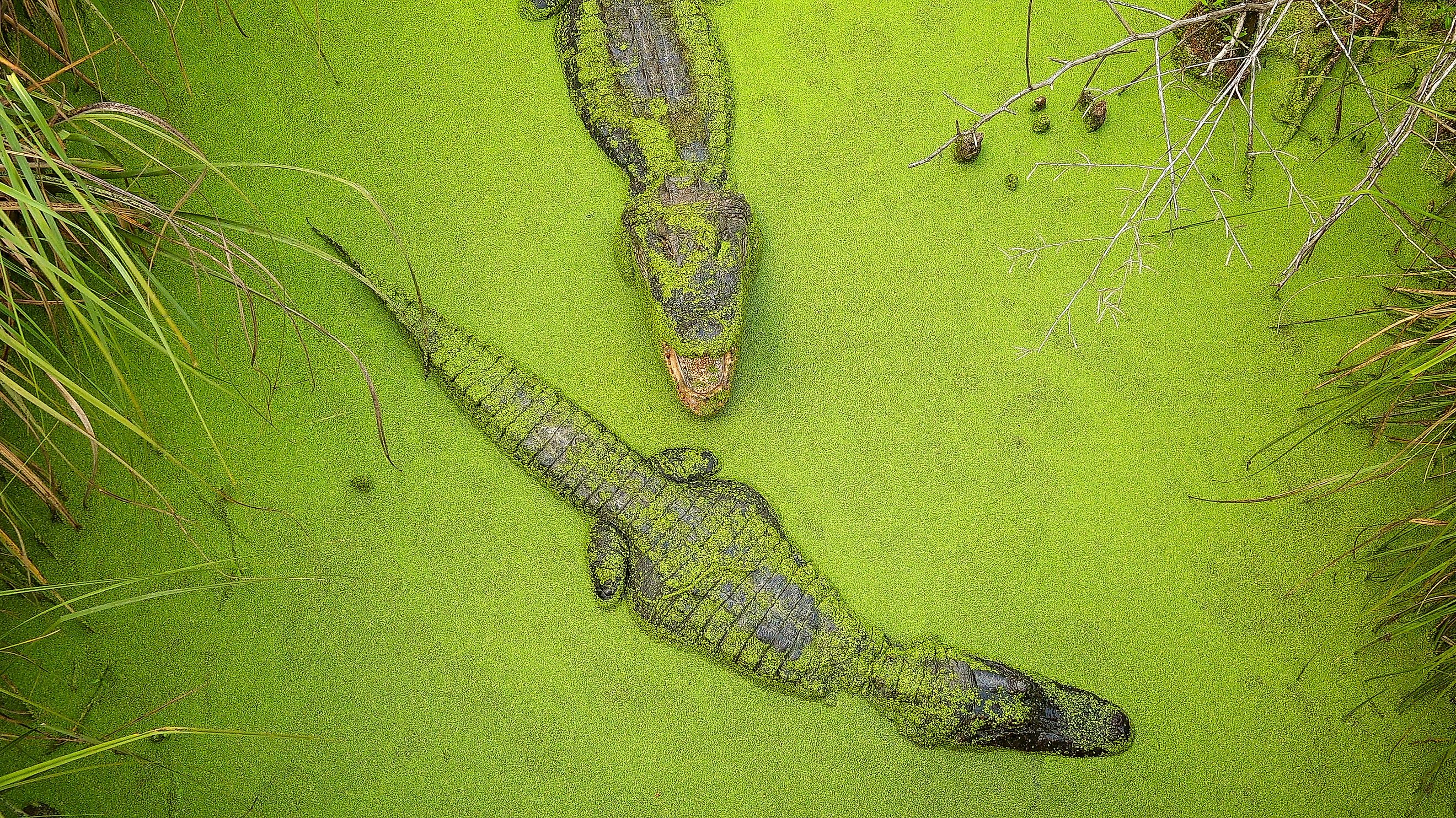
The Quietest Time to See Alligators in America's National Parks
Here is the frustrating paradox of alligator watching in America's national parks: the very best time to see them, when the water drops and gators pile into shrinking pools, is also the busiest tourist season. But with a little strategy, you can have the swamp, and its scaly residents, nearly to yourself. Here is how to time a visit for great viewing and genuine peace and quiet.
The Dry Season Is Prime Viewing

In the subtropical parks of Florida and the Gulf Coast, the dry season runs roughly from November through April, and it is hands-down the best stretch for spotting gators. As water levels steadily fall, alligators concentrate into the last remaining ponds and "gator holes," sometimes gathering dozens deep in a single shrinking pool. The cooler air also coaxes them out to bask in the open sun. The one catch, of course, is that this is peak tourist season, so the marquee spots like the Everglades' Anhinga Trail can get genuinely packed.
Go Early in the Morning

The single most effective trick for beating the crowds is wonderfully simple: show up at dawn. Because alligators are cold-blooded, on cool mornings they haul themselves out of the water to soak up the first sun of the day, which means they are often at their most visible early. Just as importantly, the tour buses and midday crowds have not arrived yet, the light is soft and golden, and the air is still cool. An hour after sunrise on a quiet boardwalk can feel like having the entire swamp to yourself.
Aim for the Shoulder Months

If you want dry-season conditions without the dry-season mob, target the edges of the season. In the Everglades, the heaviest crowds pile in around December and March, while November and early February offer nearly identical wildlife viewing with noticeably thinner crowds. You still get the concentrated gators and the comfortable, low-humidity weather, just minus a big chunk of the people. And no matter the month, weekdays are always quieter than weekends and holidays, so a Tuesday will nearly always beat a Saturday.
The Off-Season Trade-Off

For maximum solitude, the wet season, running roughly from May through October, empties the parks out almost entirely. Gators are actually more active in the heat, feeding and even bellowing during the spring mating season, and late summer brings tiny hatchlings. The trade-off is real, though. High water lets the alligators disperse widely instead of concentrating, so they become much harder to find, and you will be contending with brutal heat, thick clouds of mosquitoes, and near-daily afternoon thunderstorms. If you do brave it, go at dawn or dusk, when the gators bask and the storms tend to hold off.
Pick a Quieter Park or Trail

Finally, remember that not all gator country is created equal when it comes to crowds. The Everglades' Anhinga Trail is spectacular but famously busy. Right next door, Big Cypress National Preserve offers similarly excellent gator viewing with only a fraction of the visitors. Quieter parks like Congaree in South Carolina and Jean Lafitte in Louisiana also let you watch gators in real peace. Skip the famous boardwalk at midday, choose the trail less traveled, and you can swap the crowds for the far more fitting soundtrack of a swamp: birdsong, rustling reeds, and the occasional low grumble of a gator.