The National Parks That Are Emptiest In Shoulder Season
The National Park Service recorded 323 million recreation visits in 2025, with visitation varying widely by unit and season. April to May and September to November are often considered shoulder seasons, although travel conditions at each park vary during these periods. The National Park Service's Integrated Resource Management Applications (IRMA) database reports visitation by calendar year, and the comparisons below use calendar-year 2025 data for every park. Across the 63 national parks, five parks in Alaska, Michigan, and Washington recorded the lowest combined recreation-visit totals during April to May and September to November 2025.
Gates of the Arctic National Park and Preserve, Alaska

Gates of the Arctic is one of the least-visited national parks in the United States; June and July together accounted for only 8,430 visits, or more than half of the year's total, a trend that intensifies during the shoulder seasons. In 2025, the park recorded 14,923 recreational visits. NPS monthly data show that October recorded no recreational visits, while May accounted for 925 visits across the park's 8.5 million acres. In September, there were 1,937 visits before the October decline.
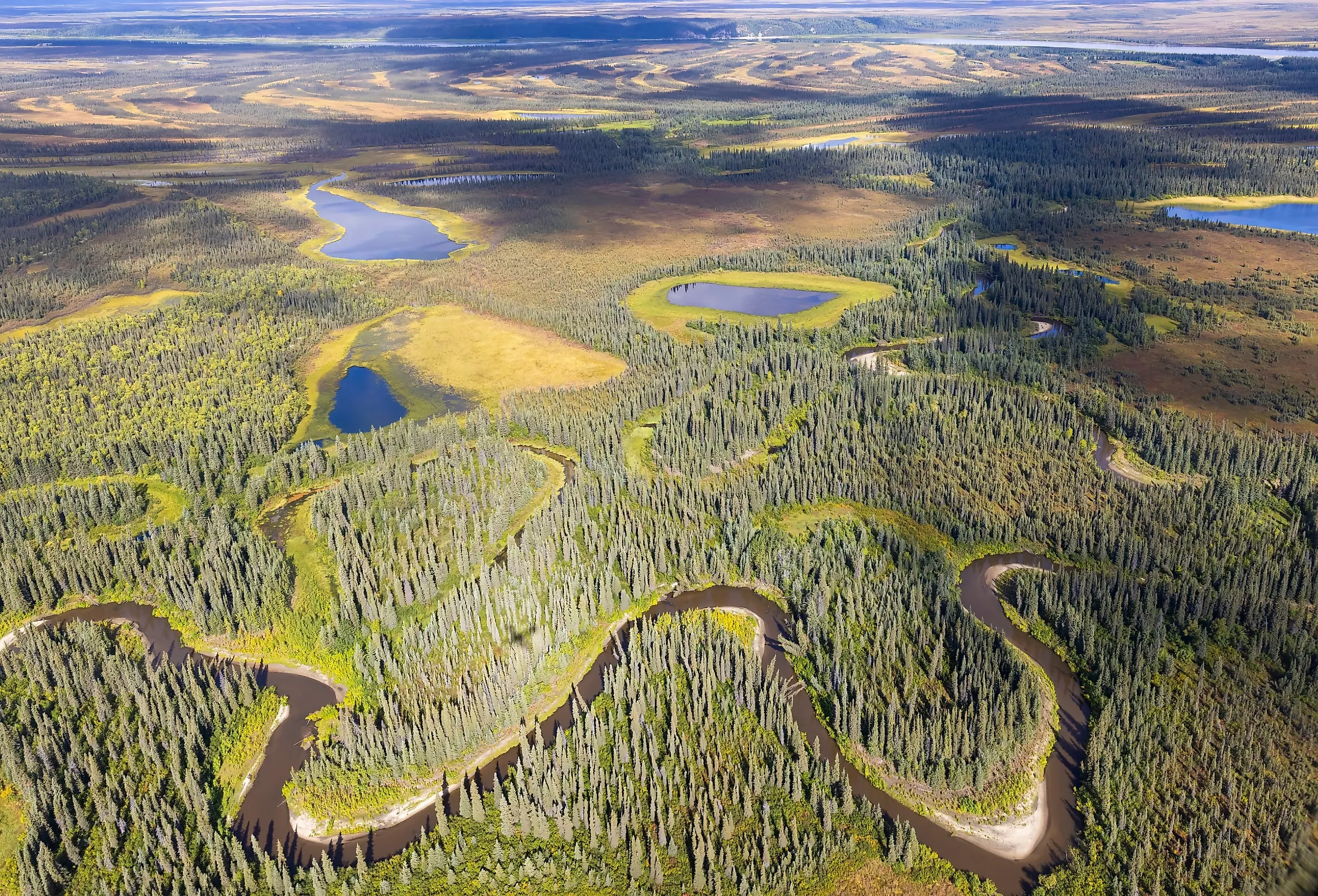
The park contains no roads or maintained trails; most visitors use air taxis, although experienced travelers may also hike in from the Dalton Highway or Anaktuvuk Pass. The park spans the central Brooks Range, where six National Wild and Scenic Rivers run through Arctic tundra and boreal forest. Permafrost underlies nearly the entire park, with upper soil layer depths averaging about one to two feet, resulting in the stunted growth of black spruce and tundra vegetation.
Isle Royale National Park, Michigan

Isle Royale operates under a strict seasonal closure, shutting down completely from November 1 through April 15 due to extreme weather and safety concerns. This makes the late September to October window the only true "shoulder" period before closure.
In 2025, the park logged 29,091 total recreation visits. October visitation fell to nine recreation visits, compared with 8,484 in July.
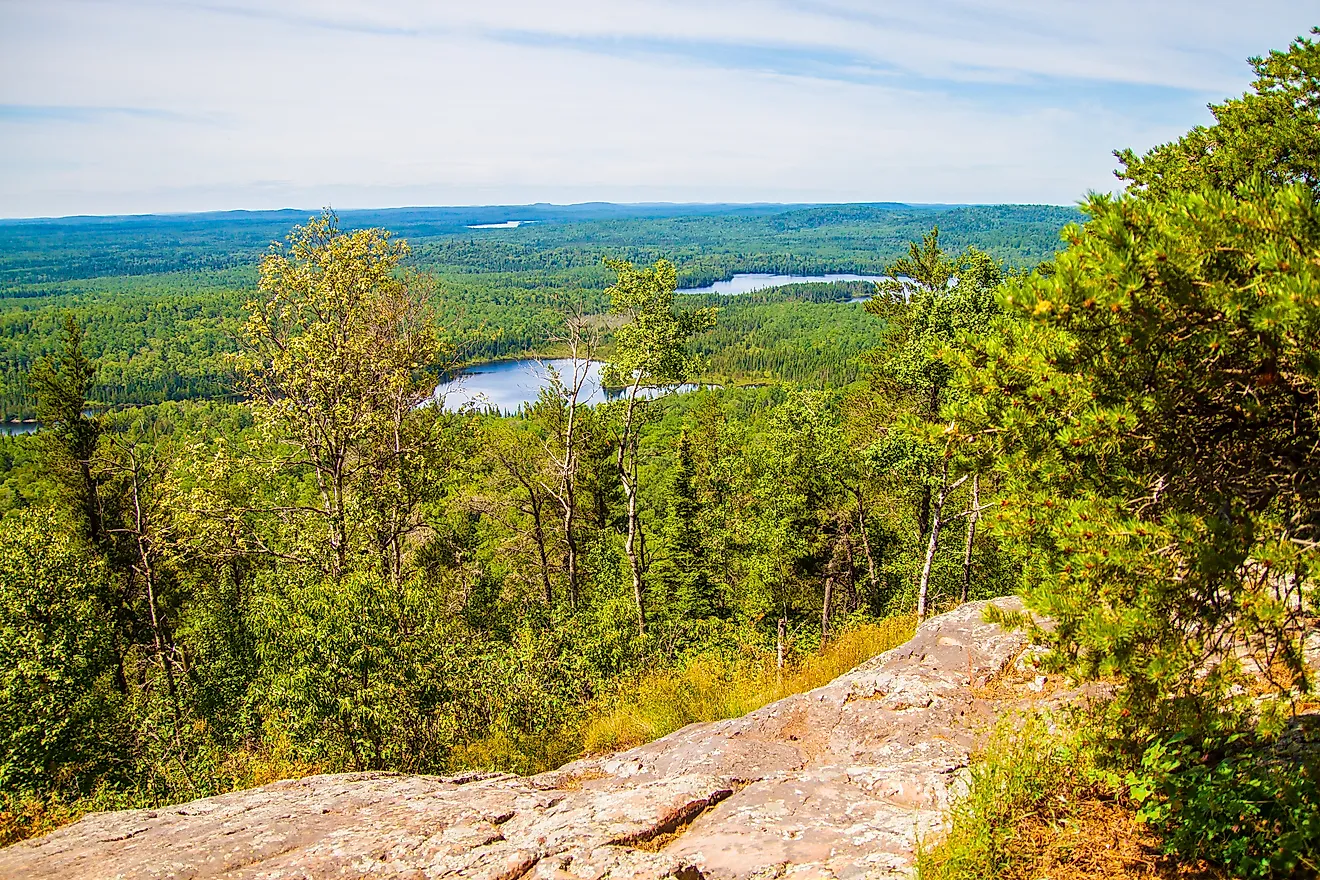
The park is an archipelago in Lake Superior reached by ferry, seaplane, or private boat; public ferries and commercial seaplane service end on different schedules during September. The landscape features ancient ridges of volcanic basalt, deep freshwater lakes, and dense boreal forests of spruce and fir. Isle Royale's moose-wolf predator-prey system has been studied since 1958; after severe wolf inbreeding and decline, the NPS translocated wolves in 2018 and 2019 to restore predation and genetic diversity.
By October, reaching the island generally requires a private boat or private seaplane, while on-island services and emergency response are limited to nonexistent. NPS statistics show a decline of more than 99% between July and October, although recreation-visit counts do not capture the number of people simultaneously present across the park's 209 square miles.
Kobuk Valley National Park, Alaska

Similar to Gates of the Arctic, Kobuk Valley National Park sees minimal traffic, but its shoulder-season dynamics are driven by the brief interval between mosquito season and winter darkness. In 2025, total recreation visits were 7,786. October accounted for just 270 visits, while May saw 137 visits in total. By comparison, July 2025 recorded 2,887 visits, concentrating 37.1% of the year's traffic in a single month.
The park is famous for the Great Kobuk Sand Dunes, which rise 100 feet high in the Arctic, surrounded by the Kobuk River and caribou migration paths. These dunes are the largest active sand dunes in the Arctic, covering 25 square miles, formed by sand deposited by glaciers during the Pleistocene epoch and reworked by strong winds blowing up the Kobuk River valley.
Kobuk Valley protects an important migration corridor for the Western Arctic Caribou Herd, which numbered approximately 121,000 animals in the 2025 census and travels through the park toward and from calving grounds north of the Brooks Range; some GPS-collared individuals have traveled roughly 2,700 miles in a year.
North Cascades National Park, Washington

The core North Cascades National Park unit remains one of the least-visited national parks in the contiguous United States. NPS recorded 46,925 recreation visits there in 2025, separately from the adjacent Ross Lake and Lake Chelan national recreation areas. October recorded 1,713 recreation visits, while April recorded 804.
State Route 20 typically closes across the mountains from November through April, limiting cross-mountain travel without eliminating access from every approach. May 2025 recorded 1,186 visits, while September remained comparatively active with 9,475 before visitation dropped sharply in October and November.

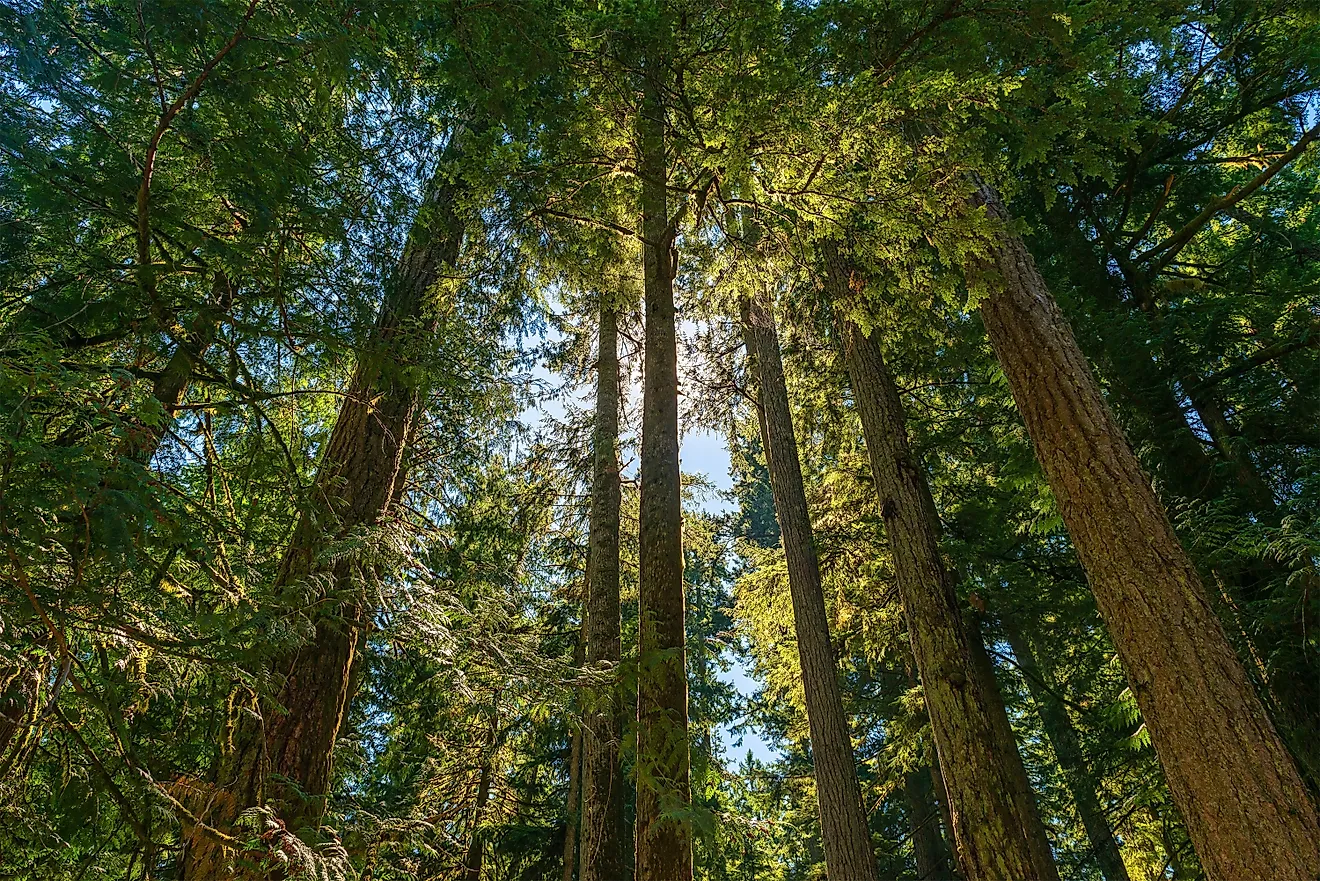
The North Cascades National Park Service Complex contains more than 300 glaciers, more than any other national park outside Alaska, and about a third of all the glaciers in the lower 48 states. Boston Glacier, approximately one mile long and nearly 3.5 miles wide, is the largest glacier within the national park. The complex geology consists of distinct terranes: fragments of ancient island arcs and ocean floor accreted to the North American continent over millions of years.
Lake Clark National Park and Preserve, Alaska

Lake Clark National Park records some of the lowest visitation numbers in the system. Because it is outside the road system, it is reached primarily by small plane from several Alaska communities, and portions of its Cook Inlet coast can also be reached by boat when conditions permit. In 2025, the park recorded 19,778 total recreational visits.

The seasonality is pronounced: July 2025 accounted for 7,087 visits, while September dropped to 1,084, and May saw only 480. Its four million acres include volcanic mountains, glaciers, turquoise lakes, boreal forest, tundra, and coastal salt marshes and meadows. The park encompasses two active volcanoes, Mount Redoubt and Mount Iliamna, which rise over 10,000 feet and are part of the Aleutian arc. Mount Redoubt most recently erupted in 2009, producing 19 major ash-producing explosions.
Katmai National Park and Preserve, Alaska

Katmai National Park and Preserve recorded 34,479 recreational visits in 2025. July accounted for 13,500 visits, while May drew only 313 and October just 184. September remained comparatively active with 5,248 visits because it is a prime bear-viewing month, but April and November recorded no recreational visits.
The park spans more than four million acres on the northern Alaska Peninsula and is accessible almost exclusively by plane or boat. Most visitors fly to King Salmon before continuing by small aircraft or water taxi. Brooks Camp is the park's principal visitor hub. Regular NPS and concessioner services there operate from June 1 through September 17, with only limited services available afterward.
Katmai protects the Valley of Ten Thousand Smokes, a volcanic landscape created by the 1912 Novarupta eruption, as well as salmon-rich rivers that support roughly 2,200 brown bears. Although bears remain active around the Brooks River in September, the end of regular services, unpredictable weather, and dependence on specialized transportation sharply reduce access as autumn advances.
Shoulder Season's Emptiest National Parks
The National Park Service's IRMA database confirms that these parks maintain low visitation in the shoulder seasons. In these parks, the convergence of seasonal highway closures and extreme remoteness and weather creates a natural filter that dissolves crowds long before the official winter shutdown. Visiting during these shoulder months bypasses the more congested experience of peak season, offering a quieter, more immersive encounter with the parks.