The National Forests With The Most Pacific Rattlesnakes
Across the western United States, few snakes are as widespread, or as commonly encountered, as the Pacific rattlesnake. This venomous pit viper thrives in exactly the kind of hot, dry, rocky country that defines many of the West's national forests, and some of those forests are absolutely full of them. While nobody keeps an official rattlesnake census, the snake's range and favorite habitats make it easy to pinpoint where it turns up most often. From the chaparral of California to the canyons of Idaho, here are the national forests with the most Pacific rattlesnakes.
Meet the Pacific Rattlesnake

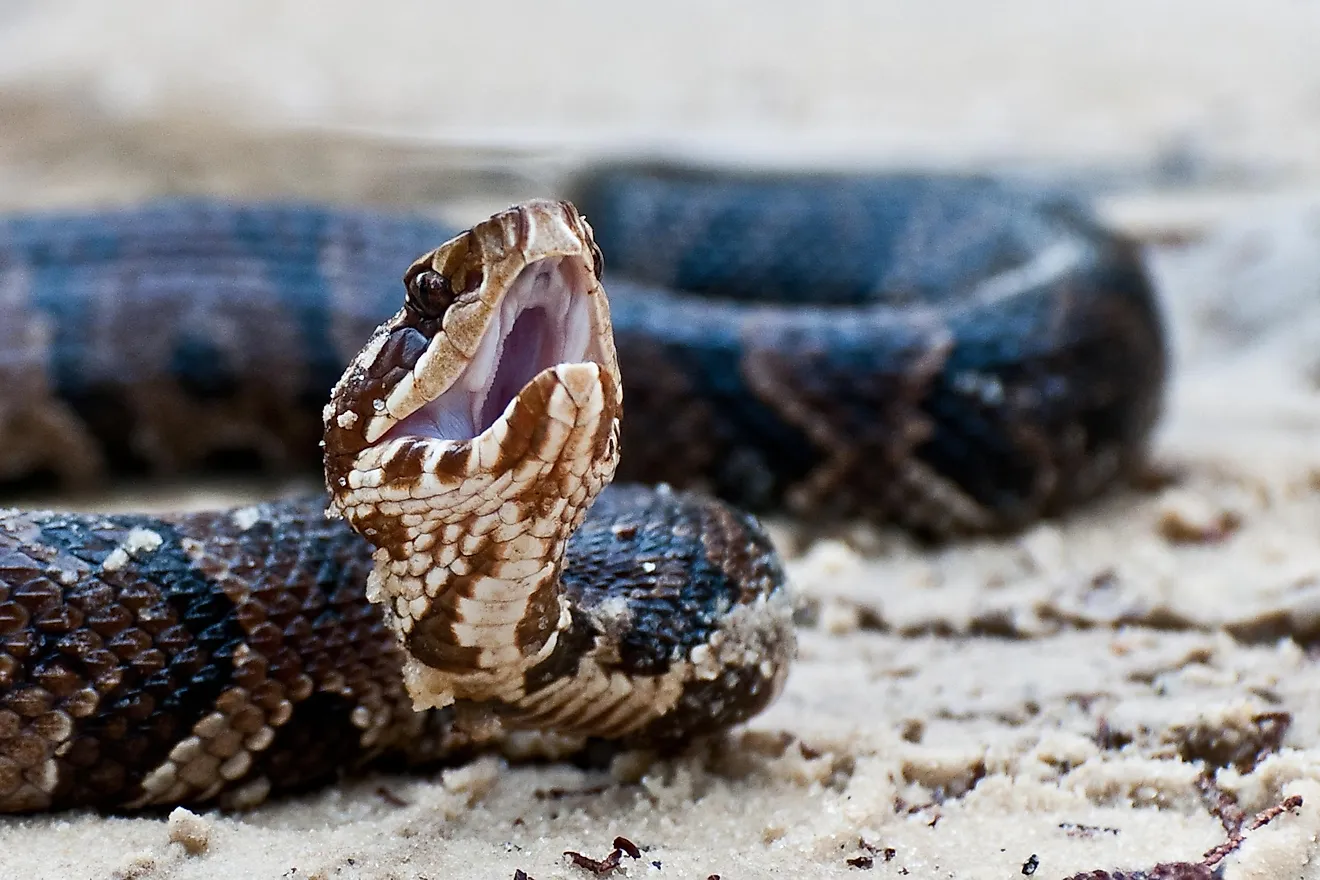
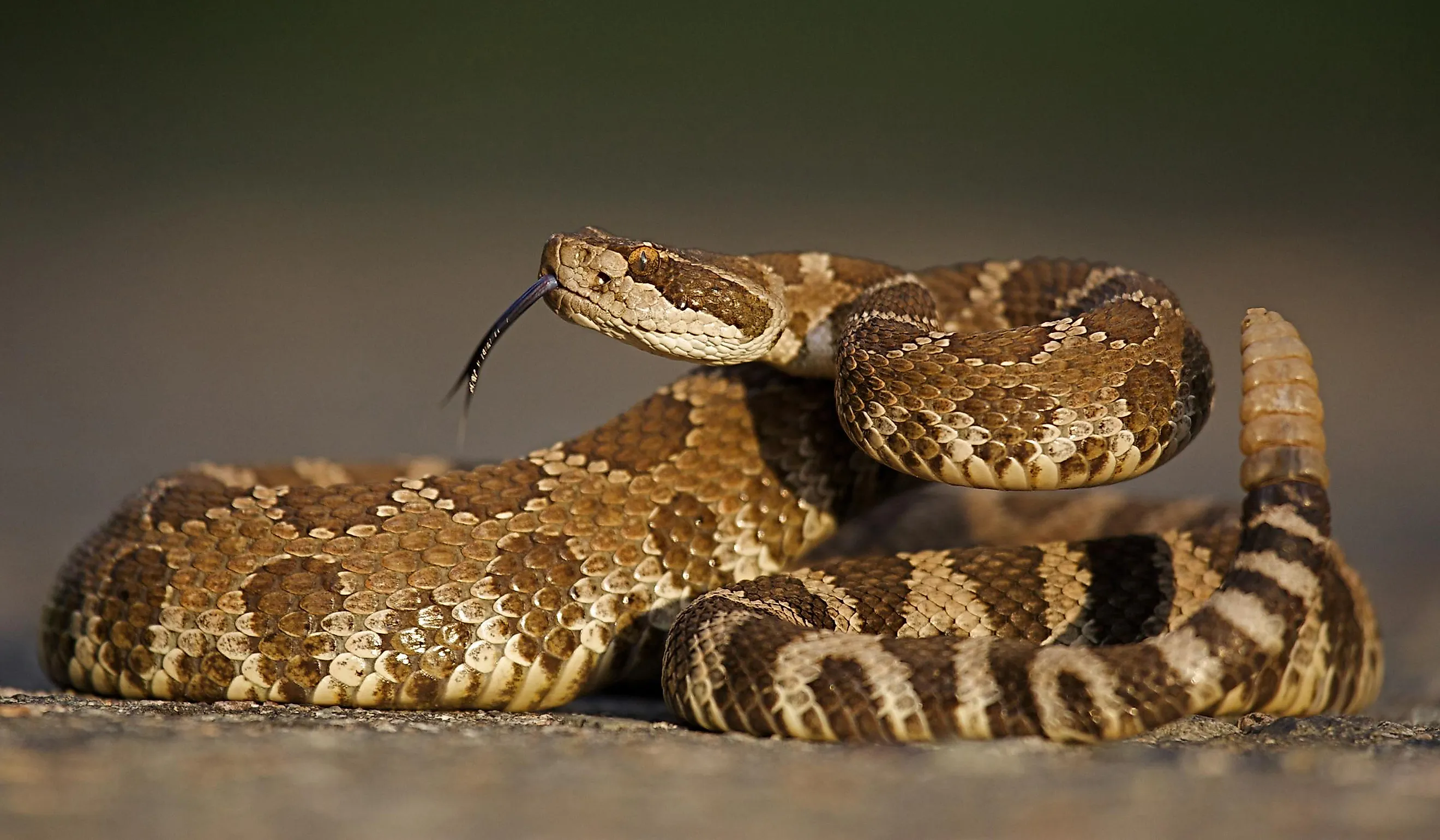
The Pacific rattlesnake, known to scientists as Crotalus oreganus and also called the western or northern Pacific rattlesnake, is the most common venomous snake across much of the far West. Its range covers nearly all of California except the southern deserts, along with Oregon, Washington, and western Idaho. It is a heavy-bodied pit viper that varies in color to match its surroundings, and it uses its famous rattle to warn off anything that gets too close. Crucially, it is a creature of warm, dry, rocky terrain, which is exactly what makes certain national forests such strongholds.
The Dry Country They Love

Pacific rattlesnakes are picky in one key way: they love heat and avoid deep, cold forest. They flourish on rocky hillsides, talus slopes, and sun-baked outcrops, as well as in grasslands, chaparral, and oak woodlands, generally at lower and middle elevations rather than high, snowy peaks. That preference is the single best clue to where they are most abundant. National forests packed with dry canyons, brushy foothills, and warm rocky slopes tend to hold the most rattlesnakes, while cool, wet, high-elevation forests hold far fewer.
Los Padres National Forest

Sprawling across the coastal mountains of central and southern California near Santa Barbara, Los Padres is prime rattlesnake country. Its vast expanses of hot, dry chaparral and rugged, rocky backcountry are tailor-made for Pacific rattlesnakes, which thrive in the forest's sun-drenched canyons and brushy slopes. Hikers on its remote trails regularly encounter them, especially in spring and early summer. Of all the national forests in the snake's range, few offer more of the warm, scrubby habitat it loves.
Shasta-Trinity National Forest

Up in far northern California, the enormous Shasta-Trinity National Forest is another rattlesnake hotspot. While its high country around Mount Shasta is far too cold for the snakes, its lower elevations are a different story, full of hot, rocky river canyons and dry, brushy foothills. These warm, lower stretches, particularly around the forest's lakes and rivers, give Pacific rattlesnakes exactly the basking sites and rodent-rich hunting grounds they need. It is a classic example of a forest where elevation determines everything.
Okanogan-Wenatchee National Forest

Pacific rattlesnakes reach well into Washington, and the Okanogan-Wenatchee National Forest is where they are most at home in the state. On the dry eastern slopes of the Cascade Range, the forest trades the wet, green west side for sun-baked shrub-steppe, open pine, and rocky canyons. This warm, arid country marks the northern frontier of the Pacific rattlesnake's range, and its sagebrush-dotted slopes and rimrock are where Washington hikers are most likely to hear that unmistakable rattle.
Wallowa-Whitman National Forest

In the northeastern corner of Oregon, the Wallowa-Whitman National Forest takes in some of the hottest, most rugged canyon country in the Pacific Northwest, including part of Hells Canyon, North America's deepest gorge. Those deep, dry, rocky canyons along the Snake River are superb rattlesnake habitat, baking in the summer heat and riddled with crevices and talus. Pacific rattlesnakes are common along the lower canyon slopes here, where the terrain feels far more like desert than forest.
Boise National Forest

Western Idaho sits firmly inside the Pacific rattlesnake's range, and the Boise National Forest, just north and east of the city of Boise, is a reliable place to find them. Its lower, drier ponderosa-pine slopes, grassy foothills, and river canyons warm up quickly in summer, offering the open, rocky terrain the snakes favor. As with the other forests on this list, the rattlers concentrate in the hotter, lower elevations and leave the cool high country largely to themselves.
Payette National Forest

Just to the north, the Payette National Forest wraps around rugged stretches of the Salmon and Snake River country, and it shares the same rattlesnake-friendly recipe. Its deep, hot river canyons and dry, grassy slopes are classic Pacific rattlesnake habitat, even as its higher ridges climb up into cool forest. Backcountry travelers floating the rivers or hiking the canyon trails learn quickly to watch where they step. Between Payette and Boise, Idaho's western forests round out the snake's northeastern stronghold.
Why So Many Call These Forests Home

The common thread uniting every forest on this list is habitat, not coincidence. Pacific rattlesnakes need warmth to stay active, rocky nooks and talus for shelter and winter dens, and healthy populations of rodents and lizards to eat, and all of these forests deliver on every count. They also tend to feature a dramatic range of elevations, so even a mostly cool, high forest can hold big rattlesnake numbers down in its hot, low canyons. Where the land is dry, rocky, and sun-baked, the Pacific rattlesnake is rarely far away.
Sharing the Trails Safely

None of this should scare anyone away from these forests, which also include rattlesnake-rich neighbors like California's Mendocino and Klamath national forests. Pacific rattlesnakes are not aggressive and would far rather avoid you than bite, relying on their rattle and camouflage to simply be left alone. The basic rules go a long way: watch where you place your hands and feet on rocky terrain, stay on the trails, give any snake you spot a wide berth, and never try to handle one. Treat them with respect, and the forests they call home remain a genuine joy to explore.