How National Forests Make Money For The Government
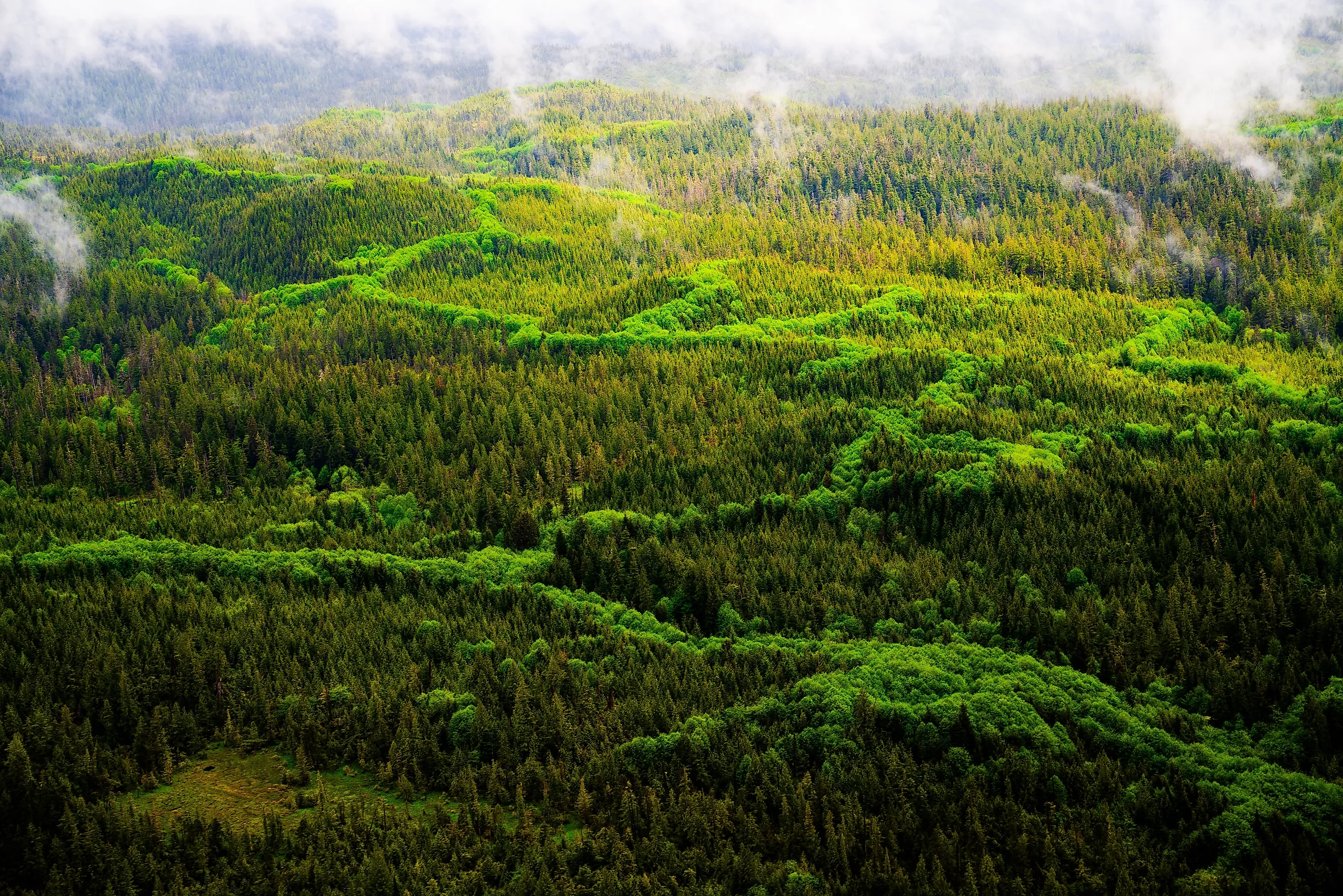
National forests are somewhat unique among federal lands. Unlike highly protected national parks, they're far more open to a mix of alternative uses, some of which even make money for the federal government. These range from familiar methods like charging for recreation fees to potentially surprising ones like allowing private companies to cut down portions of the forest itself. Here's a closer look at the various ways these unique scenic landscapes help "pay their way" in the federal budget.
Recreation Fees and Permits
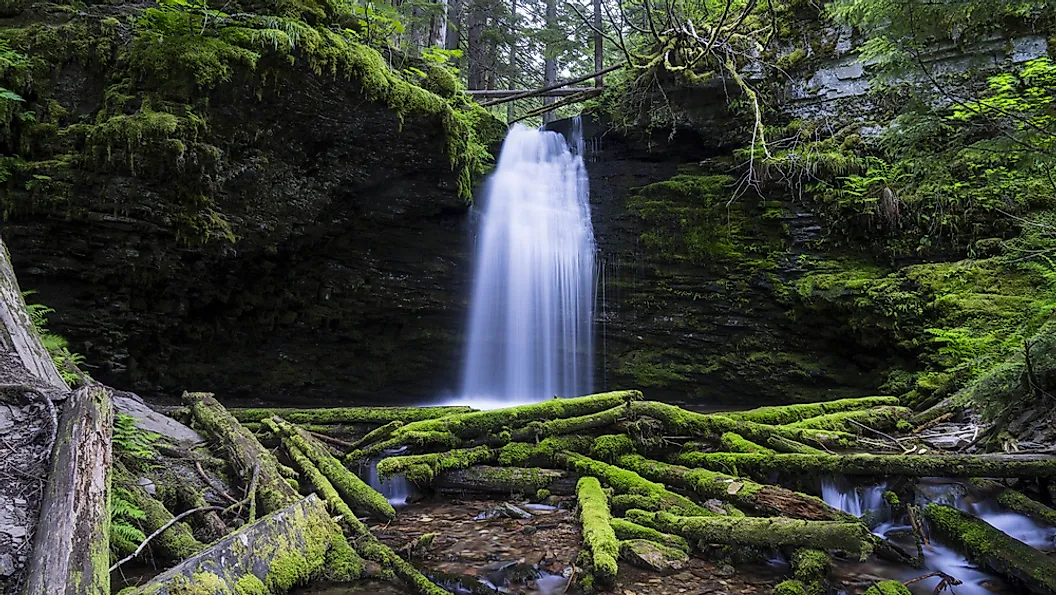
The most common expense faced by ordinary visitors looking to enjoy the beautiful spaces these national forests protect is fees and permits for their use. Although they might sound similar, there's a key distinction between the two. Unlike national parks, which typically charge a fee just to enter, national forests generally charge users for specific developed recreation sites, facilities, and services, including campgrounds, picnic areas, boat launches, cabins, and more. Some activities or destinations also require recreation permits, particularly where access needs to be limited or more carefully managed, such as off-road driving, rock climbing, and using shooting ranges, among others. Day passes can be purchased for as cheap as $5, while even campgrounds can be found in the $10-20 per night range.
Special-Use Permits

As the name suggests, special-use permits generate revenue by allowing private individuals or companies to use parts of national forests for purposes beyond normal recreation. For example, outfitting and guiding businesses that operate in the forest must pay for these permits, as do companies that want to run utility lines through the area or individuals who want to build a private cabin within the forest's borders. Weddings, family reunions, commercial photography, and other events also often require special-use permits. Even marinas and ski resorts that operate within national forest boundaries are allowed to operate under these types of permits.
Grazing Fees
Another less obvious source of revenue comes from ranchers who pay to graze their livestock on sections of national forest land known as allotments, with the Forest Service issuing permits that establish livestock numbers and periods of use. Currently, the federal grazing fee on Forest Service land in 16 Western states is $1.69 per animal unit month, which is equivalent to grazing one cow and calf, one horse, or five sheep or goats for a month. With about 5,500 active permits, this can add up to significant amounts for large ranching operations, making it an important part of how national forests make money for the government.
Mining/Energy Extraction
National forests sit above some of the country's richest oil, gas, and mineral deposits. The Forest Service manages these resources to provide revenue while balancing the impact these typically destructive industries have on the broader forest and environment. Although federal minerals are typically managed by the Bureau of Land Management, the Forest Service must give the OK to any leases within its boundaries. In addition to annual rental payments and royalties on production, bonus bid money from companies seeking contracts also generates revenue. Beyond valuable oil, gas, and precious metals, national forests can also sell more ordinary materials such as sand or gravel, key components in many construction projects.
Timber Sales

Although it might be surprising, the Forest Service even allows parts of the forests it manages to be chopped down for timber sales. This is part of a multi-pronged effort to improve forest health and reduce wildfire risk while providing jobs for those living near the forests, improving tourism potential, and generating federal revenue. Logging rights are auctioned off via a bidding process, ensuring the Forest Service gets top dollar for the privilege. Recent years have seen around 3 billion board feet of timber logged over more than half a million acres, bringing in over $150 million annually.
Where National Forest Revenue Goes

Money generated by national forests doesn't just go into one collective pot. A good deal is kept locally, used to "maintain, manage and improve" national forests and grasslands. In addition, the Forest Service has followed a "25% rule" for more than a century, dedicating a quarter of the revenue from these sources to states and counties containing national forests. This ensures locals aren't left out of the economic benefits of their natural surroundings.
Lands That Pay Their Way
National forests are a truly unique type of public lands. By balancing preservation, recreation, and commercial activity, they support a wide range of activities and uses in these distinctive landscapes.