Why Some Counties Have No Government At All
Most Americans live under three layers of elected government: a city or town, a county, and a state. The county layer is the one people notice least, right up until a deed, a court summons, or a property tax bill puts a county seat's name in front of them. Three states run without that middle layer entirely. Connecticut erased its county governments in 1960, Rhode Island did the same more than a century earlier, and Alaska never adopted counties in the first place. Each reached that arrangement for its own reasons, and each still delivers the services a county would handle elsewhere. Here is how the three of them manage it.
State of Connecticut

On October 1, 1960, under a law passed by the General Assembly, Connecticut's eight county governments were dissolved and their functions moved to the state. The counties had never held much power to begin with. Connecticut's political culture centered on the New England town meeting, where residents governed their own affairs directly, and the state had already absorbed most of what the counties once did. The last real county responsibility, running the jails, passed to the state Department of Corrections. Local government now rests with 169 towns, and nine Regional Councils of Governments coordinate transportation, land-use planning, and other work that crosses town lines. The eight historic counties (Fairfield, Hartford, Litchfield, Middlesex, New Haven, New London, Tolland, and Windham) remain only as lines on a map. Since 2022, the U.S. Census Bureau has treated the nine planning regions, not the old counties, as Connecticut's county-equivalents for reporting data. Courts, social services, and law enforcement coordination all run through the state.
Rhode Island

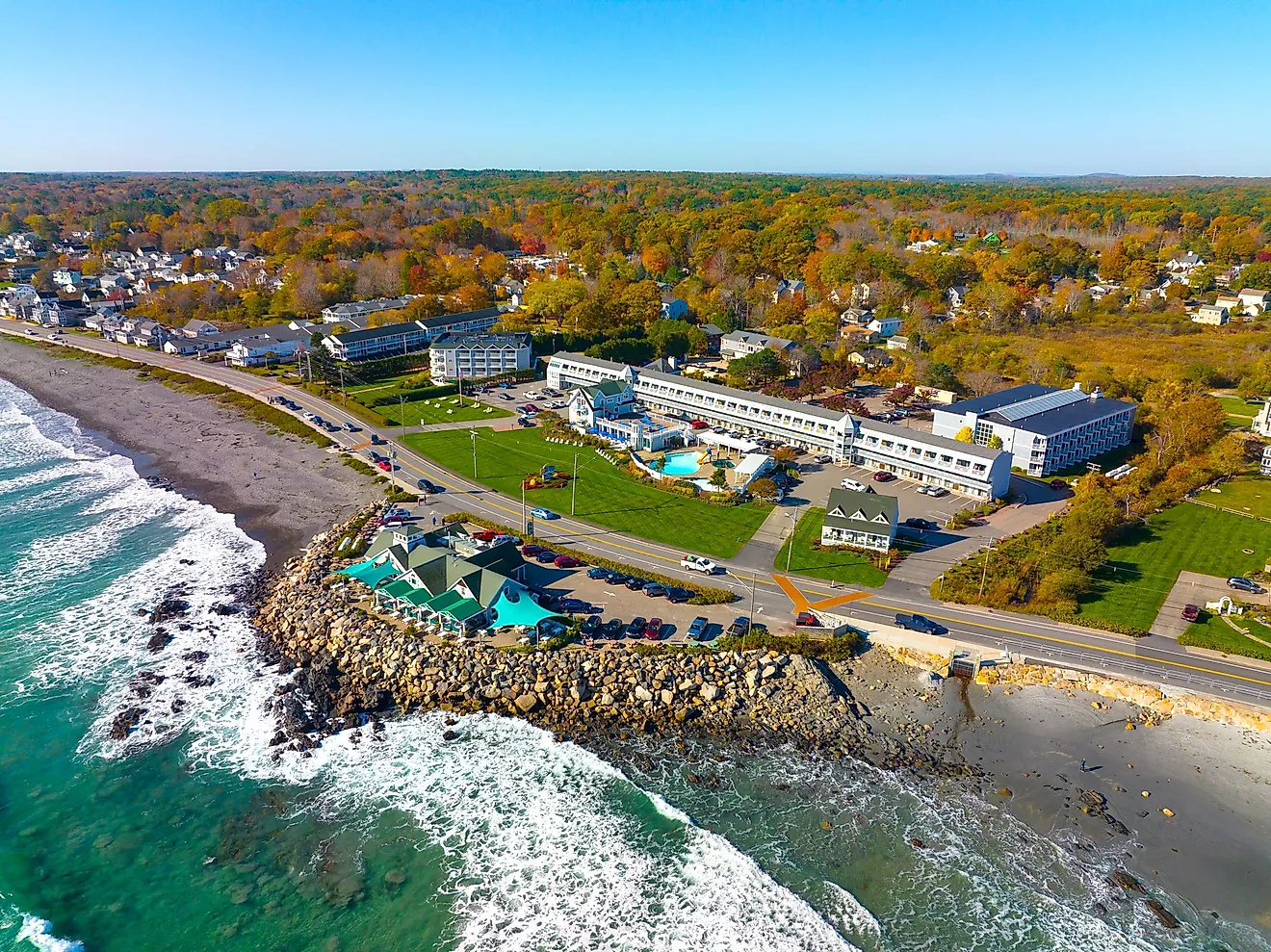
Rhode Island reached the same end point far earlier, abolishing county government under its 1842 constitution. The state's five counties (Bristol, Kent, Newport, Providence, and Washington) have carried no governing authority since. Power sat with the towns from the colony's earliest days. Each town wrote its own charter and ran its own courts, militia, and local affairs, so a county tier was never essential; the towns already handled education, policing, roads, taxation, and relief for the poor. Over time the state took on the larger jobs that outgrew any single town, among them the major highways, the prisons and corrections system, and the courts. County sheriffs eventually became state officers rather than local ones. Today all local government in Rhode Island runs through its 39 cities and towns, with the counties left as judicial and statistical boundaries.
Alaska

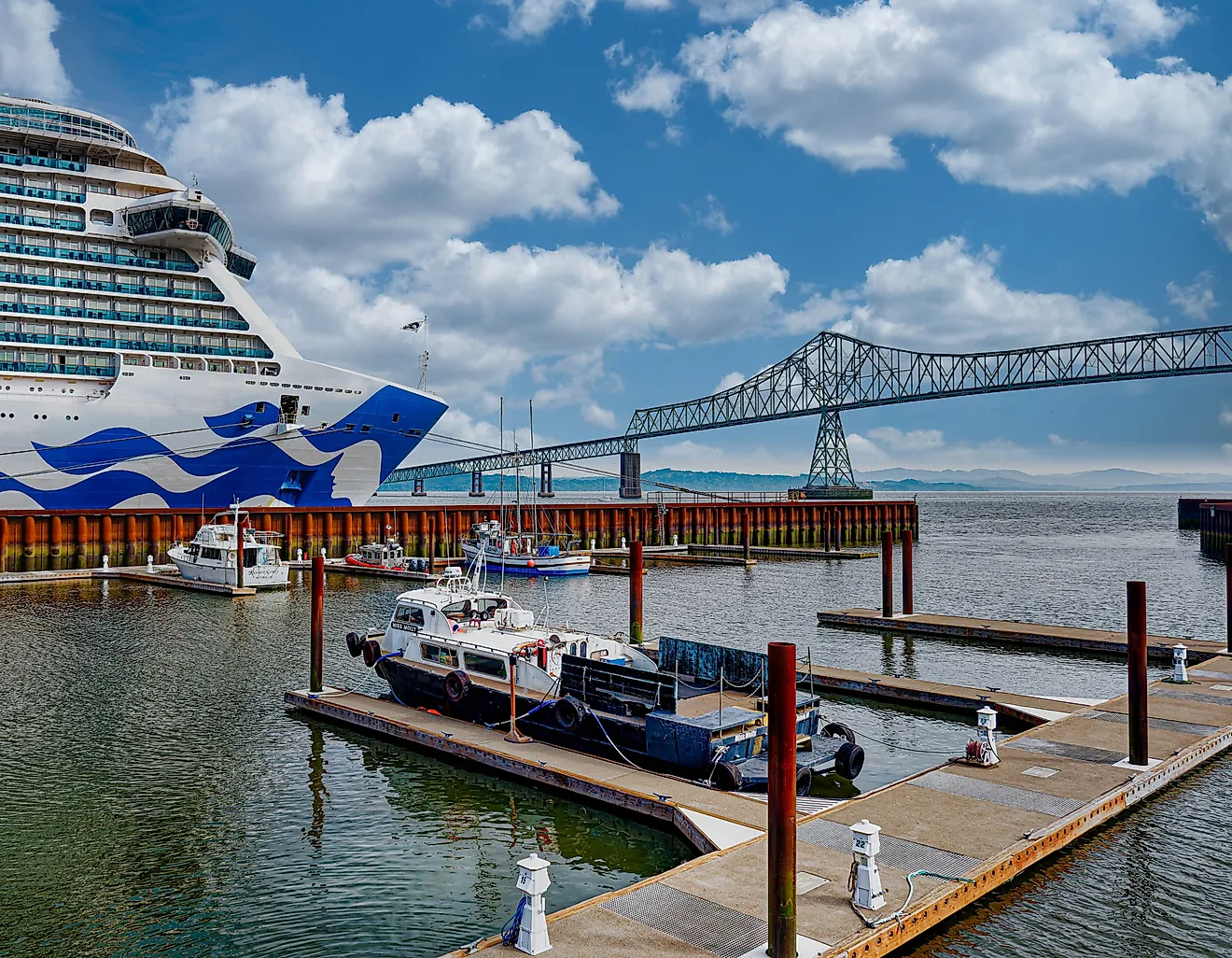
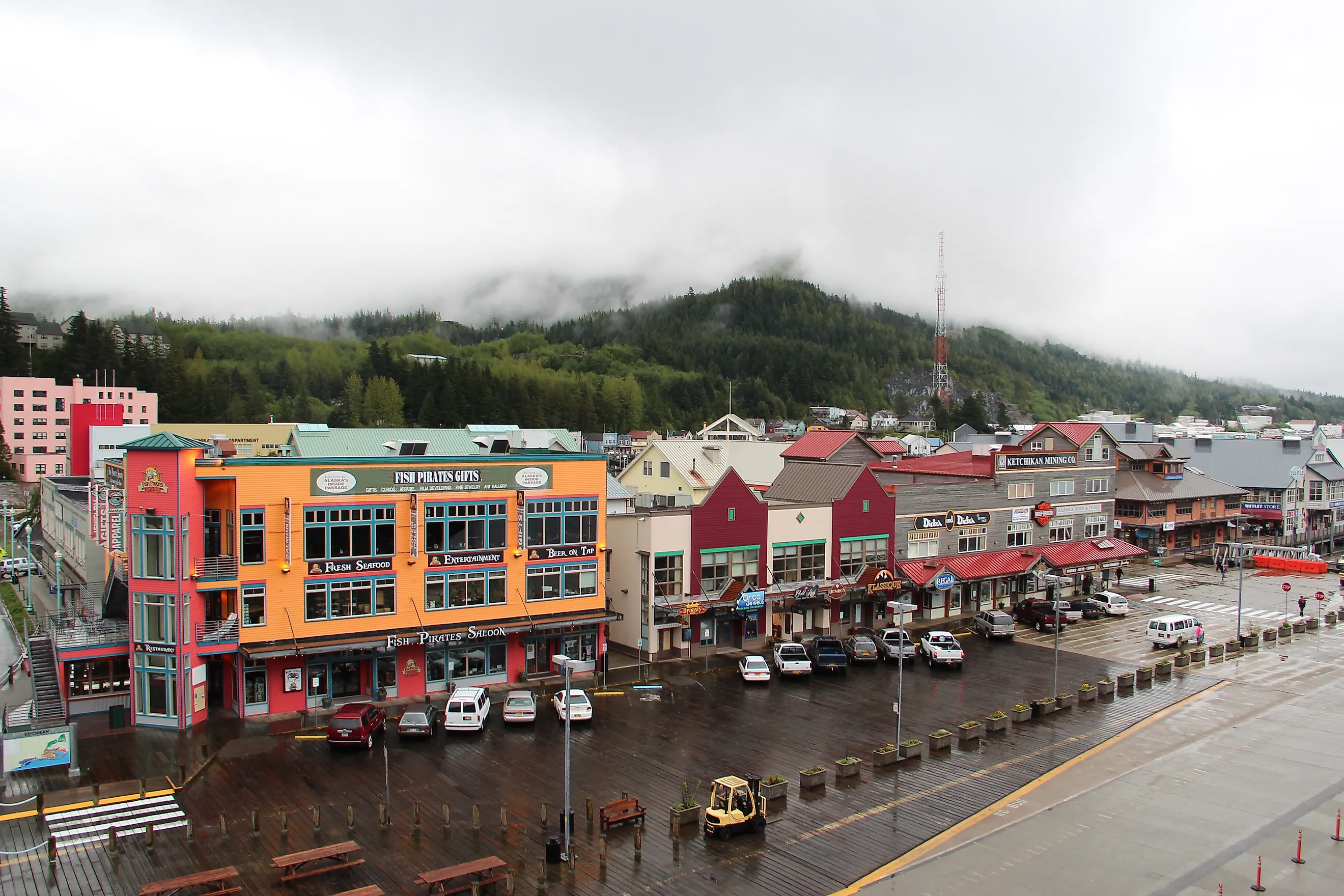
Alaska has a governor, a legislature, and courts like any other state, but it has no counties at all. Its county-level tier is the borough, and even that does not cover the whole map. Nineteen organized boroughs, among them the Ketchikan Gateway Borough around Alaska's southeasternmost major city, function as county-equivalents. Everything outside those boroughs falls into a single vast Unorganized Borough, which the Census Bureau splits into census areas purely for reporting. When delegates drafted the state constitution in the 1950s, they judged a full grid of counties too cumbersome and expensive for a place this large and this thinly settled, where communities sit far apart and are hard to reach across the terrain. The boroughs they created handle education, land-use planning, and property assessment and taxation, and each can take on more where residents want it. More than half of Alaska's land, though, lies in the Unorganized Borough, where no local borough government exists and functions like zoning simply have no local home. The state fills the gap directly, providing law enforcement through the Alaska State Troopers and levying corporate taxes, while incorporated cities run their own police, utilities, roads, and ordinances. None of this leaves rural Alaska ungoverned. The 229 federally recognized tribes across the state provide services to Native villages and remote communities, and for a state this exceptional, the mix has held up well.
Why We Need Counties or a County-Equivalent
Life without a county layer can sound appealing, but that layer exists because some problems are bigger than any one city and smaller than a whole state. Los Angeles County is the clearest example at scale. Its agencies run hospitals and clinics, deliver public health and social services, operate libraries and parks, maintain roads and flood-control channels, assess property, and administer elections. Nearly 10 million people live there, spread across 88 incorporated cities and more than 120 unincorporated communities that depend on the county for the services a city would otherwise provide. When a public health threat or a flood-control need crosses dozens of municipal lines at once, an intermediate government is what holds the response together.
Three States, Three Answers
The lesson across all three is the same: a county government is not a fixed requirement of American life, and in some settings it is more trouble than it is worth. Yet none of these states does without government altogether. The work still gets done. It simply moves to a different level of government: state, tribal, or municipal. The label on the office matters far less than the fact that someone, somewhere in the structure, remains responsible for keeping order.